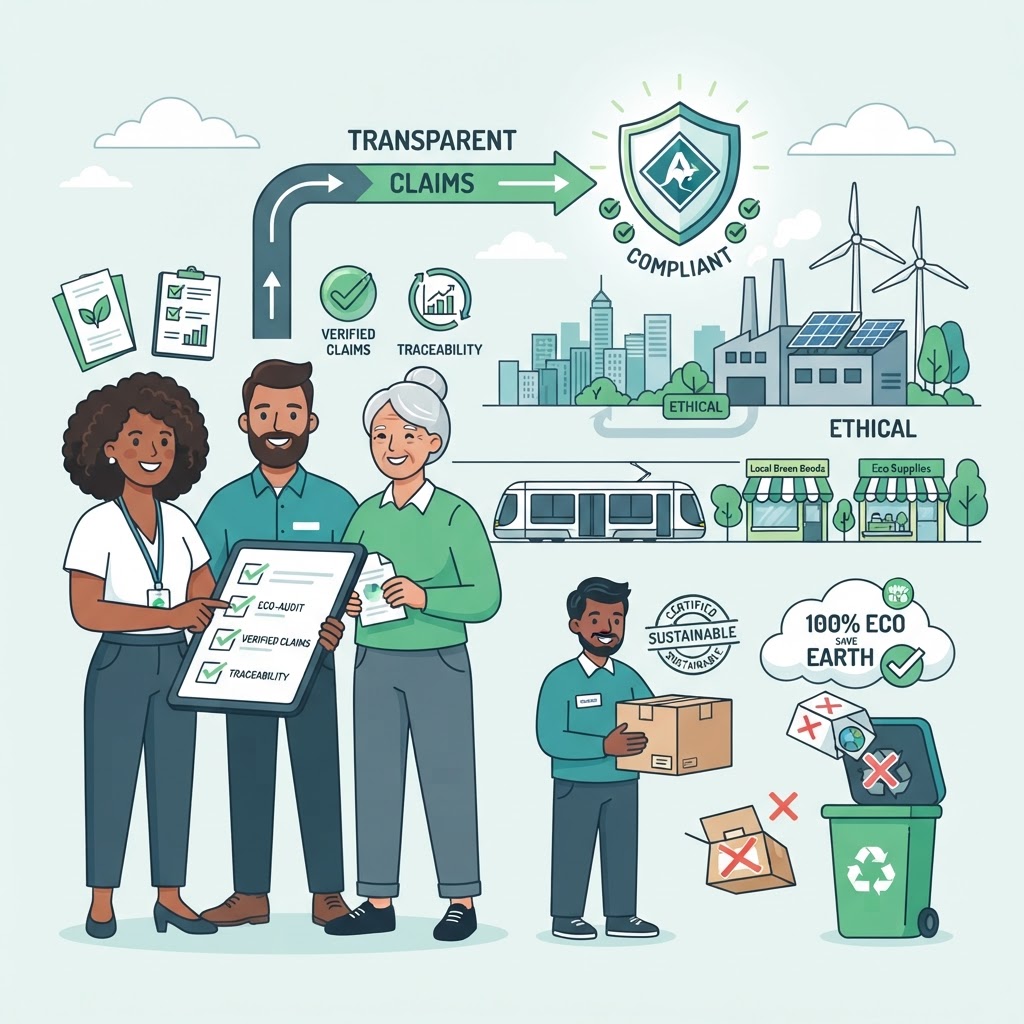
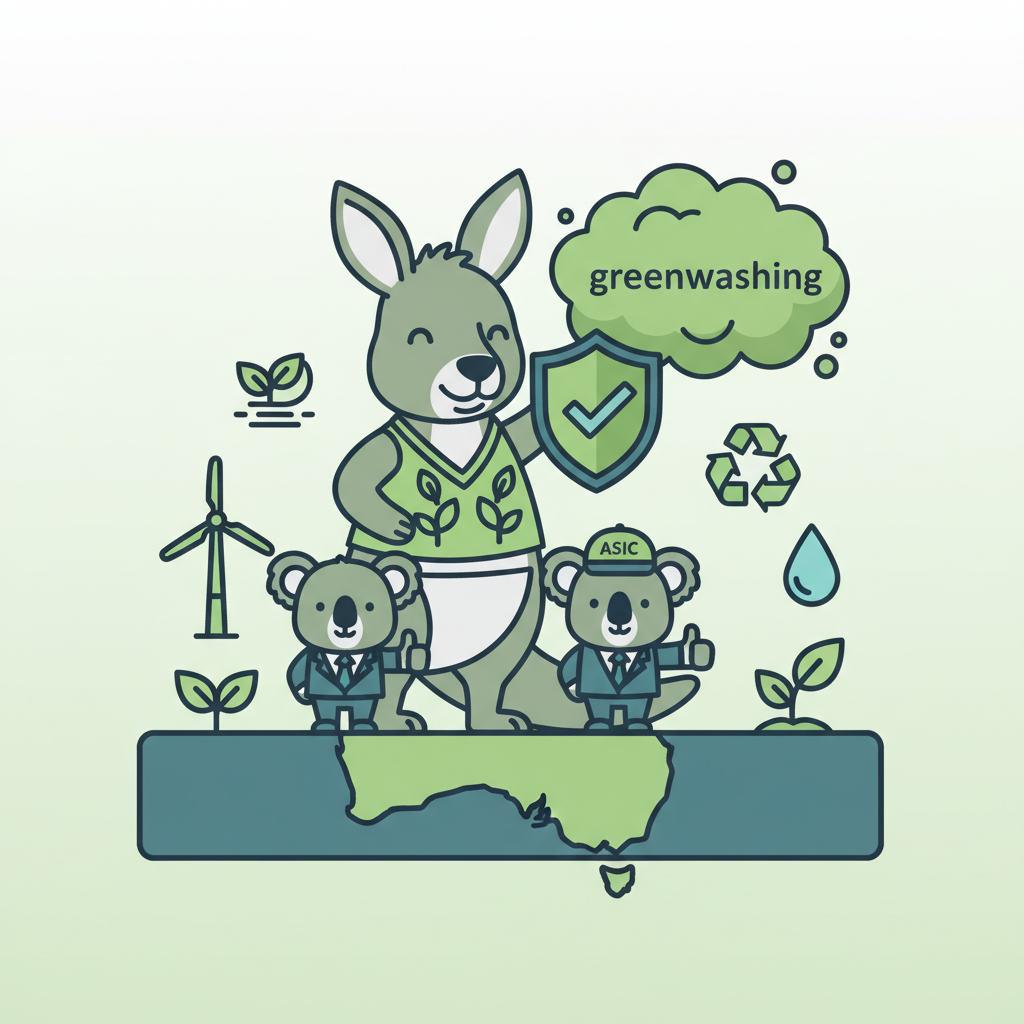
Beyond Greenwashing: Ensuring Regulatory Integrity in Your Carbon Reporting
Learn how Australian SMEs can navigate ACCC and ASIC guidelines to produce evidence-backed sustainability tender responses that stand up to regulatory scrutiny.
Read blogPractical PrimeGreen guidance for SMEs preparing stronger sustainability tender responses.

Learn how Australian SMEs can navigate ACCC and ASIC guidelines to produce evidence-backed sustainability tender responses that stand up to regulatory scrutiny.
Read blog
Learn how Australian SMEs can build trust with enterprise buyers by transforming raw data into verified, evidence-backed sustainability tender responses.
Read blog
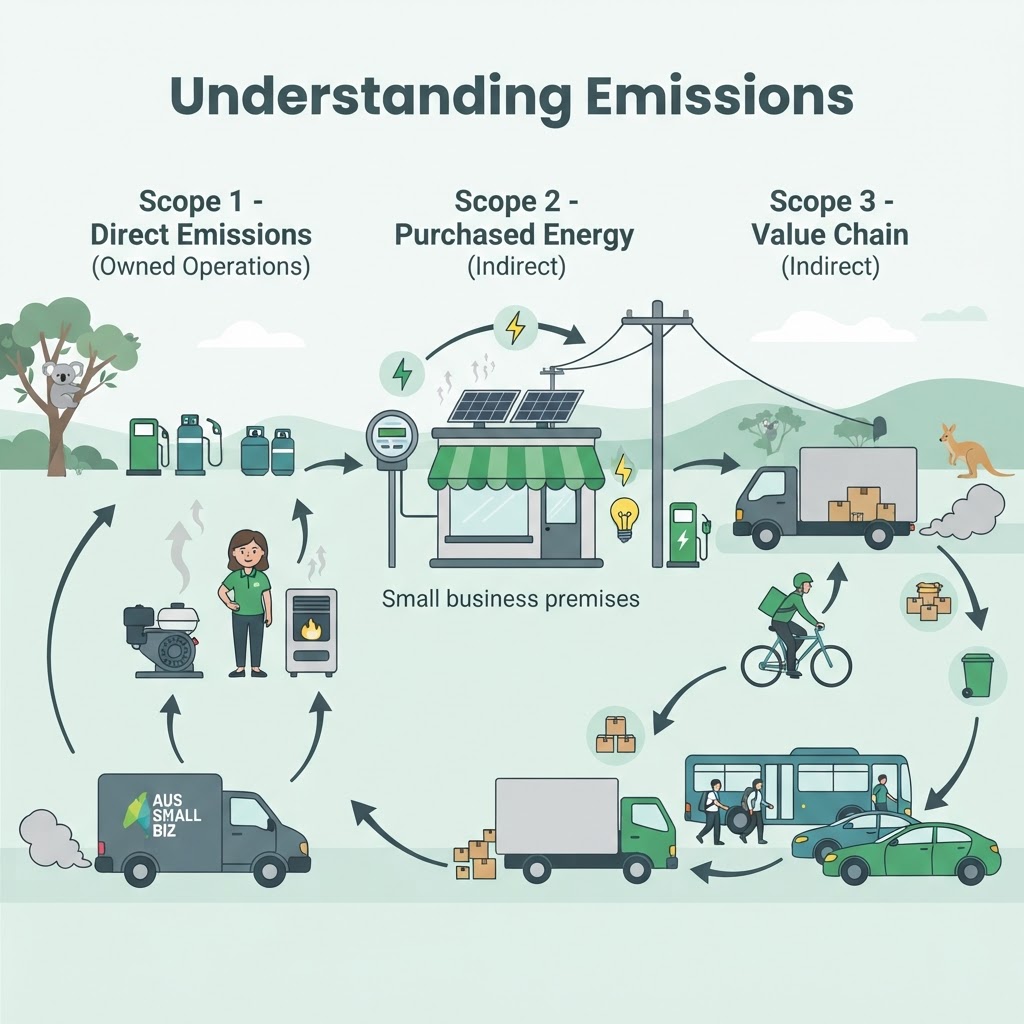
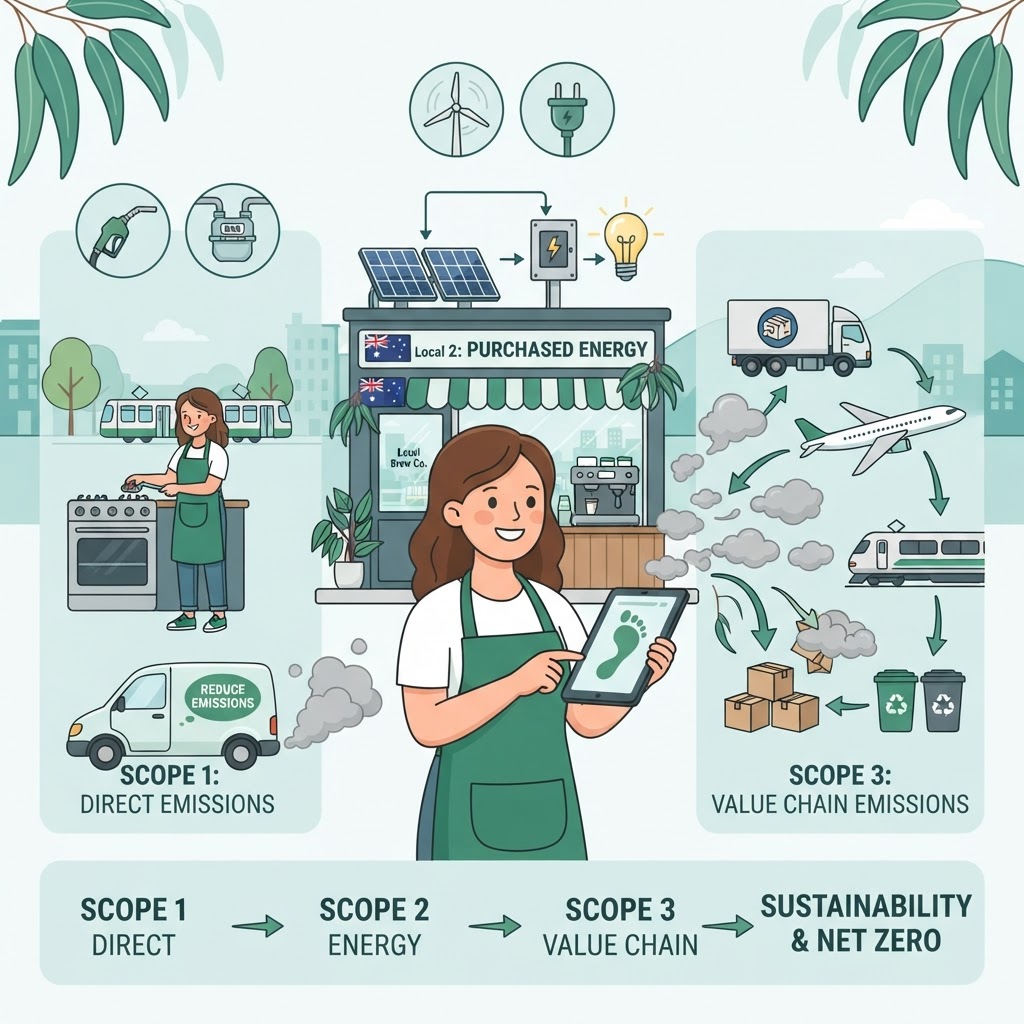
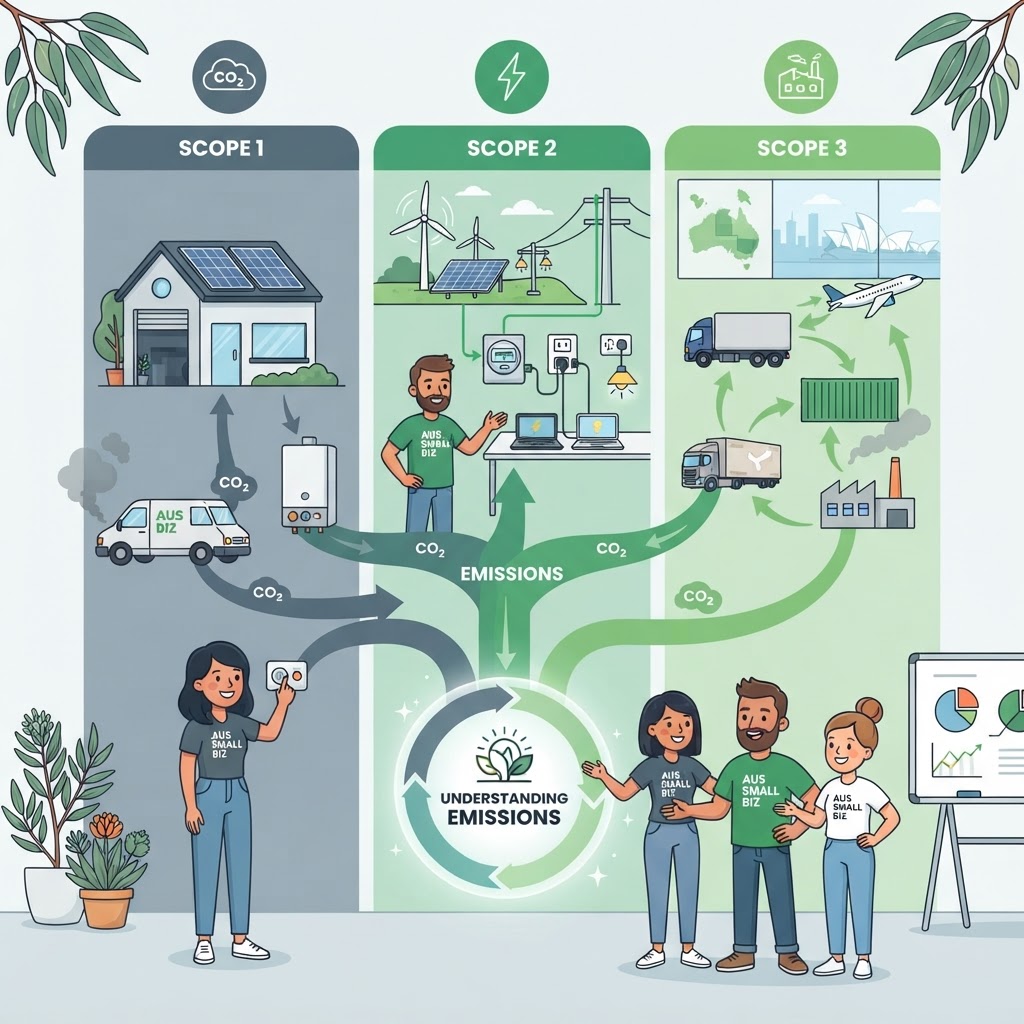
Demystify the complexities of Scope 1, 2, and 3 emissions to sharpen your sustainability tender responses and meet Australian procurement requirements.
Read blog
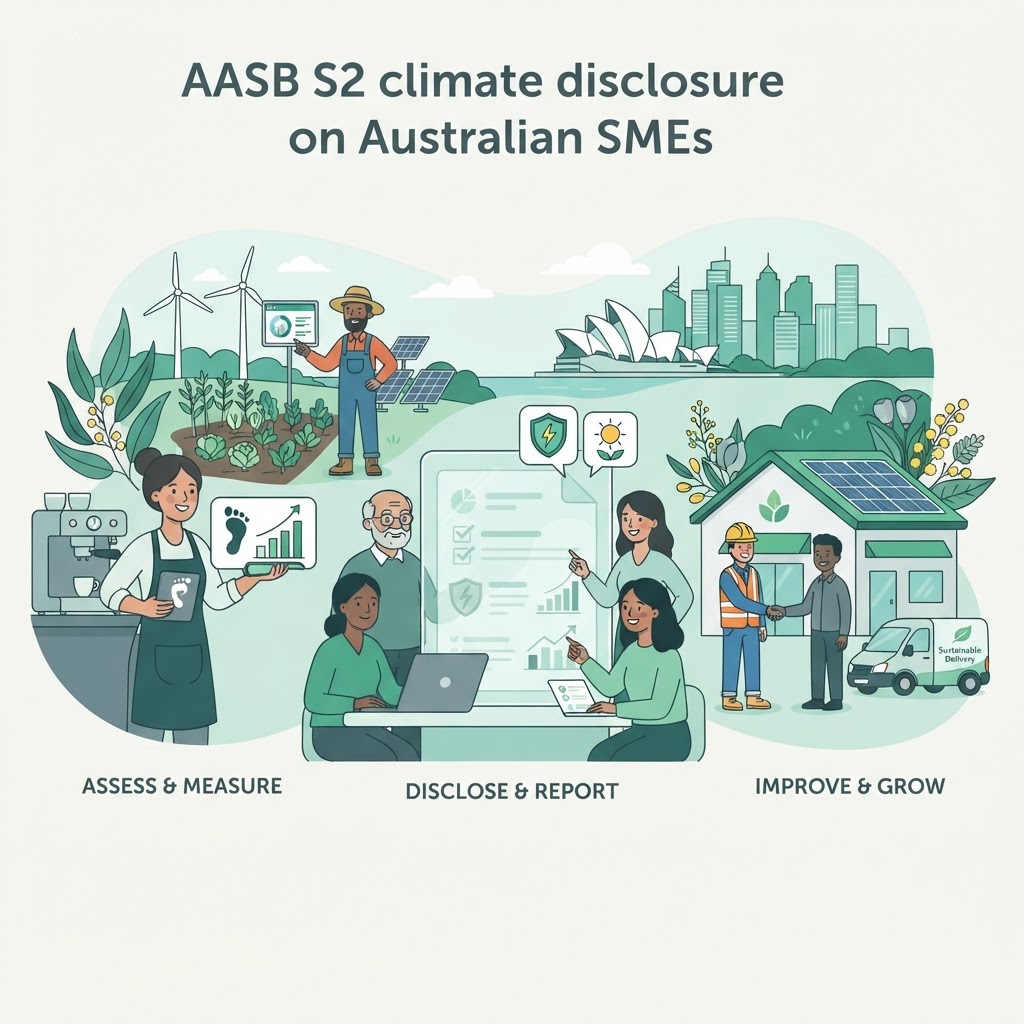
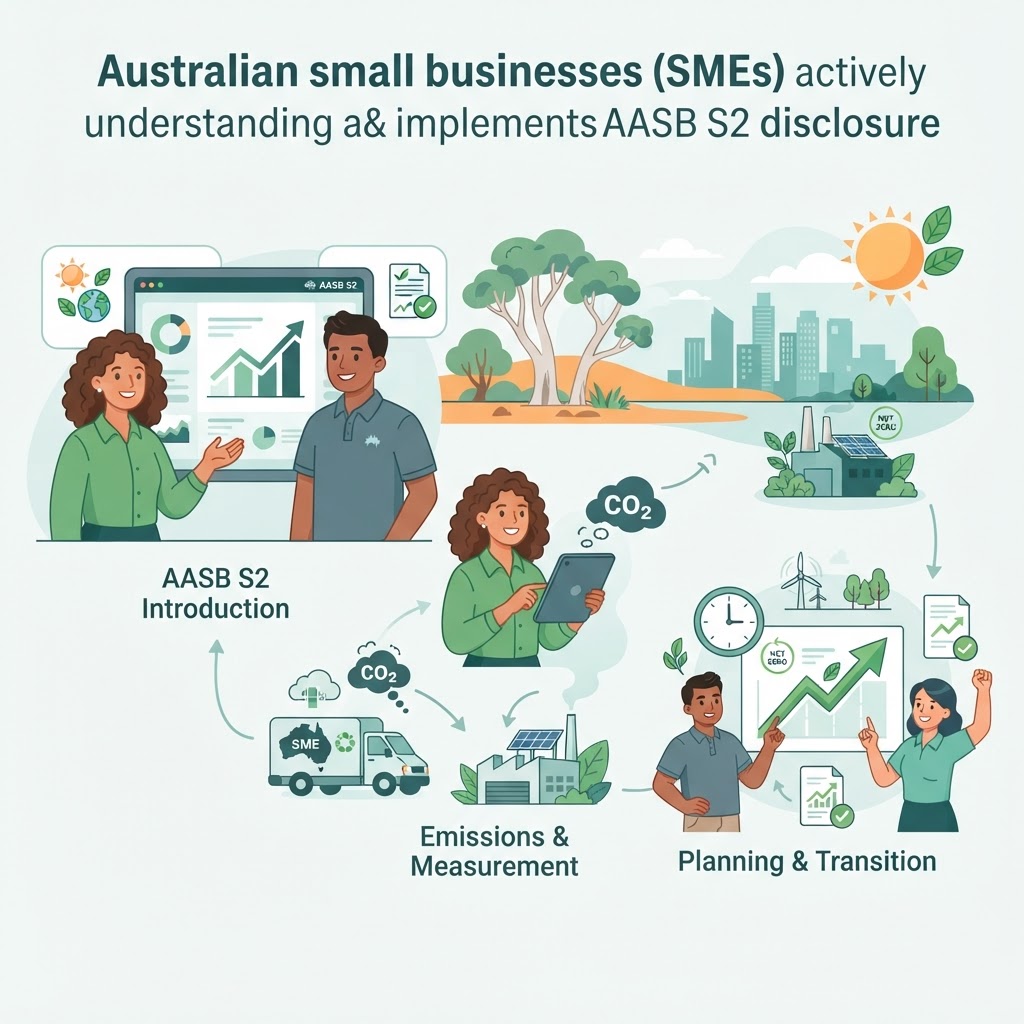
Discover how the AASB S2 climate reporting standards are filtering down to Australian SMEs and how to prepare your data for procurement success.
Read blog
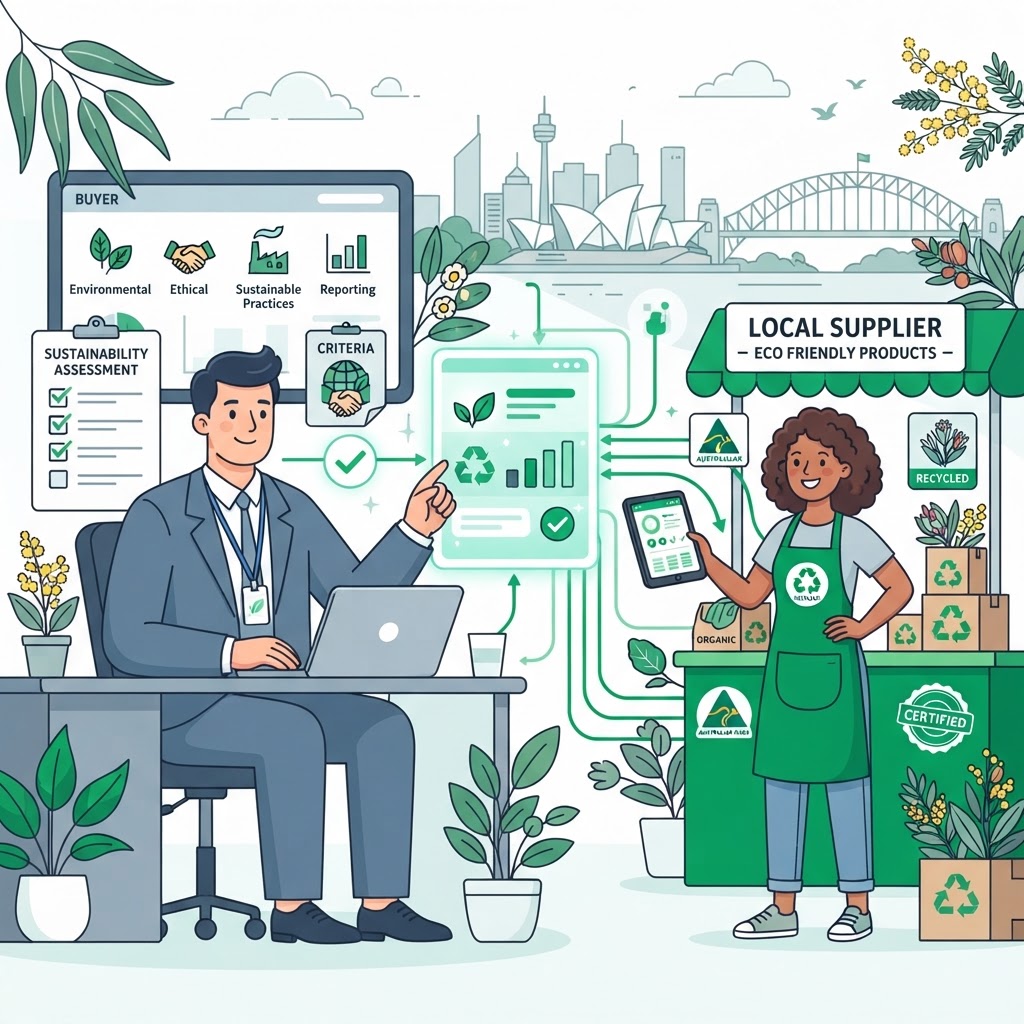
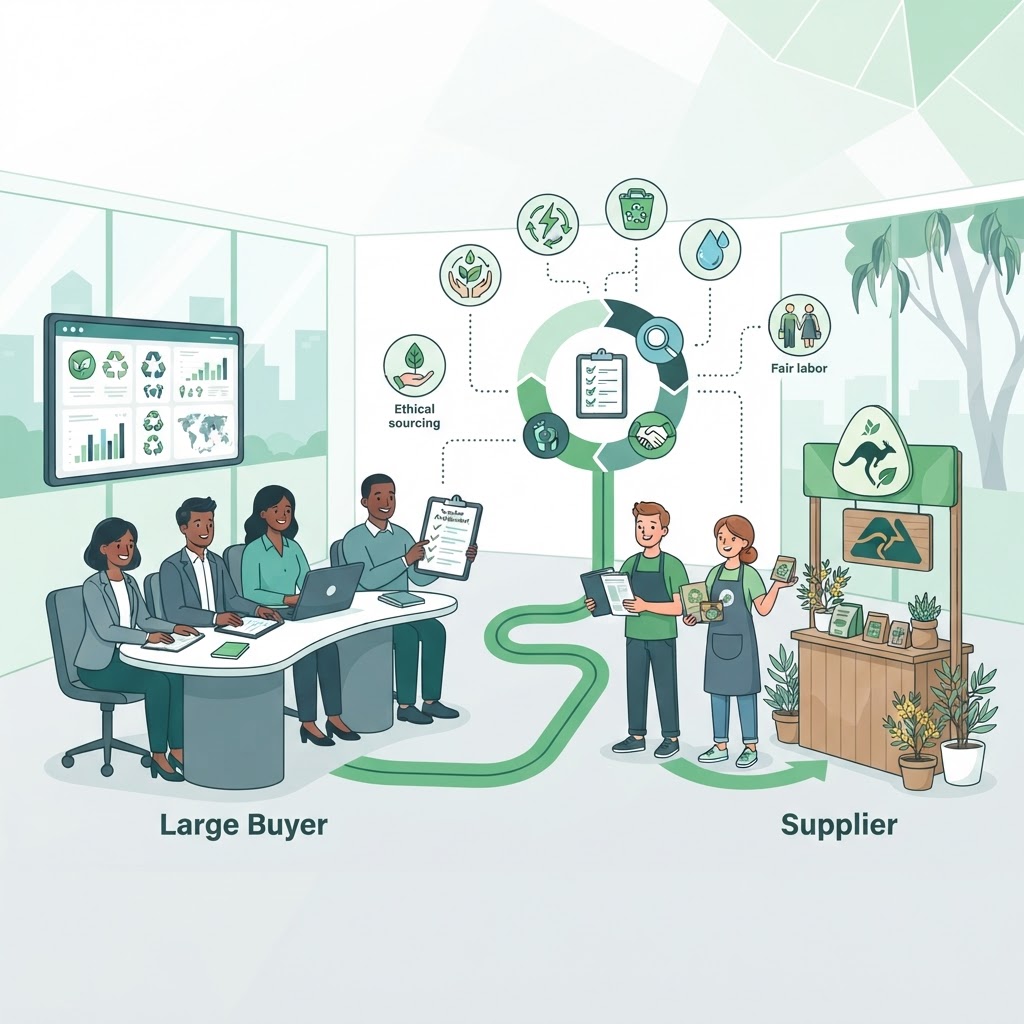
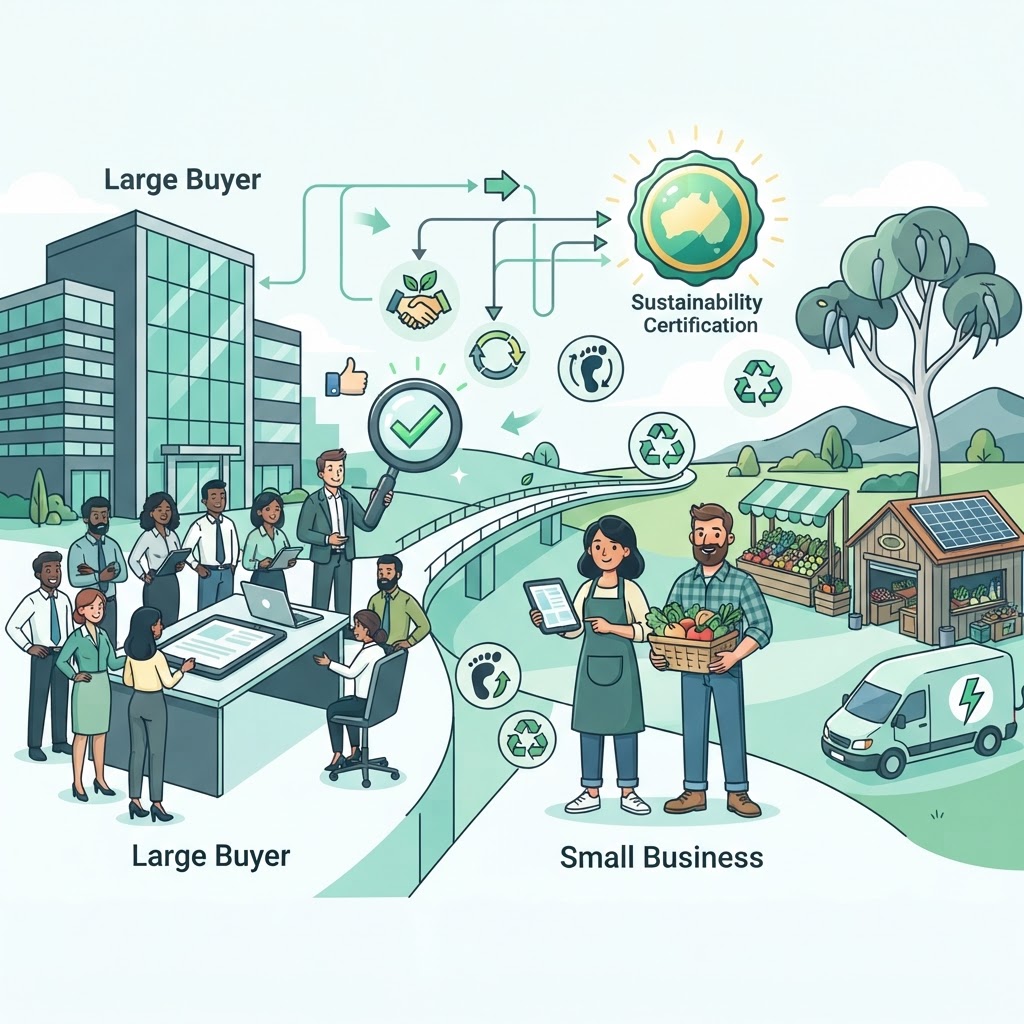
Discover how major Australian enterprise buyers evaluate supplier sustainability and what evidence you need to secure your next contract.
Read blog
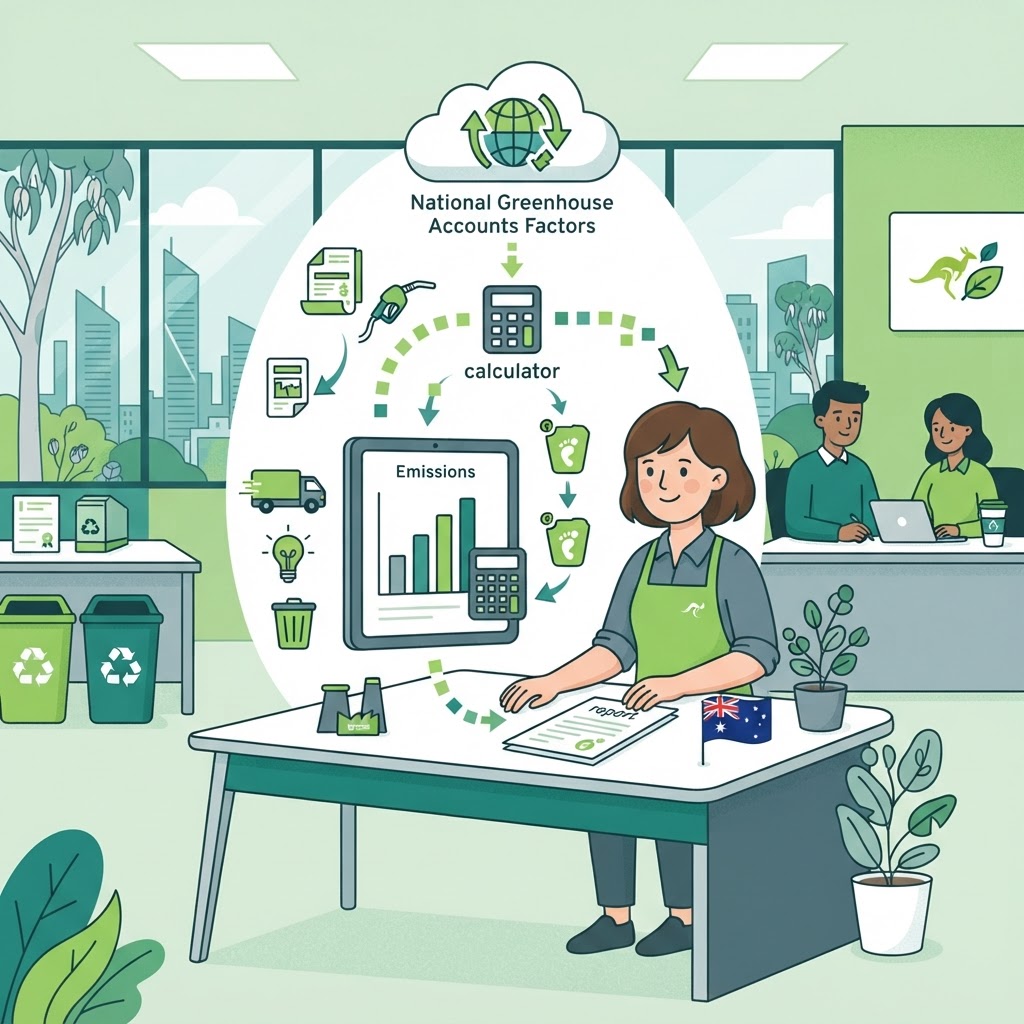
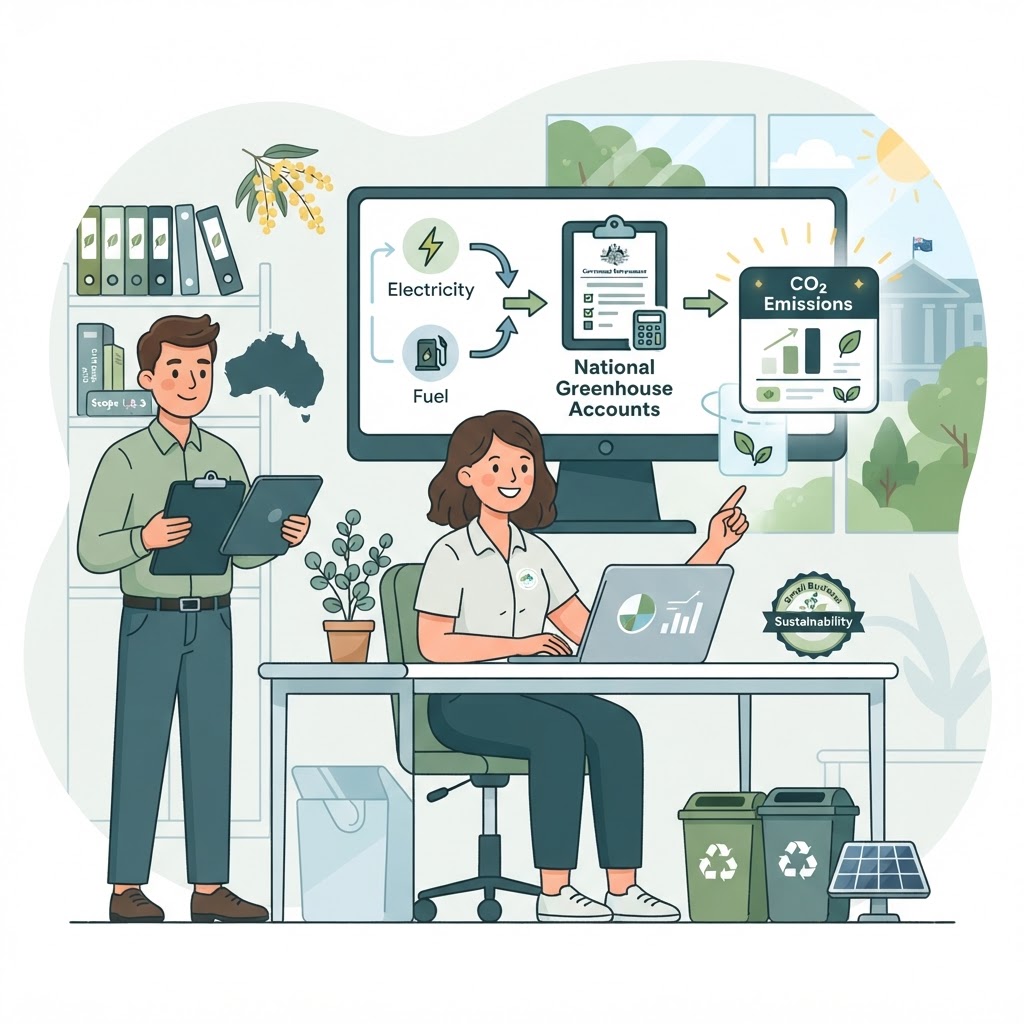
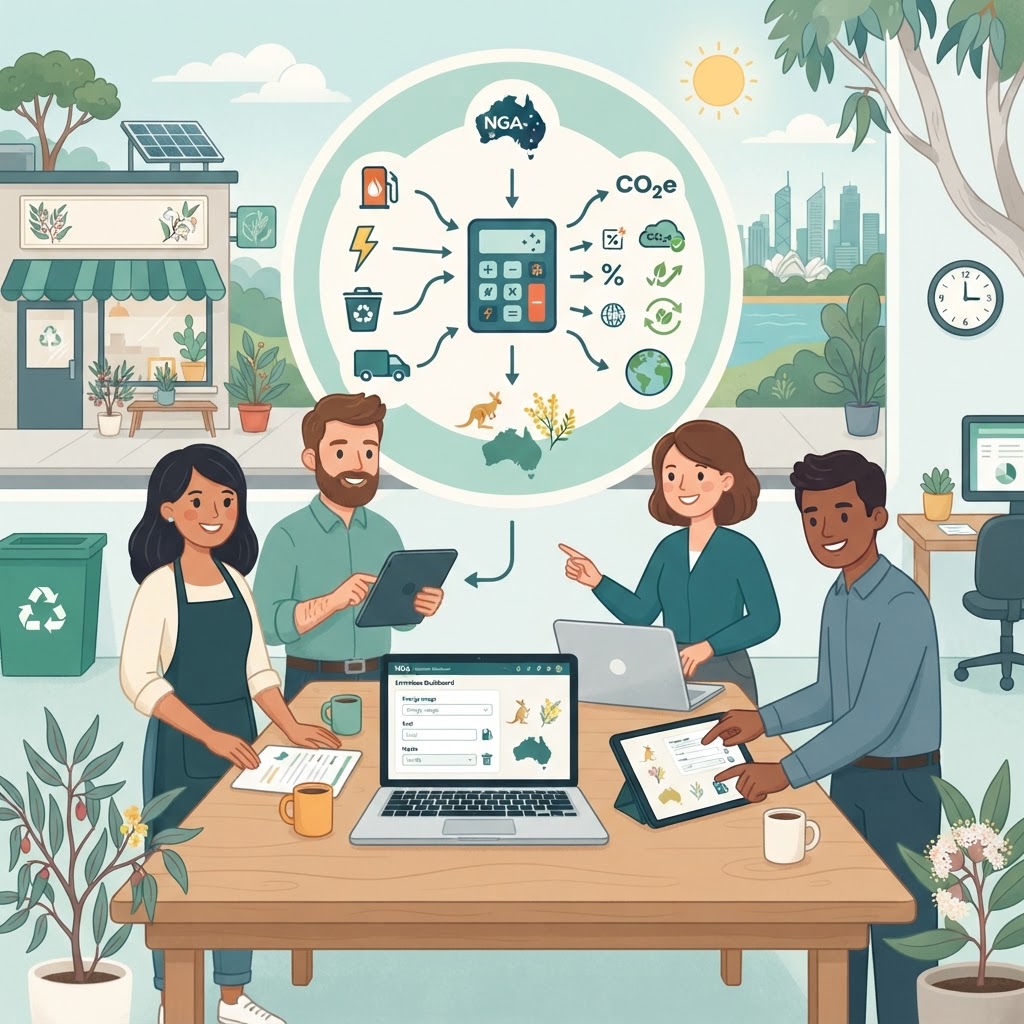
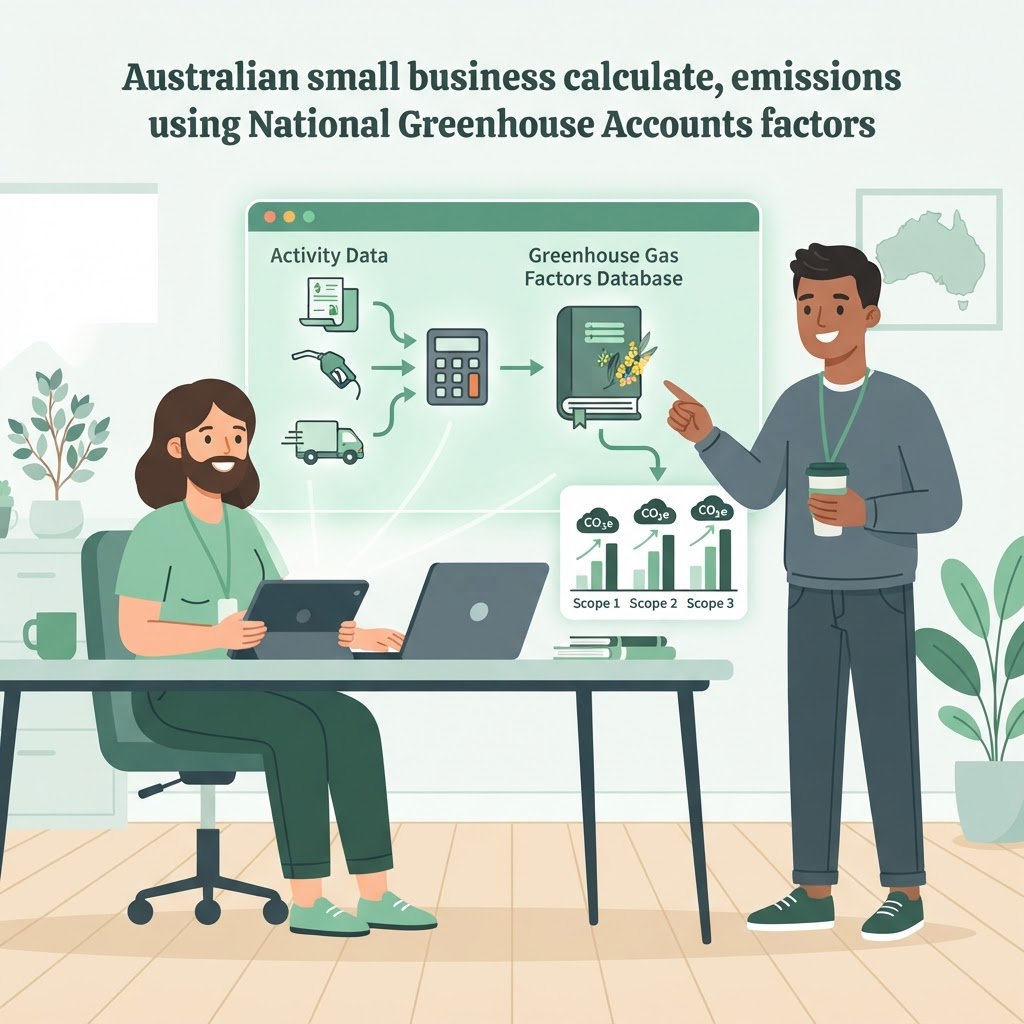
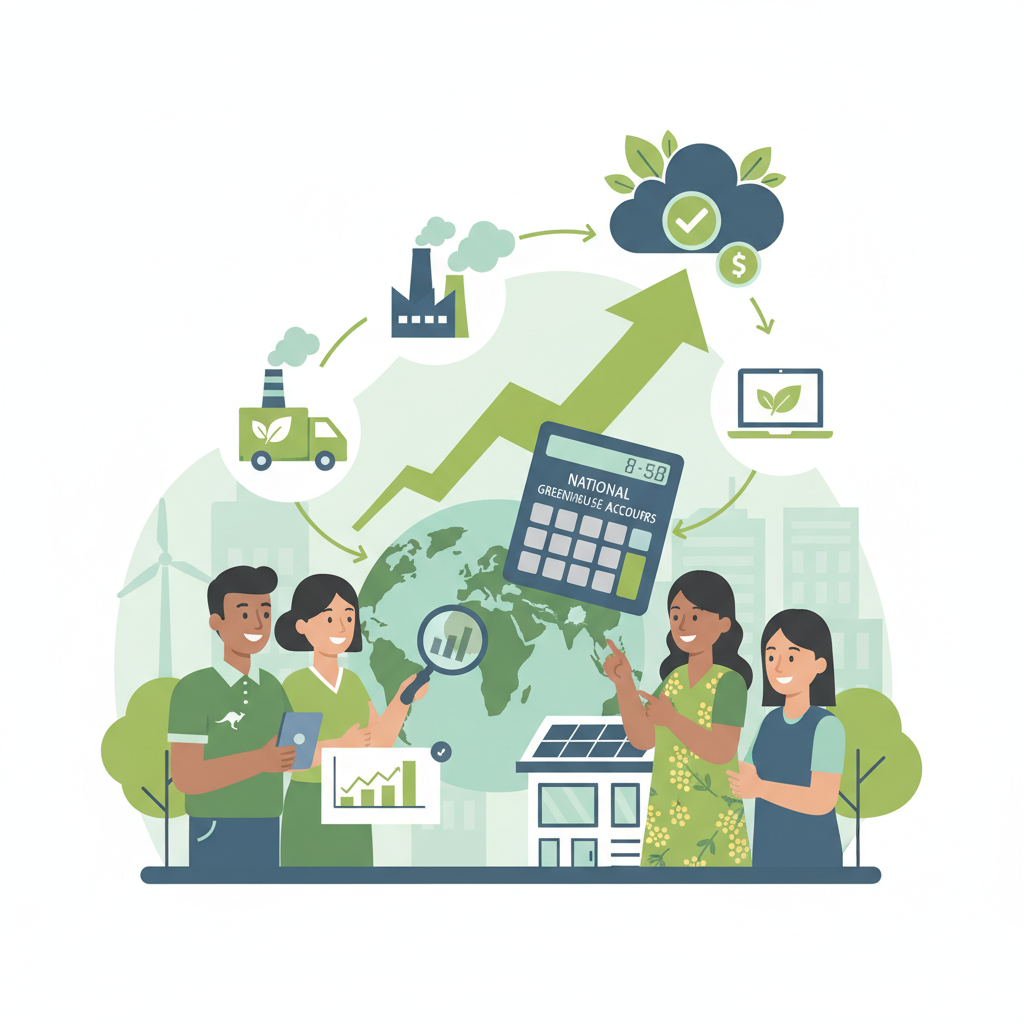
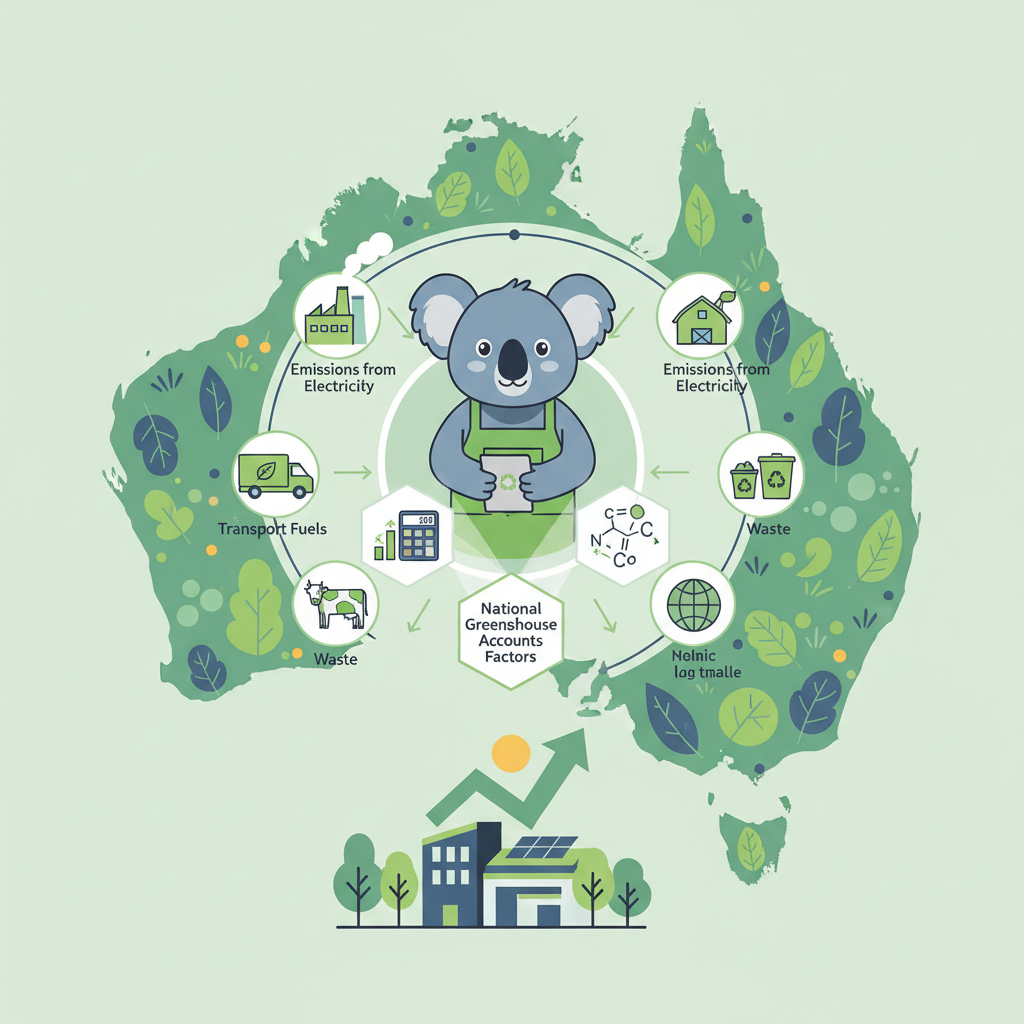
Learn how to use official National Greenhouse Accounts factors to build audit-ready emissions data for competitive Australian sustainability tenders.
Read blog
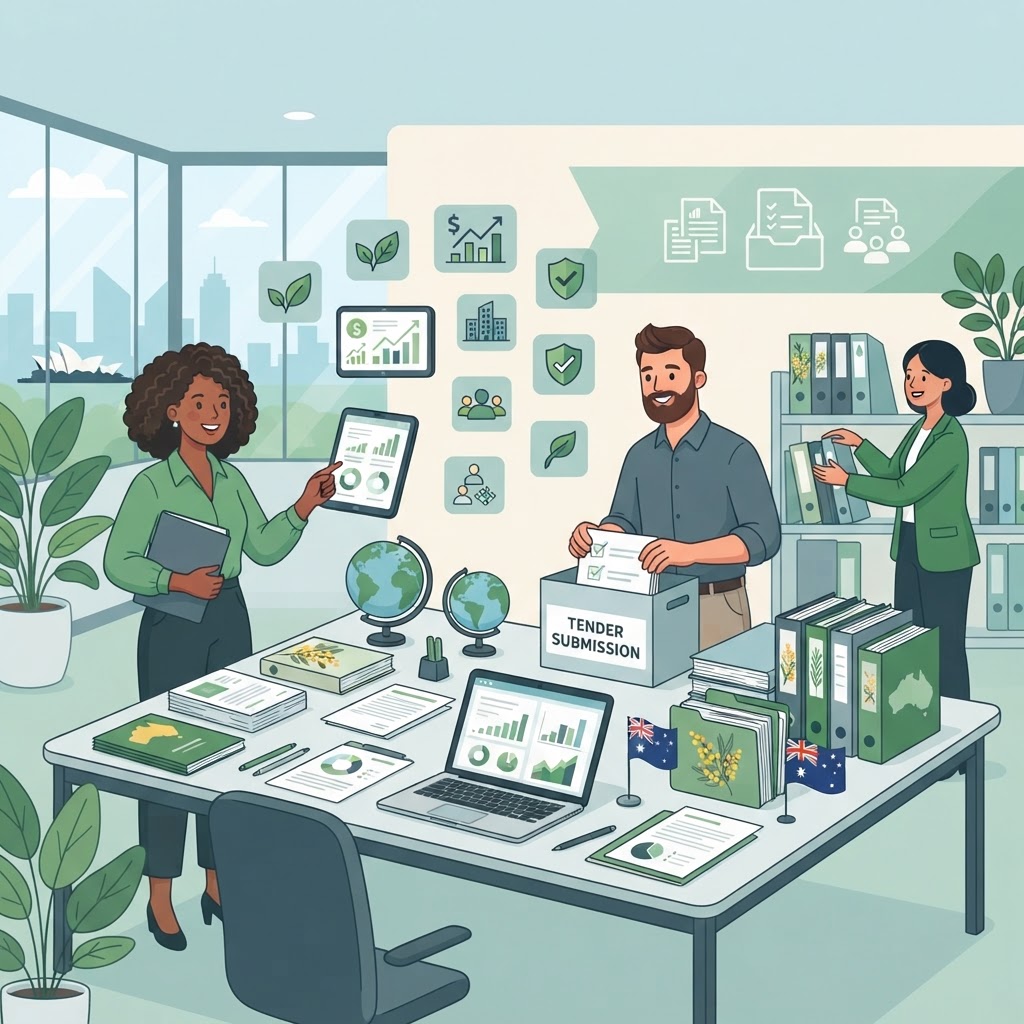
Streamline your next procurement bid by preparing the essential carbon documentation and data evidence required by enterprise buyers.
Read blog
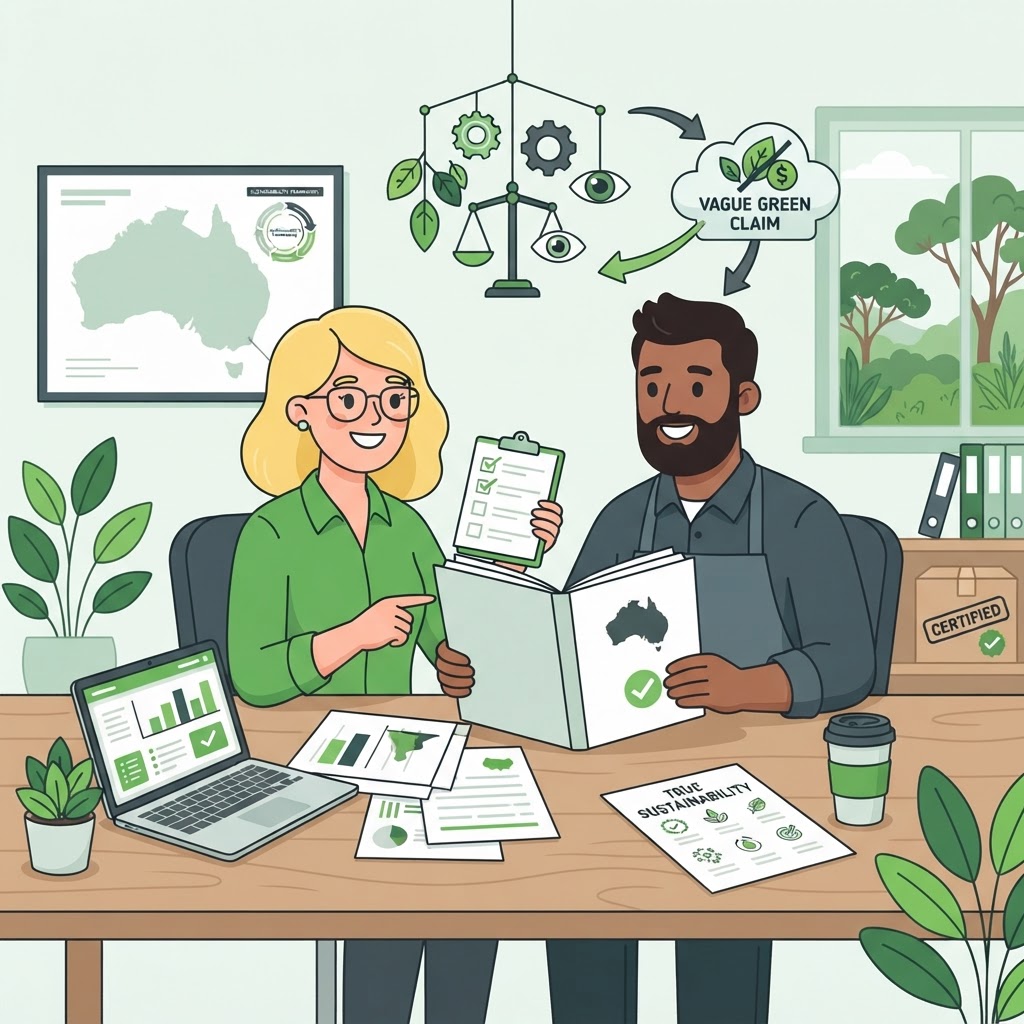
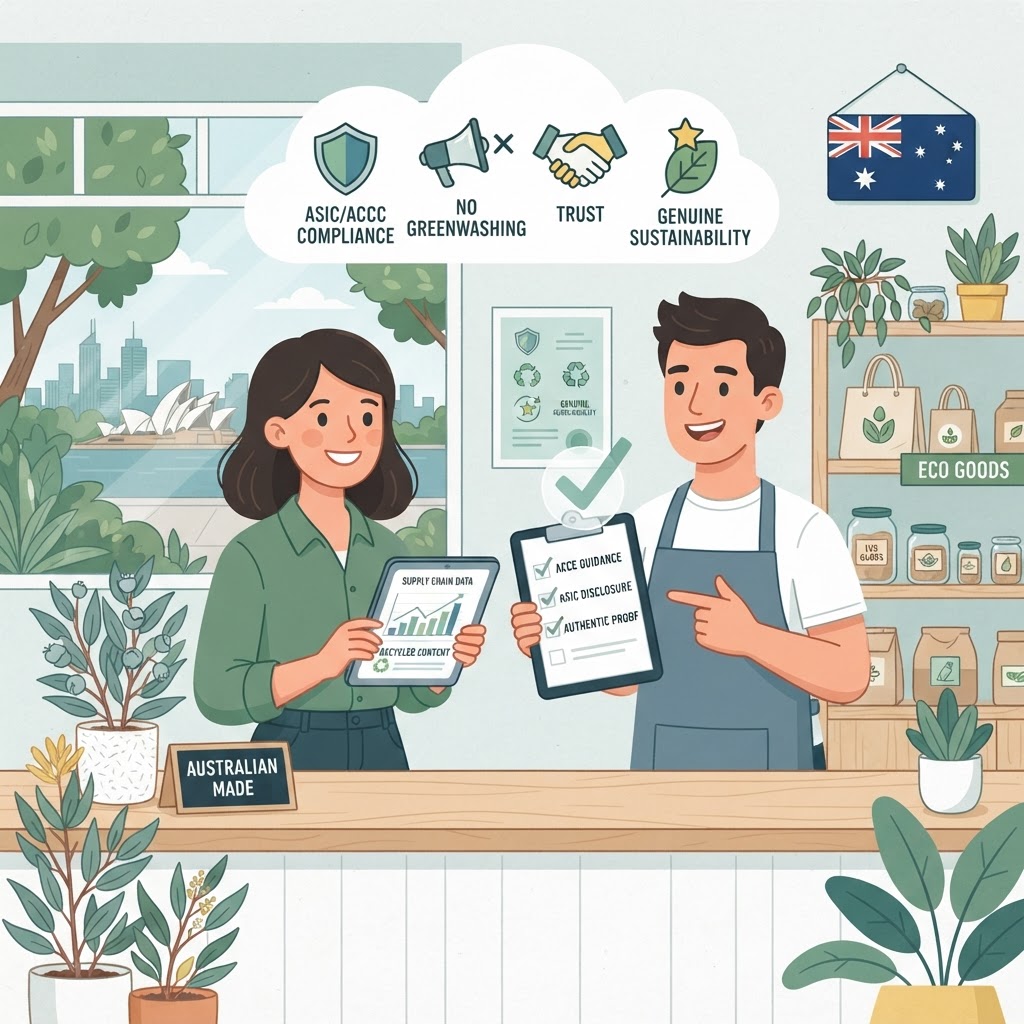
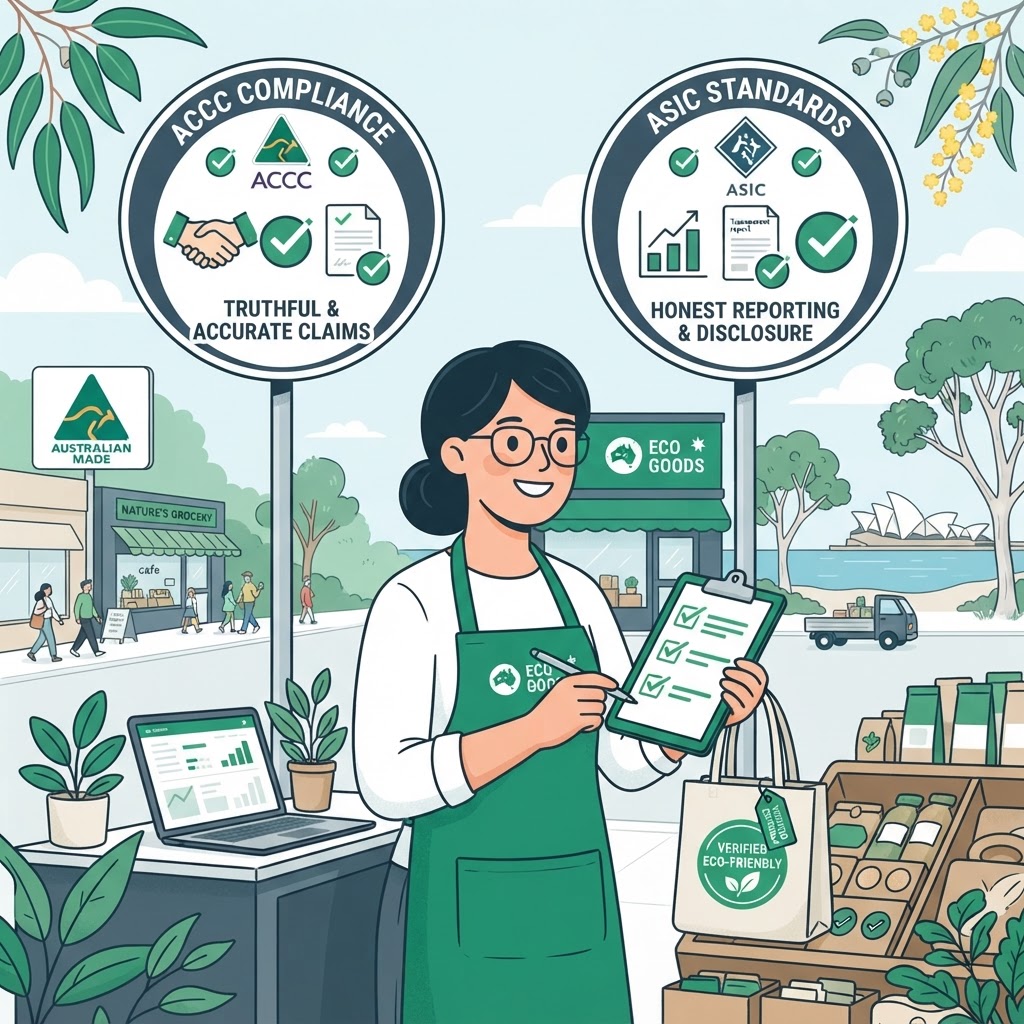
Learn how Australian SMEs can safeguard their reputation and win contracts by aligning sustainability reporting with ACCC and ASIC expectations.
Read blog
Discover how Australian SMEs can build a rigorous, evidence-backed foundation for sustainability tenders by mastering data integrity and reporting transparency.
Read blog
Navigating the complexities of Scope 1, 2, and 3 emissions is essential for Australian SMEs looking to win procurement contracts through credible sustainability reporting.
Read blog
Discover how the AASB S2 climate disclosure standards impact Australian SMEs and why precision in carbon accounting is now a prerequisite for winning government and enterprise contracts.
Read blog
Discover the rigorous validation methods major Australian buyers use to audit SME sustainability claims and how you can prepare to pass.
Read blog
Learn how Australian SMEs can leverage National Greenhouse Accounts factors to build audit-ready, evidence-based emissions reports for high-value tenders.
Read blog
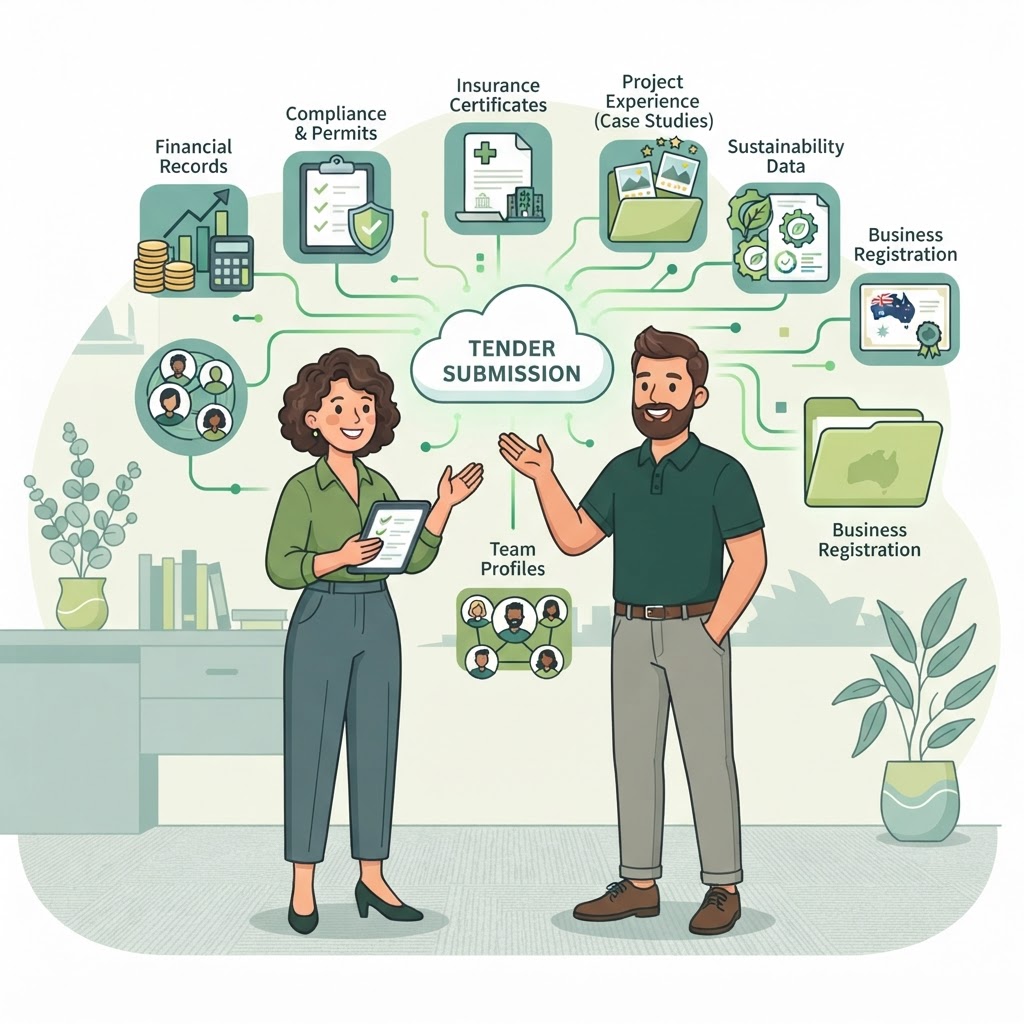
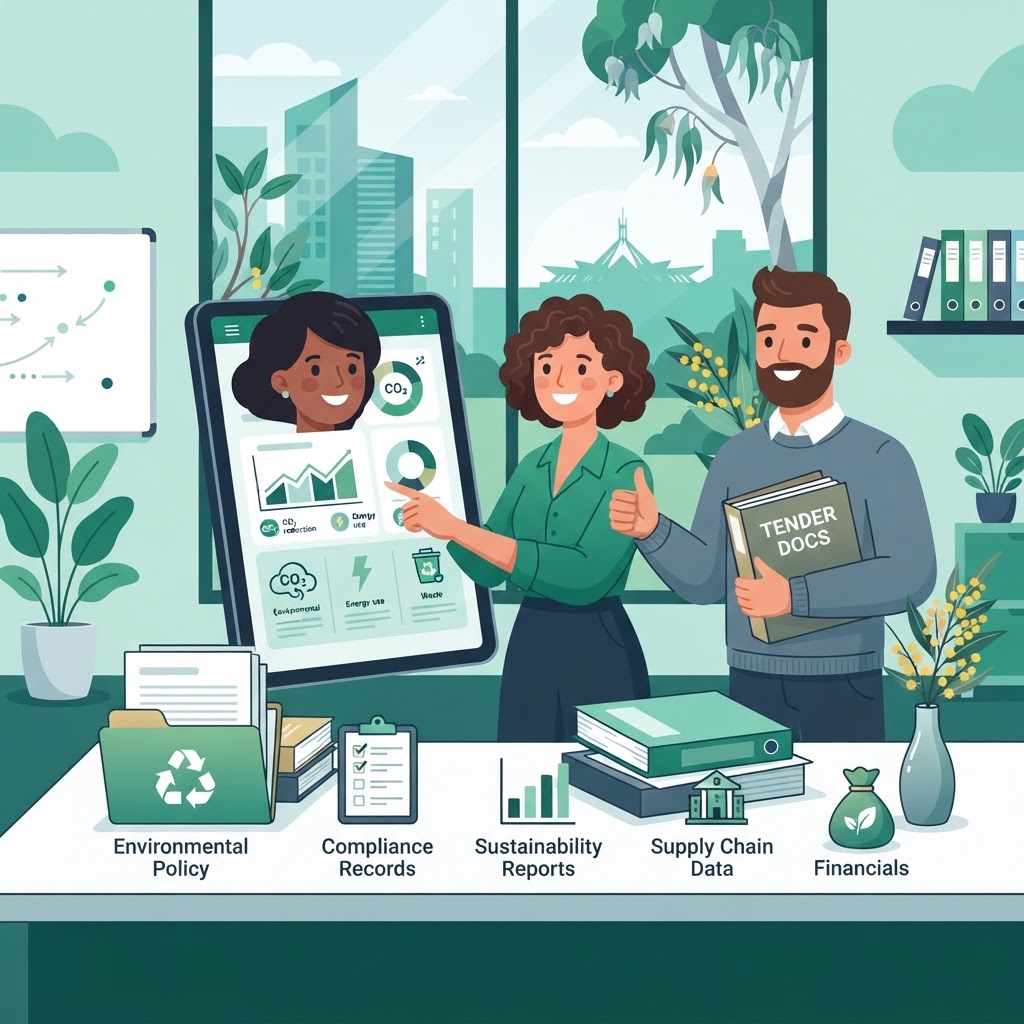
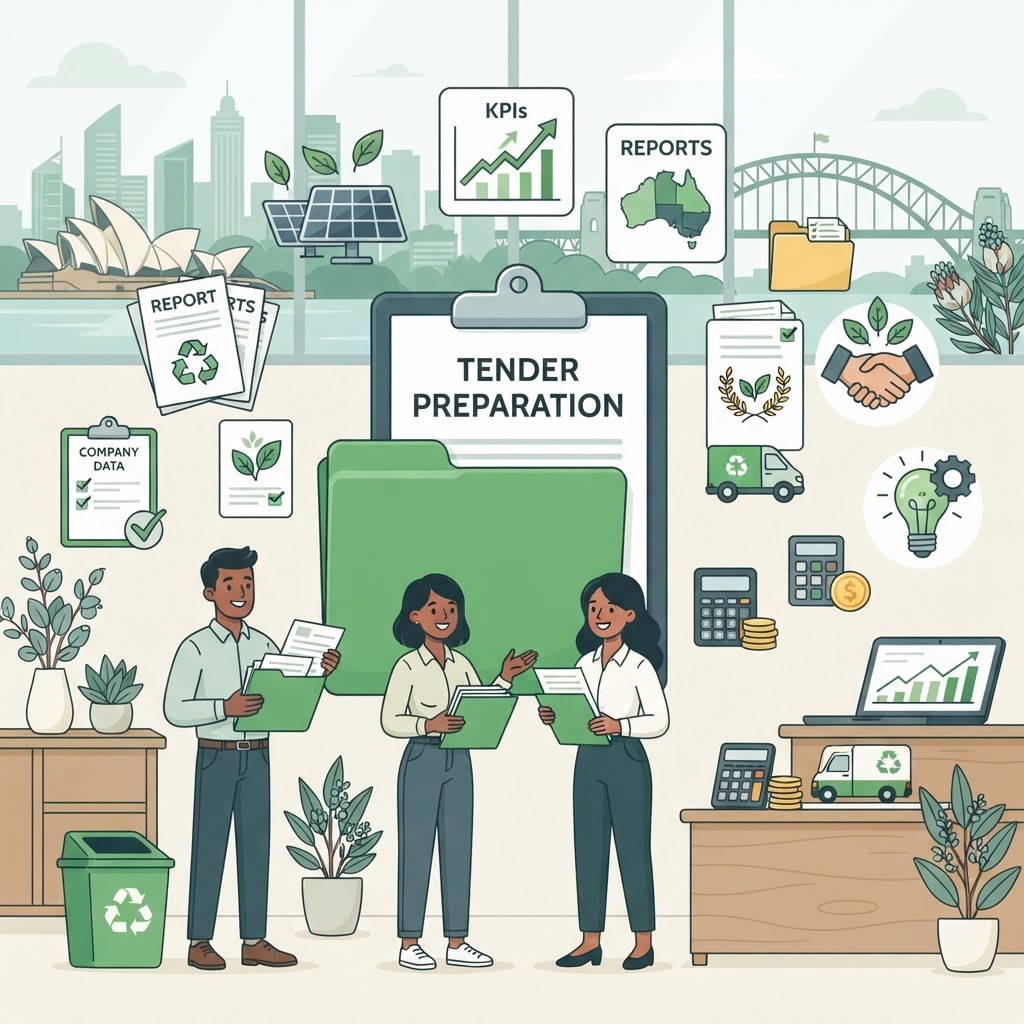
Preparing for a sustainability tender requires more than just good intentions; it demands an evidence-based repository of carbon data and operational documentation.
Read blog
Learn how Australian SMEs can safeguard their procurement bids against greenwashing accusations by aligning carbon accounting with ACCC and ASIC expectations.
Read blog
Learn how Australian SMEs can transform their emissions data into a competitive advantage to secure major government and enterprise contracts.
Read blog
Mastering the complexities of Scope 1, 2, and 3 emissions is no longer optional for Australian SMEs looking to secure major contracts in an increasingly sustainability-conscious market.
Read blog
While AASB S2 primarily targets large entities, the ripple effect on Australian SMEs means that precise emissions reporting is now a non-negotiable requirement for winning major supply chain contracts.
Read blog
Discover the rigorous criteria Australian enterprise buyers use to assess SME sustainability credentials and how to ensure your carbon data stands up to scrutiny.
Read blog
Discover how Australian SMEs can use the latest National Greenhouse Accounts factors to build credible, evidence-backed sustainability tender responses.
Read blog
Streamline your next tender submission by gathering the essential carbon data and evidence-backed documentation Australian SMEs need to win.
Read blog
Learn how Australian SMEs can align with ACCC and ASIC expectations by building evidence-backed sustainability tender responses that avoid greenwashing pitfalls.
Read blog
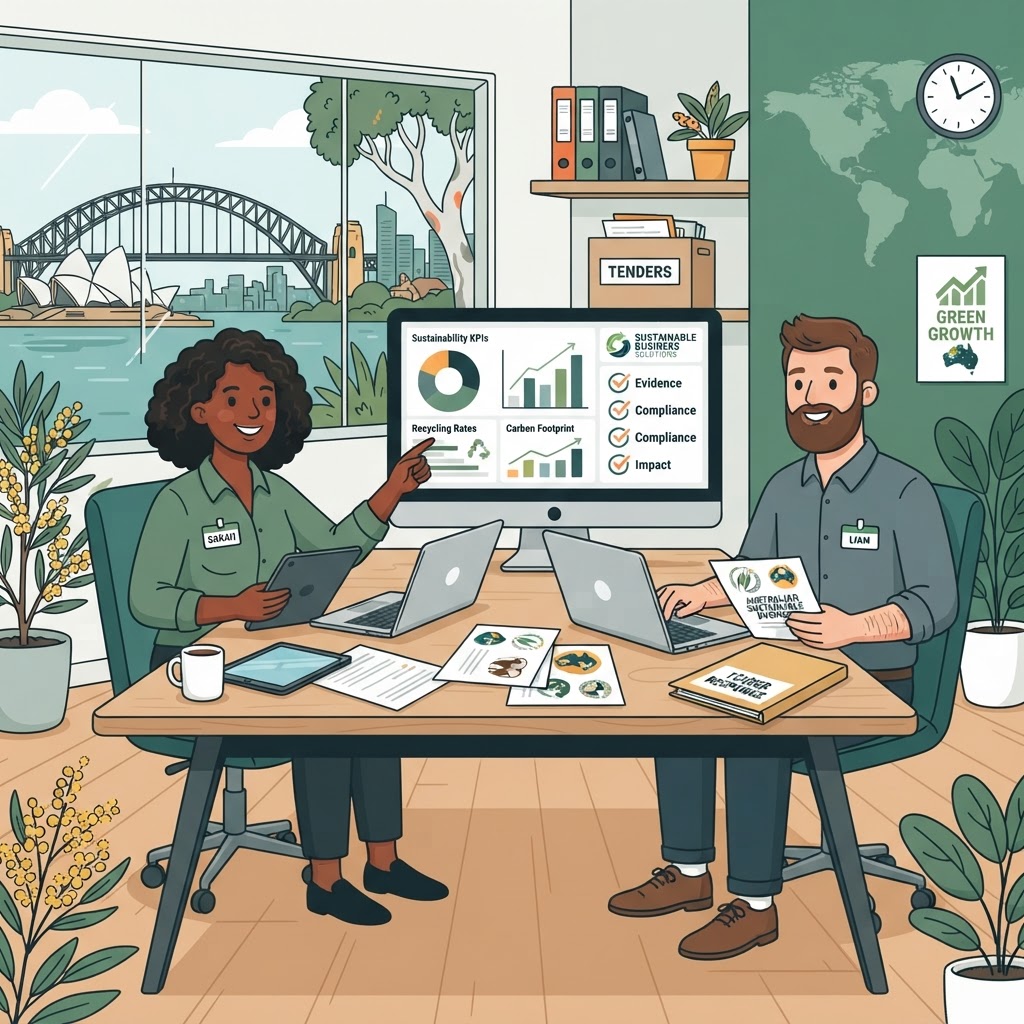
Elevate your Australian SME's tender competitiveness by mastering the art of crafting evidence-backed sustainability responses, moving beyond claims to verifiable impact.
Read blog
Learn how to demystify carbon classifications to build accurate, defensible sustainability reports that help your SME win more procurement contracts.
Read blog
While AASB S2 targets large entities, Australian SMEs are feeling the ripple effects as major buyers now demand high-integrity climate data.
Read blog
Discover the precise criteria major Australian buyers use to vet SME sustainability claims and how to turn your carbon accounting data into a competitive tender advantage.
Read blog
Learn how Australian SMEs can leverage National Greenhouse Accounts factors to build ironclad, evidence-backed sustainability tender responses.
Read blog
Prepare your SME for competitive procurement by auditing your carbon data and documentation before the tender deadline hits.
Read blog
Learn how Australian SMEs can align their sustainability disclosures with ACCC and ASIC expectations to win government and corporate tenders.
Read blog
Learn how to transform your carbon data into a competitive advantage for Australian procurement tenders by focusing on transparency and verifiable evidence.
Read blog
Demystify the complexities of Scope 1, 2, and 3 emissions to build competitive, evidence-backed sustainability tender responses for Australian SMEs.
Read blog
Discover how the AASB S2 climate disclosure standard creates a ripple effect for Australian SMEs in the procurement supply chain.
Read blog
Discover how large Australian buyers evaluate SME sustainability claims and how you can prepare evidence-backed tender responses that stand up to scrutiny.
Read blog
Discover how Australian SMEs can leverage National Greenhouse Accounts factors to build audit-ready, evidence-based emissions reports for high-stakes tenders.
Read blog
Streamline your next tender submission by gathering the precise environmental data required to prove your sustainability claims.
Read blog
Learn how Australian SMEs can safeguard their reputation and win tenders by aligning their carbon accounting with ACCC and ASIC expectations.
Read blog
Learn how Australian SMEs can leverage precision carbon accounting to transform sustainability tender responses from generic claims into evidence-backed competitive advantages.
Read blog
Demystify the complexities of carbon accounting with our breakdown of Scope 1, 2, and 3 emissions tailored for Australian SMEs preparing for sustainability tenders.
Read blog
While AASB S2 primarily targets large entities, Australian SMEs in their supply chains are feeling the pressure to provide high-quality climate data to remain competitive in procurement.
Read blog
Discover how large Australian buyers evaluate SME sustainability claims and what data you need to win tenders in an era of strict climate scrutiny.
Read blog
National Greenhouse Accounts factors provide the regulated methodology Australian SMEs need to produce defensible, evidence-backed emissions data for sustainability tenders.
Read blog
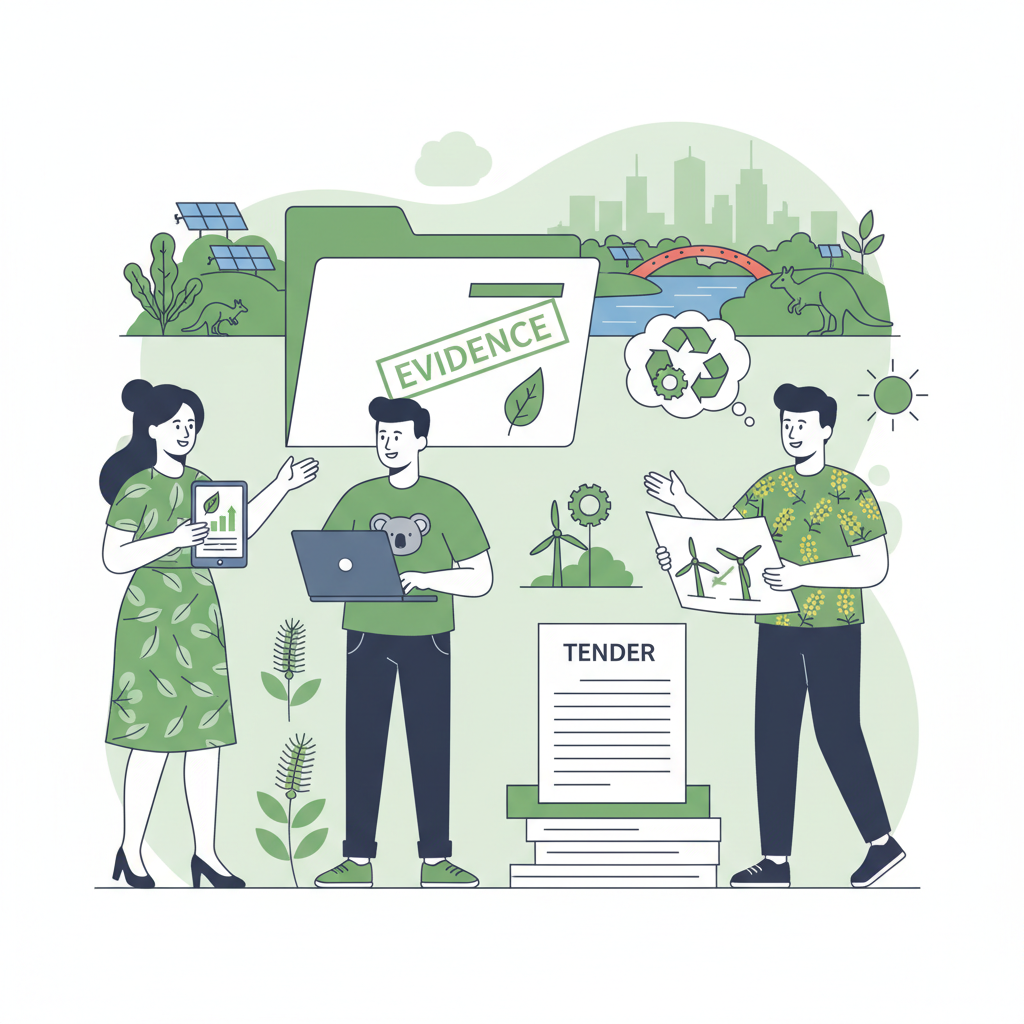
Australian SMEs can win more sustainability tenders by pre-assembling an evidence file of emissions data, methodology statements, and governance records.
Read blog
Discover strategies for Australian SMEs to avoid greenwashing and ensure compliance in sustainability initiatives.
Read blog
Empower your small business with evidence-backed sustainability tender responses that shine in competitive procurement processes.
Read blog
Learn how understanding Scope 1, 2, and 3 emissions can enhance sustainability responses for SMEs in Australia.
Read blog
Explore how AASB S2 affects Australian SMEs in carbon accounting and sustainability tenders.
Read blog
Understanding how large buyers assess sustainability credentials is vital for SMEs aiming for impactful tender responses.
Read blog
Learn how Australian SMEs can leverage National Greenhouse Accounts factors to enhance emissions reporting for sustainability tenders.
Read blog
A guide for Australian SMEs on the vital documents and data to collect before responding to sustainability tenders.
Read blog
Learn how Australian SMEs can meet ACCC and ASIC expectations while avoiding greenwashing in sustainability tenders.
Read blog
A guide for SMEs on crafting evidence-backed sustainability tender responses that meet Australian standards.
Read blog
A guide for Australian SMEs on how to navigate Scope 1, 2, and 3 emissions for effective sustainability reporting.
Read blog
Understanding AASB S2 is crucial for Australian SMEs to excel in sustainability tenders.
Read blog
Discover how large buyers assess sustainability credentials and what SMEs need to know for competitive advantage in procurement.
Read blog
Discover how Australian SMEs can accurately calculate emissions using National Greenhouse Accounts factors to enhance sustainability tender responses.
Read blog
Ensure your SME is prepared for sustainability tenders with this essential document checklist.
Read blog
Learn how Australian SMEs can avoid greenwashing and adhere to ACCC and ASIC guidelines in sustainability tenders.
Read blog
Learn how Australian SMEs can effectively prepare evidence-backed sustainability tender responses to enhance their procurement outcomes.
Read blog
Unlock the essentials of Scope 1, 2, and 3 emissions and their significance for SMEs in the sustainability tender landscape.
Read blog
Explore what AASB S2 climate disclosure means for SMEs navigating sustainability compliance in Australia.
Read blog
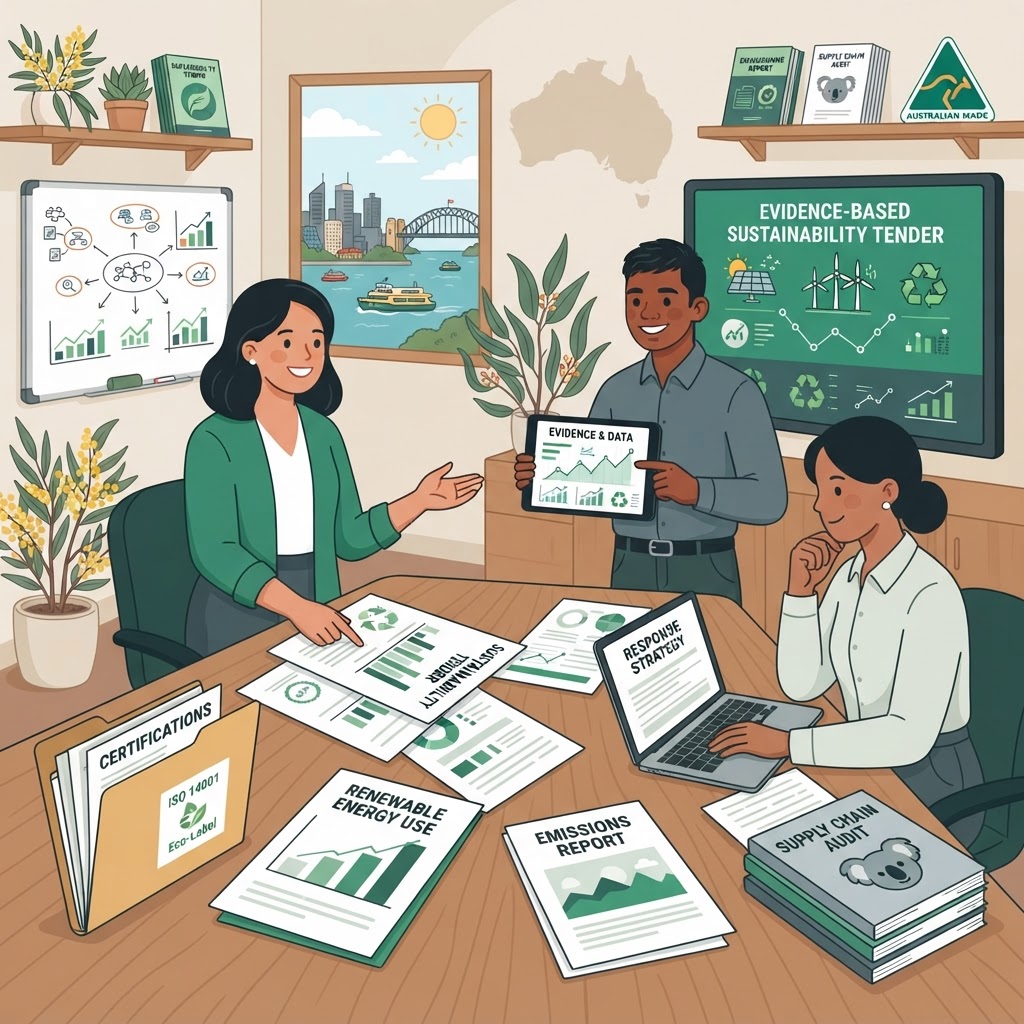
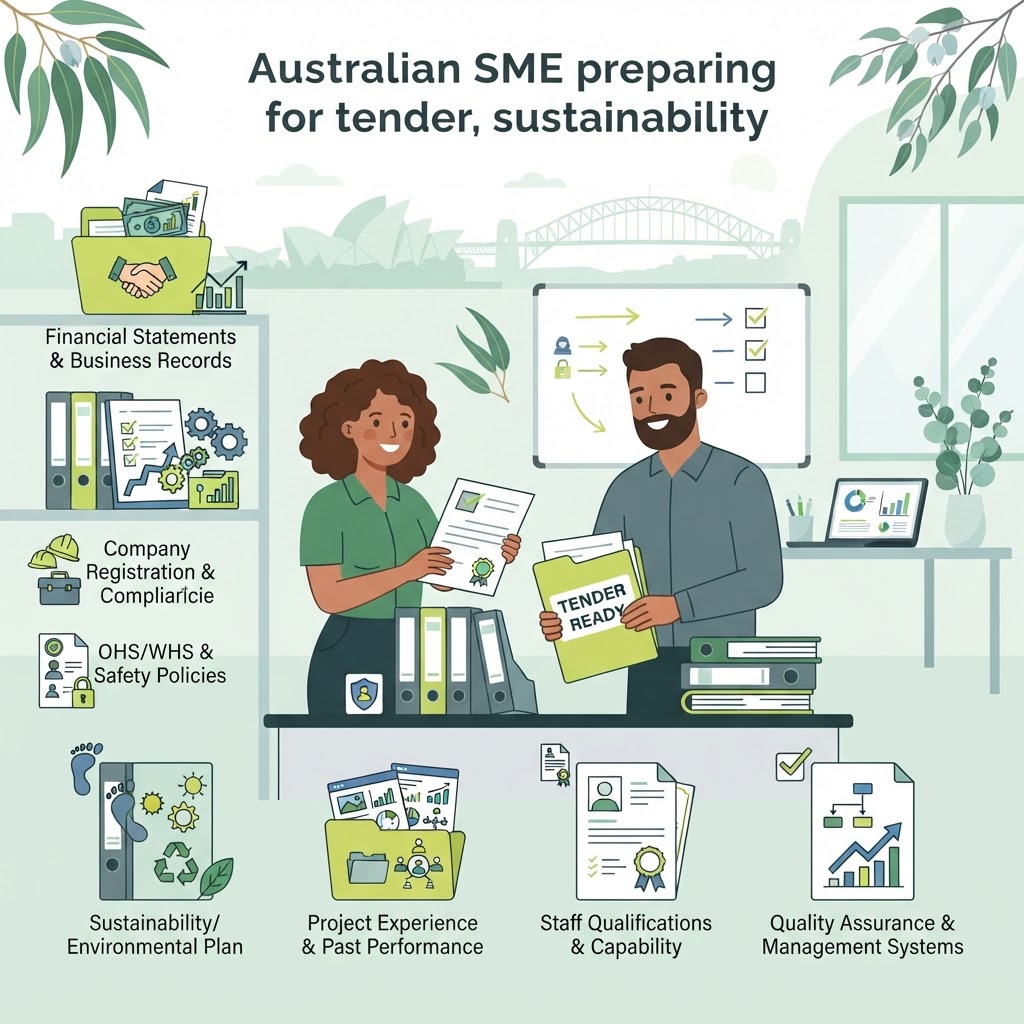
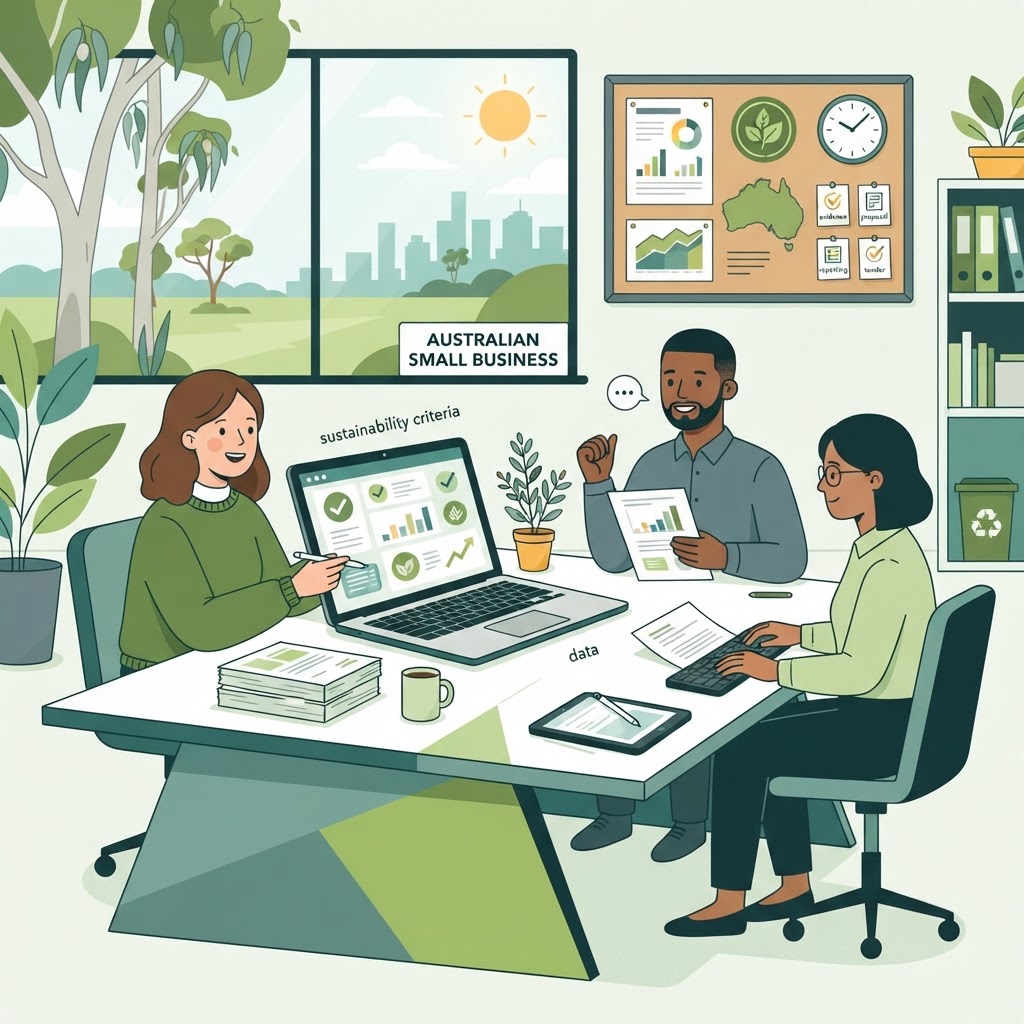
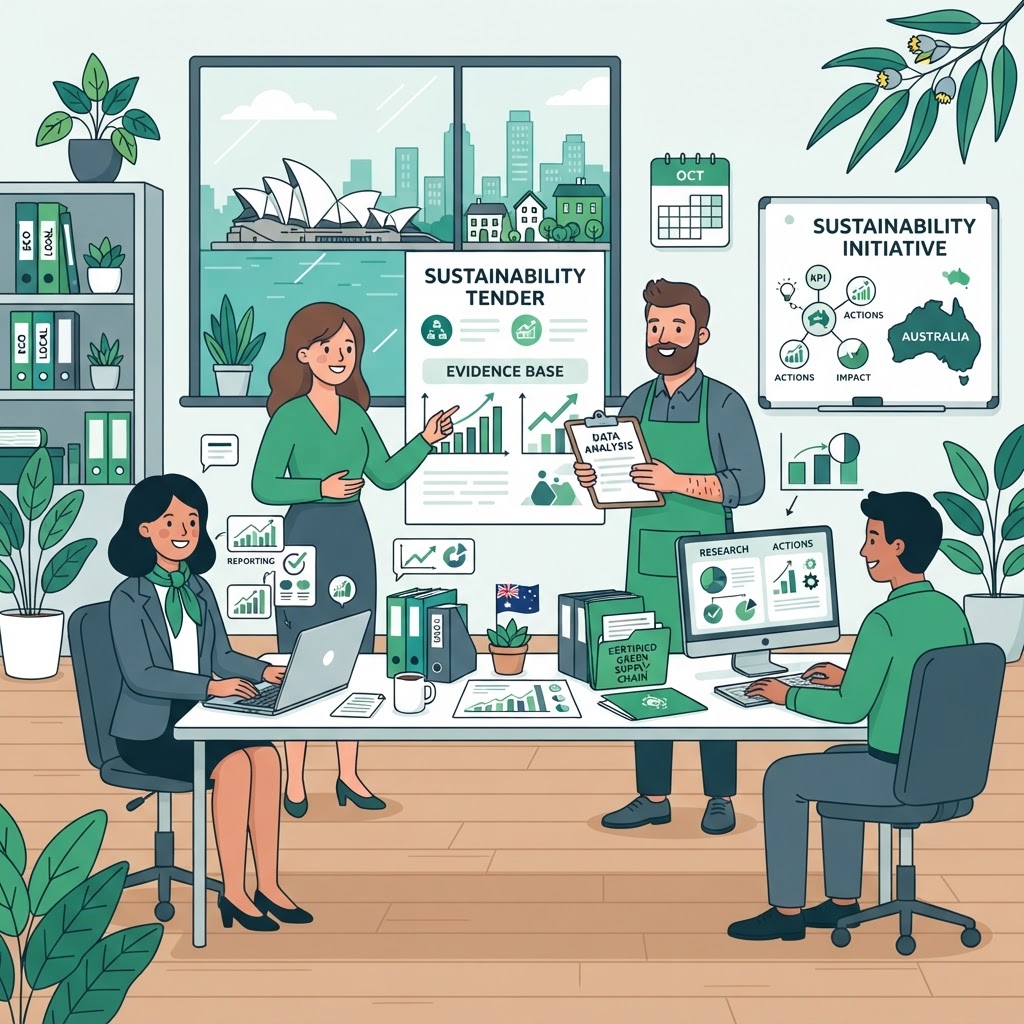
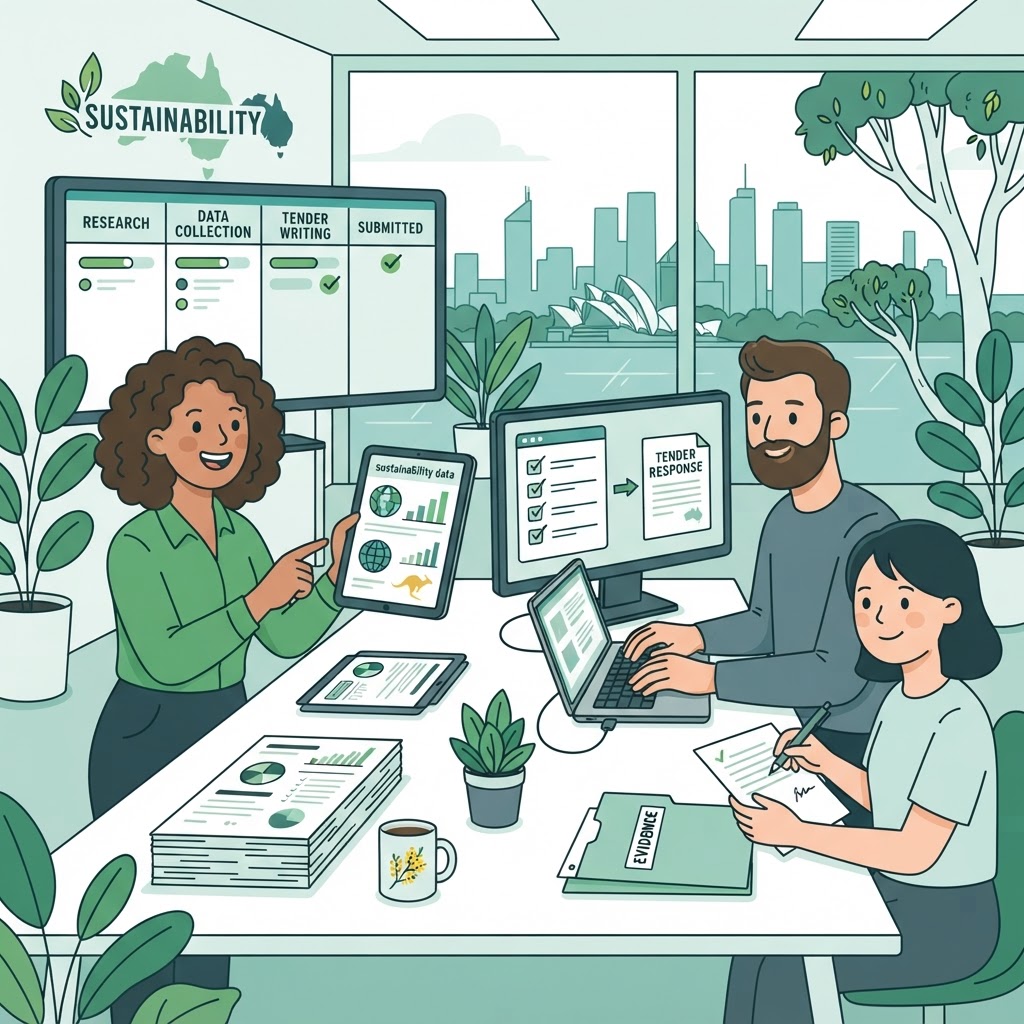
Winning a sustainability tender is less about polished promises and more about provable evidence. For Australian SMEs, the gap between a strong bid and a forgettable one often comes down to the documents and data sitting behind the response — the emissions inventories, methodology statements, and governance records that show you can back up your claims. Building a structured sustainability file before the tender opens means you can respond quickly, accurately, and with confidence.
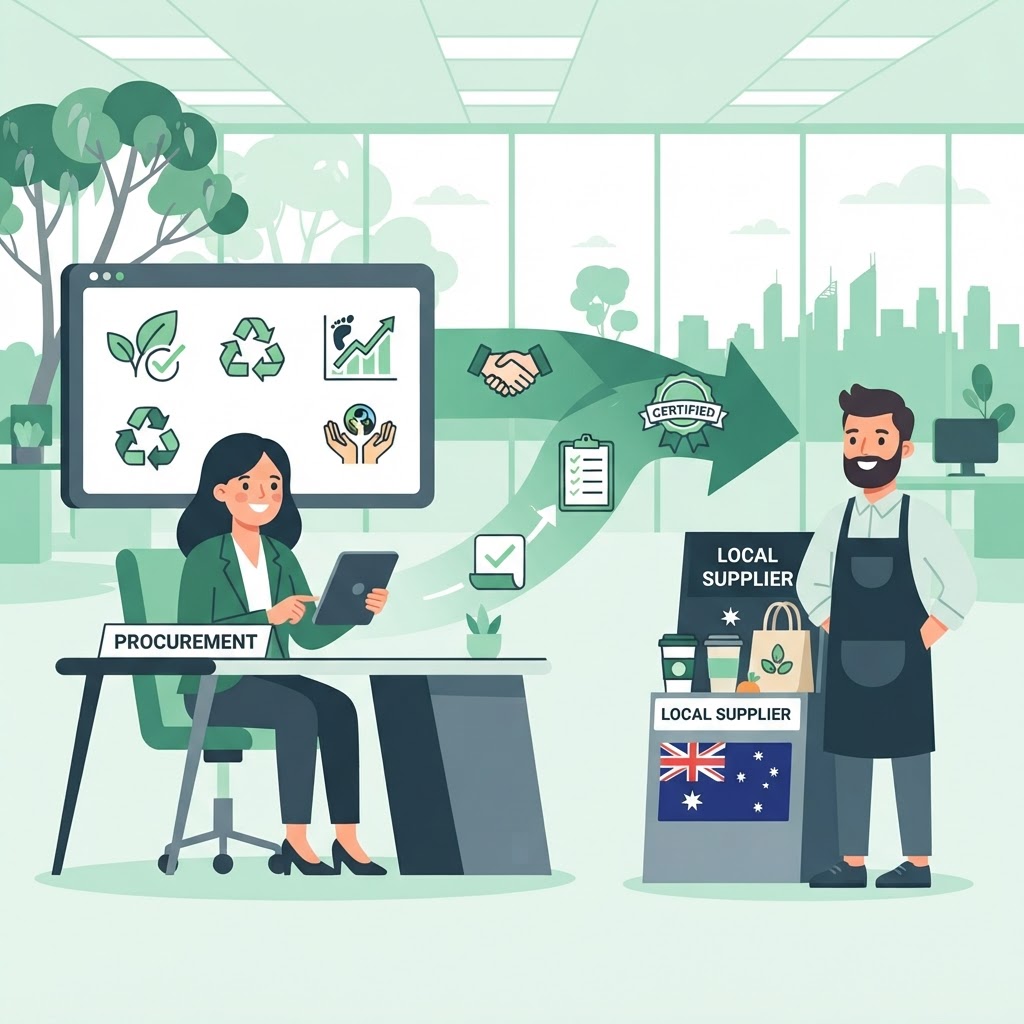
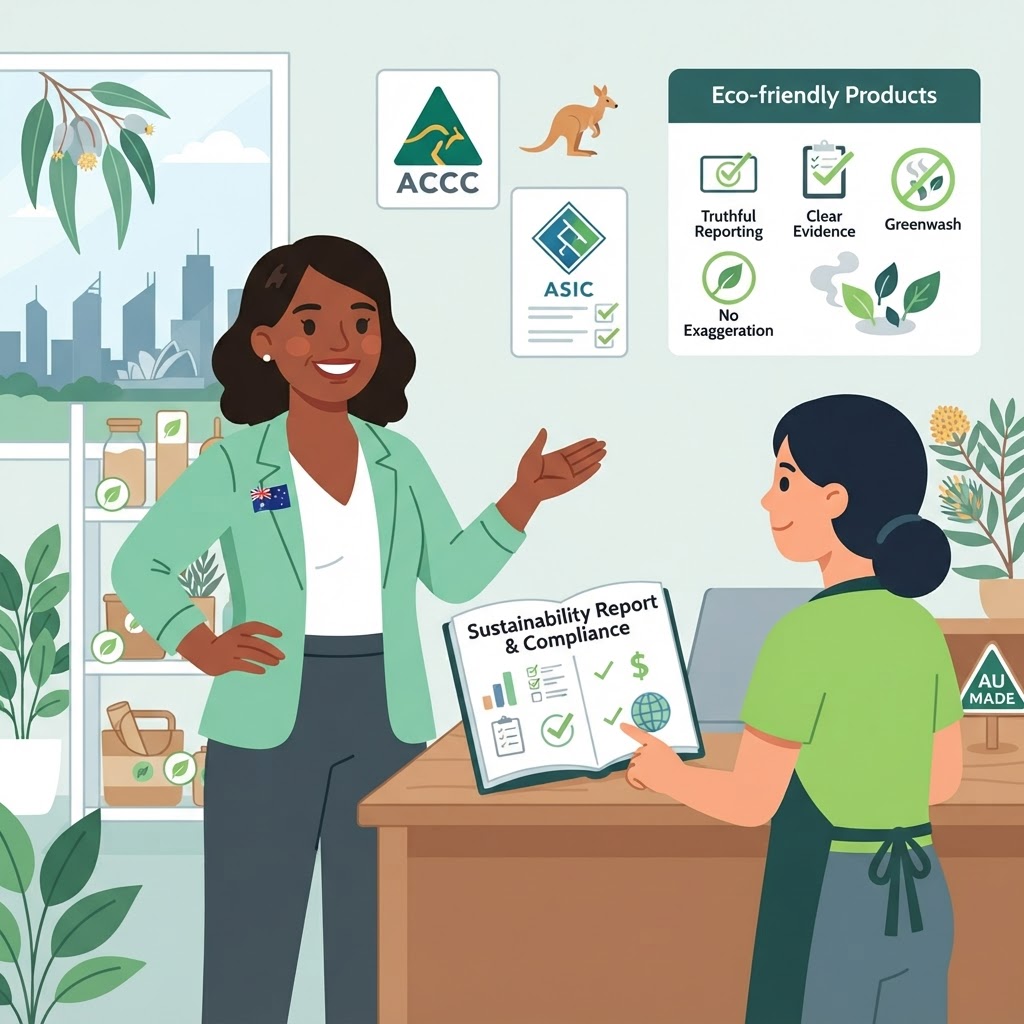
Procurement teams are under increasing pressure to verify sustainability credentials rather than take them at face value. The ACCC's emphasis on truthful environmental marketing, combined with ASIC's guidance in INFO 271 on avoiding misleading sustainability claims, means buyers are wary of unsubstantiated assertions. When a buyer asks for evidence, an SME that can immediately produce a methodology-aligned emissions report and supporting documents signals reliability.
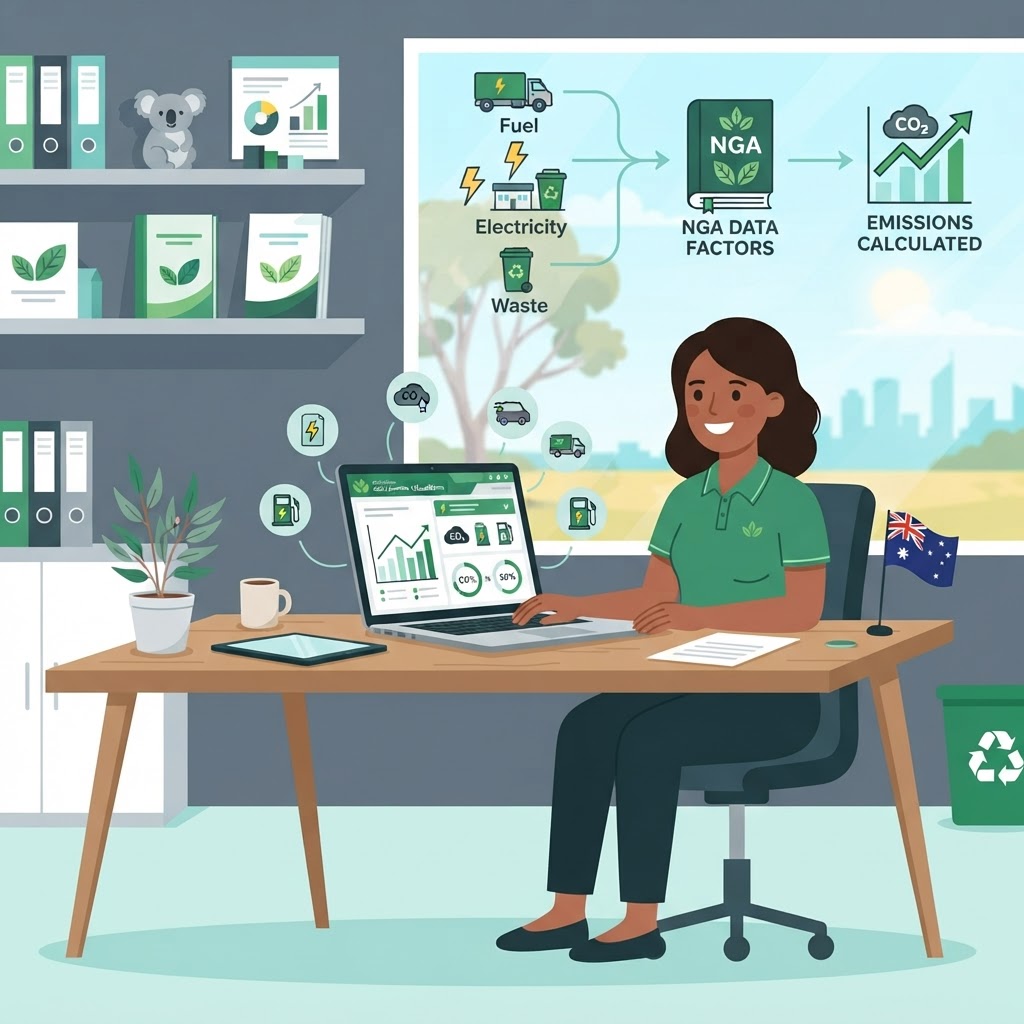
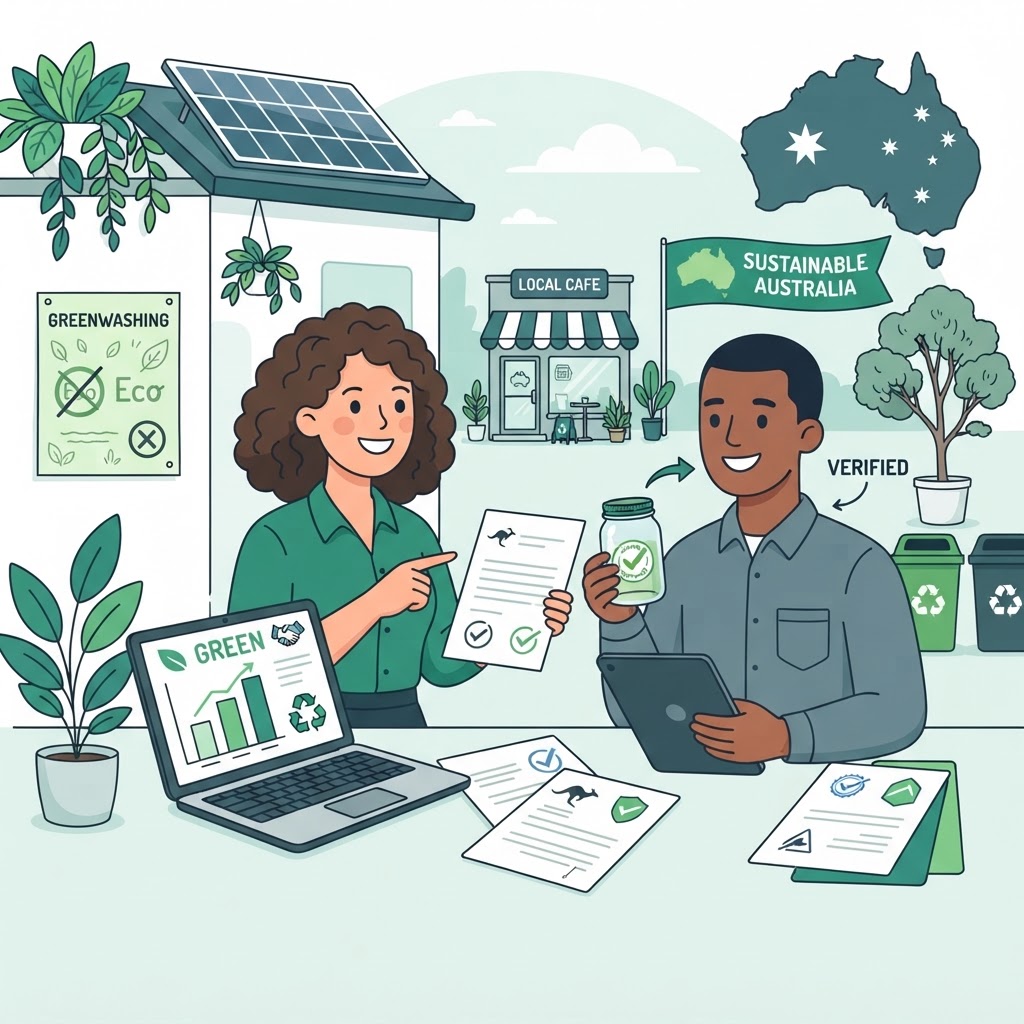
A pre-assembled file also reduces the risk of greenwashing. Instead of crafting vague statements under time pressure, your team can draw from verified data — emissions calculated using National Greenhouse Accounts (NGA) factors, governance approvals, and supplier records — and present a coherent, defensible narrative.
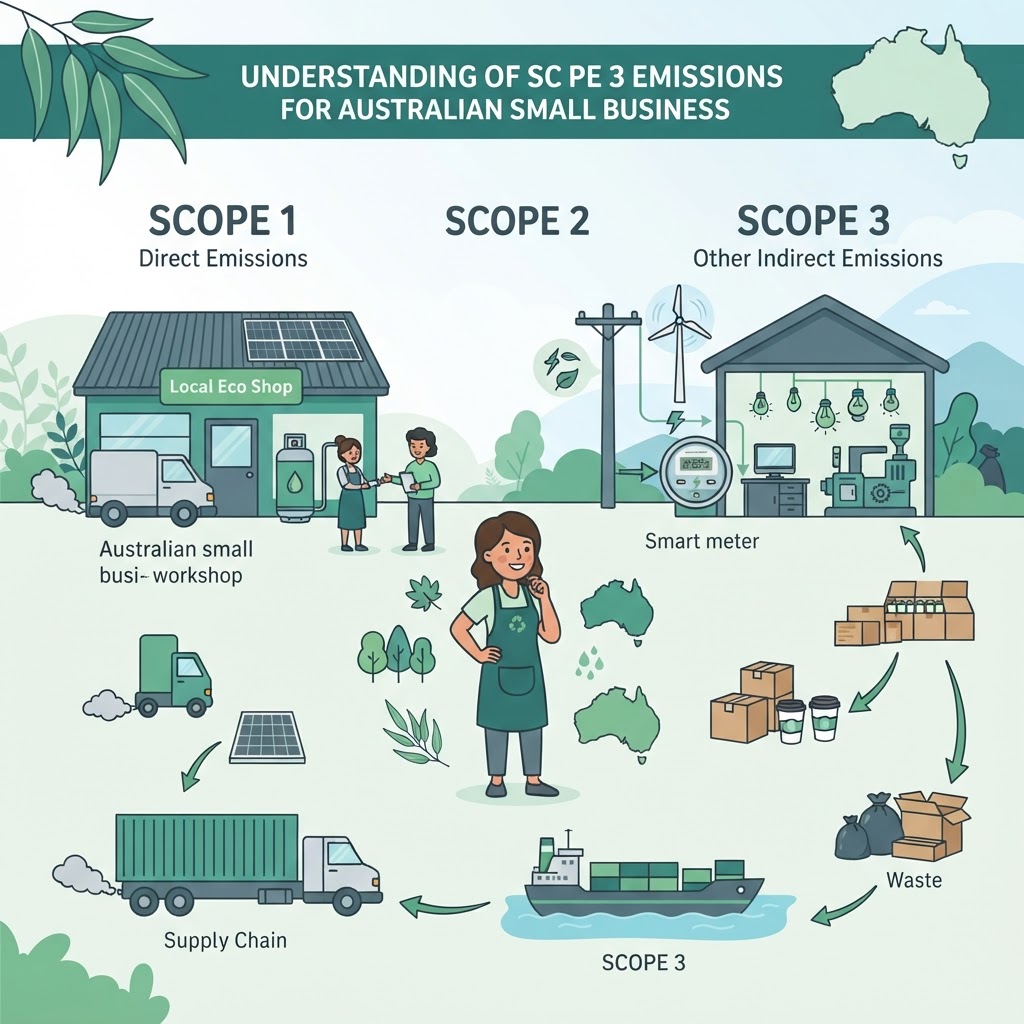
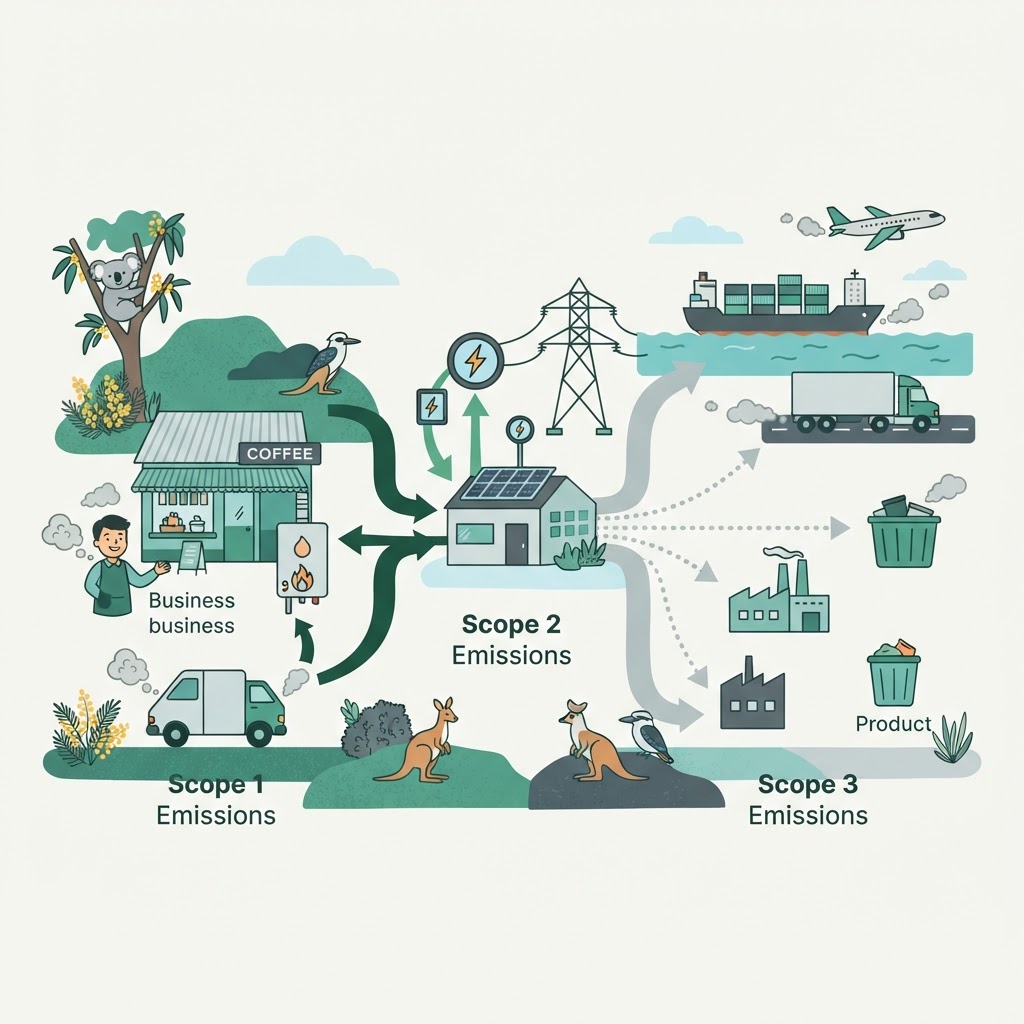
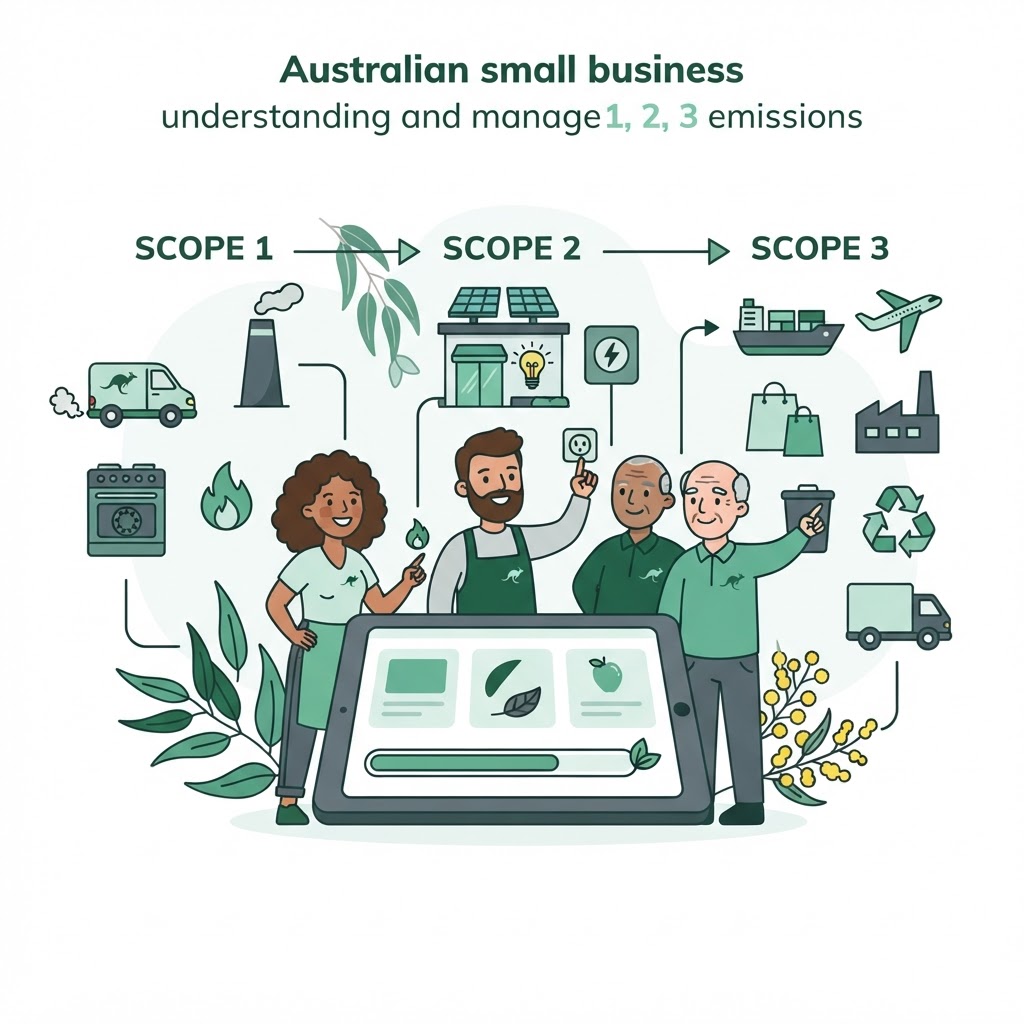
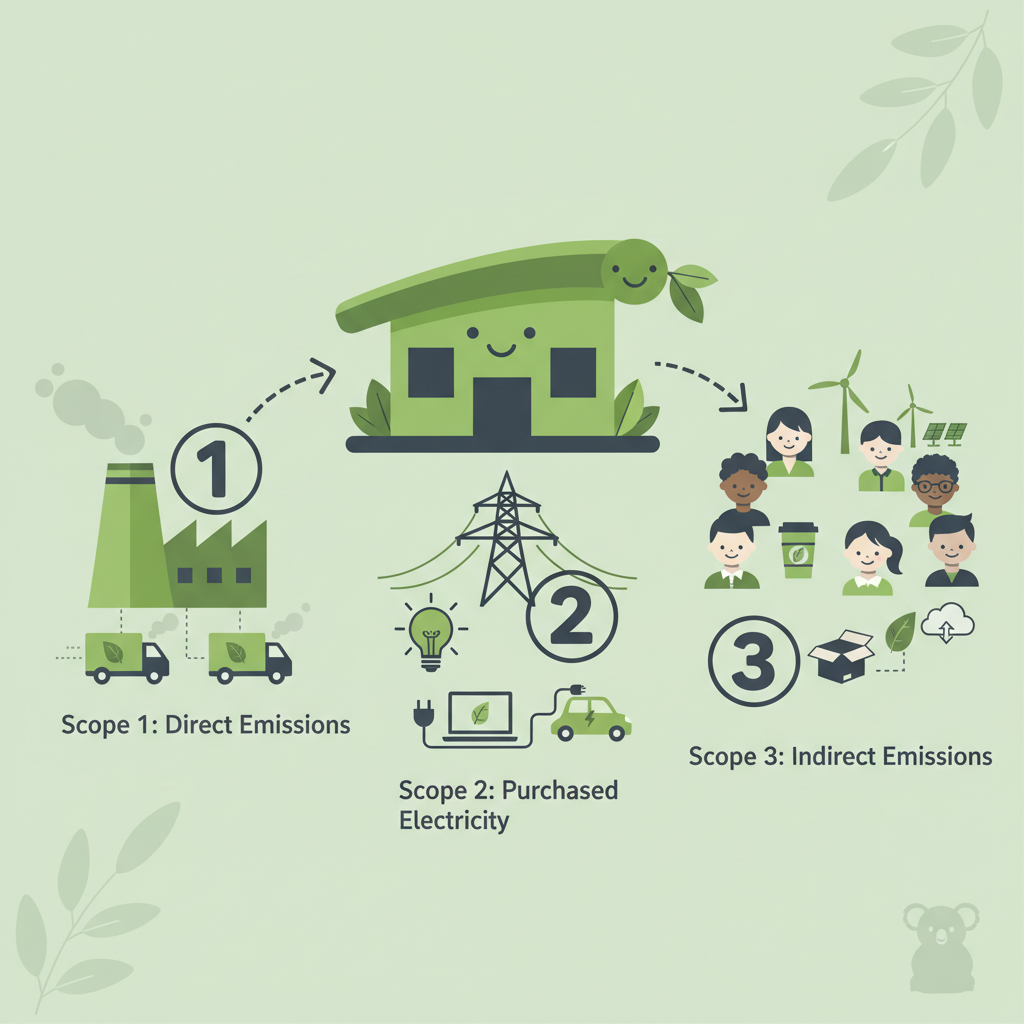
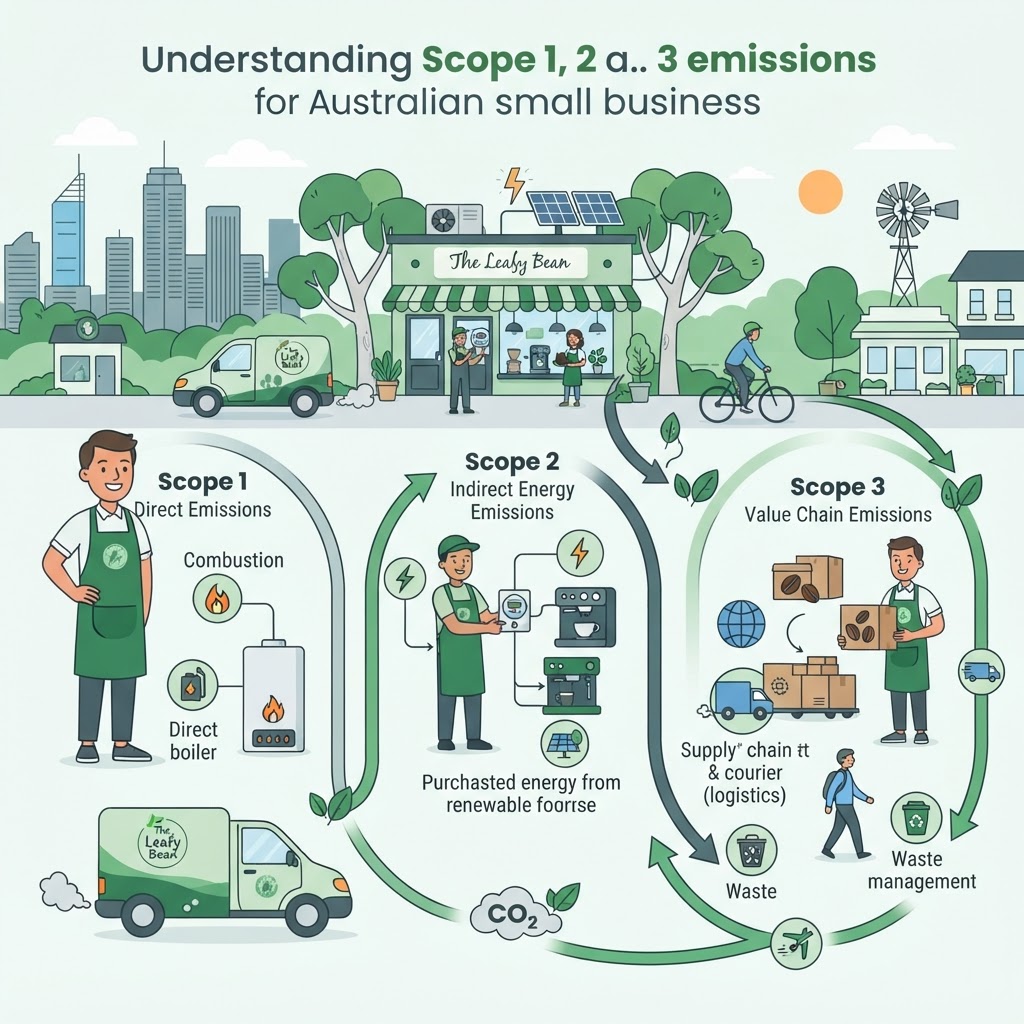
At the heart of any sustainability tender is a complete emissions inventory. This means gathering 12 months of activity data across Scope 1 (direct fuel combustion), Scope 2 (purchased electricity), and Scope 3 (value chain emissions such as business travel, waste, and purchased goods and services). For Australian SMEs, Scope 3 is often the largest and least understood category, yet it is increasingly scrutinised under AASB S2 climate disclosure expectations.
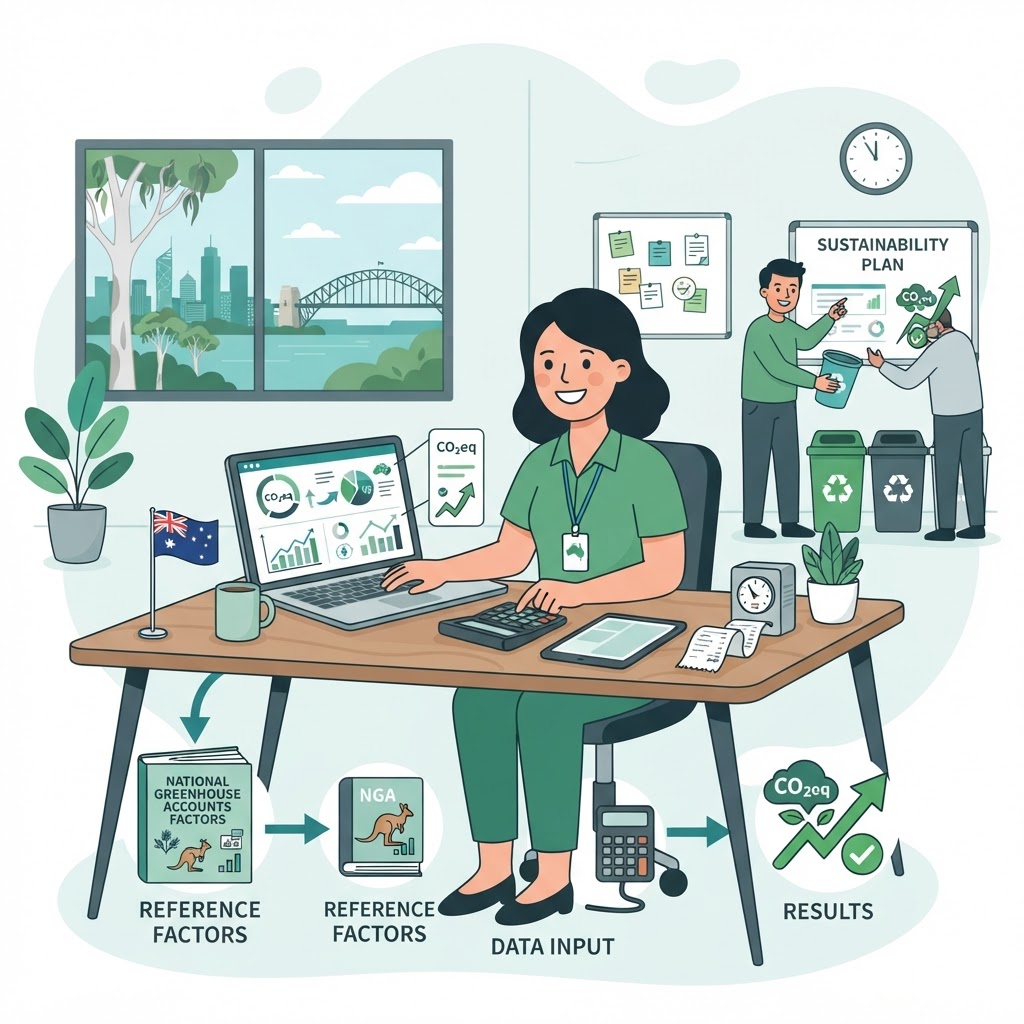
Your inventory should include raw activity data (kilowatt-hours, litres of fuel, kilometres travelled), the emissions factors applied (preferably NGA factors published by the Department of Climate Change, Energy, the Environment and Water), and the resulting tonnes of CO₂-e. Retain the underlying bills and records — these are the evidence layer that procurement teams and auditors may request.
A carbon accounting platform like ScopeTrack can streamline this by structuring data collection, applying NGA factors automatically, and producing audit-ready outputs that align with how procurement teams evaluate suppliers.
Numbers alone are not enough. Buyers want to understand how you arrived at them. Include a written methodology statement that defines your organisational and operational boundaries, the reporting period, consolidation approach (equity share or operational control), and the emissions factors used. Referencing recognised standards — such as the GHG Protocol Corporate Standard and NGA factors — adds credibility.
Document any estimates, assumptions, or exclusions transparently. If you excluded certain Scope 3 categories because data was unavailable, state why and outline your plan to address them. This honesty signals maturity and reduces greenwashing risk, whereas silent omissions can undermine trust if discovered during evaluation.
Sustainability tenders increasingly ask whether your commitments are embedded in governance. Gather evidence of board or executive endorsement of emissions reduction targets, any public commitments (such as Science Based Targets initiative submissions), and internal policies covering energy, procurement, waste, and supplier engagement. Even a one-page sustainability policy signed by leadership carries more weight than an unsigned statement.
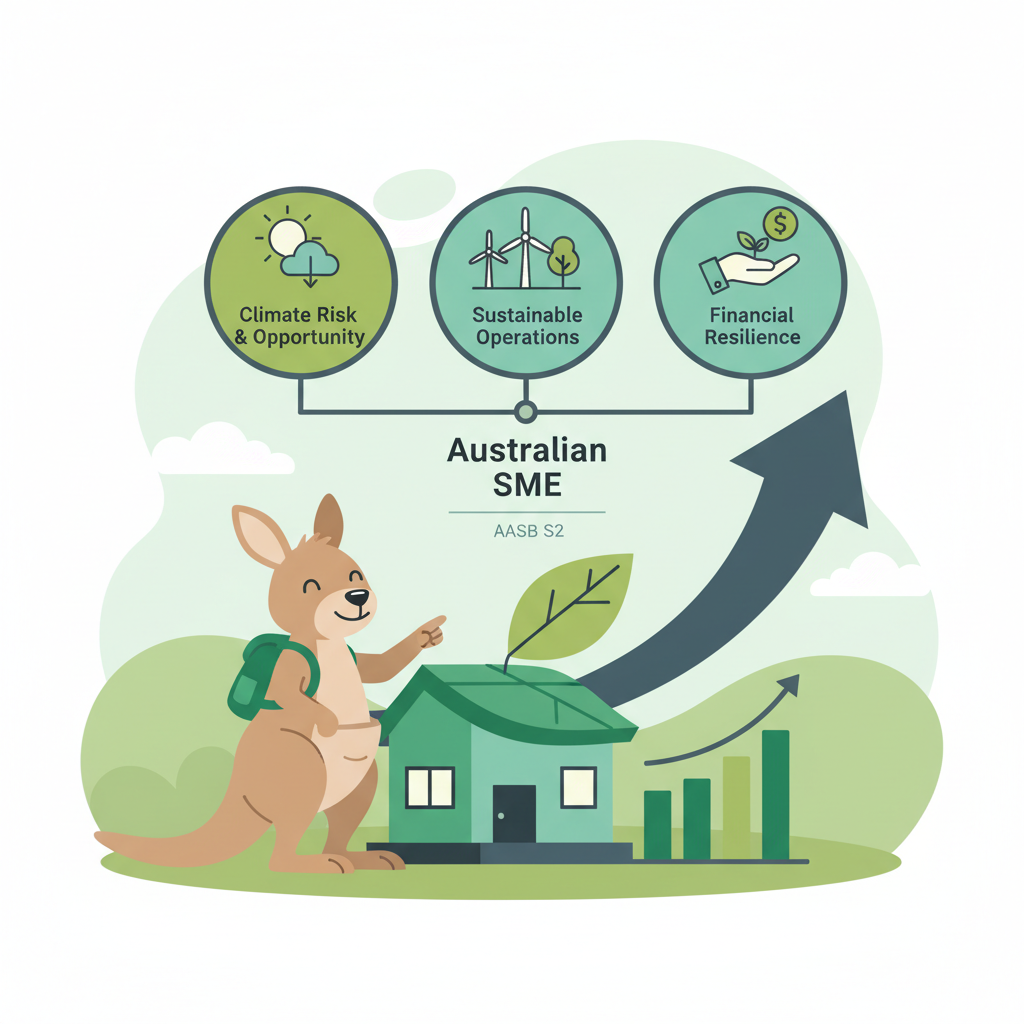
If you have set targets, document the baseline year, the reduction pathway, and progress to date. Alignment with AASB S2 climate-related disclosure principles — even if you are not formally mandated — demonstrates that your approach is consistent with how large buyers themselves must report.
For Scope 3 credibility, collect records of supplier engagement: questionnaires sent to key suppliers, supplier emissions data received, and any collaborative initiatives to reduce upstream impacts. This shows procurement teams that you are not only measuring your own footprint but actively working to influence your value chain — a key expectation under emerging Australian disclosure norms.
Keep correspondence, signed supplier declarations, and summaries of engagement activities. These records transform a Scope 3 estimate from a best-guess figure into a defensible, evidence-backed calculation.
The SMEs that win sustainability tenders are those that treat evidence as an ongoing discipline, not a tender-day task. By maintaining a living file — emissions data, methodology, governance records, and supplier evidence — you position your business to respond to any procurement opportunity with speed and substance. ScopeTrack helps Australian SMEs build this foundation with structured carbon accounting, NGA-aligned calculations, and audit-ready reporting. Start organising your sustainability evidence now, so your next tender response is backed by data, not just claims.

What documents should an Australian SME collect before a sustainability tender?
Core documents include your emissions inventory (Scope 1, 2, 3), a methodology statement referencing NGA factors, board or executive sign-off on targets, supplier engagement records, and any third-party assurance. These create an evidence-backed response that procurement teams can verify.
Why do procurement teams ask for Scope 3 emissions data?
Scope 3 emissions typically represent the largest portion of an organisation's carbon footprint and are increasingly required under frameworks like AASB S2. For Australian SMEs, providing Scope 3 data signals maturity and helps larger buyers meet their own upstream disclosure obligations.
How can SMEs avoid greenwashing in tender responses?
The ACCC and ASIC expect claims to be truthful, substantiated, and based on reasonable grounds. Using verified emissions data, clear methodologies, and avoiding unqualified terms like 'carbon neutral' without evidence reduces greenwashing risk in sustainability tenders.
Do SMEs need formal assurance before tendering?
Not always. While AASB S2 applies to larger reporting entities, many procurement teams accept self-reported data with a clear methodology statement. However, limited assurance can strengthen a tender response, particularly for high-value contracts.