Beyond Greenwashing: Ensuring Regulatory Integrity in Your Carbon Reporting
Learn how Australian SMEs can navigate ACCC and ASIC guidelines to produce evidence-backed sustainability tender responses that stand up to regulatory scrutiny.
Read blogPractical PrimeGreen guidance for SMEs preparing stronger sustainability tender responses.

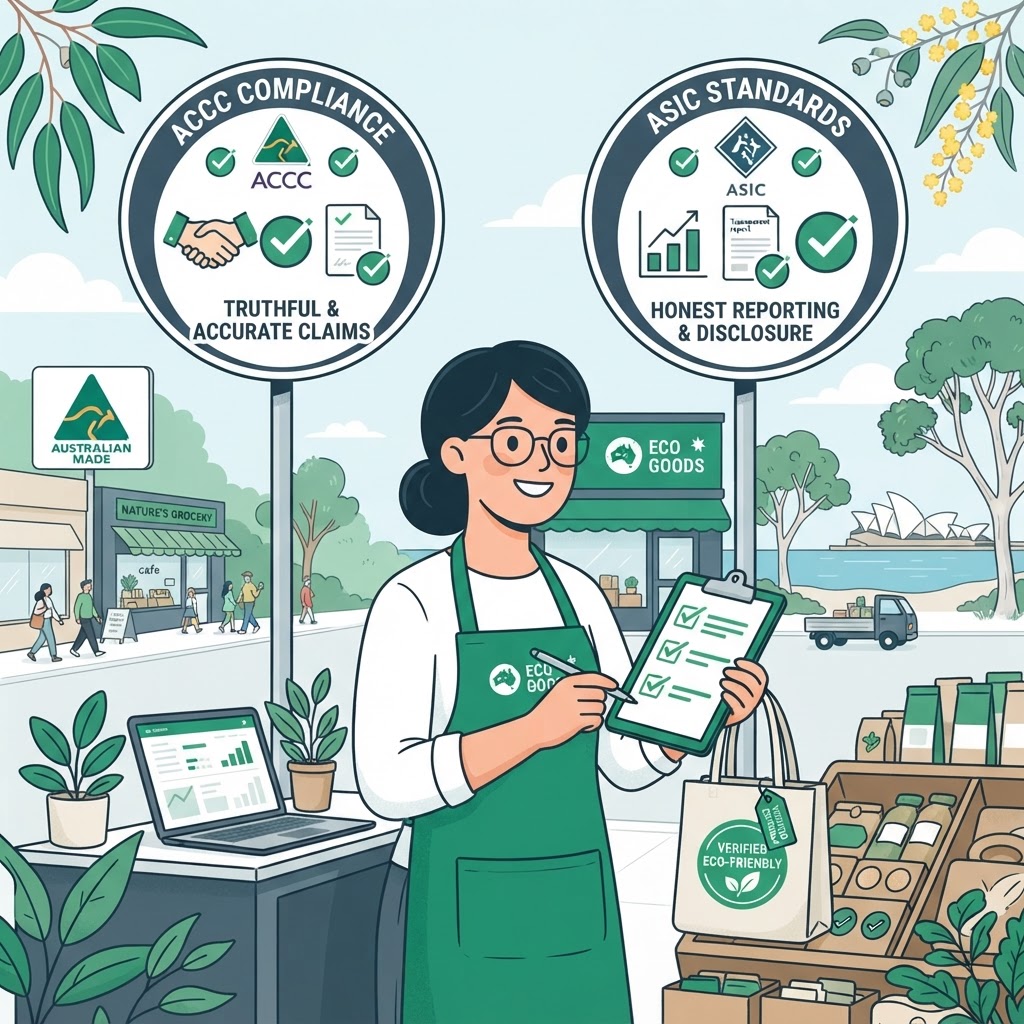
Learn how Australian SMEs can navigate ACCC and ASIC guidelines to produce evidence-backed sustainability tender responses that stand up to regulatory scrutiny.
Read blog
Learn how Australian SMEs can build trust with enterprise buyers by transforming raw data into verified, evidence-backed sustainability tender responses.
Read blog
Demystify the complexities of Scope 1, 2, and 3 emissions to sharpen your sustainability tender responses and meet Australian procurement requirements.
Read blog
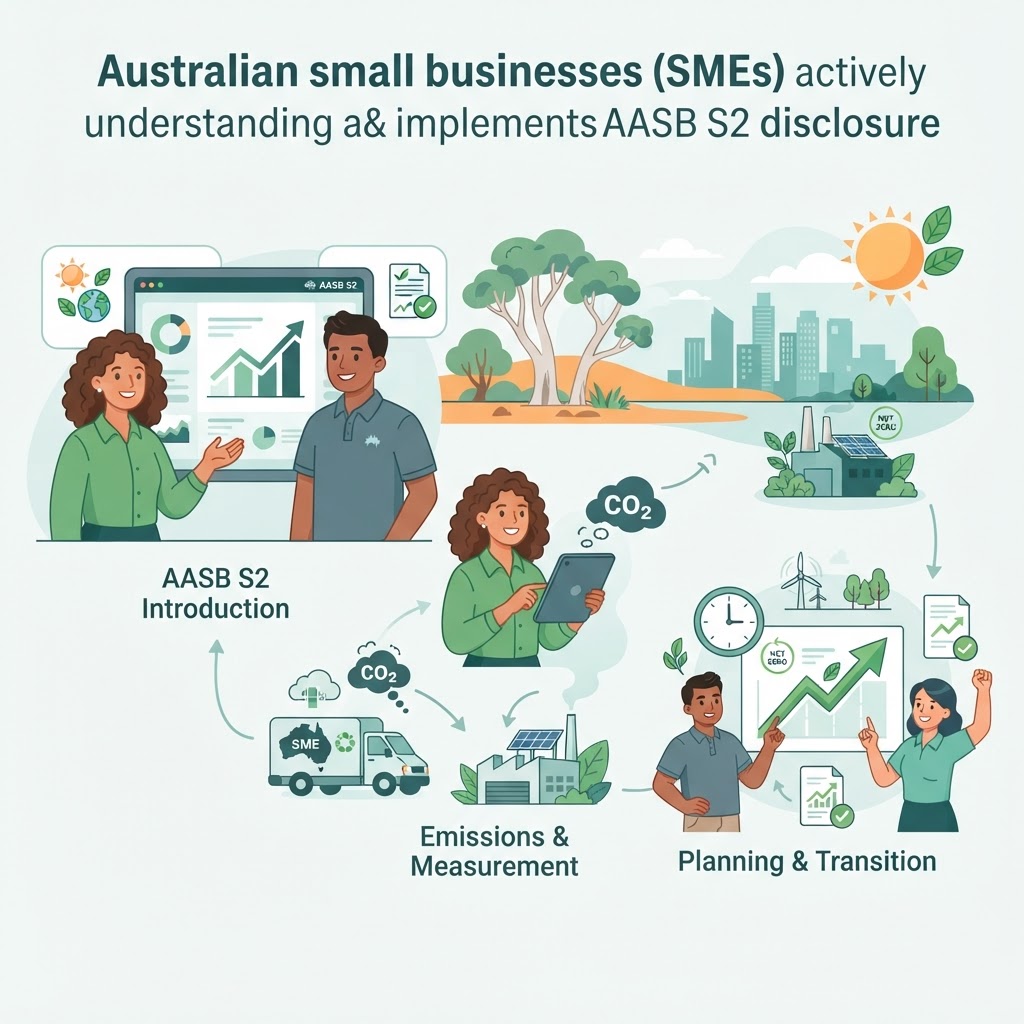
Discover how the AASB S2 climate reporting standards are filtering down to Australian SMEs and how to prepare your data for procurement success.
Read blog
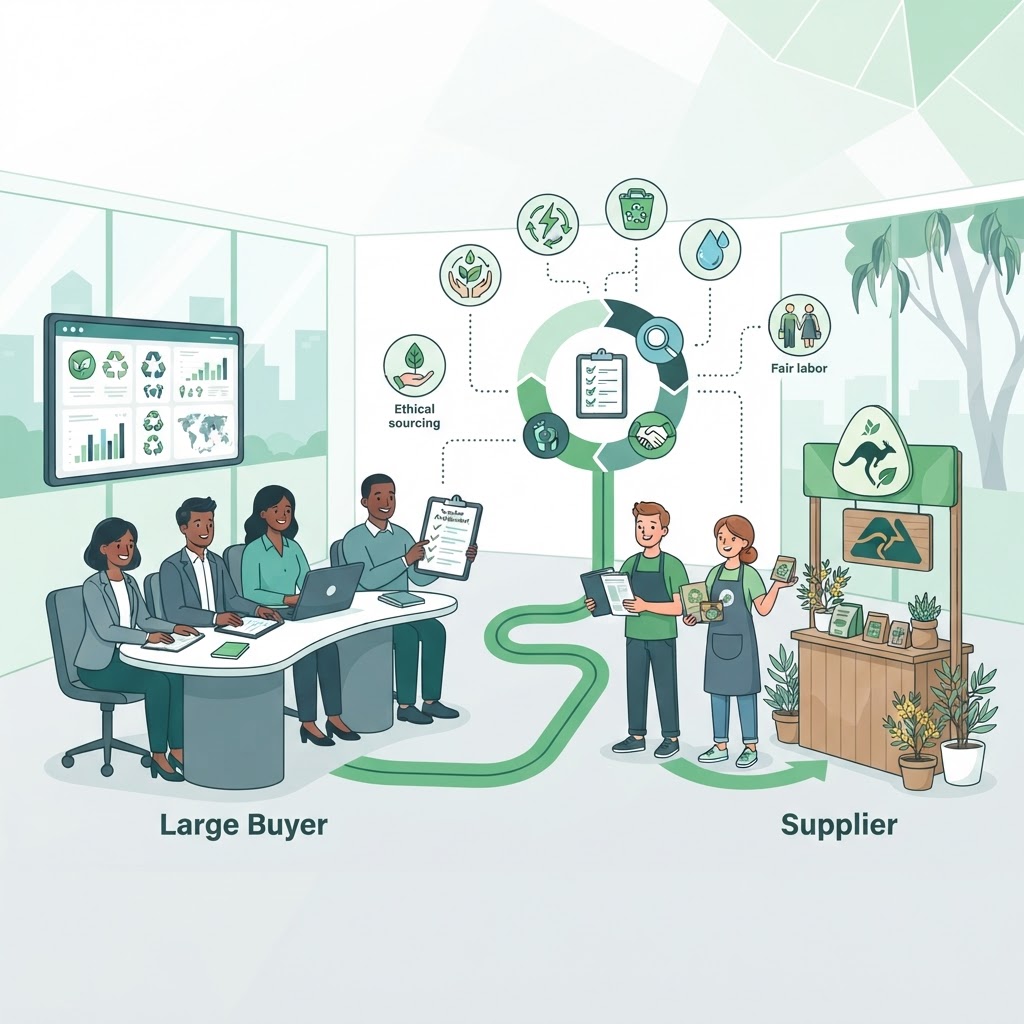
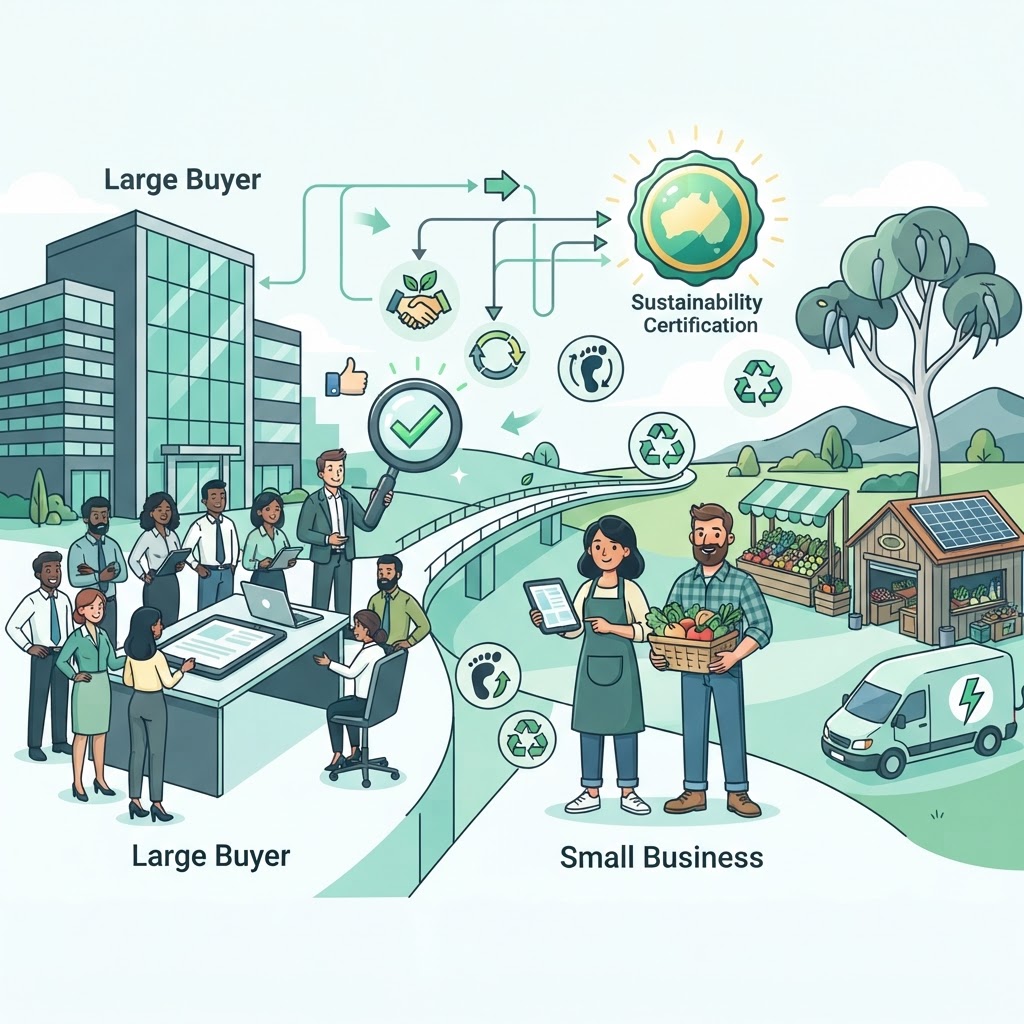
Discover how major Australian enterprise buyers evaluate supplier sustainability and what evidence you need to secure your next contract.
Read blog
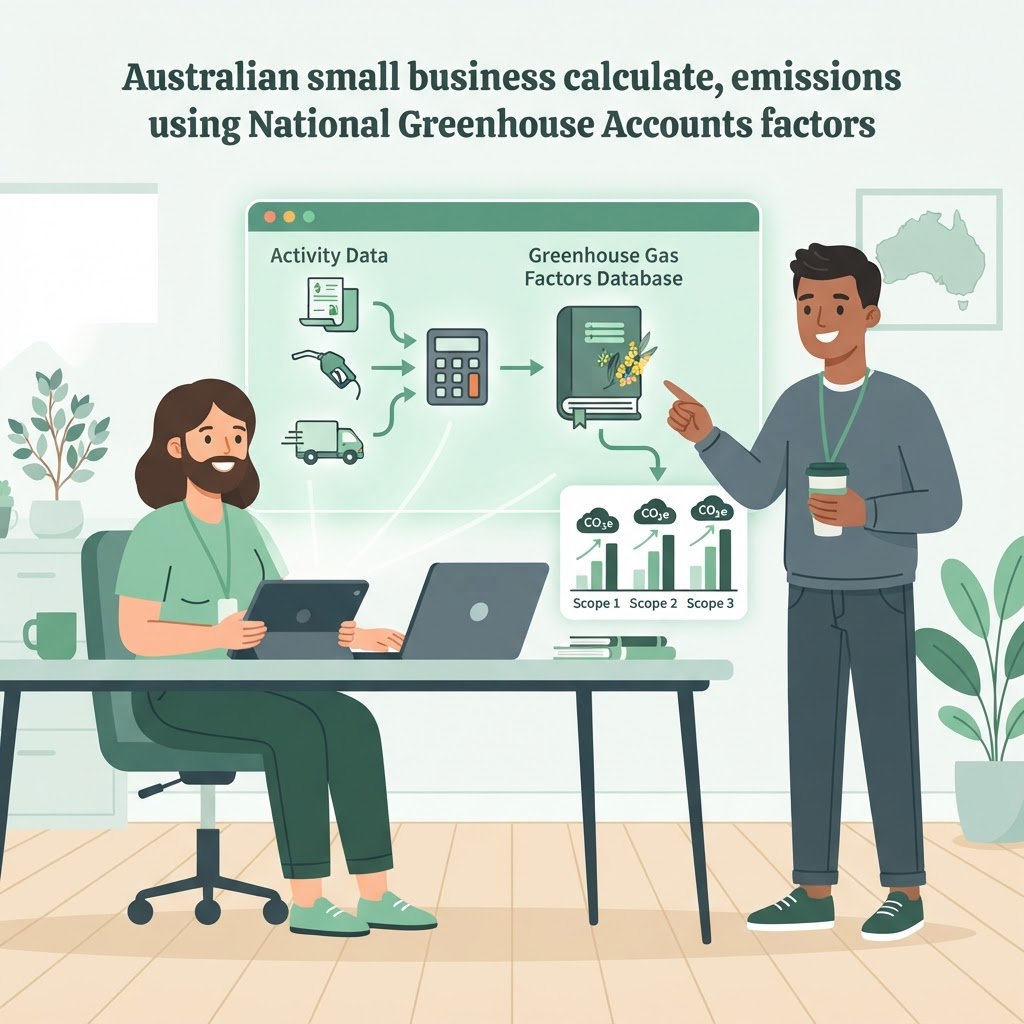
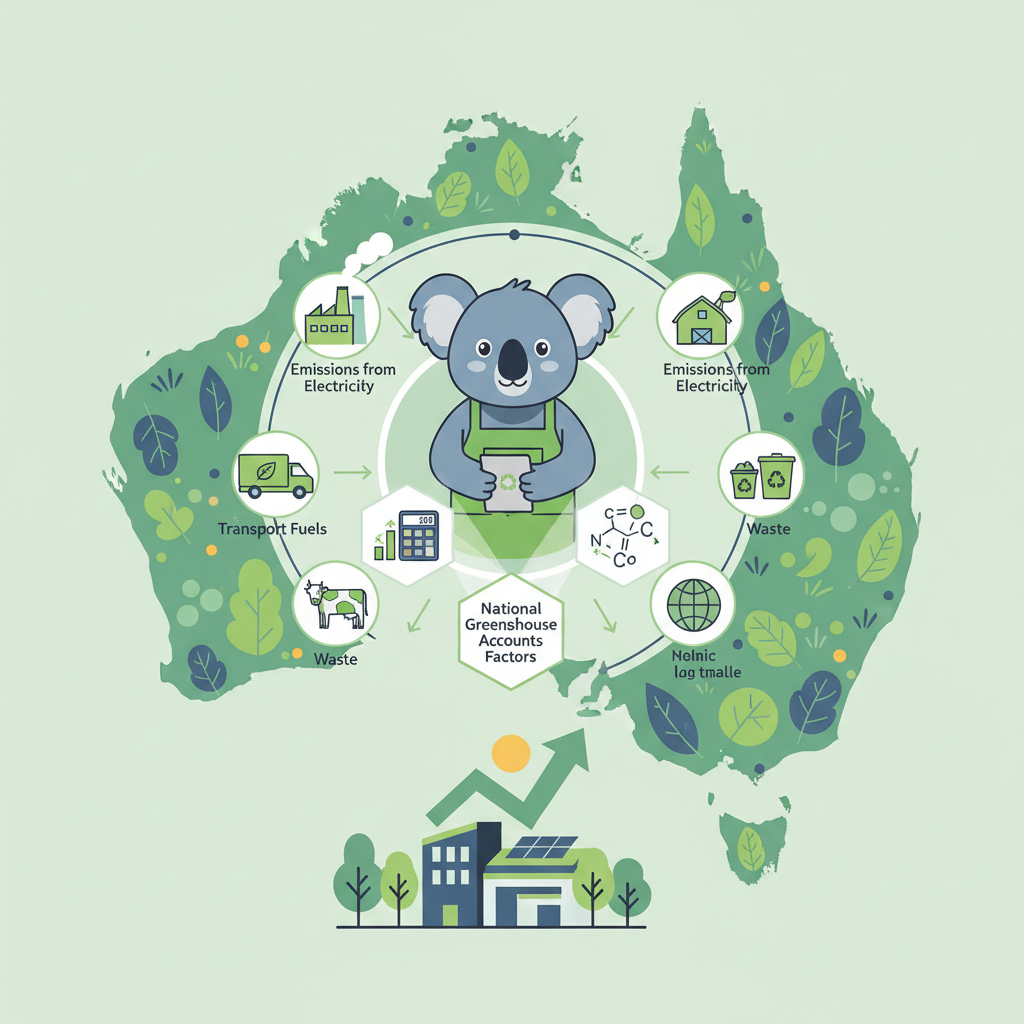
Learn how to use official National Greenhouse Accounts factors to build audit-ready emissions data for competitive Australian sustainability tenders.
Read blog
Streamline your next procurement bid by preparing the essential carbon documentation and data evidence required by enterprise buyers.
Read blog
Learn how Australian SMEs can safeguard their reputation and win contracts by aligning sustainability reporting with ACCC and ASIC expectations.
Read blog
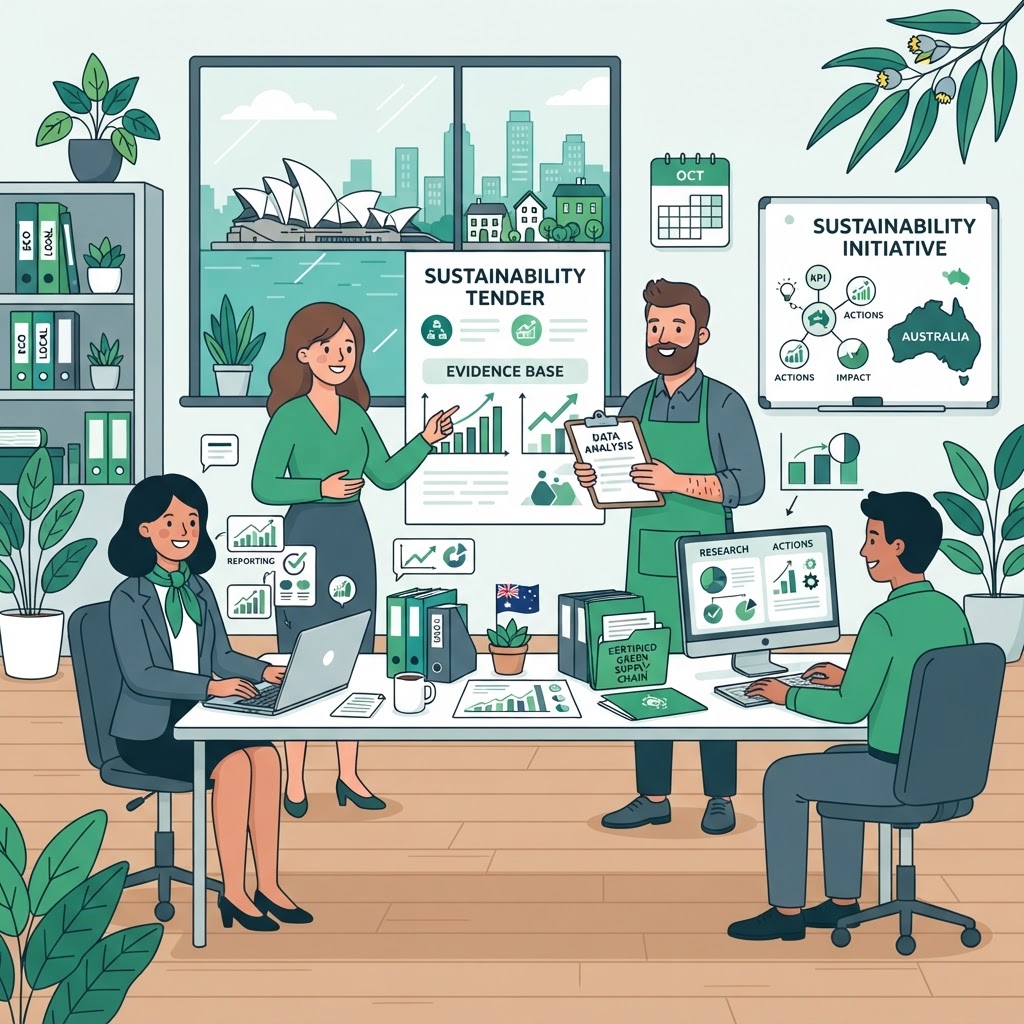
Discover how Australian SMEs can build a rigorous, evidence-backed foundation for sustainability tenders by mastering data integrity and reporting transparency.
Read blog
Navigating the complexities of Scope 1, 2, and 3 emissions is essential for Australian SMEs looking to win procurement contracts through credible sustainability reporting.
Read blog
Discover how the AASB S2 climate disclosure standards impact Australian SMEs and why precision in carbon accounting is now a prerequisite for winning government and enterprise contracts.
Read blog
Discover the rigorous validation methods major Australian buyers use to audit SME sustainability claims and how you can prepare to pass.
Read blog
Learn how Australian SMEs can leverage National Greenhouse Accounts factors to build audit-ready, evidence-based emissions reports for high-value tenders.
Read blog
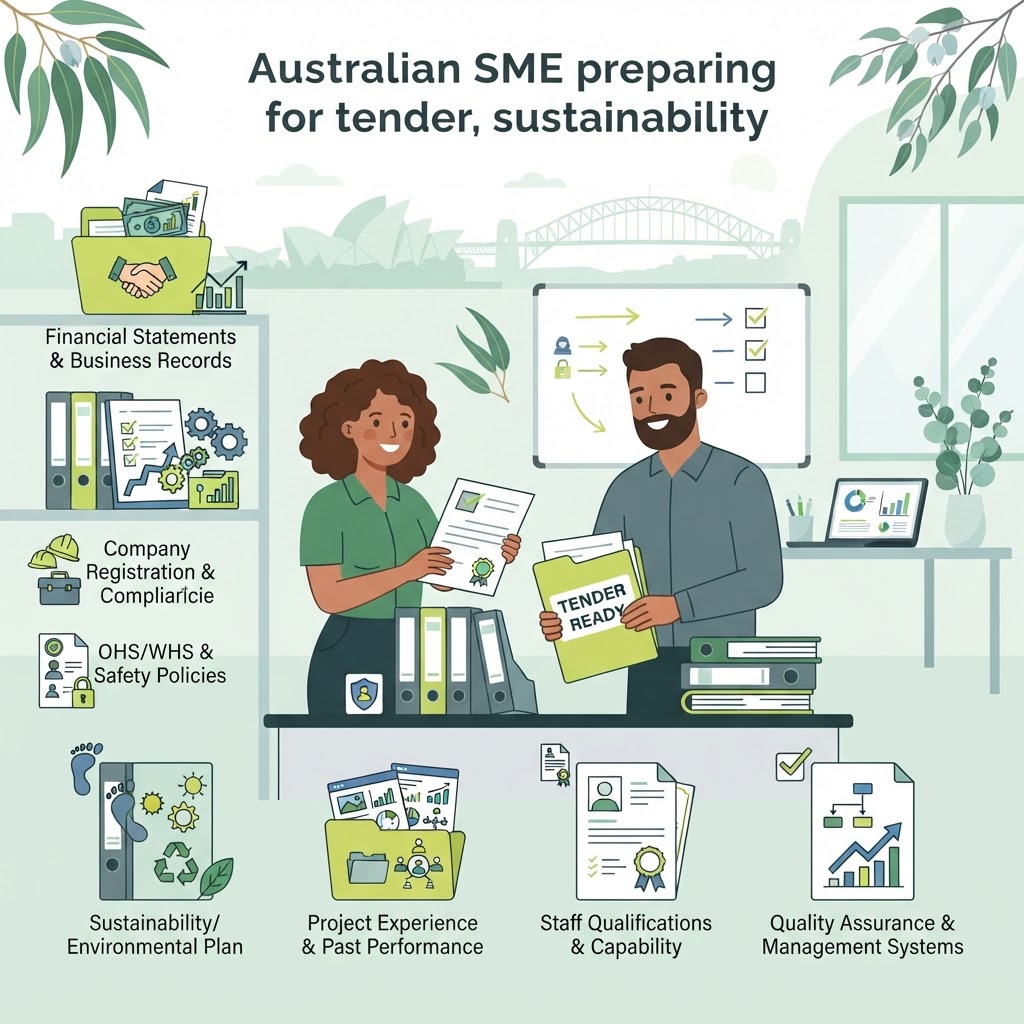
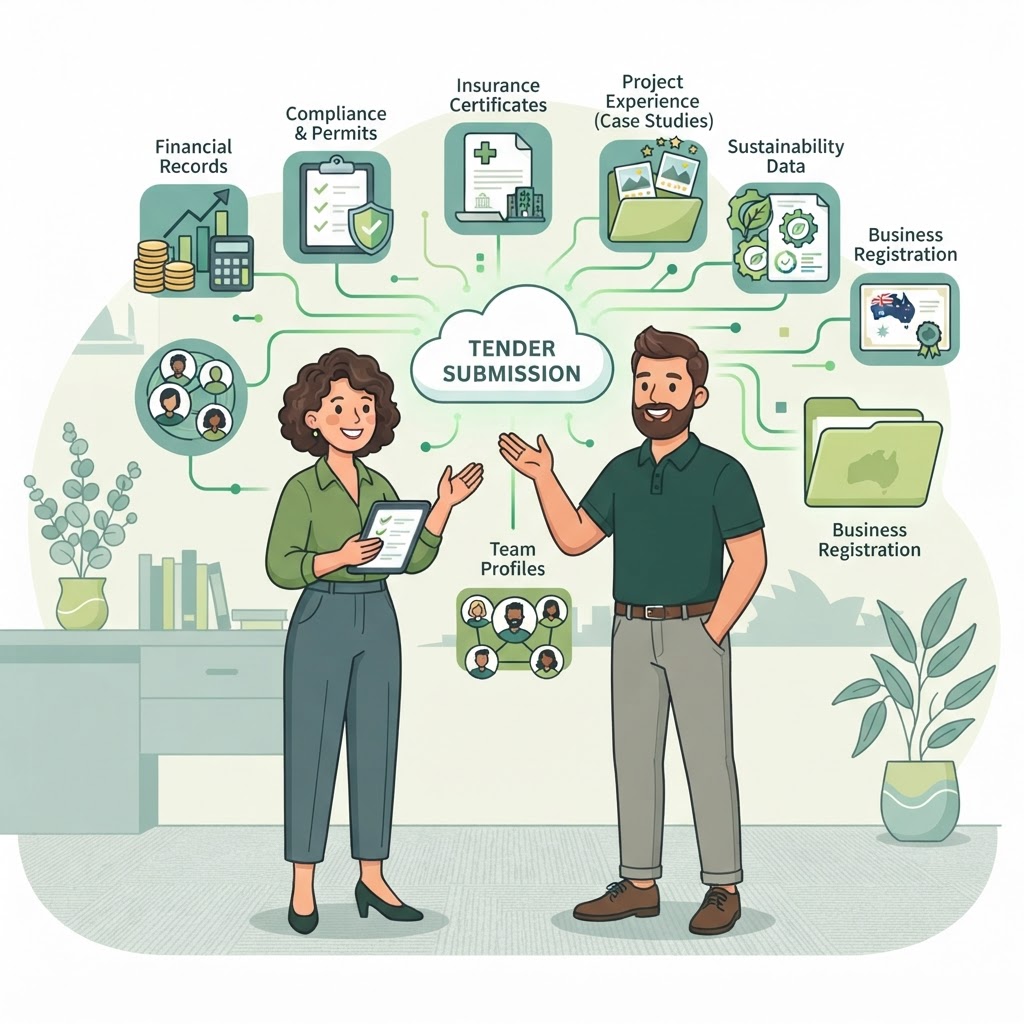
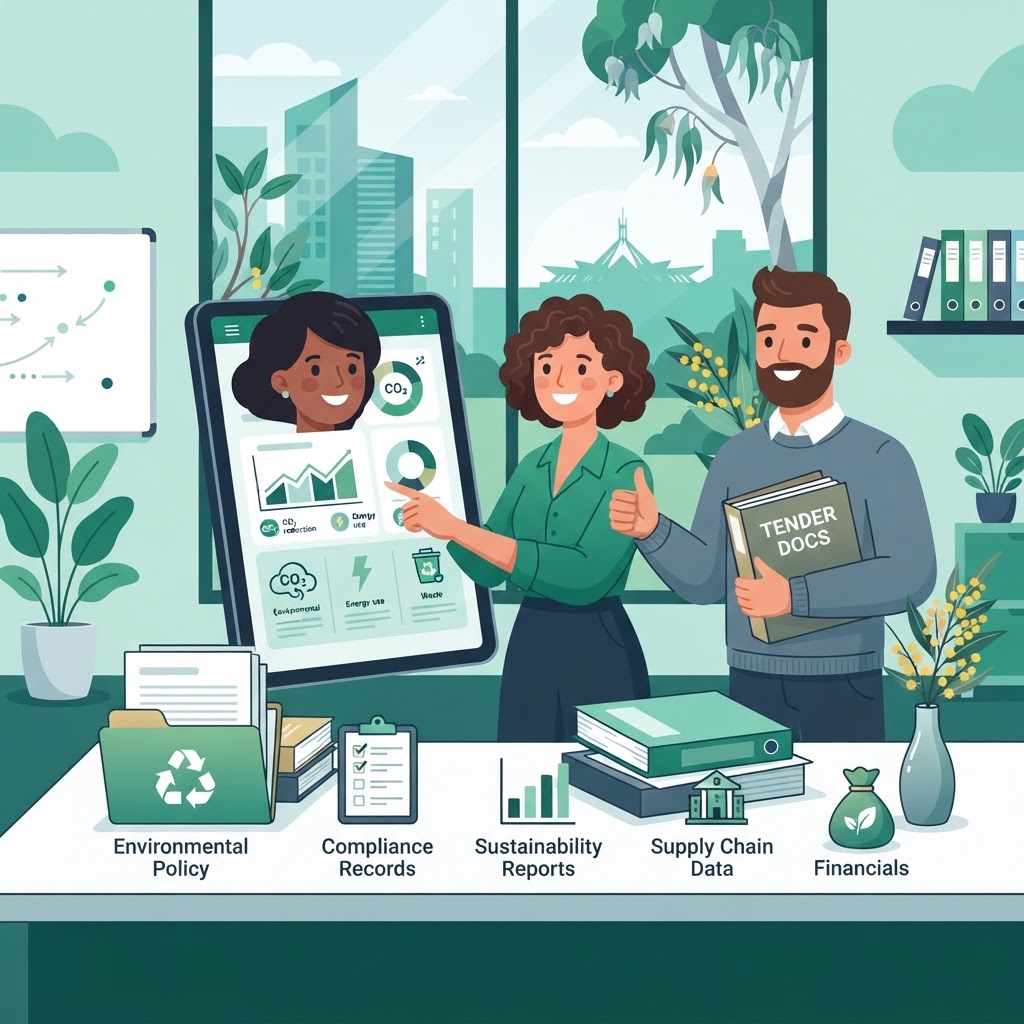
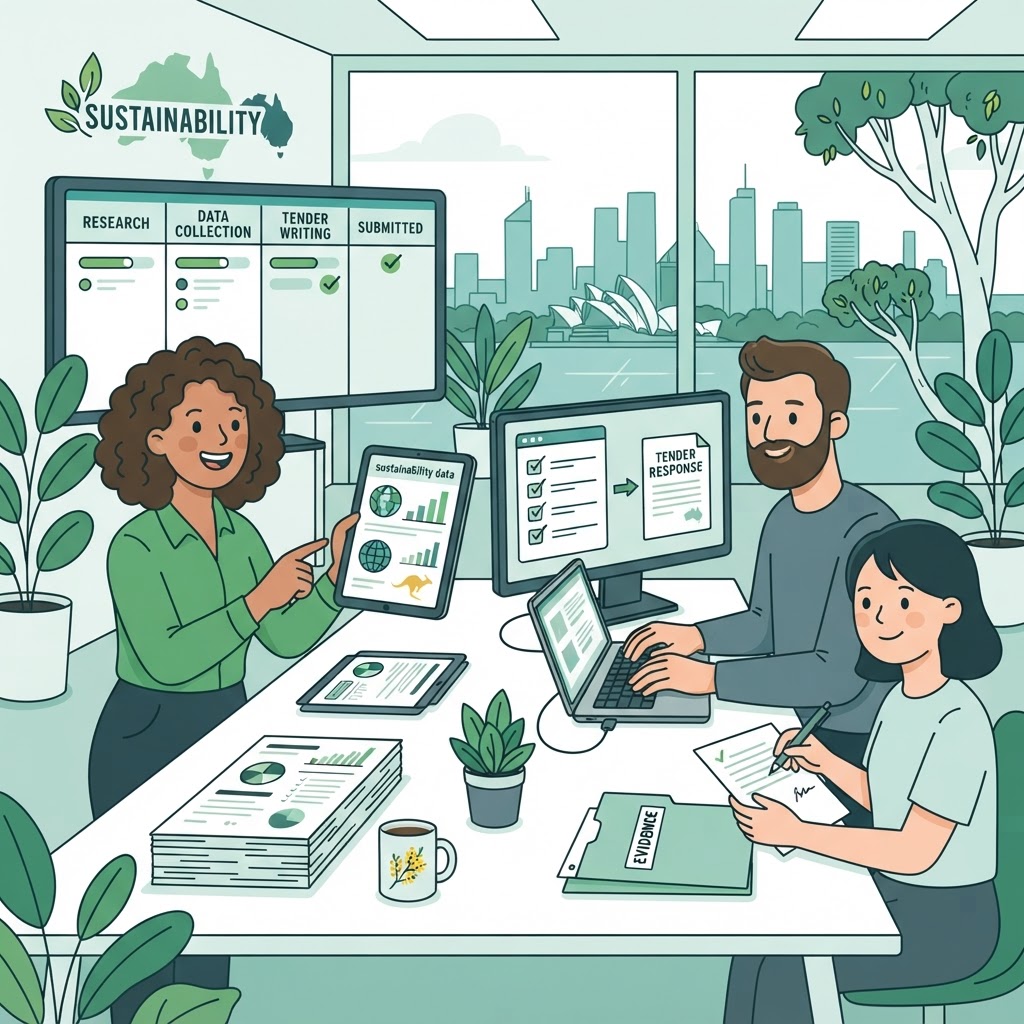
Preparing for a sustainability tender requires more than just good intentions; it demands an evidence-based repository of carbon data and operational documentation.
Read blog
Learn how Australian SMEs can safeguard their procurement bids against greenwashing accusations by aligning carbon accounting with ACCC and ASIC expectations.
Read blog
Learn how Australian SMEs can transform their emissions data into a competitive advantage to secure major government and enterprise contracts.
Read blog
Mastering the complexities of Scope 1, 2, and 3 emissions is no longer optional for Australian SMEs looking to secure major contracts in an increasingly sustainability-conscious market.
Read blog
While AASB S2 primarily targets large entities, the ripple effect on Australian SMEs means that precise emissions reporting is now a non-negotiable requirement for winning major supply chain contracts.
Read blog
Discover the rigorous criteria Australian enterprise buyers use to assess SME sustainability credentials and how to ensure your carbon data stands up to scrutiny.
Read blog
Discover how Australian SMEs can use the latest National Greenhouse Accounts factors to build credible, evidence-backed sustainability tender responses.
Read blog
Streamline your next tender submission by gathering the essential carbon data and evidence-backed documentation Australian SMEs need to win.
Read blog
Learn how Australian SMEs can align with ACCC and ASIC expectations by building evidence-backed sustainability tender responses that avoid greenwashing pitfalls.
Read blog
Elevate your Australian SME's tender competitiveness by mastering the art of crafting evidence-backed sustainability responses, moving beyond claims to verifiable impact.
Read blog
Learn how to demystify carbon classifications to build accurate, defensible sustainability reports that help your SME win more procurement contracts.
Read blog
While AASB S2 targets large entities, Australian SMEs are feeling the ripple effects as major buyers now demand high-integrity climate data.
Read blog
Discover the precise criteria major Australian buyers use to vet SME sustainability claims and how to turn your carbon accounting data into a competitive tender advantage.
Read blog
Learn how Australian SMEs can leverage National Greenhouse Accounts factors to build ironclad, evidence-backed sustainability tender responses.
Read blog
Prepare your SME for competitive procurement by auditing your carbon data and documentation before the tender deadline hits.
Read blog
Learn how Australian SMEs can align their sustainability disclosures with ACCC and ASIC expectations to win government and corporate tenders.
Read blog
Learn how to transform your carbon data into a competitive advantage for Australian procurement tenders by focusing on transparency and verifiable evidence.
Read blog
Demystify the complexities of Scope 1, 2, and 3 emissions to build competitive, evidence-backed sustainability tender responses for Australian SMEs.
Read blog
Discover how the AASB S2 climate disclosure standard creates a ripple effect for Australian SMEs in the procurement supply chain.
Read blog
Discover how large Australian buyers evaluate SME sustainability claims and how you can prepare evidence-backed tender responses that stand up to scrutiny.
Read blog
Discover how Australian SMEs can leverage National Greenhouse Accounts factors to build audit-ready, evidence-based emissions reports for high-stakes tenders.
Read blog
Streamline your next tender submission by gathering the precise environmental data required to prove your sustainability claims.
Read blog
Learn how Australian SMEs can safeguard their reputation and win tenders by aligning their carbon accounting with ACCC and ASIC expectations.
Read blog
Learn how Australian SMEs can leverage precision carbon accounting to transform sustainability tender responses from generic claims into evidence-backed competitive advantages.
Read blog
Demystify the complexities of carbon accounting with our breakdown of Scope 1, 2, and 3 emissions tailored for Australian SMEs preparing for sustainability tenders.
Read blog
While AASB S2 primarily targets large entities, Australian SMEs in their supply chains are feeling the pressure to provide high-quality climate data to remain competitive in procurement.
Read blog
Discover how large Australian buyers evaluate SME sustainability claims and what data you need to win tenders in an era of strict climate scrutiny.
Read blog
National Greenhouse Accounts factors provide the regulated methodology Australian SMEs need to produce defensible, evidence-backed emissions data for sustainability tenders.
Read blog
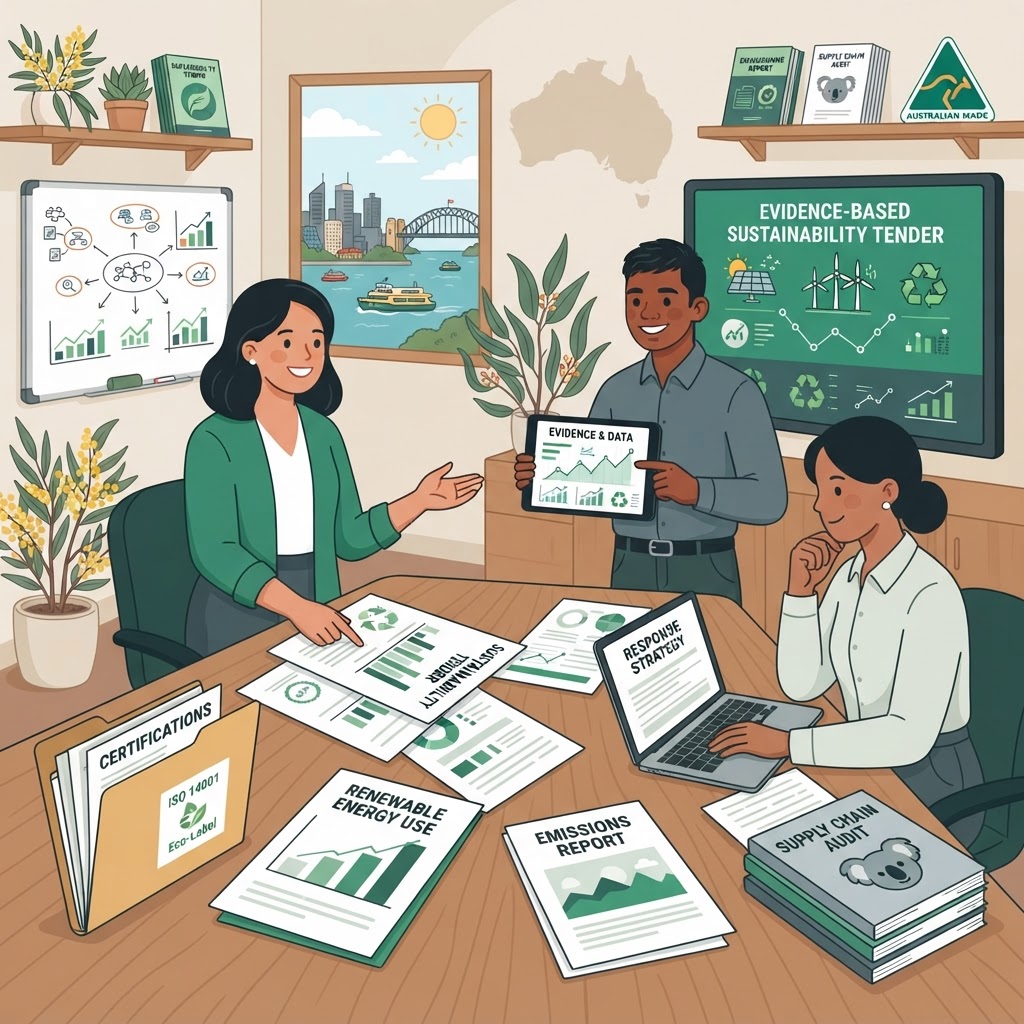
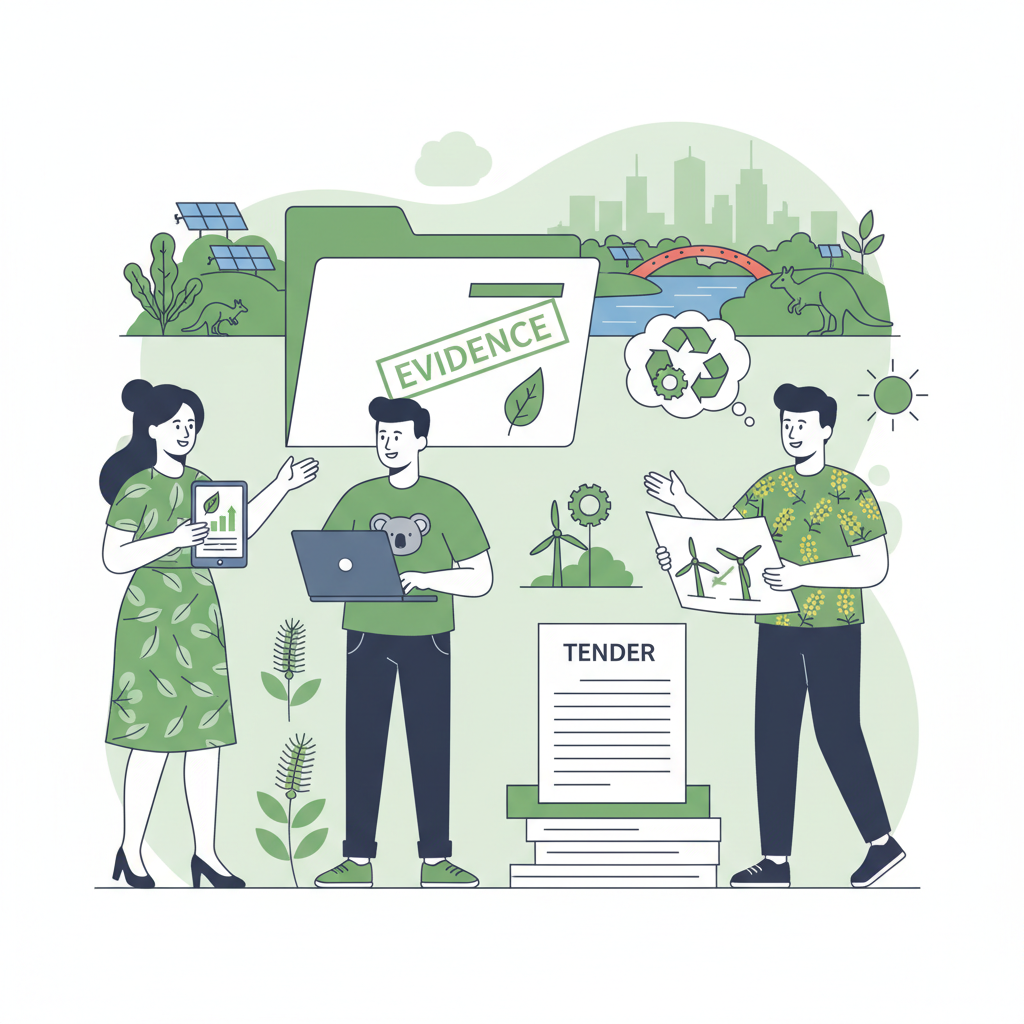
Australian SMEs can win more sustainability tenders by pre-assembling an evidence file of emissions data, methodology statements, and governance records.
Read blog
Discover strategies for Australian SMEs to avoid greenwashing and ensure compliance in sustainability initiatives.
Read blog
Empower your small business with evidence-backed sustainability tender responses that shine in competitive procurement processes.
Read blog
Learn how understanding Scope 1, 2, and 3 emissions can enhance sustainability responses for SMEs in Australia.
Read blog
Explore how AASB S2 affects Australian SMEs in carbon accounting and sustainability tenders.
Read blog
Understanding how large buyers assess sustainability credentials is vital for SMEs aiming for impactful tender responses.
Read blog
Learn how Australian SMEs can leverage National Greenhouse Accounts factors to enhance emissions reporting for sustainability tenders.
Read blog
A guide for Australian SMEs on the vital documents and data to collect before responding to sustainability tenders.
Read blog
Learn how Australian SMEs can meet ACCC and ASIC expectations while avoiding greenwashing in sustainability tenders.
Read blog
A guide for SMEs on crafting evidence-backed sustainability tender responses that meet Australian standards.
Read blog
A guide for Australian SMEs on how to navigate Scope 1, 2, and 3 emissions for effective sustainability reporting.
Read blog
Understanding AASB S2 is crucial for Australian SMEs to excel in sustainability tenders.
Read blog
Discover how large buyers assess sustainability credentials and what SMEs need to know for competitive advantage in procurement.
Read blog
Discover how Australian SMEs can accurately calculate emissions using National Greenhouse Accounts factors to enhance sustainability tender responses.
Read blog
Ensure your SME is prepared for sustainability tenders with this essential document checklist.
Read blog
Learn how Australian SMEs can avoid greenwashing and adhere to ACCC and ASIC guidelines in sustainability tenders.
Read blog
Learn how Australian SMEs can effectively prepare evidence-backed sustainability tender responses to enhance their procurement outcomes.
Read blog
Unlock the essentials of Scope 1, 2, and 3 emissions and their significance for SMEs in the sustainability tender landscape.
Read blog
Explore what AASB S2 climate disclosure means for SMEs navigating sustainability compliance in Australia.
Read blog
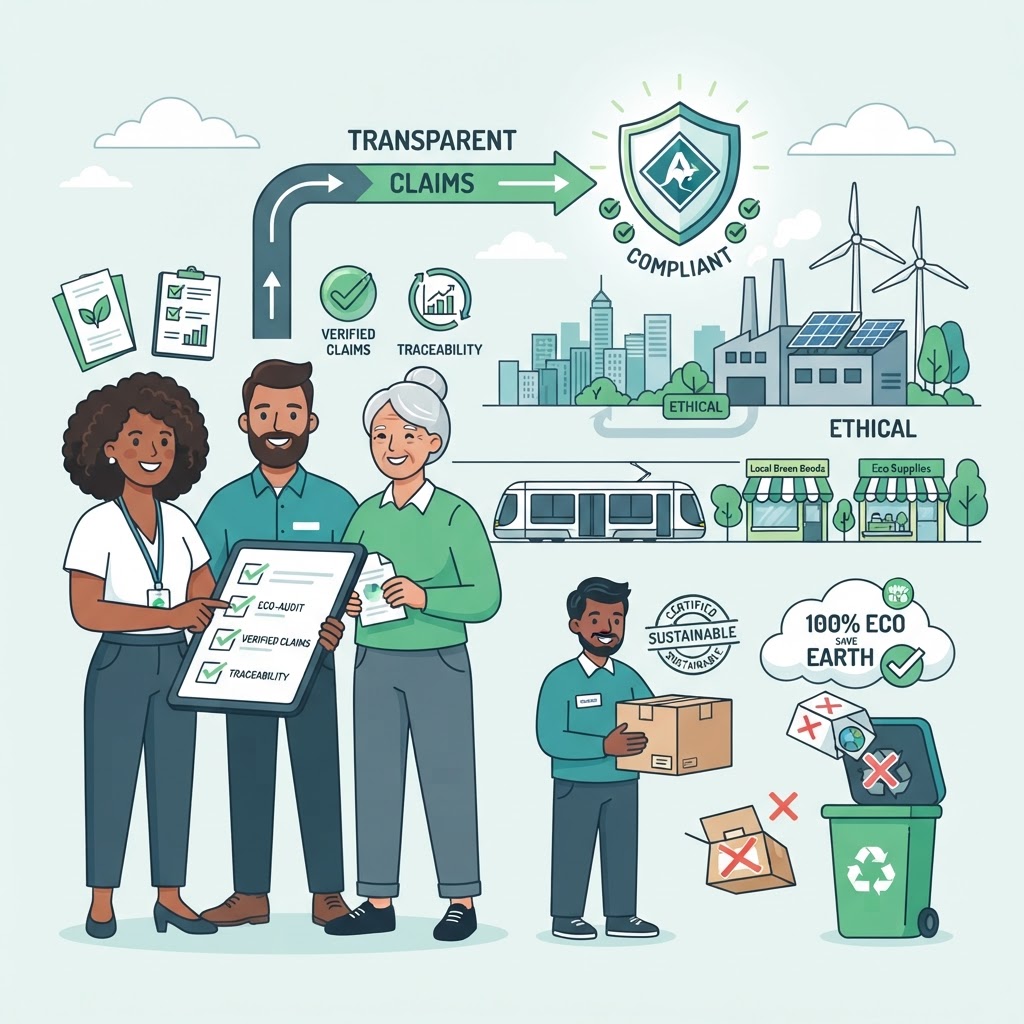
In an era where procurement teams are under immense pressure to decarbonise their supply chains, sustainability claims have become a critical component of every successful tender. However, as Australian SMEs strive to highlight their environmental credentials, the risk of falling into the trap of greenwashing has never been higher. With both the ACCC and ASIC sharpening their focus on unsubstantiated environmental claims, businesses must move beyond marketing rhetoric and provide verifiable, data-backed evidence. Ensuring your sustainability tender is bulletproof requires a shift toward rigorous carbon accounting and transparent communication.
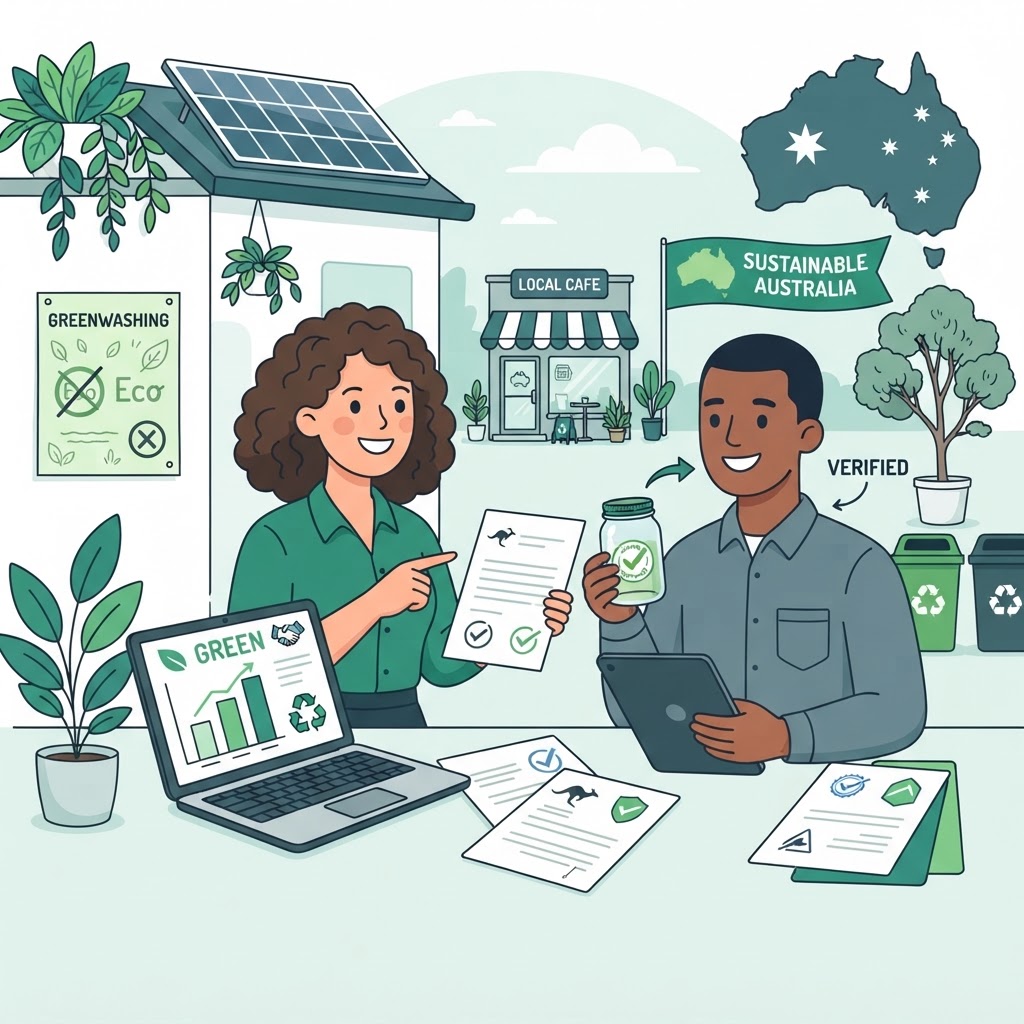
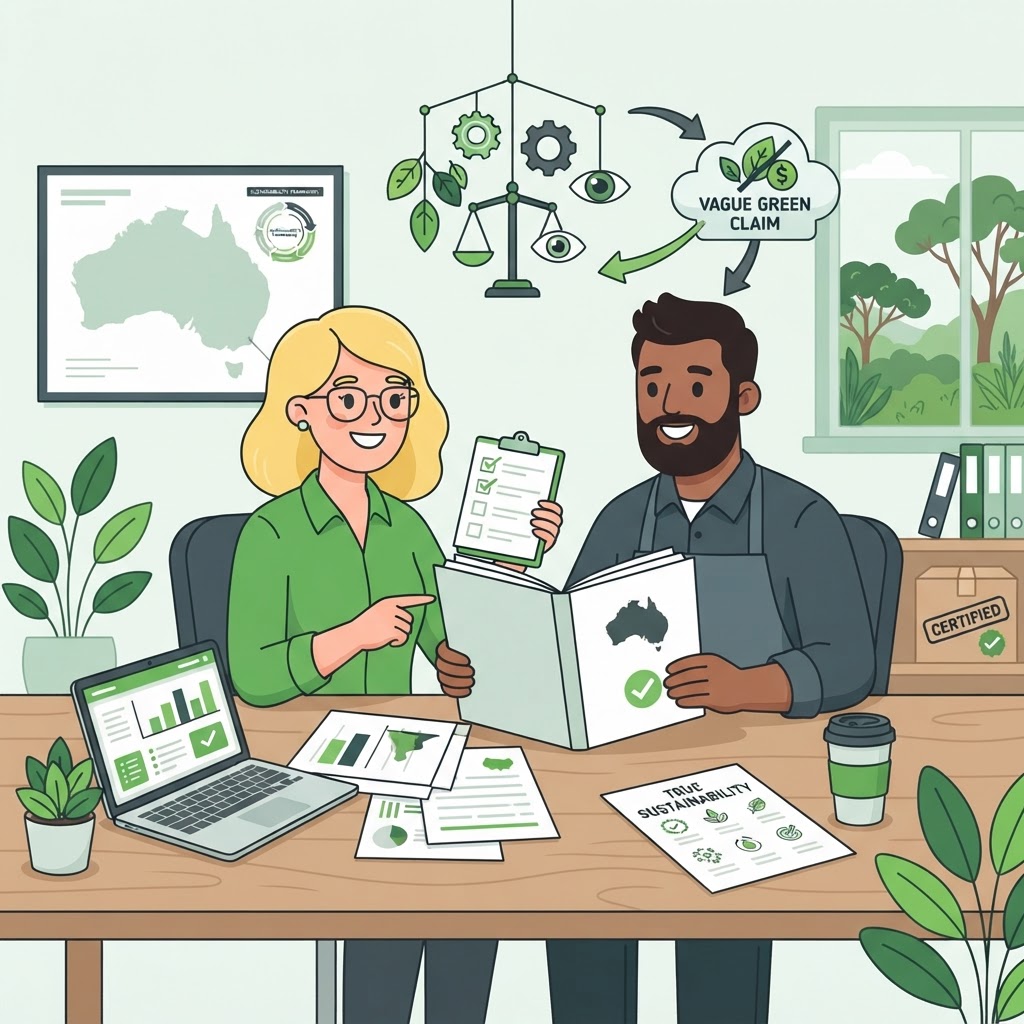
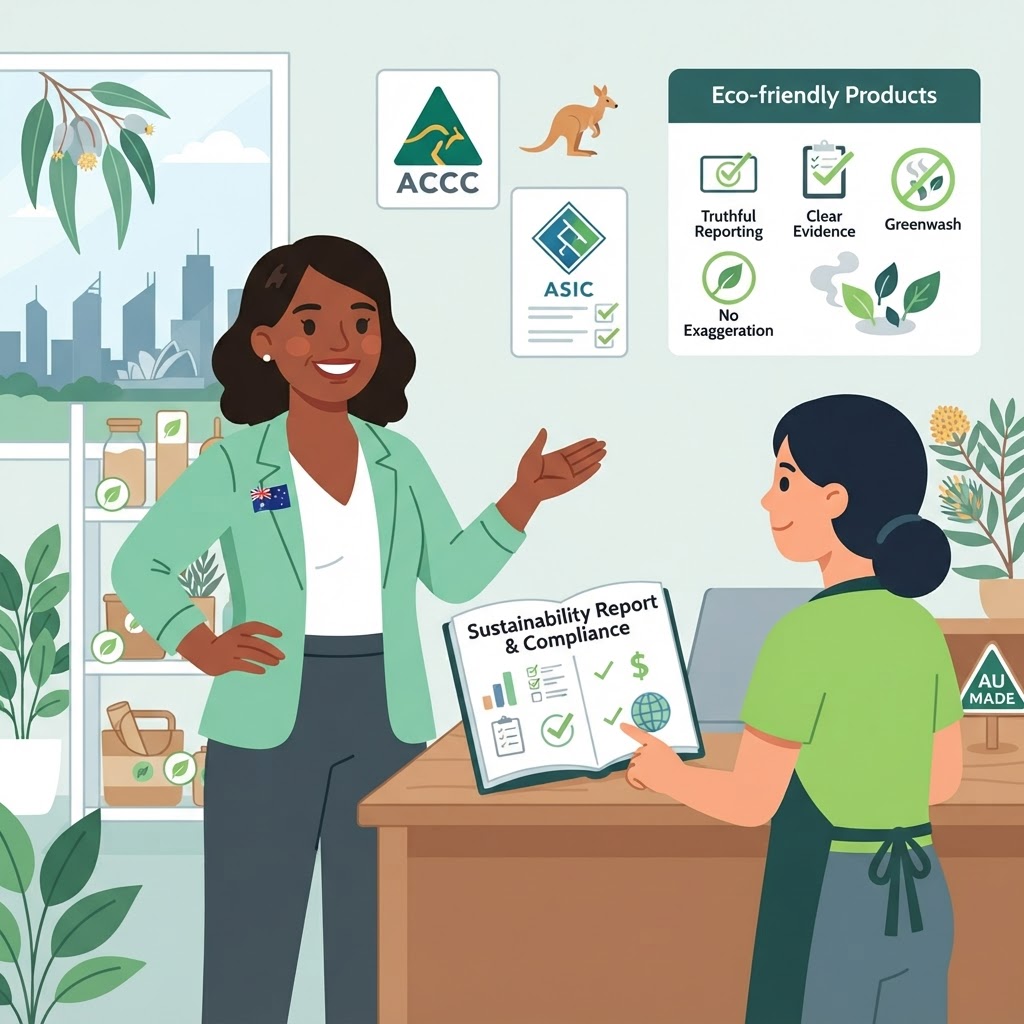
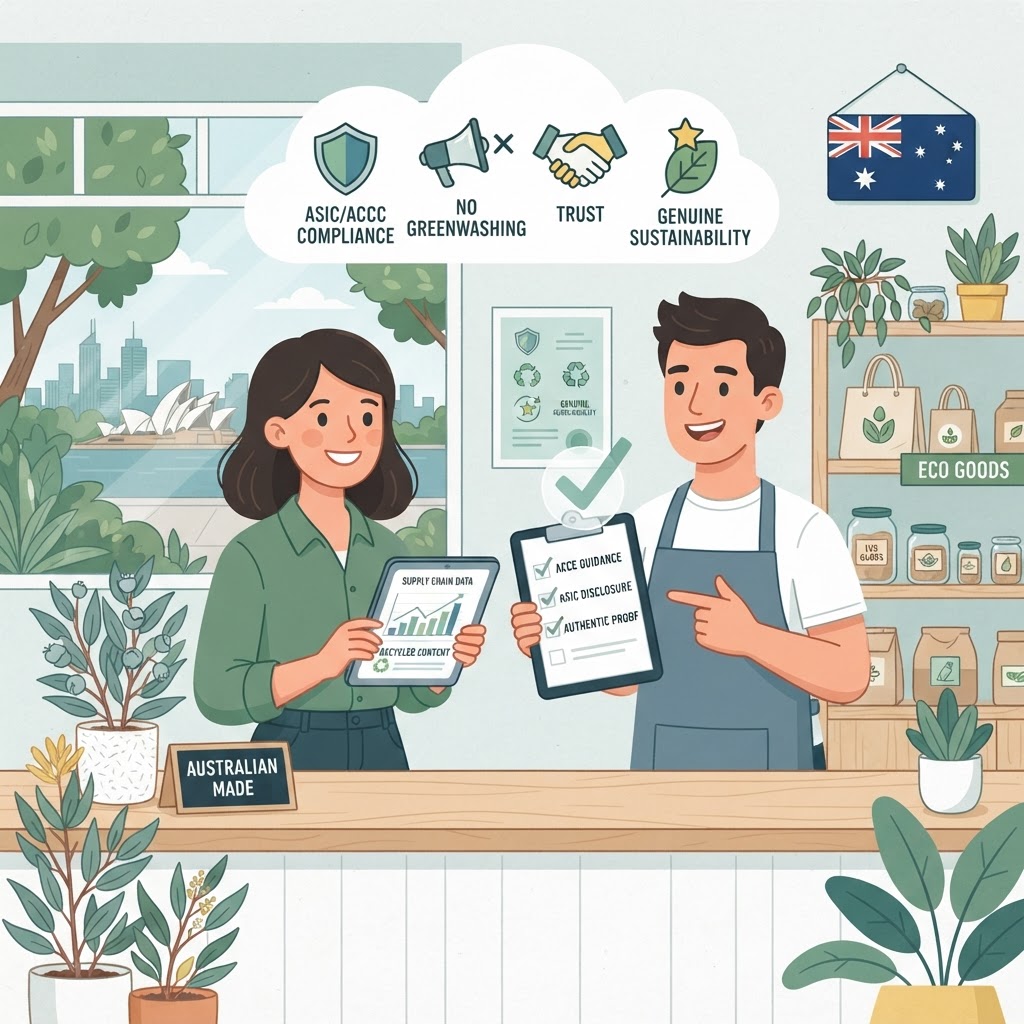
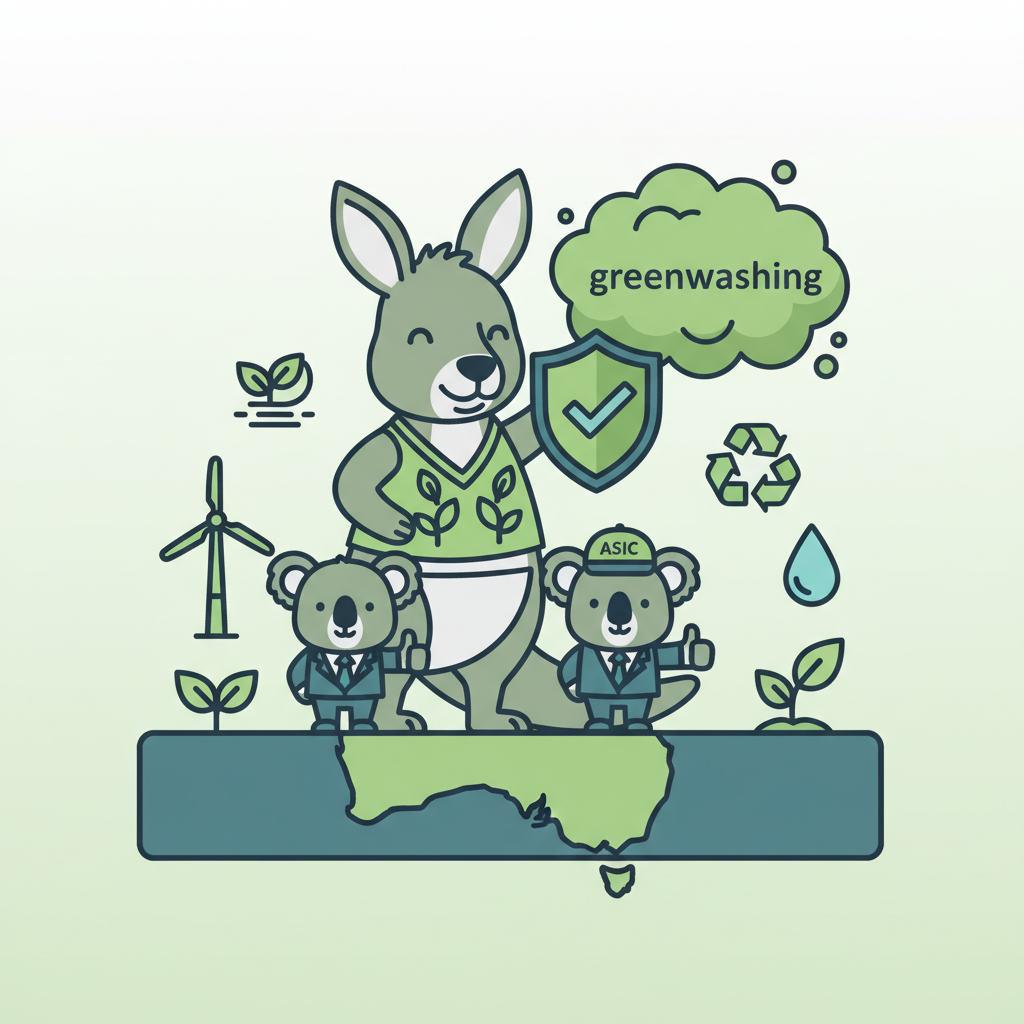
The Australian landscape regarding environmental claims has shifted significantly. The ACCC has made it clear that 'broad and unqualified' claims—such as 'carbon neutral' or 'eco-friendly'—are under the microscope. If these claims cannot be substantiated with robust Scope 1, 2, and 3 emissions reporting, they may be classified as misleading or deceptive conduct. ASIC is similarly focused on ensuring that sustainability disclosures made by entities are grounded in reasonable grounds, preventing the 'greenwashing' of operational practices to secure government or enterprise contracts.
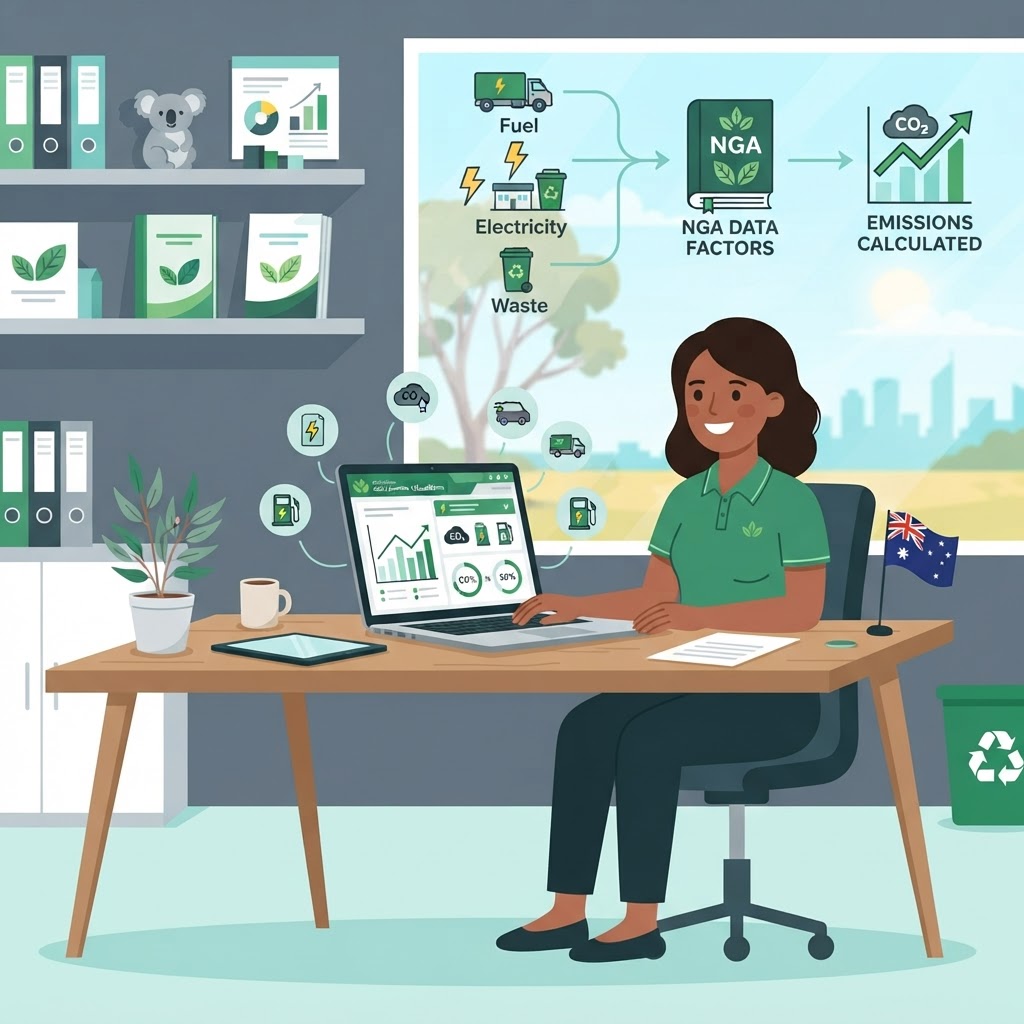
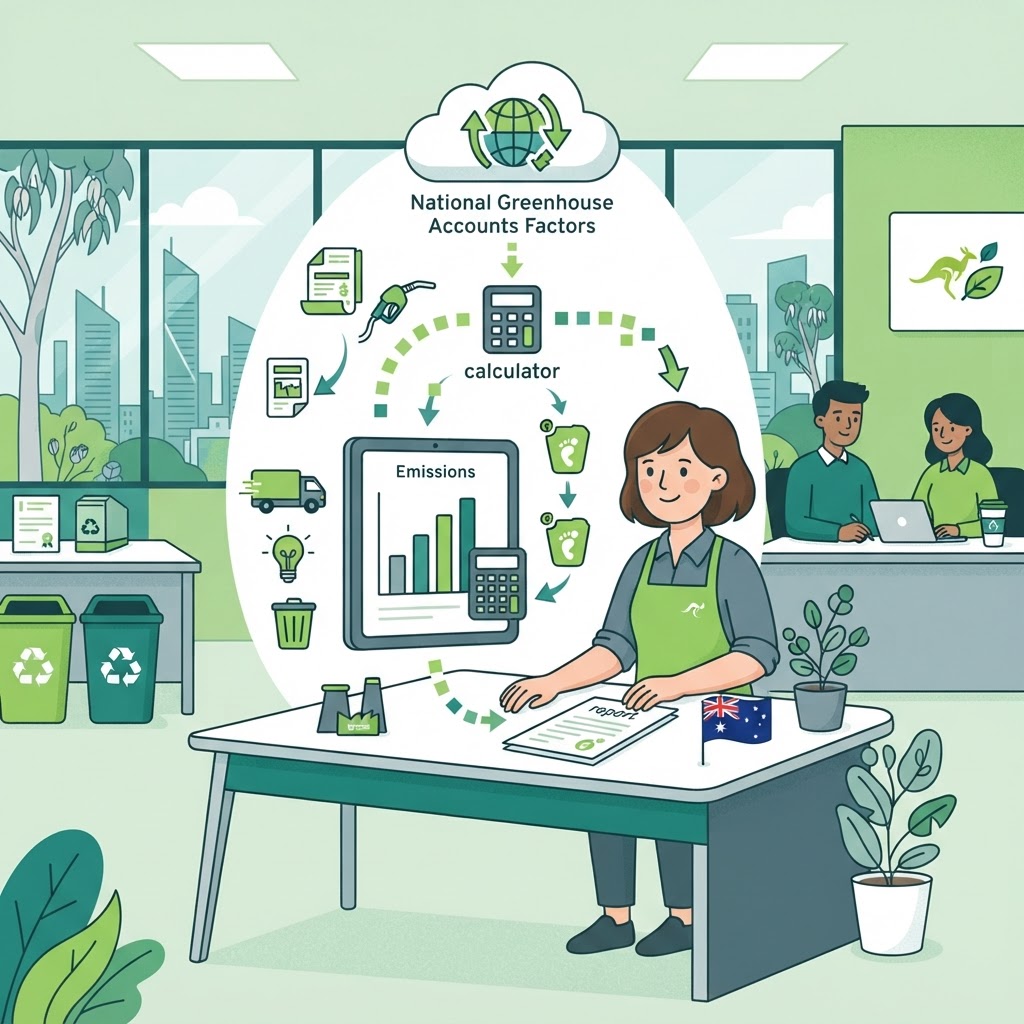
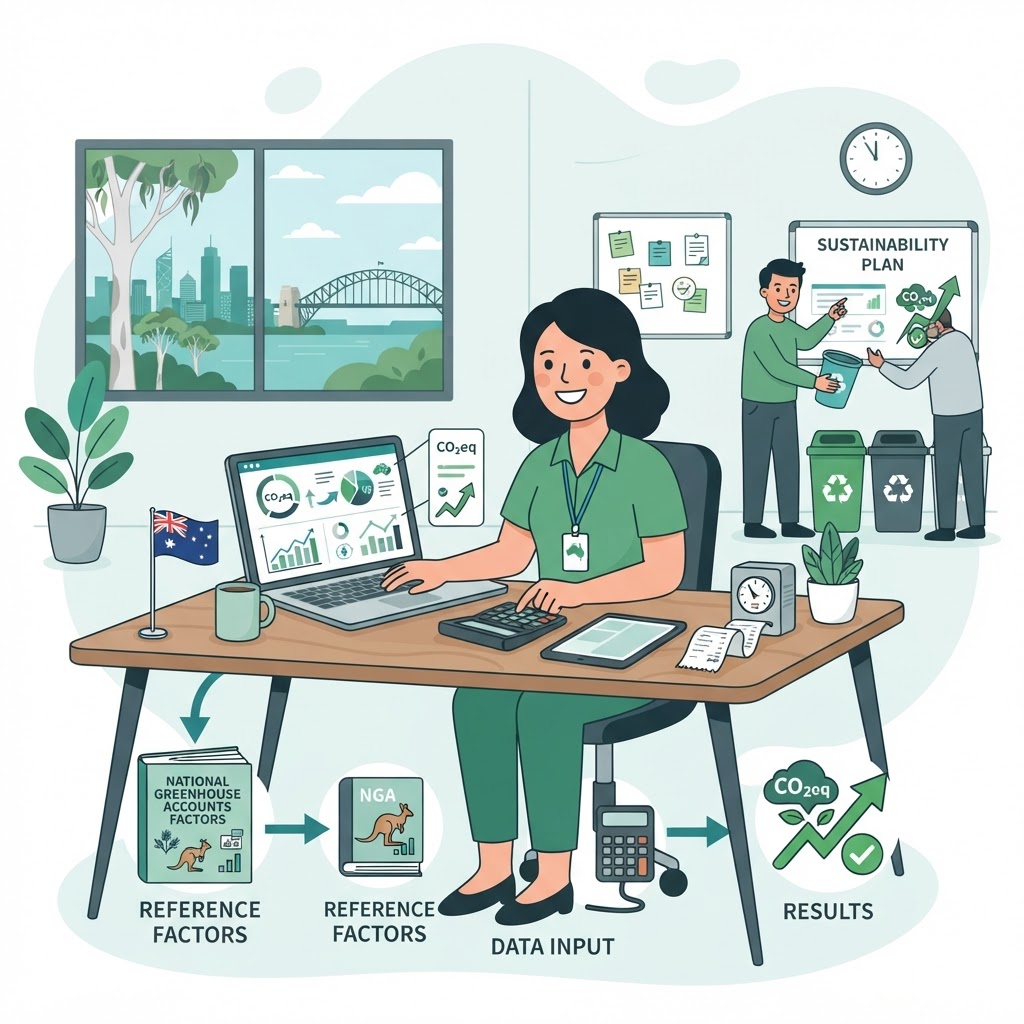
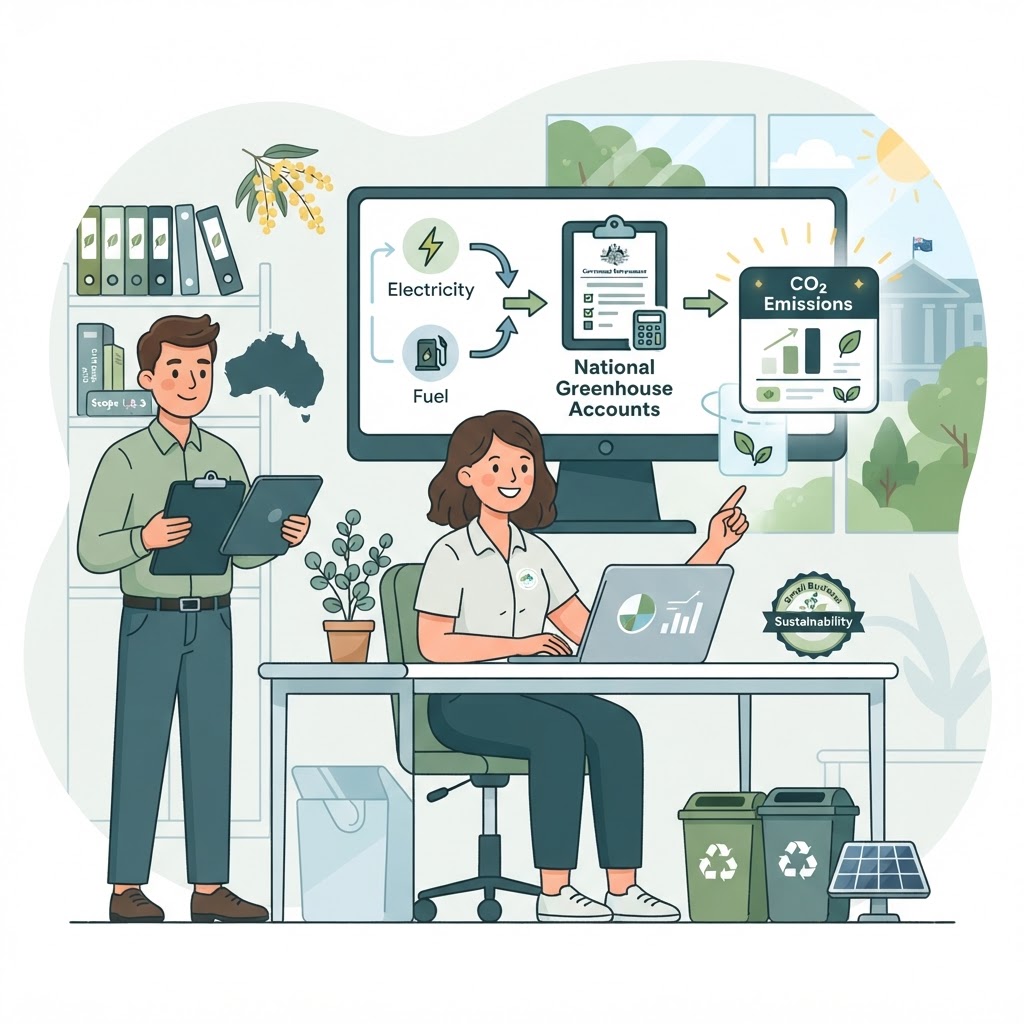
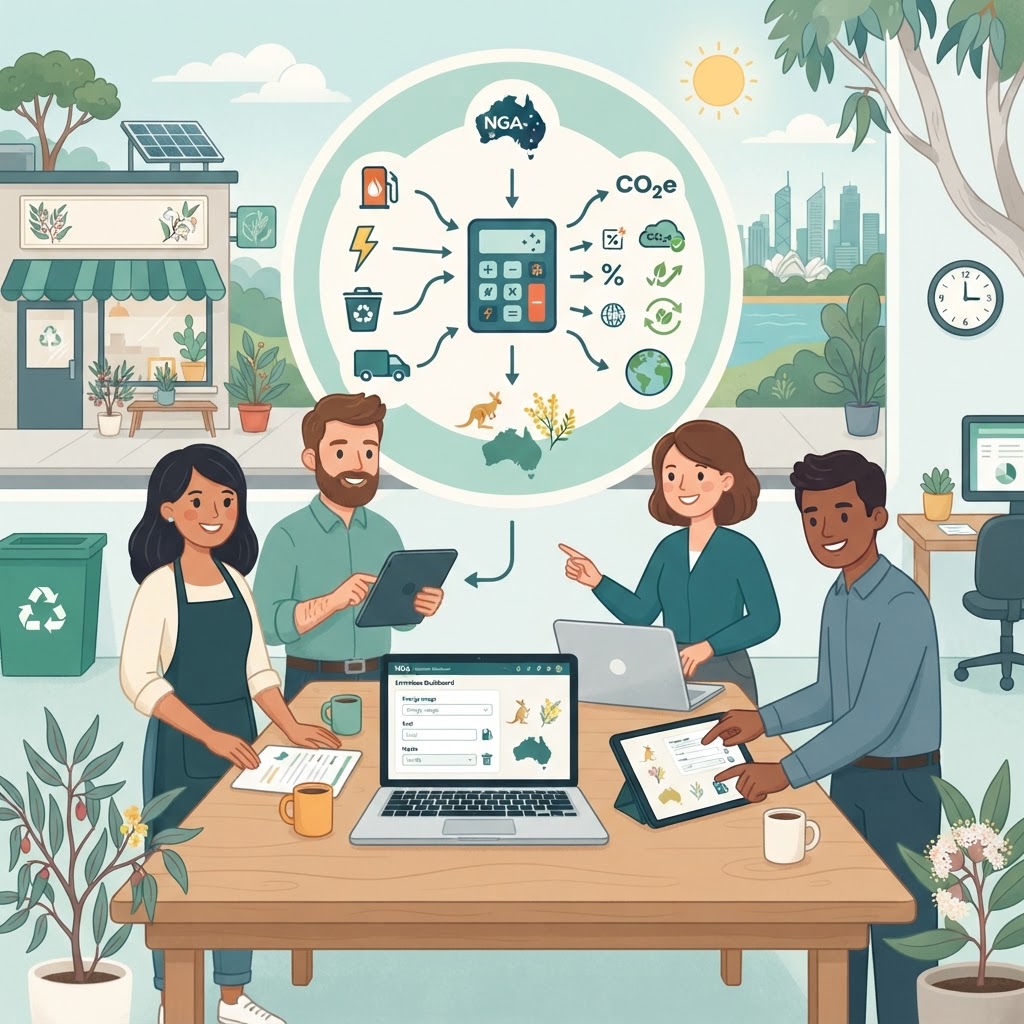
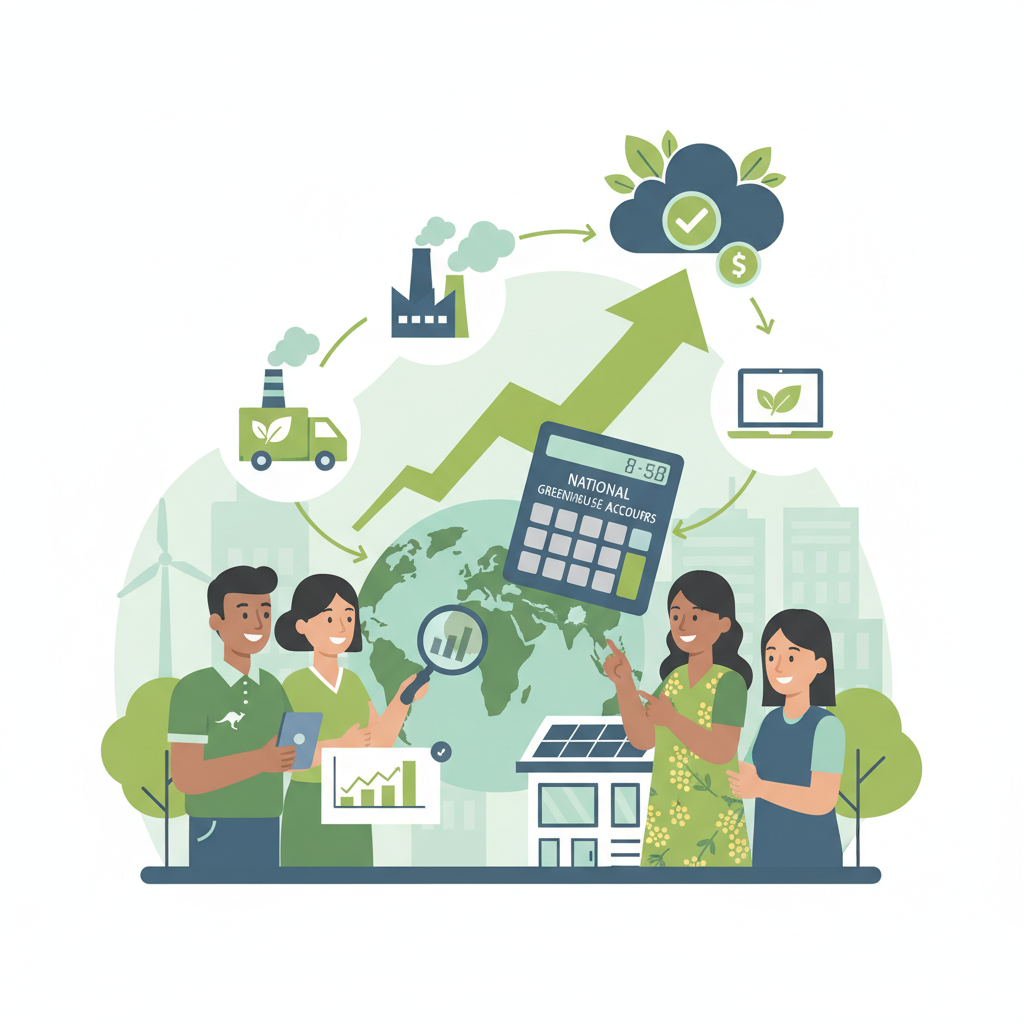
To avoid the pitfalls of greenwashing, Australian SMEs must anchor their reporting in the National Greenhouse Accounts (NGA) factors. The NGA factors provide the standard methodology for converting activity data—such as fuel combustion or electricity usage—into accurate carbon emissions. By leveraging these government-endorsed benchmarks, SMEs can demonstrate that their sustainability tender responses are based on objective, repeatable calculations rather than guesswork. Using ScopeTrack allows you to automate this alignment, ensuring every figure provided to a procurement officer is consistent with official Australian standards.
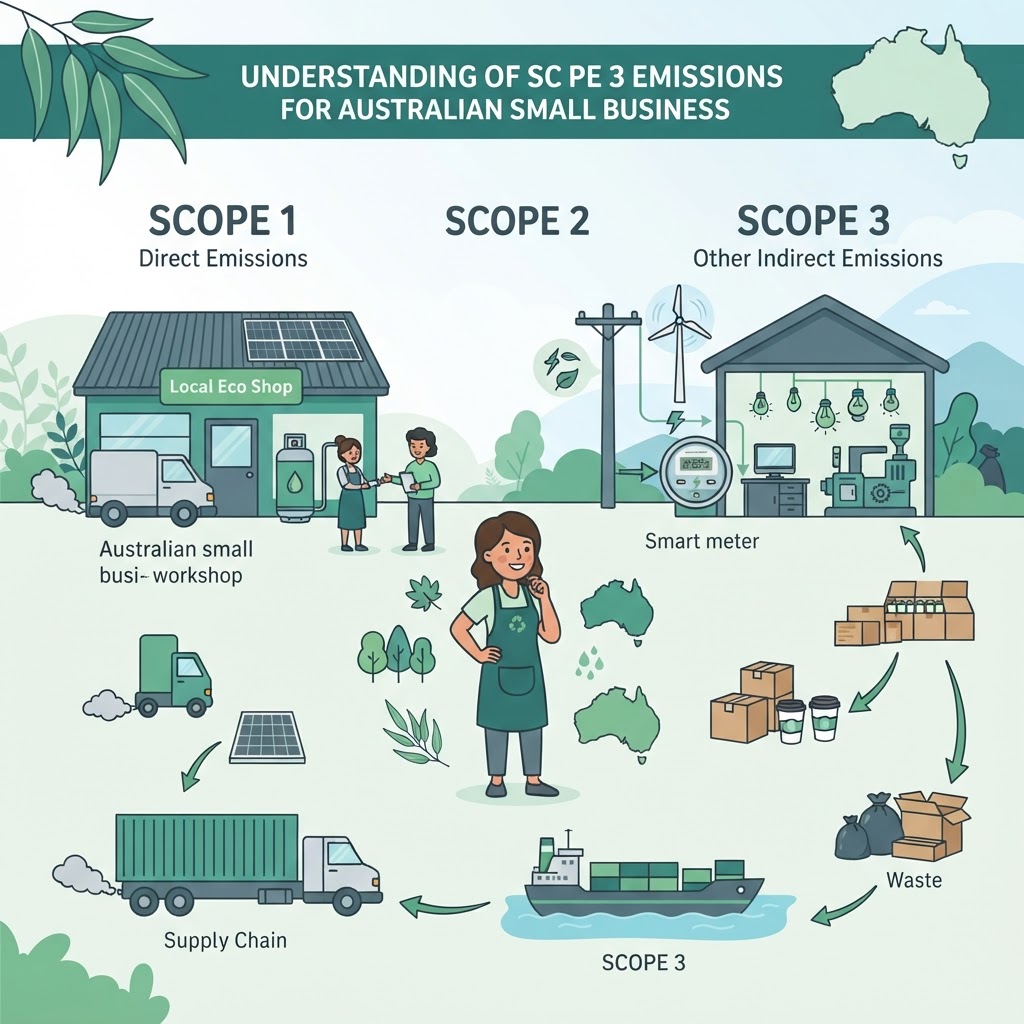
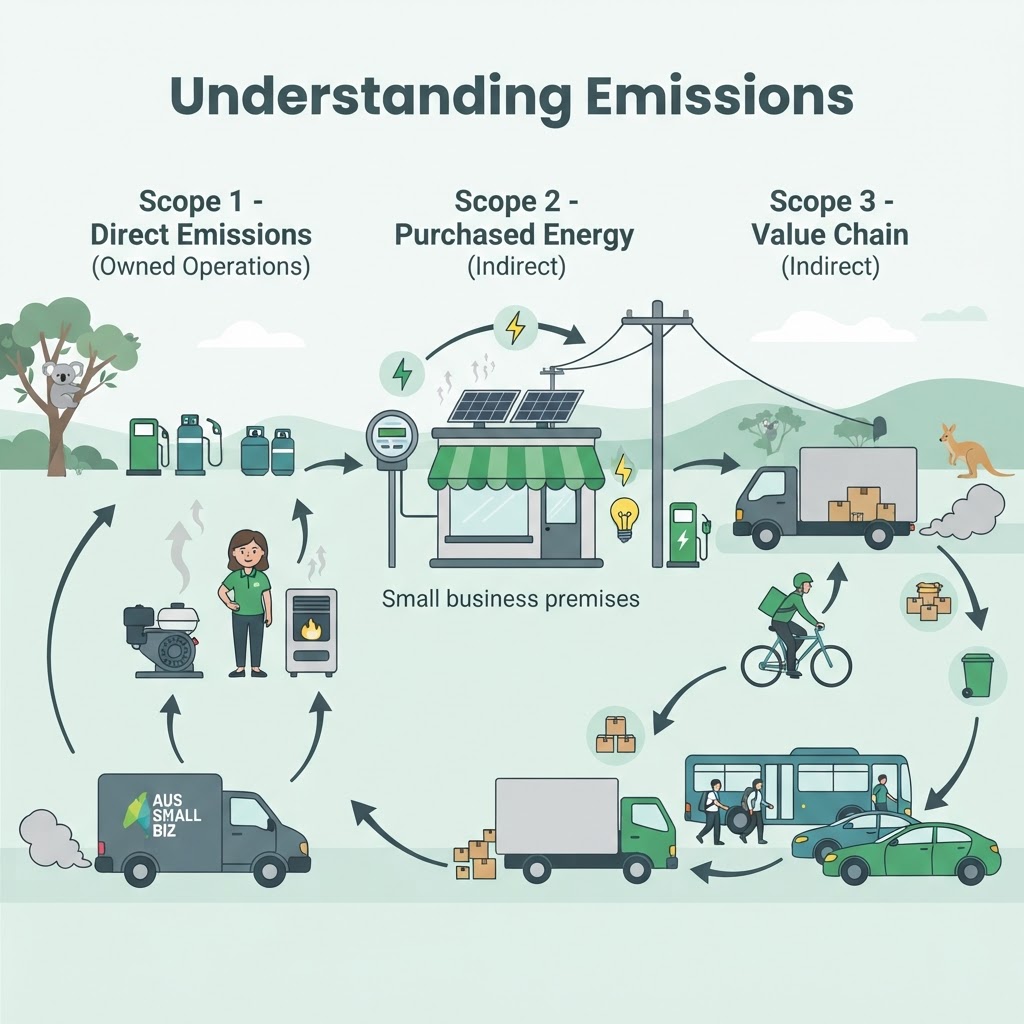
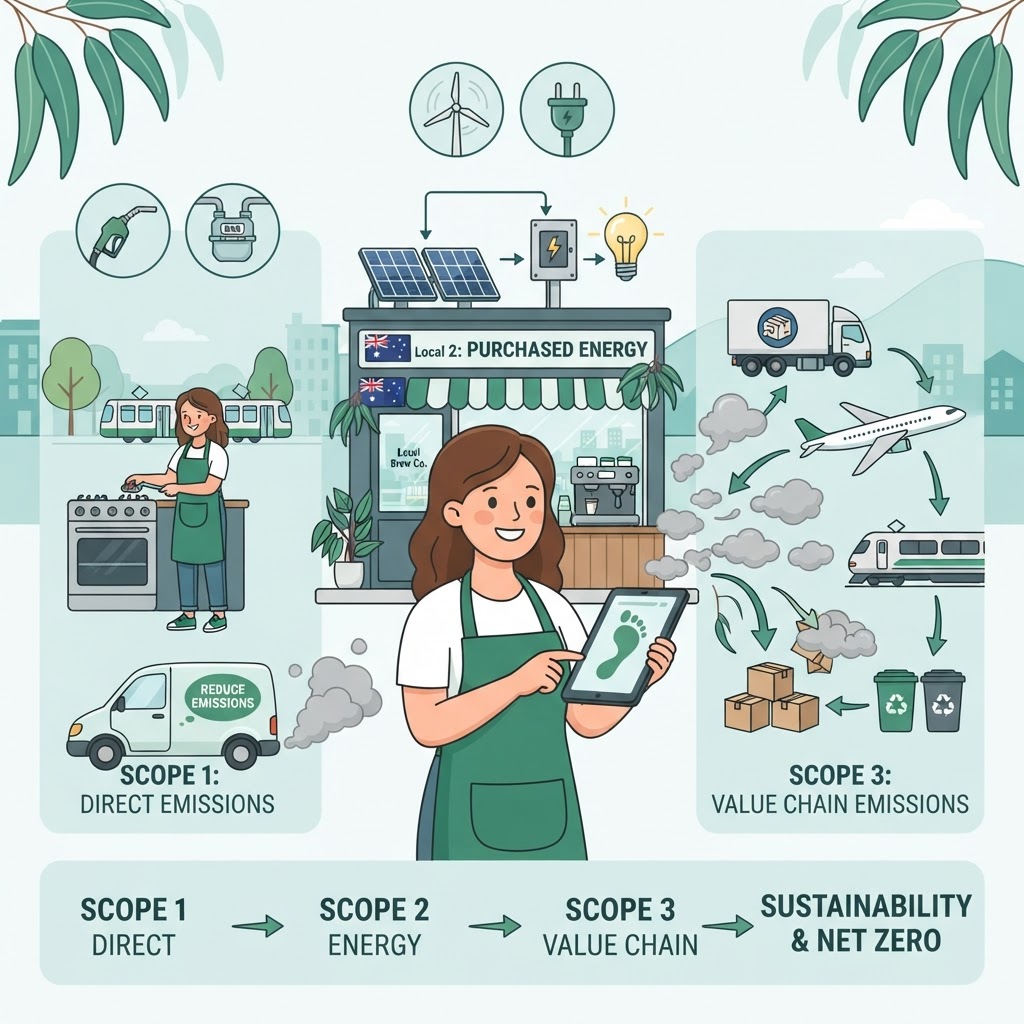
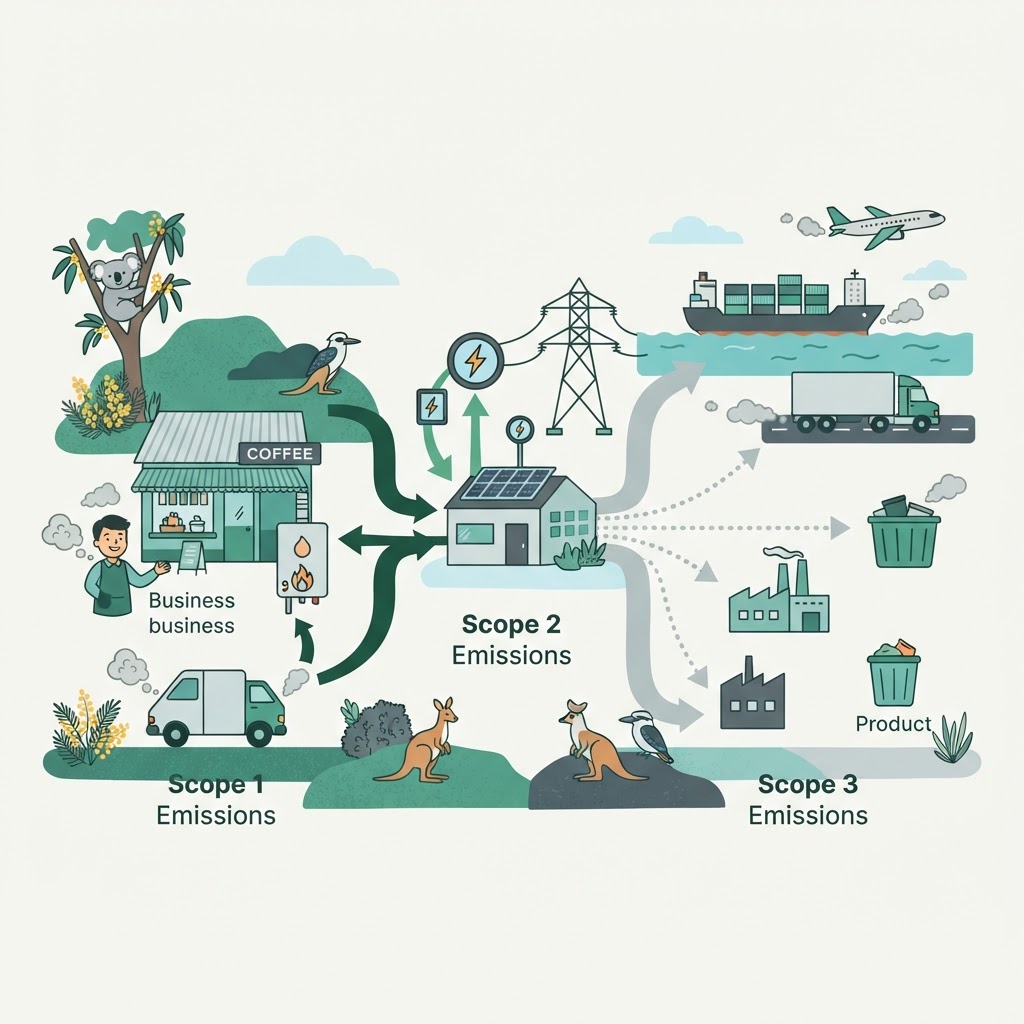
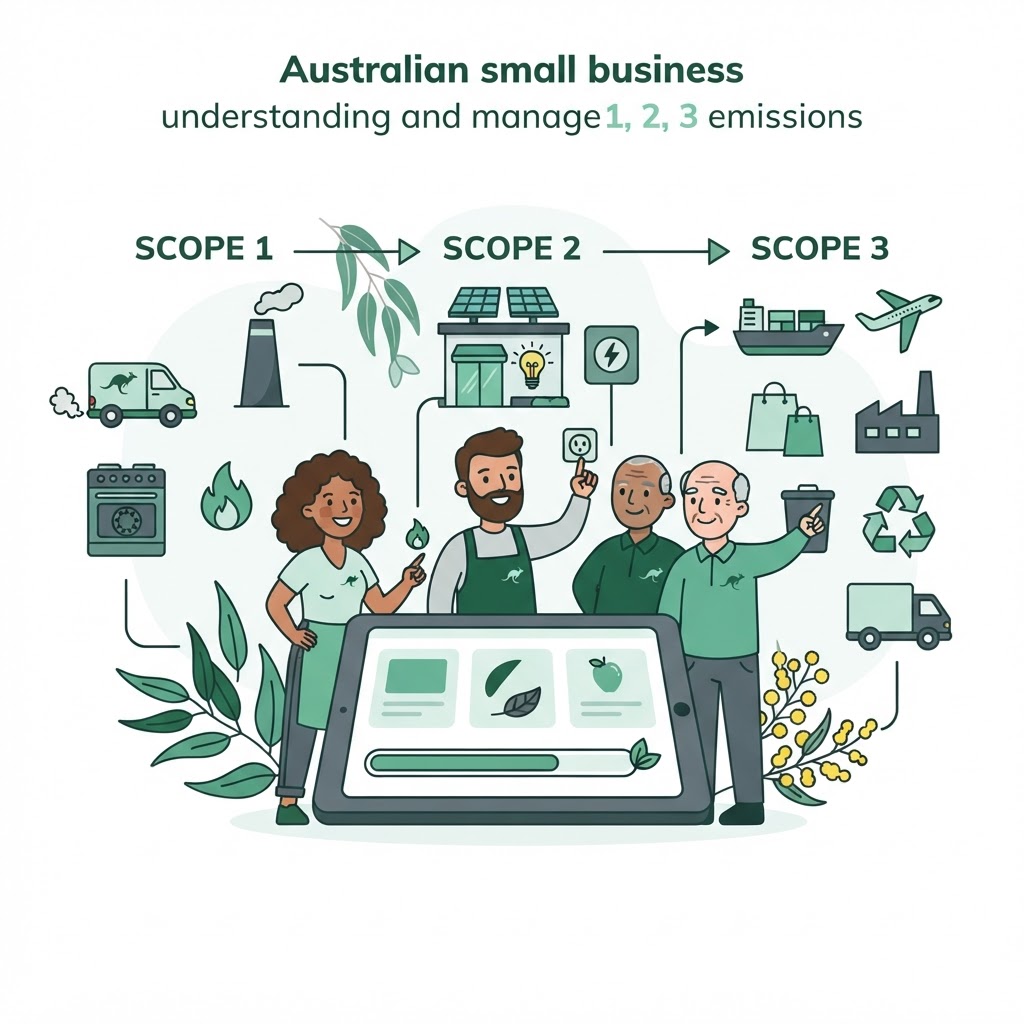
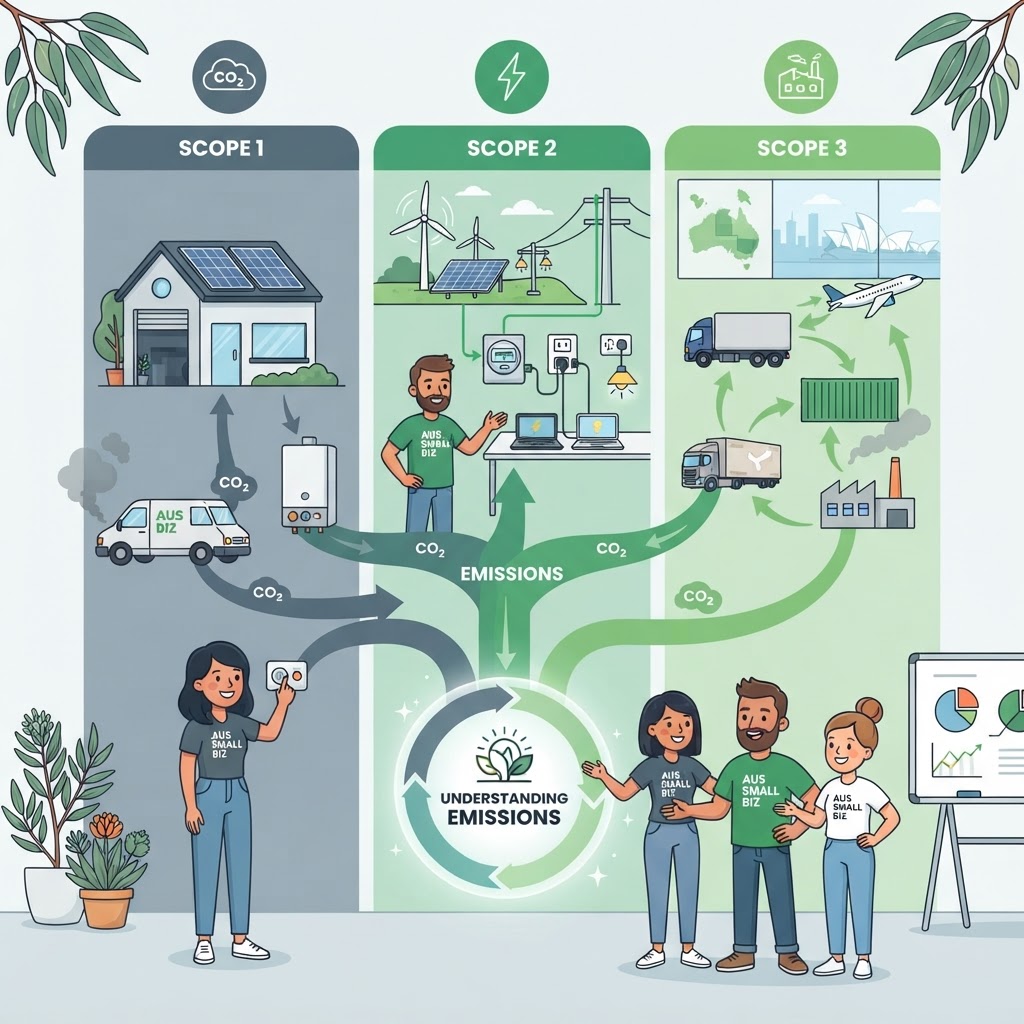
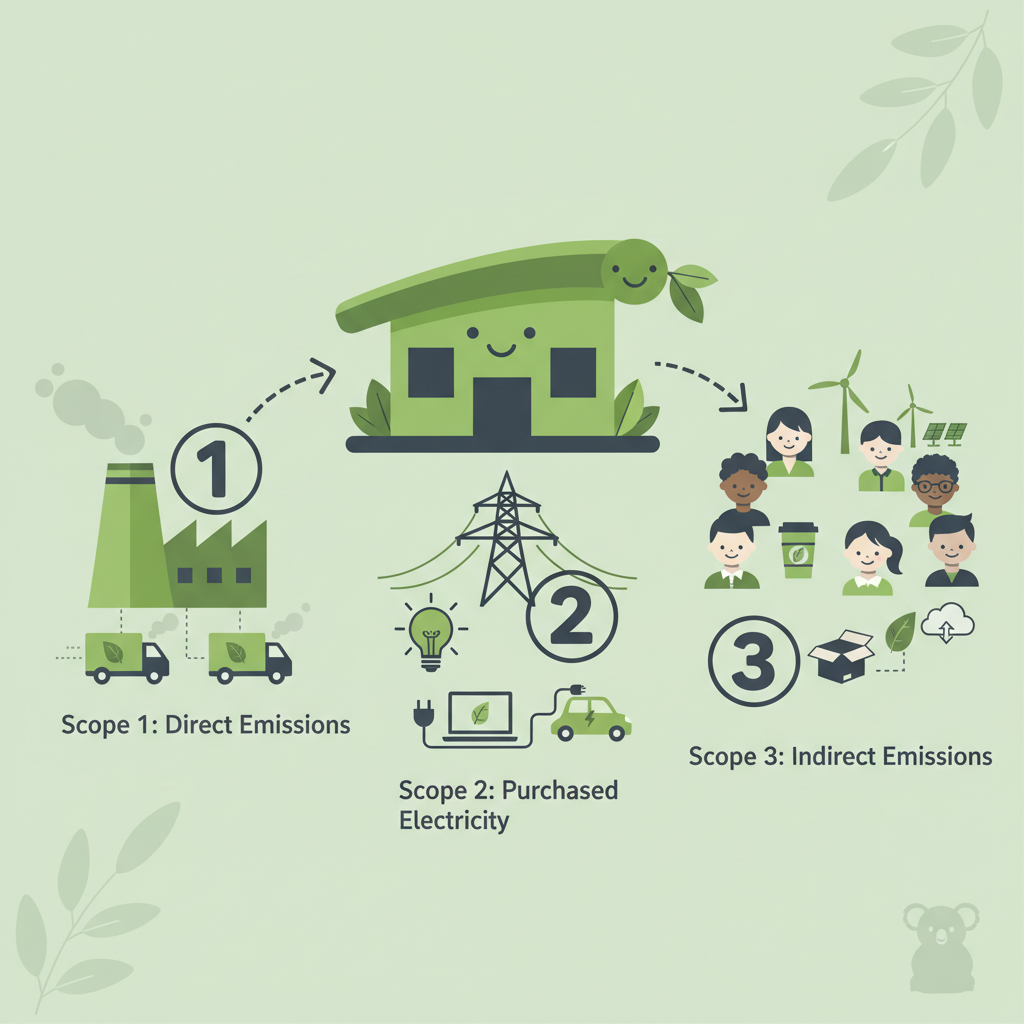
A common oversight for many SMEs is the failure to accurately capture the full breadth of their emissions profile. While Scope 1 and 2 emissions are relatively straightforward, Scope 3 reporting is now a non-negotiable requirement for many large enterprise buyers. Greenwashing accusations often arise when companies report their direct emissions but conveniently omit the significant environmental impact of their supply chain. Comprehensive carbon accounting tools allow you to transparently document your full emissions inventory, providing the evidence-led narrative that procurement teams demand.
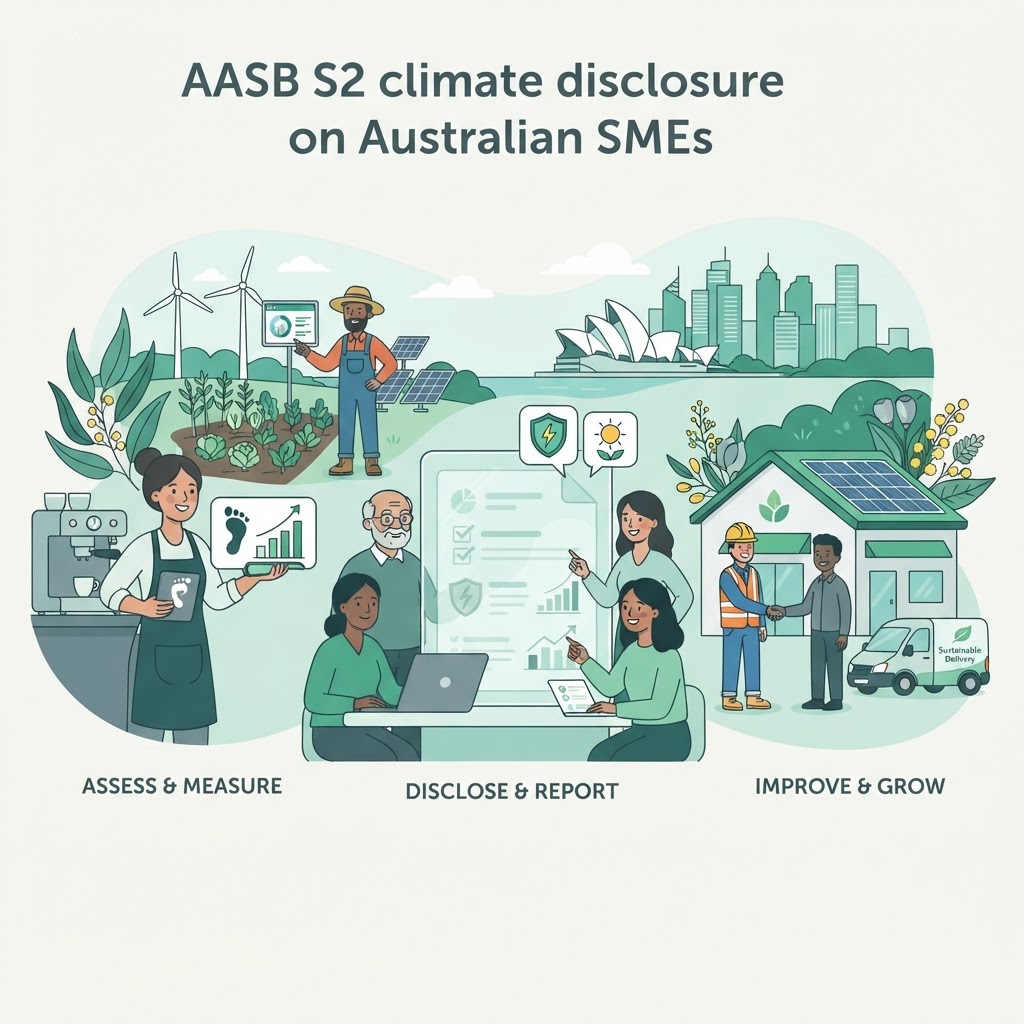
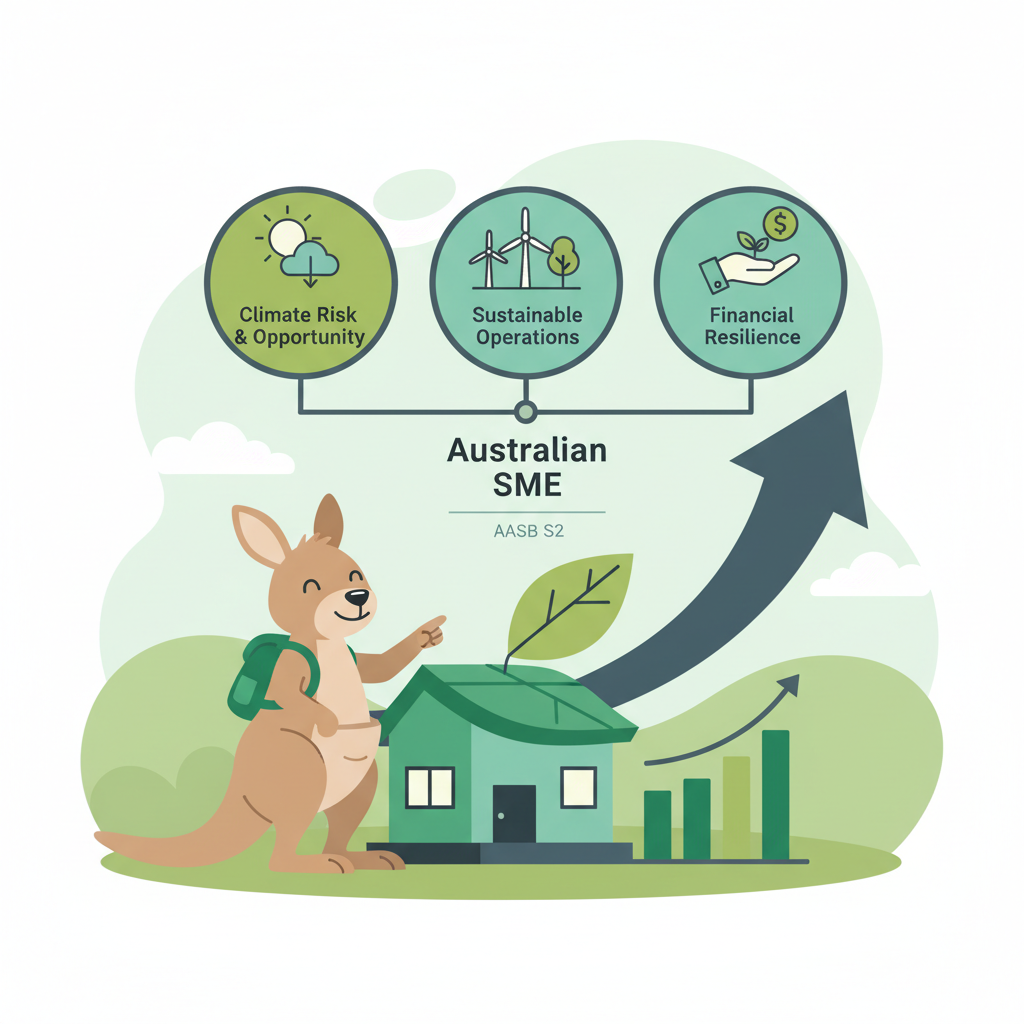
ASIC’s guidance in INFO 271 serves as a blueprint for avoiding misleading sustainability claims. It emphasises that any environmental assertion must be backed by data that is verifiable and current. Furthermore, the introduction of AASB S2 (Australian Accounting Standards Board) is setting a precedent for how carbon data is managed and reported. Even if your SME is not yet legally required to adhere to AASB S2, aligning your internal processes with these standards now prepares you for future procurement requirements and safeguards your business against allegations of greenwashing.
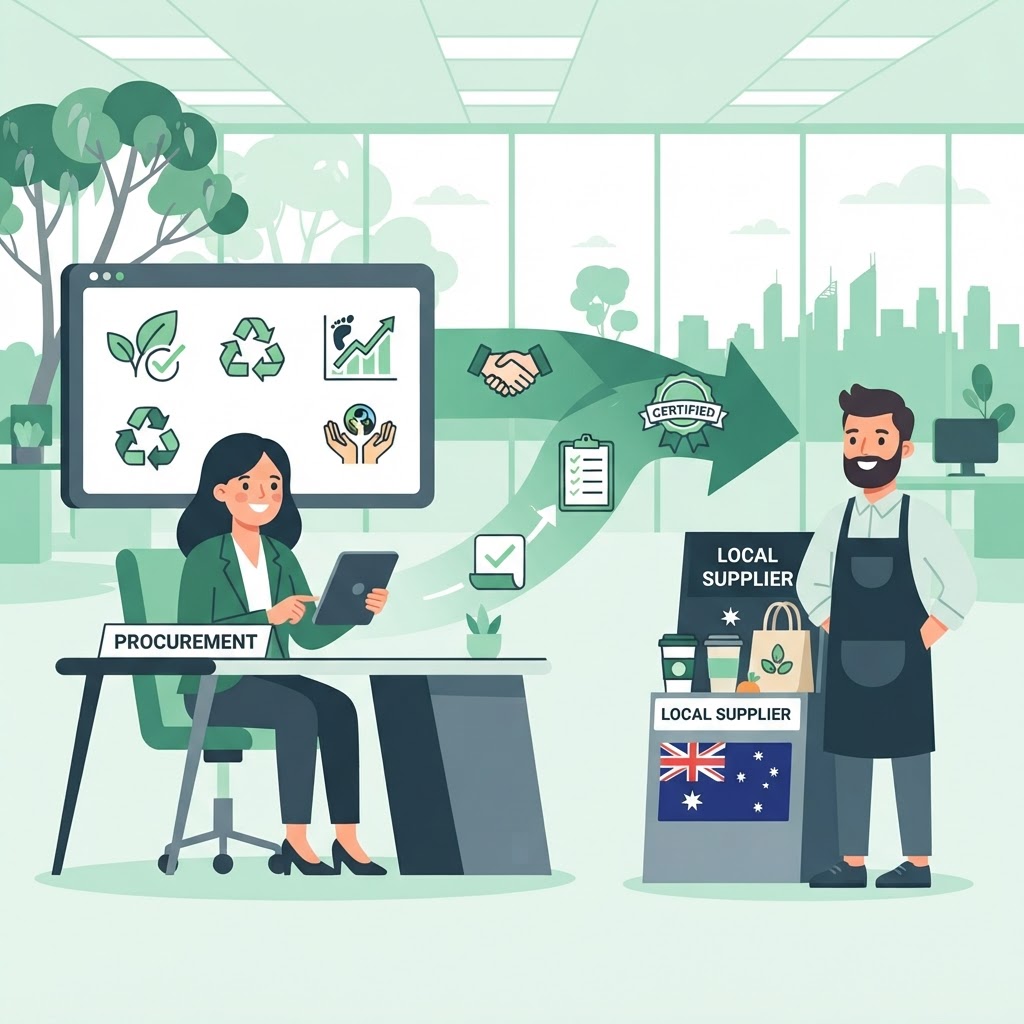
Procurement officers are increasingly wary of 'vague' sustainability data. The most effective way to distinguish your bid is through transparency. Instead of hiding behind generic claims, explain your methodology. Detail which emissions are included, which NGA factors were applied, and acknowledge any limitations in your current data collection. This level of honesty is rarely seen as a weakness; rather, it builds credibility and demonstrates a sophisticated approach to environmental management that aligns with ACCC expectations.
In the modern Australian procurement environment, data integrity is your greatest asset. By replacing vague green promises with accurate, evidence-backed carbon accounting, you protect your brand from the legal and reputational risks of greenwashing while simultaneously winning more contracts. Start your journey toward defensible sustainability reporting today with ScopeTrack, and turn your commitment to the planet into a tangible competitive advantage. Contact us to learn how our platform ensures your tender responses meet the highest standards of regulatory compliance.

What is greenwashing in the context of Australian procurement?
Greenwashing occurs when a business makes misleading or unsubstantiated claims about its environmental credentials or sustainability performance to win a contract. The ACCC monitors these claims to ensure they are accurate and supported by evidence.
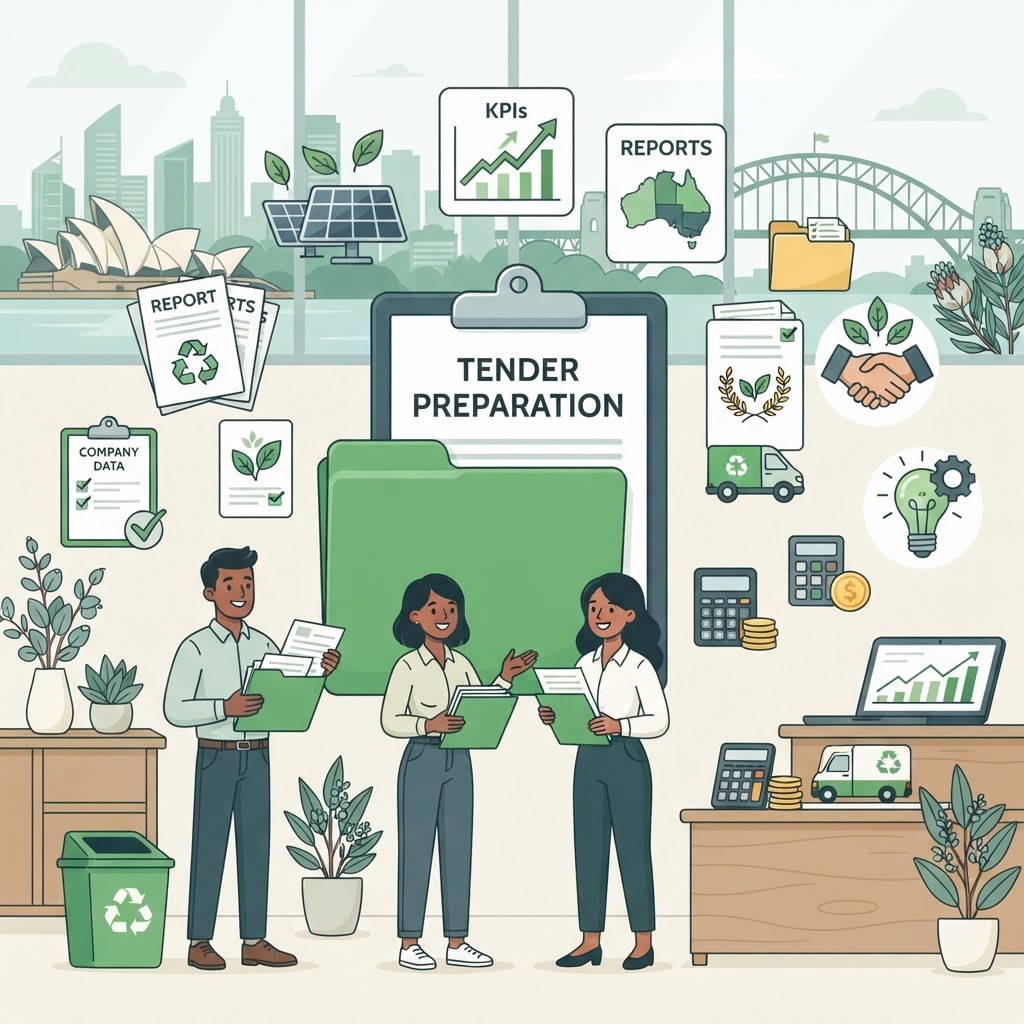
How do I ensure my sustainability claims comply with ASIC expectations?
Follow the principles in ASIC INFO 271, which requires that any environmental claim be based on reasonable grounds and backed by verifiable, current data. Using standardised carbon accounting frameworks, such as those compliant with NGA factors, helps provide this required foundation.
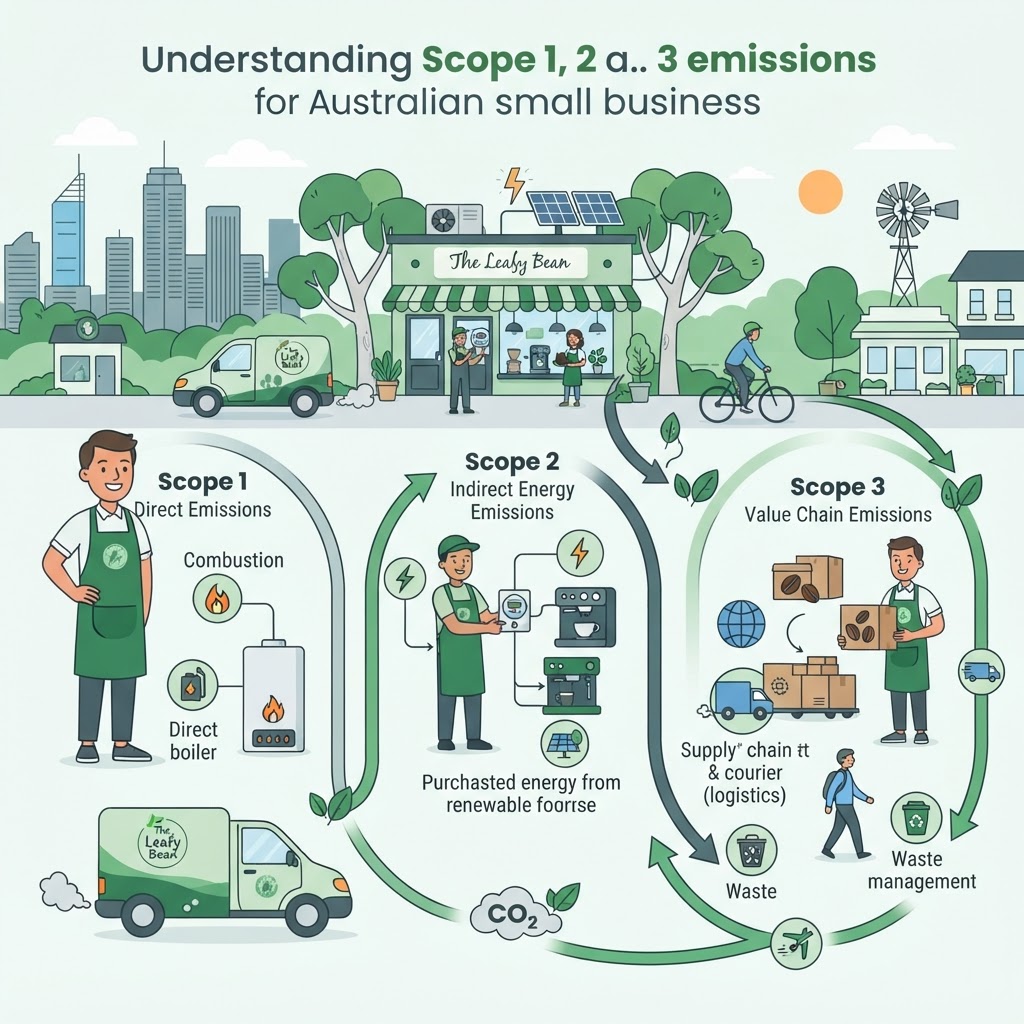
Why is Scope 3 data essential for SME tender responses?
Large enterprise buyers often require Scope 3 reporting because their own climate targets depend on the carbon footprint of their supply chain. Providing accurate, evidence-backed Scope 3 data differentiates your bid and mitigates supply chain risk for the buyer.