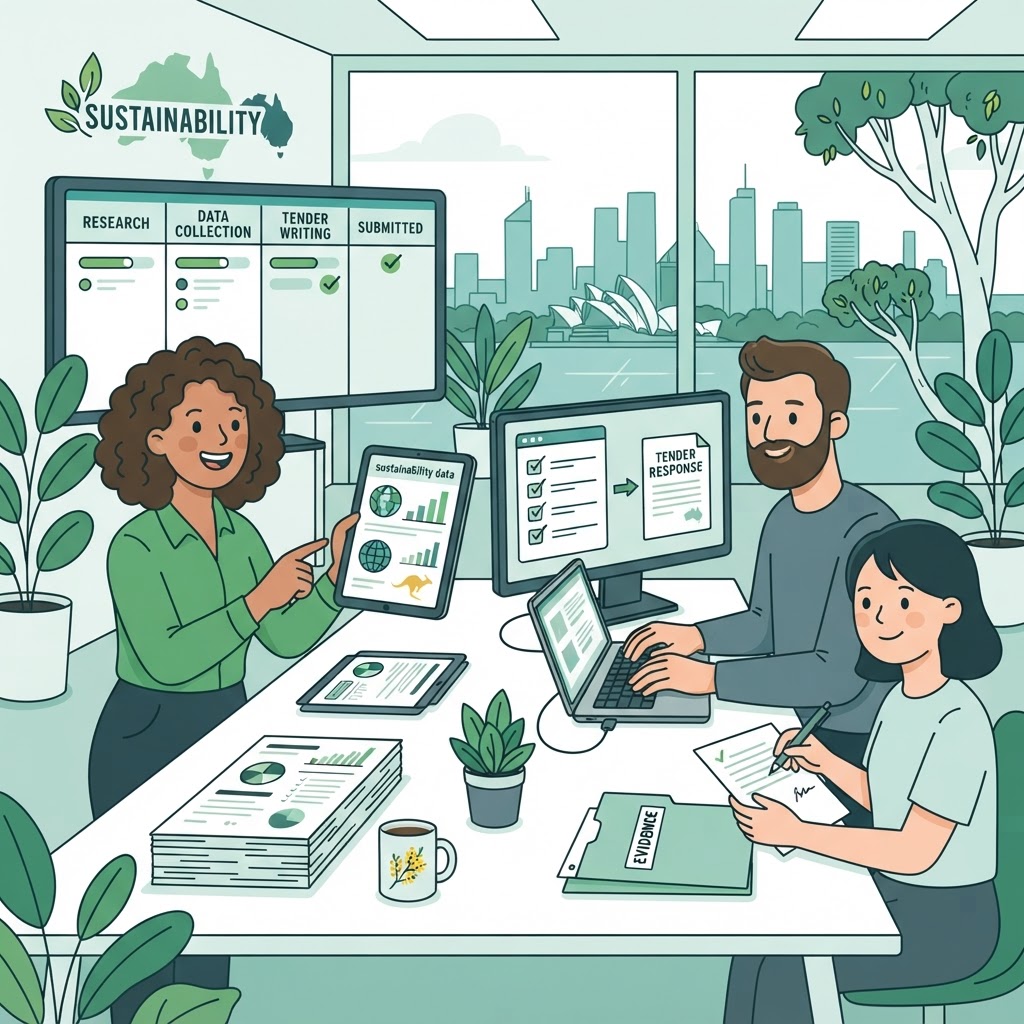
Beyond Greenwashing: Ensuring Regulatory Integrity in Your Carbon Reporting
Learn how Australian SMEs can navigate ACCC and ASIC guidelines to produce evidence-backed sustainability tender responses that stand up to regulatory scrutiny.
Read blogPractical PrimeGreen guidance for SMEs preparing stronger sustainability tender responses.

Learn how Australian SMEs can navigate ACCC and ASIC guidelines to produce evidence-backed sustainability tender responses that stand up to regulatory scrutiny.
Read blog
Learn how Australian SMEs can build trust with enterprise buyers by transforming raw data into verified, evidence-backed sustainability tender responses.
Read blog
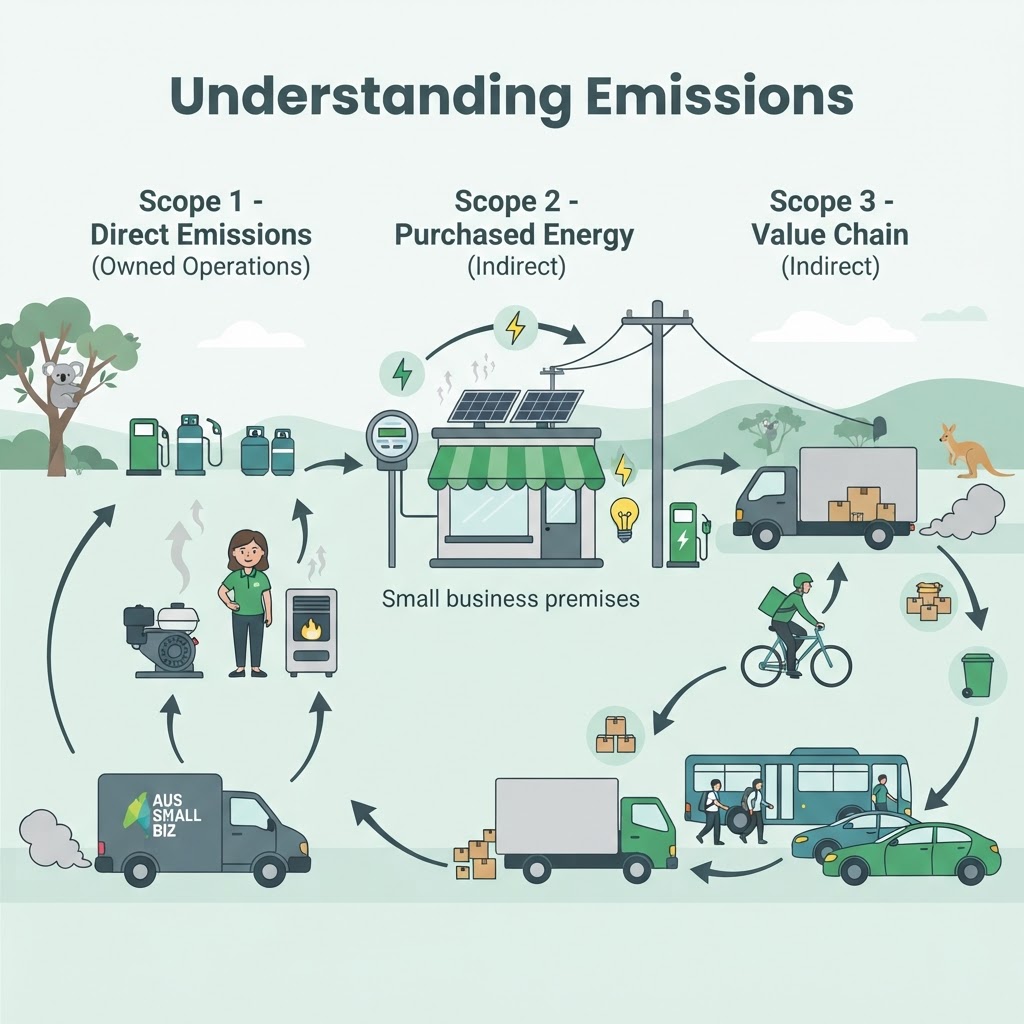
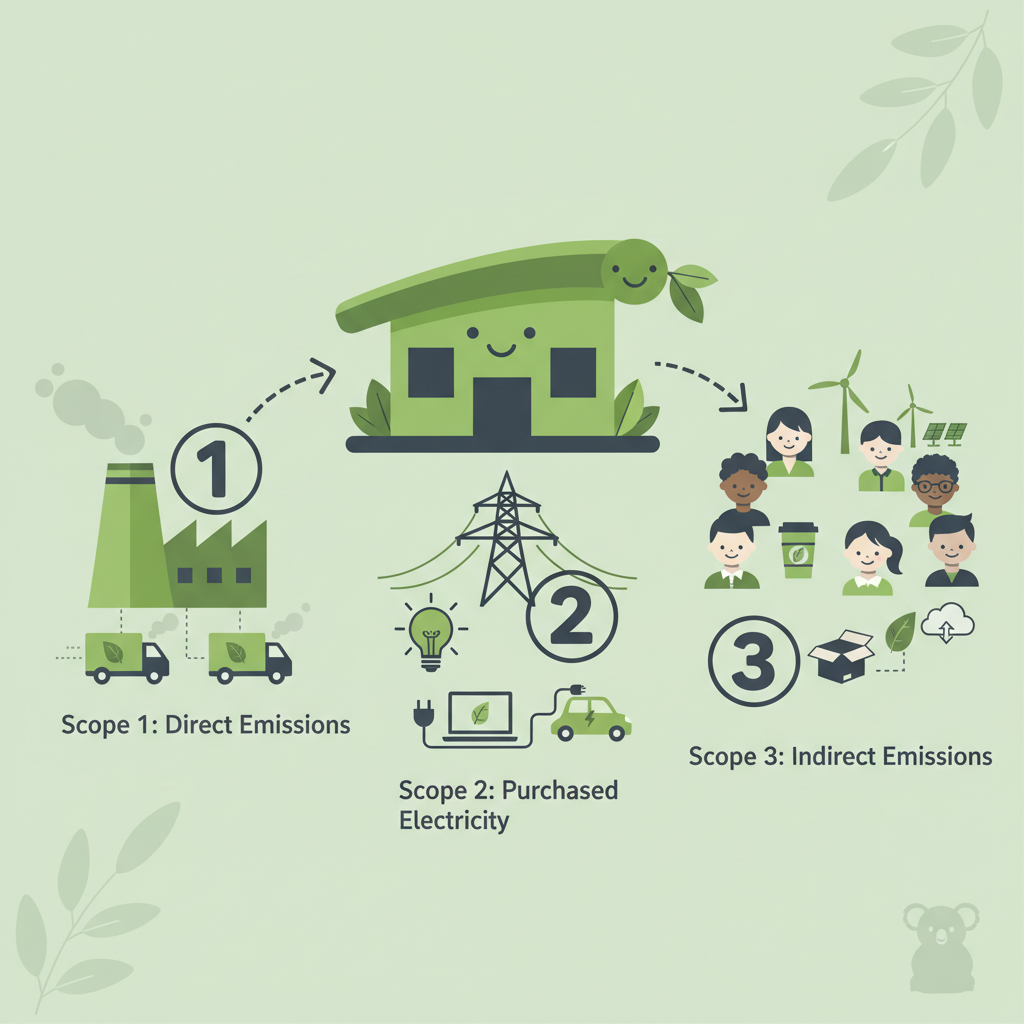
Demystify the complexities of Scope 1, 2, and 3 emissions to sharpen your sustainability tender responses and meet Australian procurement requirements.
Read blog
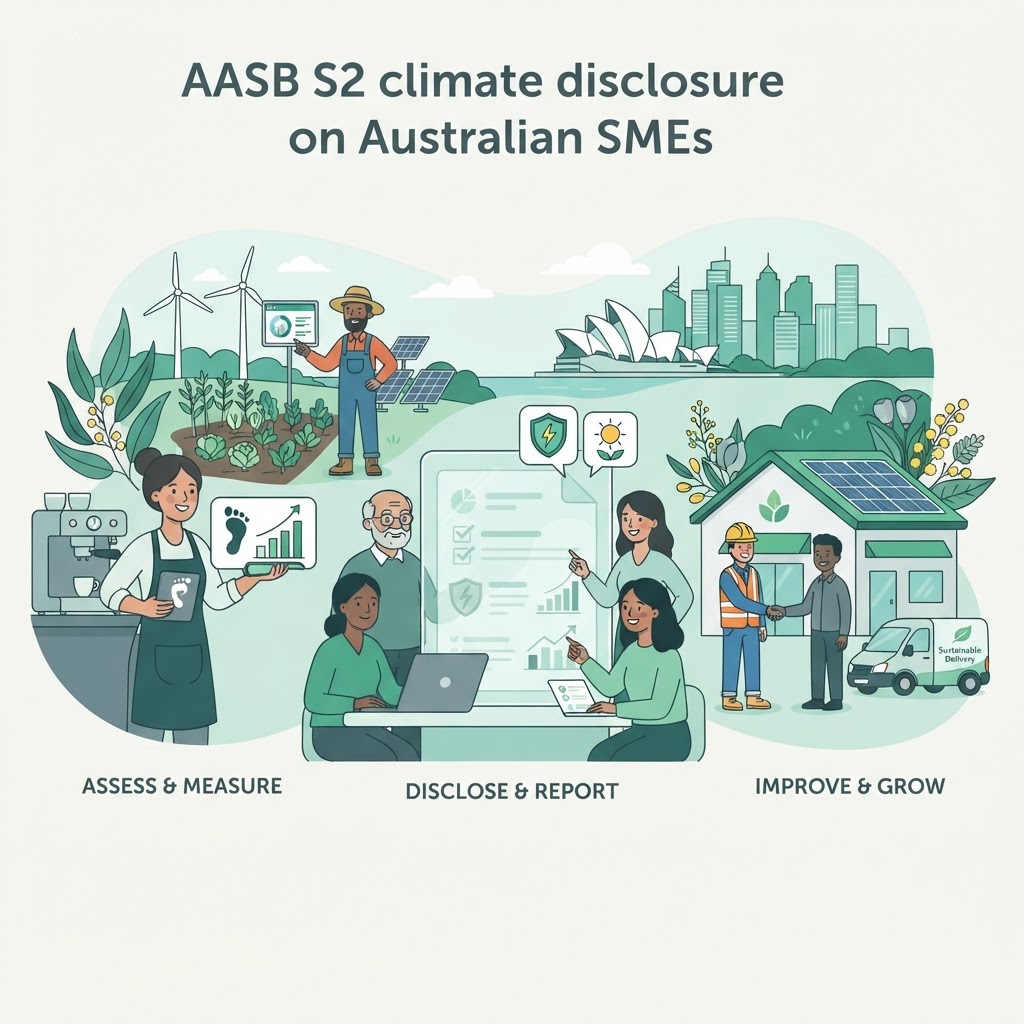
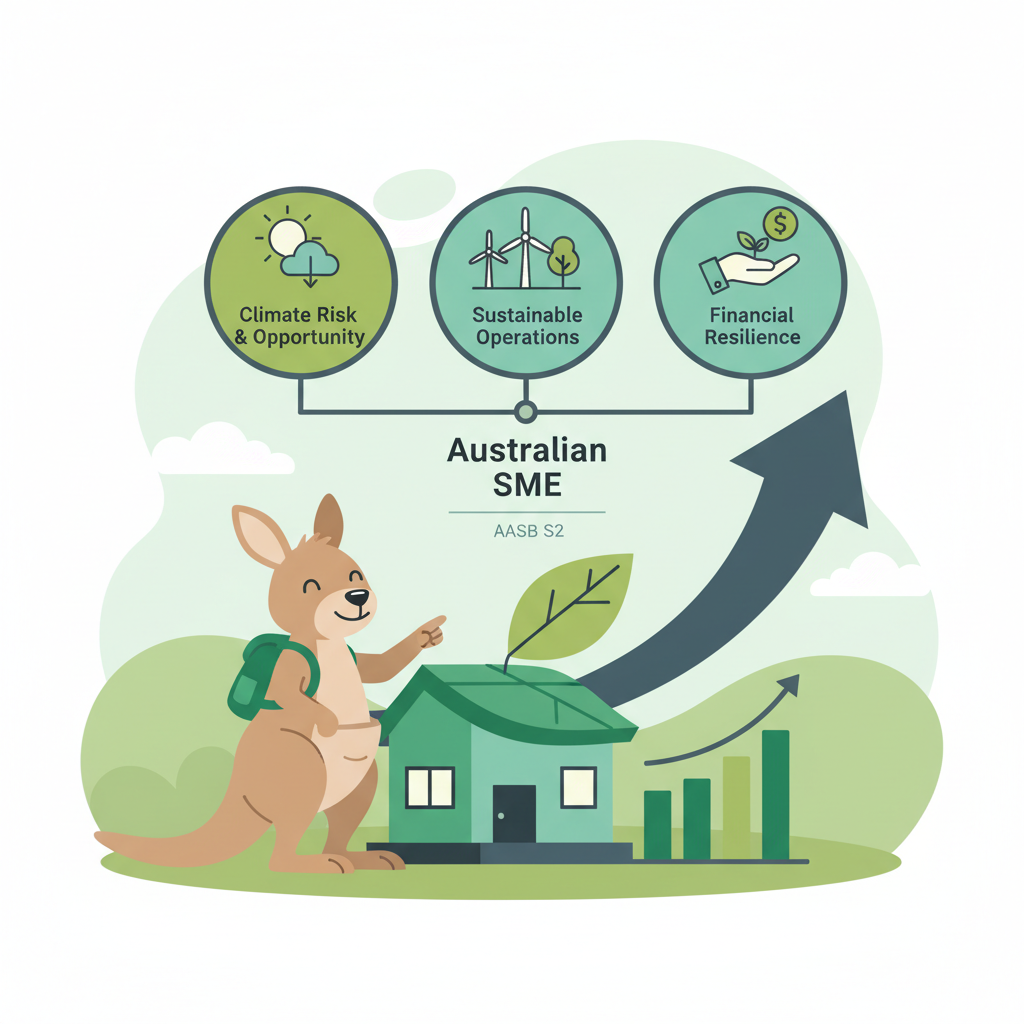
Discover how the AASB S2 climate reporting standards are filtering down to Australian SMEs and how to prepare your data for procurement success.
Read blog
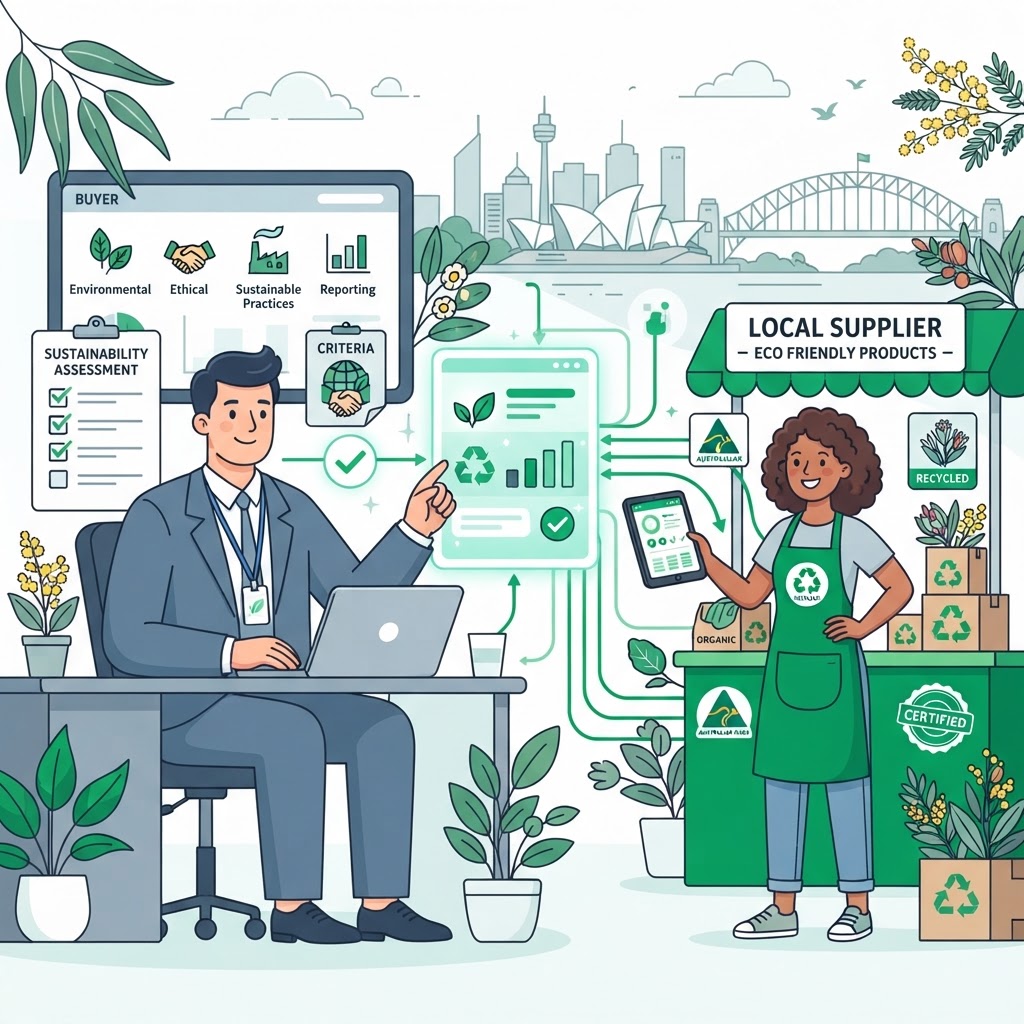
Discover how major Australian enterprise buyers evaluate supplier sustainability and what evidence you need to secure your next contract.
Read blog
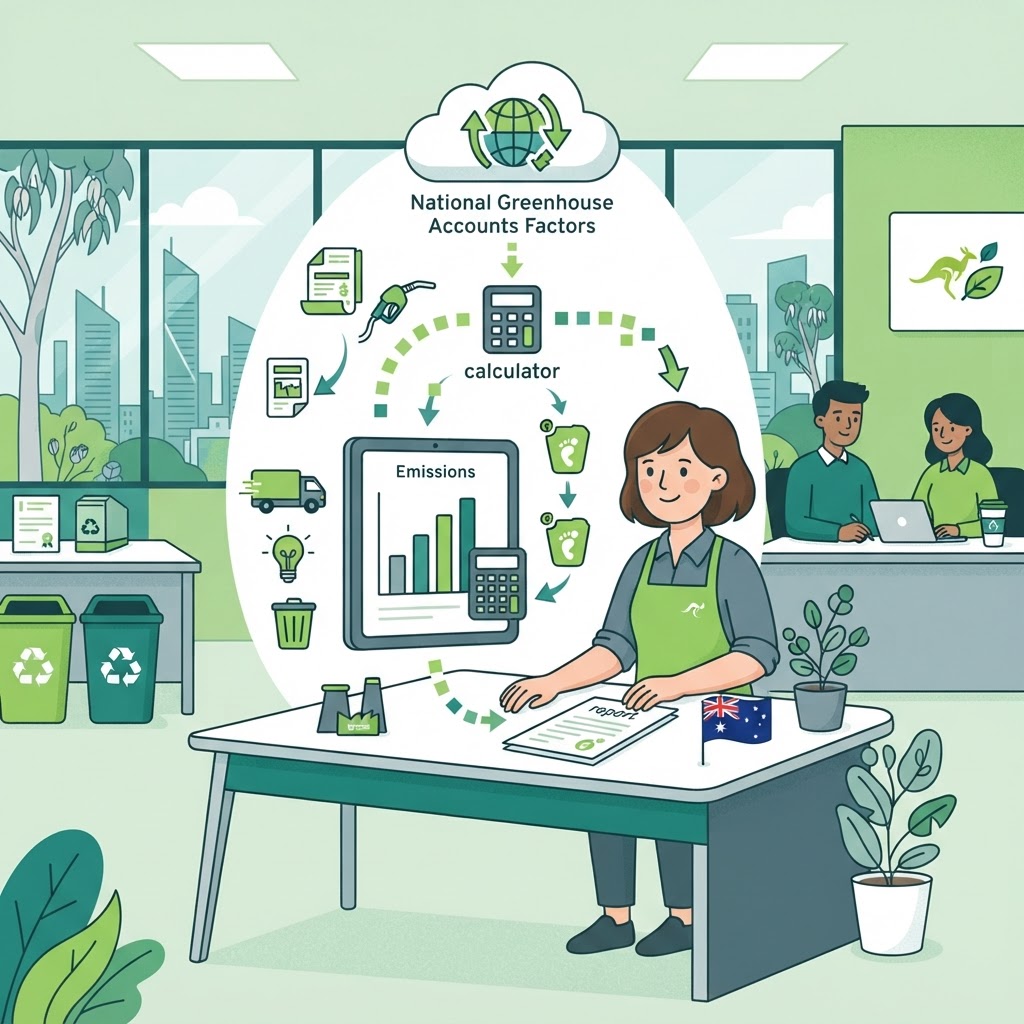
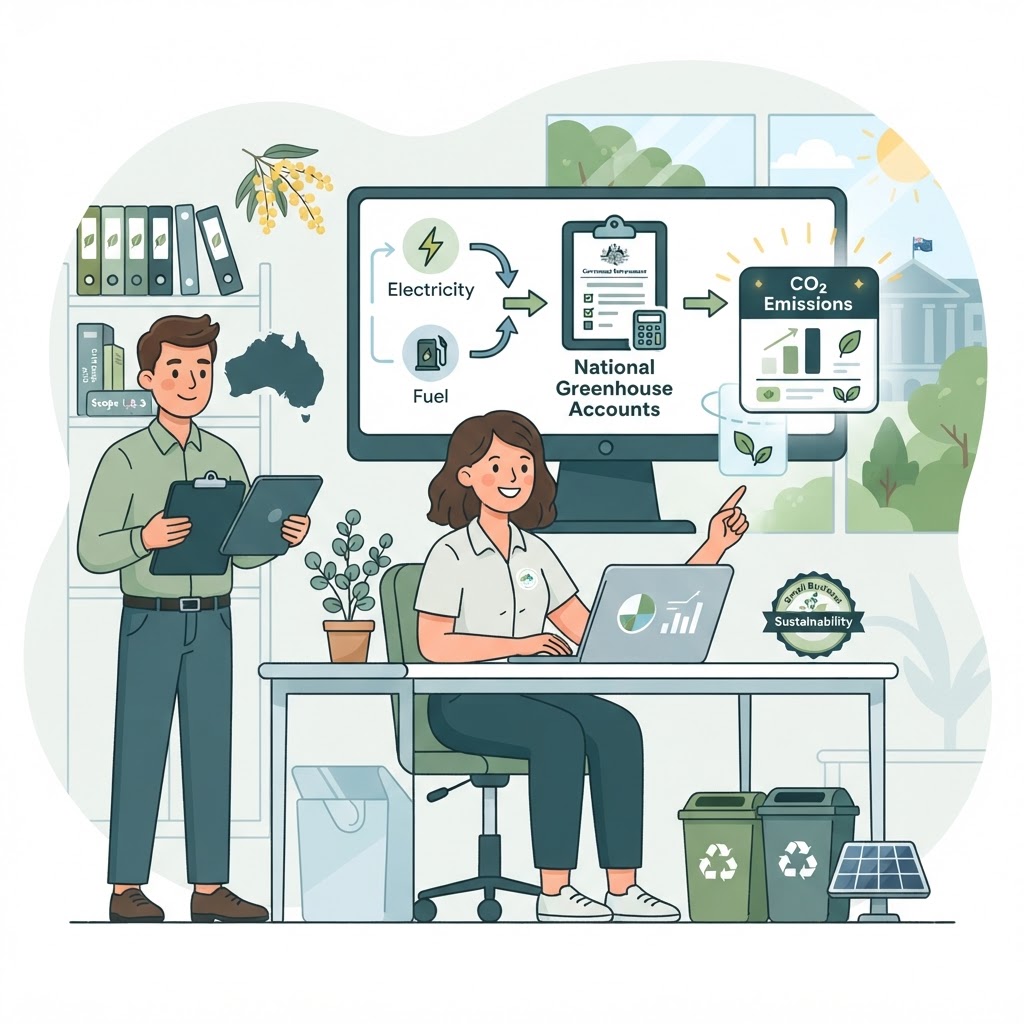
Learn how to use official National Greenhouse Accounts factors to build audit-ready emissions data for competitive Australian sustainability tenders.
Read blog
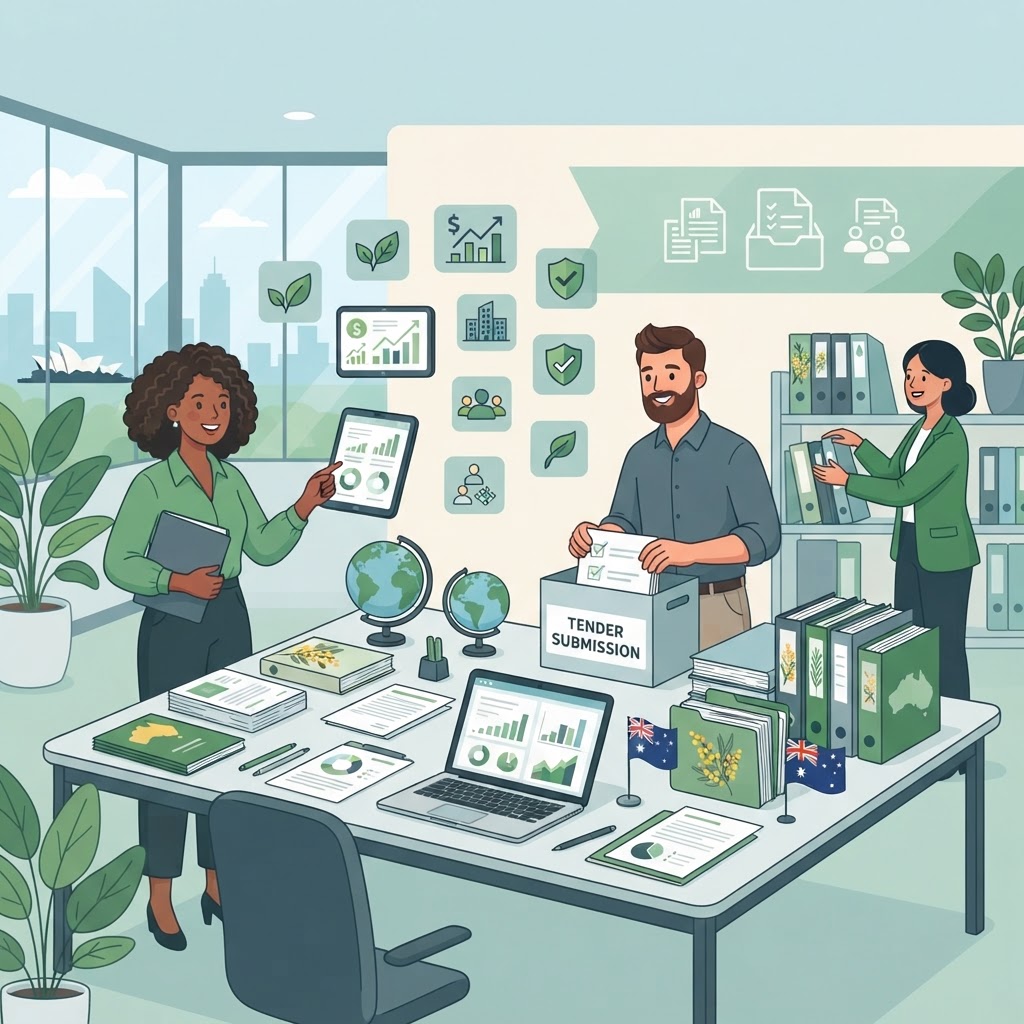
Streamline your next procurement bid by preparing the essential carbon documentation and data evidence required by enterprise buyers.
Read blog
Learn how Australian SMEs can safeguard their reputation and win contracts by aligning sustainability reporting with ACCC and ASIC expectations.
Read blog
Discover how Australian SMEs can build a rigorous, evidence-backed foundation for sustainability tenders by mastering data integrity and reporting transparency.
Read blog
Navigating the complexities of Scope 1, 2, and 3 emissions is essential for Australian SMEs looking to win procurement contracts through credible sustainability reporting.
Read blog
Discover how the AASB S2 climate disclosure standards impact Australian SMEs and why precision in carbon accounting is now a prerequisite for winning government and enterprise contracts.
Read blog
Discover the rigorous validation methods major Australian buyers use to audit SME sustainability claims and how you can prepare to pass.
Read blog
Learn how Australian SMEs can leverage National Greenhouse Accounts factors to build audit-ready, evidence-based emissions reports for high-value tenders.
Read blog
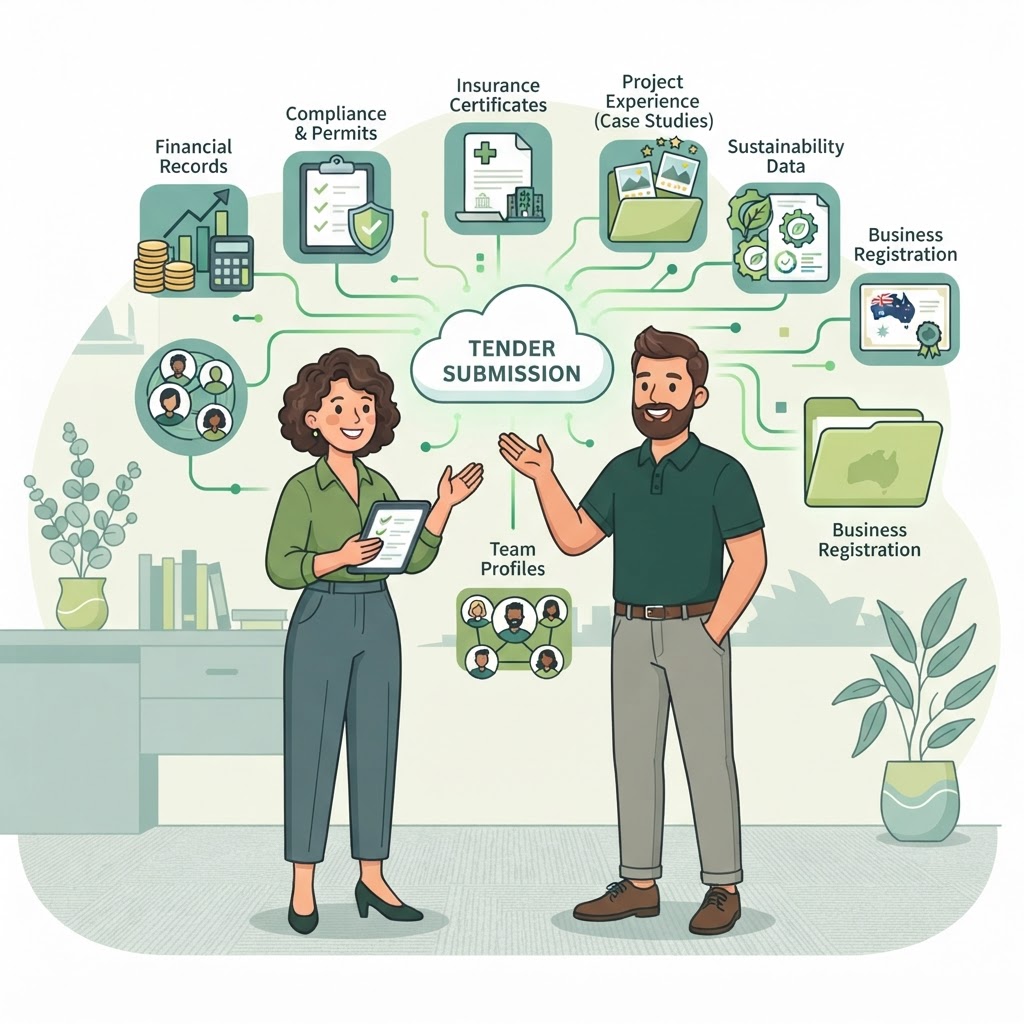
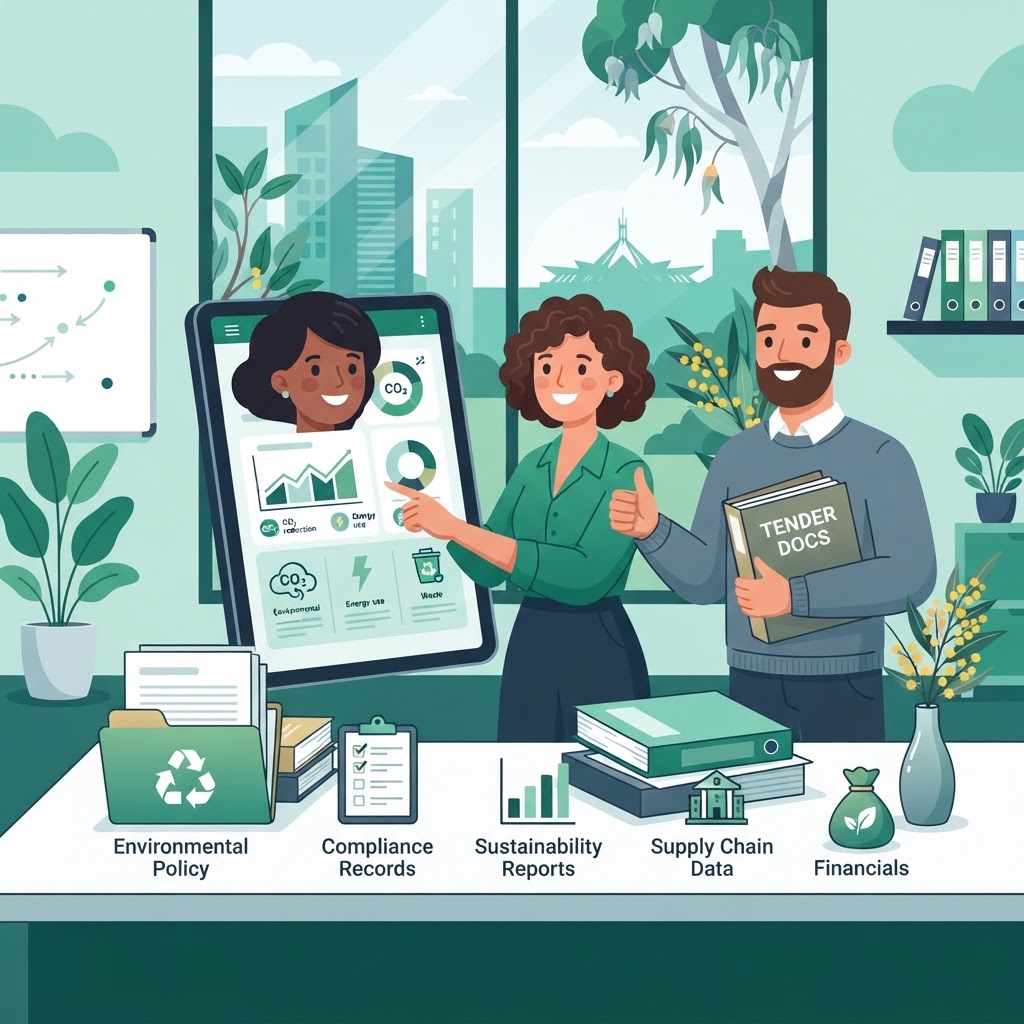
Preparing for a sustainability tender requires more than just good intentions; it demands an evidence-based repository of carbon data and operational documentation.
Read blog
Learn how Australian SMEs can safeguard their procurement bids against greenwashing accusations by aligning carbon accounting with ACCC and ASIC expectations.
Read blog
Learn how Australian SMEs can transform their emissions data into a competitive advantage to secure major government and enterprise contracts.
Read blog
Mastering the complexities of Scope 1, 2, and 3 emissions is no longer optional for Australian SMEs looking to secure major contracts in an increasingly sustainability-conscious market.
Read blog
While AASB S2 primarily targets large entities, the ripple effect on Australian SMEs means that precise emissions reporting is now a non-negotiable requirement for winning major supply chain contracts.
Read blog
Discover the rigorous criteria Australian enterprise buyers use to assess SME sustainability credentials and how to ensure your carbon data stands up to scrutiny.
Read blog
Discover how Australian SMEs can use the latest National Greenhouse Accounts factors to build credible, evidence-backed sustainability tender responses.
Read blog
Streamline your next tender submission by gathering the essential carbon data and evidence-backed documentation Australian SMEs need to win.
Read blog
Learn how Australian SMEs can align with ACCC and ASIC expectations by building evidence-backed sustainability tender responses that avoid greenwashing pitfalls.
Read blog
Elevate your Australian SME's tender competitiveness by mastering the art of crafting evidence-backed sustainability responses, moving beyond claims to verifiable impact.
Read blog
Learn how to demystify carbon classifications to build accurate, defensible sustainability reports that help your SME win more procurement contracts.
Read blog
While AASB S2 targets large entities, Australian SMEs are feeling the ripple effects as major buyers now demand high-integrity climate data.
Read blog
Discover the precise criteria major Australian buyers use to vet SME sustainability claims and how to turn your carbon accounting data into a competitive tender advantage.
Read blog
Learn how Australian SMEs can leverage National Greenhouse Accounts factors to build ironclad, evidence-backed sustainability tender responses.
Read blog
Prepare your SME for competitive procurement by auditing your carbon data and documentation before the tender deadline hits.
Read blog
Learn how Australian SMEs can align their sustainability disclosures with ACCC and ASIC expectations to win government and corporate tenders.
Read blog
Learn how to transform your carbon data into a competitive advantage for Australian procurement tenders by focusing on transparency and verifiable evidence.
Read blog
Demystify the complexities of Scope 1, 2, and 3 emissions to build competitive, evidence-backed sustainability tender responses for Australian SMEs.
Read blog
Discover how the AASB S2 climate disclosure standard creates a ripple effect for Australian SMEs in the procurement supply chain.
Read blog
Discover how large Australian buyers evaluate SME sustainability claims and how you can prepare evidence-backed tender responses that stand up to scrutiny.
Read blog
Discover how Australian SMEs can leverage National Greenhouse Accounts factors to build audit-ready, evidence-based emissions reports for high-stakes tenders.
Read blog
Streamline your next tender submission by gathering the precise environmental data required to prove your sustainability claims.
Read blog
Learn how Australian SMEs can safeguard their reputation and win tenders by aligning their carbon accounting with ACCC and ASIC expectations.
Read blog
Learn how Australian SMEs can leverage precision carbon accounting to transform sustainability tender responses from generic claims into evidence-backed competitive advantages.
Read blog
Demystify the complexities of carbon accounting with our breakdown of Scope 1, 2, and 3 emissions tailored for Australian SMEs preparing for sustainability tenders.
Read blog
While AASB S2 primarily targets large entities, Australian SMEs in their supply chains are feeling the pressure to provide high-quality climate data to remain competitive in procurement.
Read blog
Discover how large Australian buyers evaluate SME sustainability claims and what data you need to win tenders in an era of strict climate scrutiny.
Read blog
National Greenhouse Accounts factors provide the regulated methodology Australian SMEs need to produce defensible, evidence-backed emissions data for sustainability tenders.
Read blog
Australian SMEs can win more sustainability tenders by pre-assembling an evidence file of emissions data, methodology statements, and governance records.
Read blog
Discover strategies for Australian SMEs to avoid greenwashing and ensure compliance in sustainability initiatives.
Read blog
Empower your small business with evidence-backed sustainability tender responses that shine in competitive procurement processes.
Read blog
Learn how understanding Scope 1, 2, and 3 emissions can enhance sustainability responses for SMEs in Australia.
Read blog
Explore how AASB S2 affects Australian SMEs in carbon accounting and sustainability tenders.
Read blog
Understanding how large buyers assess sustainability credentials is vital for SMEs aiming for impactful tender responses.
Read blog
Learn how Australian SMEs can leverage National Greenhouse Accounts factors to enhance emissions reporting for sustainability tenders.
Read blog
A guide for Australian SMEs on the vital documents and data to collect before responding to sustainability tenders.
Read blog
Learn how Australian SMEs can meet ACCC and ASIC expectations while avoiding greenwashing in sustainability tenders.
Read blog
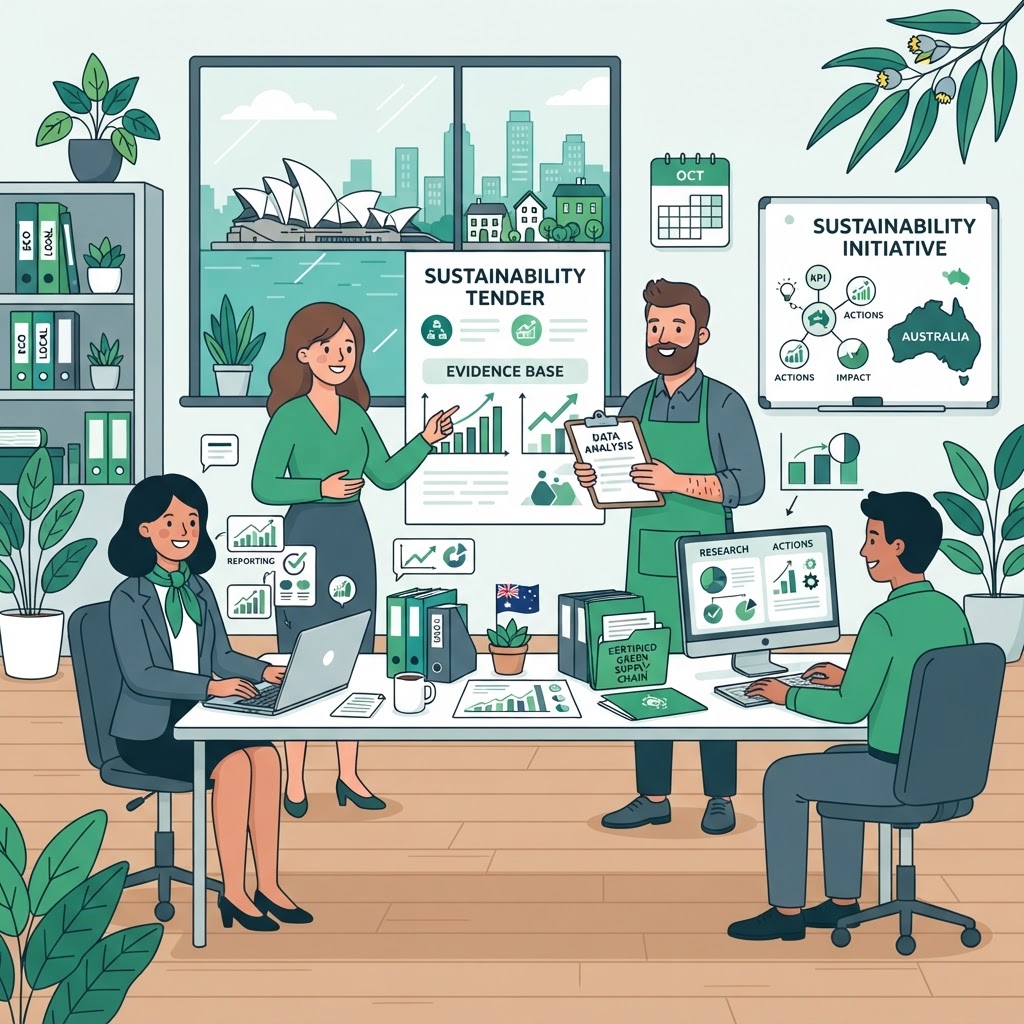
A guide for SMEs on crafting evidence-backed sustainability tender responses that meet Australian standards.
Read blog
A guide for Australian SMEs on how to navigate Scope 1, 2, and 3 emissions for effective sustainability reporting.
Read blog
Understanding AASB S2 is crucial for Australian SMEs to excel in sustainability tenders.
Read blog
Discover how large buyers assess sustainability credentials and what SMEs need to know for competitive advantage in procurement.
Read blog
Discover how Australian SMEs can accurately calculate emissions using National Greenhouse Accounts factors to enhance sustainability tender responses.
Read blog
Ensure your SME is prepared for sustainability tenders with this essential document checklist.
Read blog
Learn how Australian SMEs can avoid greenwashing and adhere to ACCC and ASIC guidelines in sustainability tenders.
Read blog
Learn how Australian SMEs can effectively prepare evidence-backed sustainability tender responses to enhance their procurement outcomes.
Read blog
Unlock the essentials of Scope 1, 2, and 3 emissions and their significance for SMEs in the sustainability tender landscape.
Read blog
Explore what AASB S2 climate disclosure means for SMEs navigating sustainability compliance in Australia.
Read blog
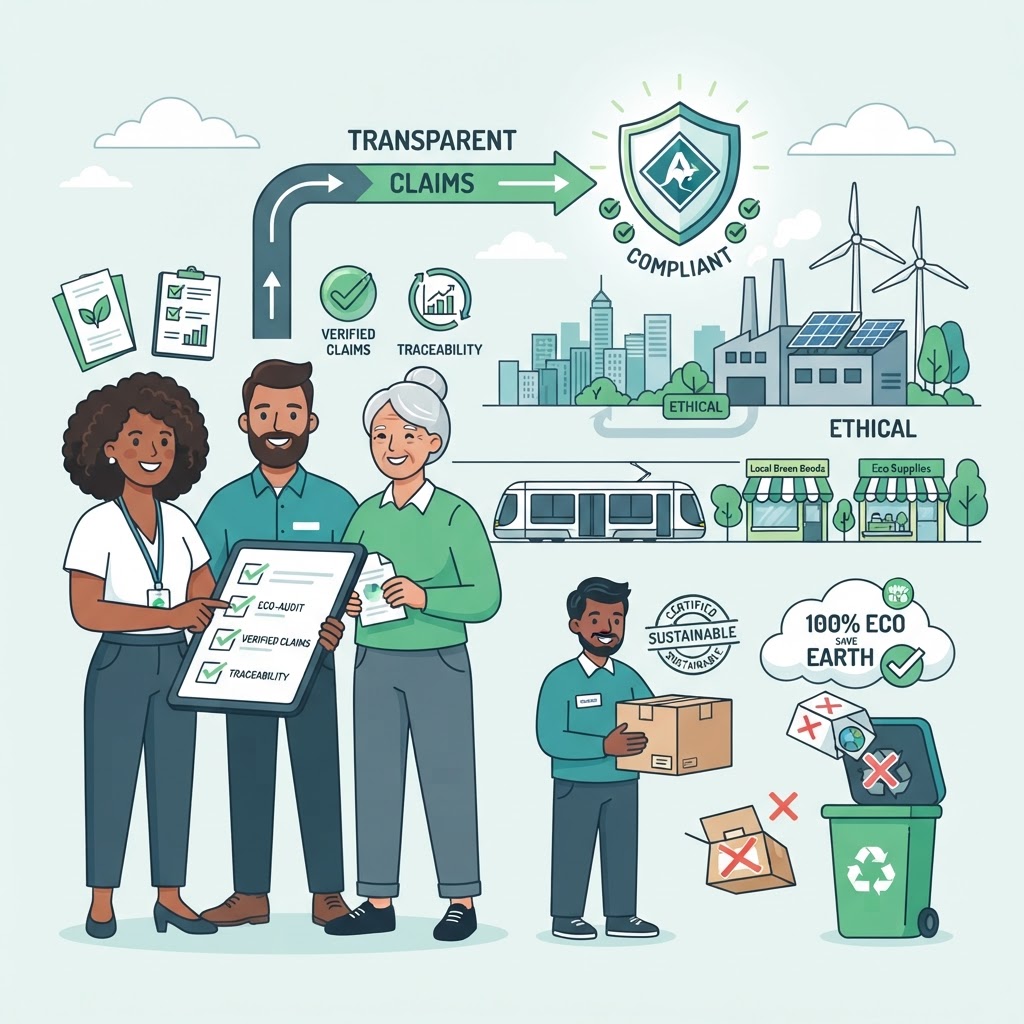
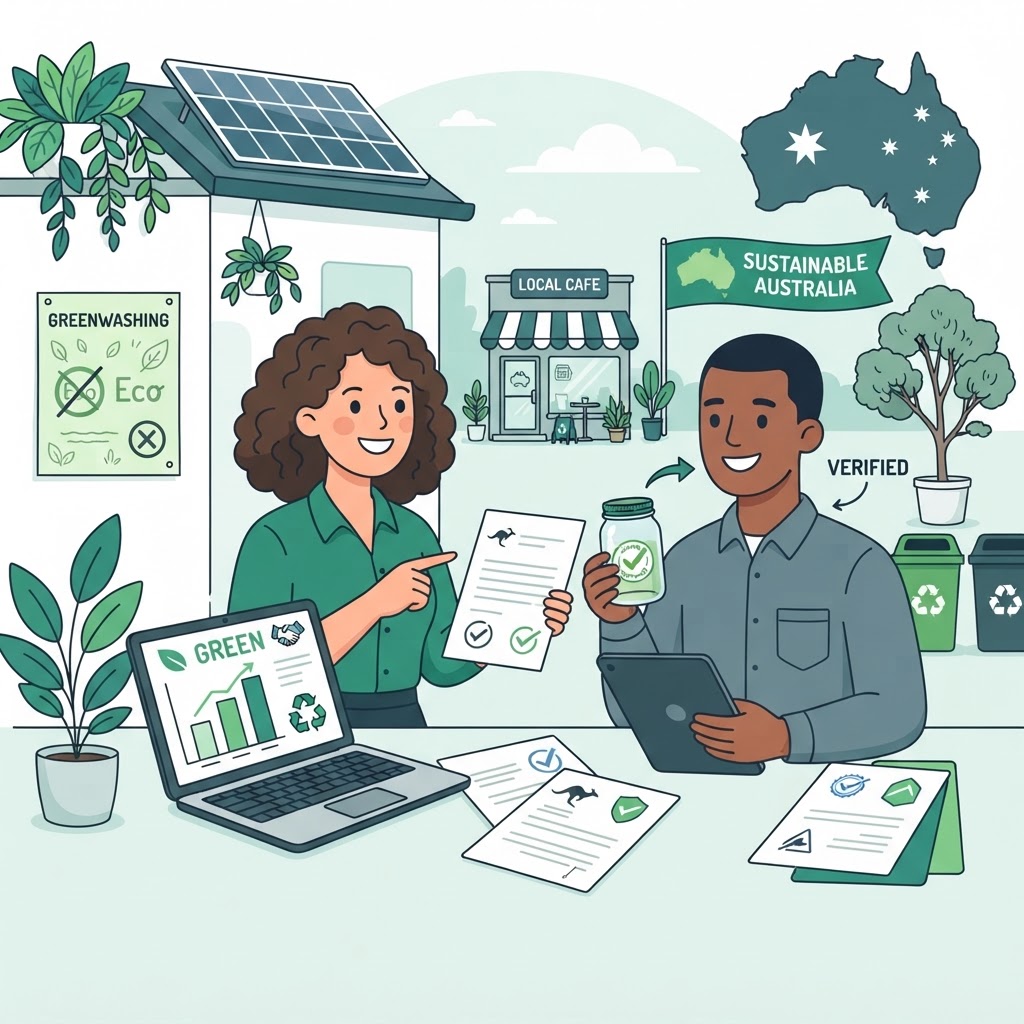
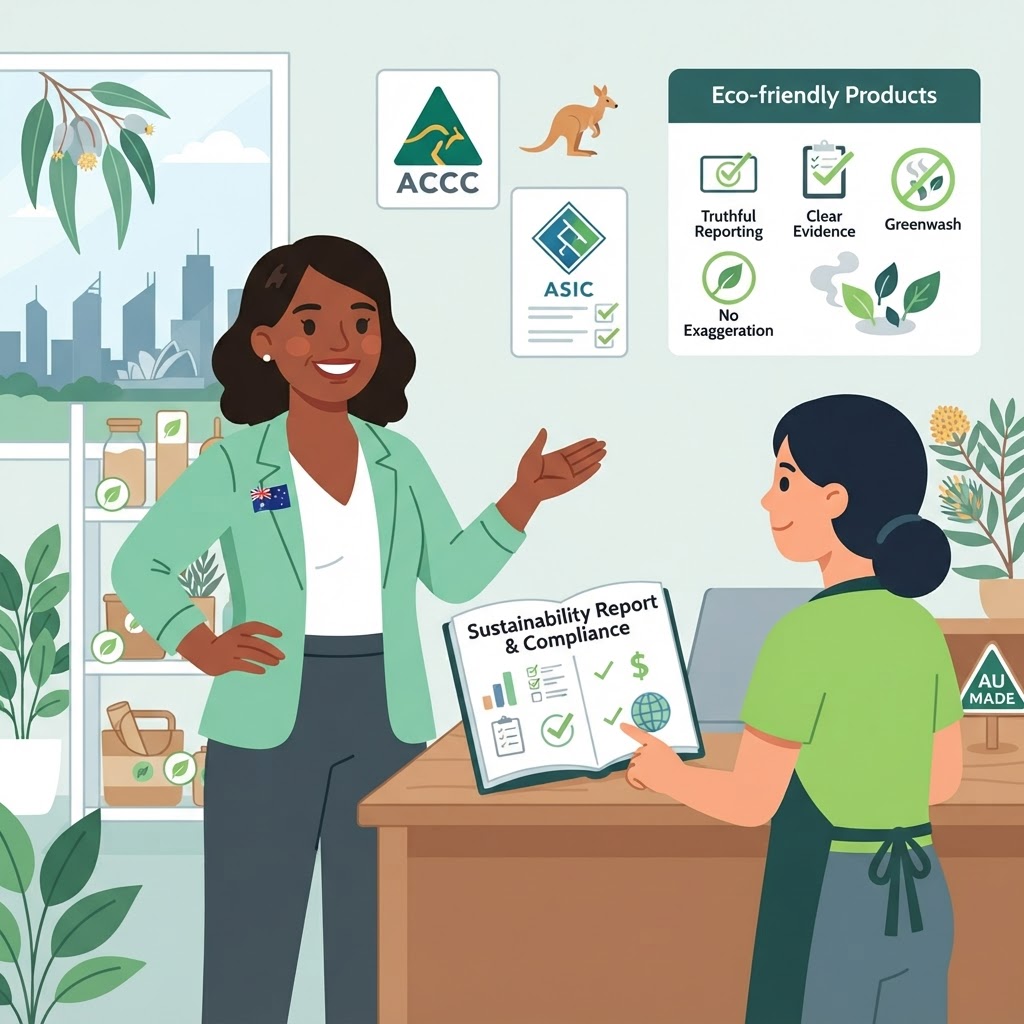
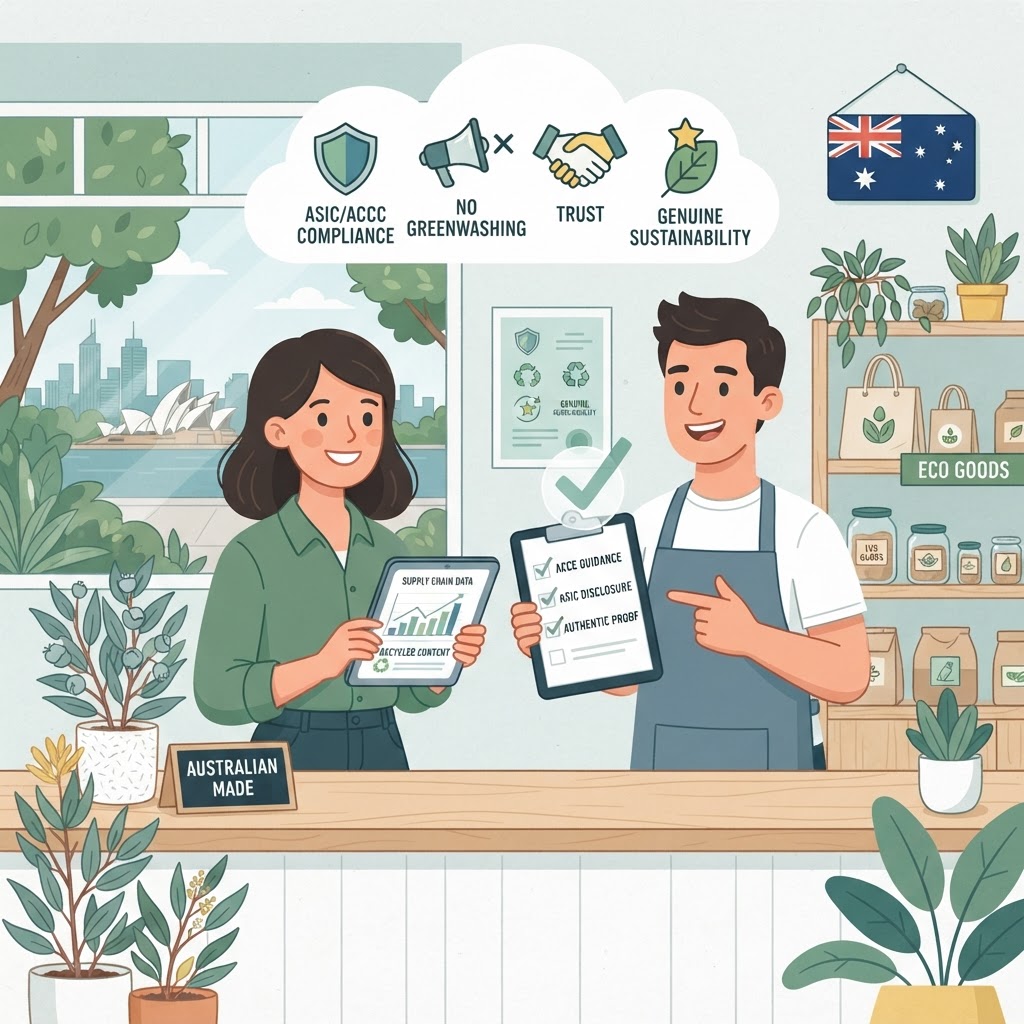
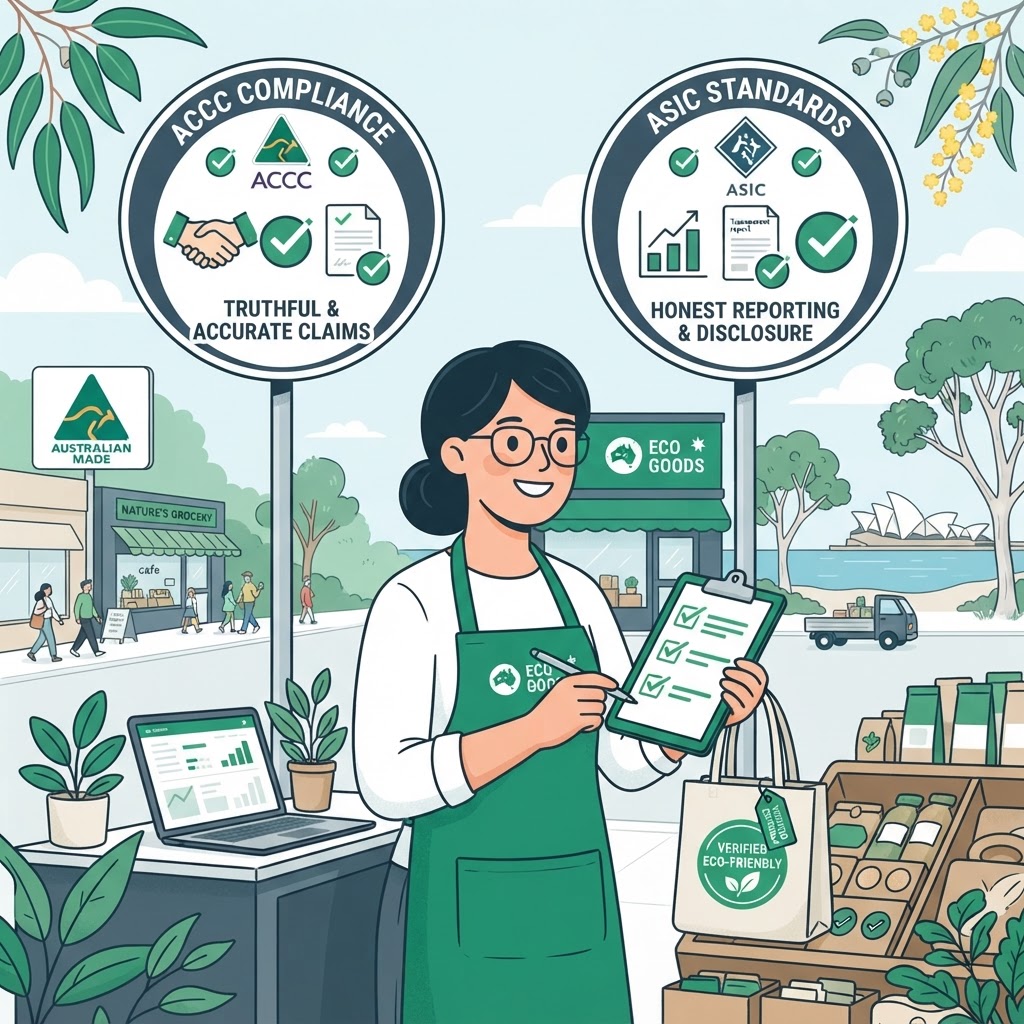
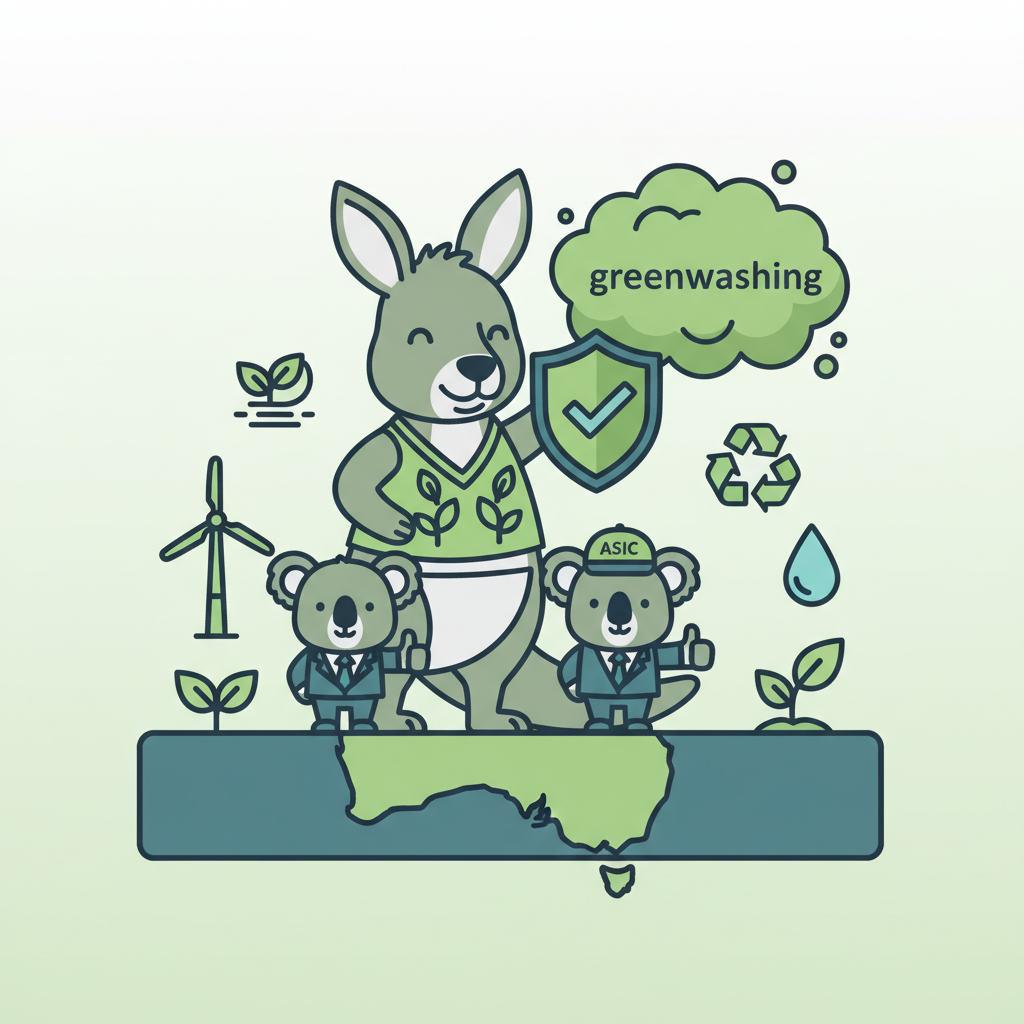
For Australian SMEs, winning major procurement contracts increasingly depends on demonstrating robust environmental credentials. However, as the scrutiny around sustainability claims intensifies, businesses must tread carefully. When you submit a sustainability tender, your carbon data serves as a legal representation of your operations. If these claims lack transparency or evidence, you risk falling into the trap of greenwashing—a practice that is now firmly in the crosshairs of the Australian Competition and Consumer Commission (ACCC) and the Australian Securities and Investments Commission (ASIC). To secure contracts without exposing your brand to reputational or legal risk, your reporting must be grounded in verifiable carbon accounting.
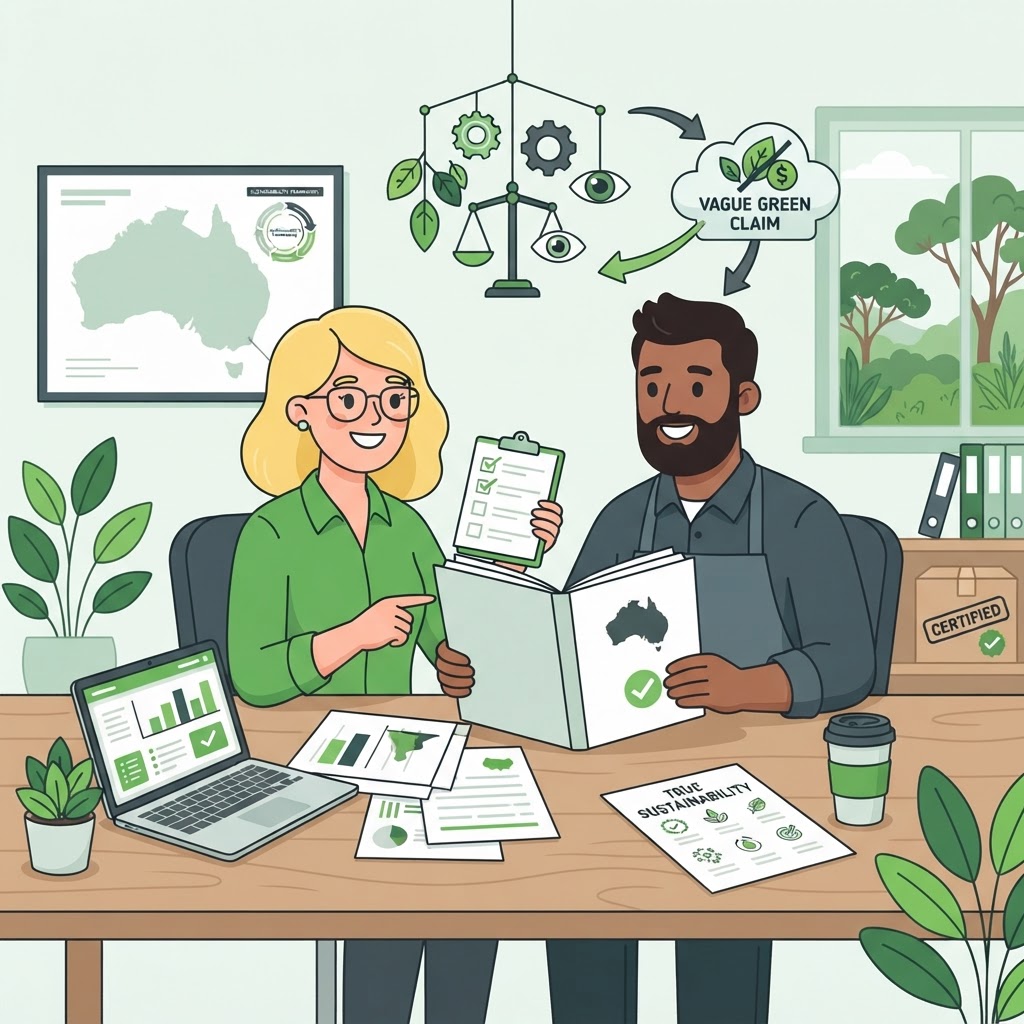
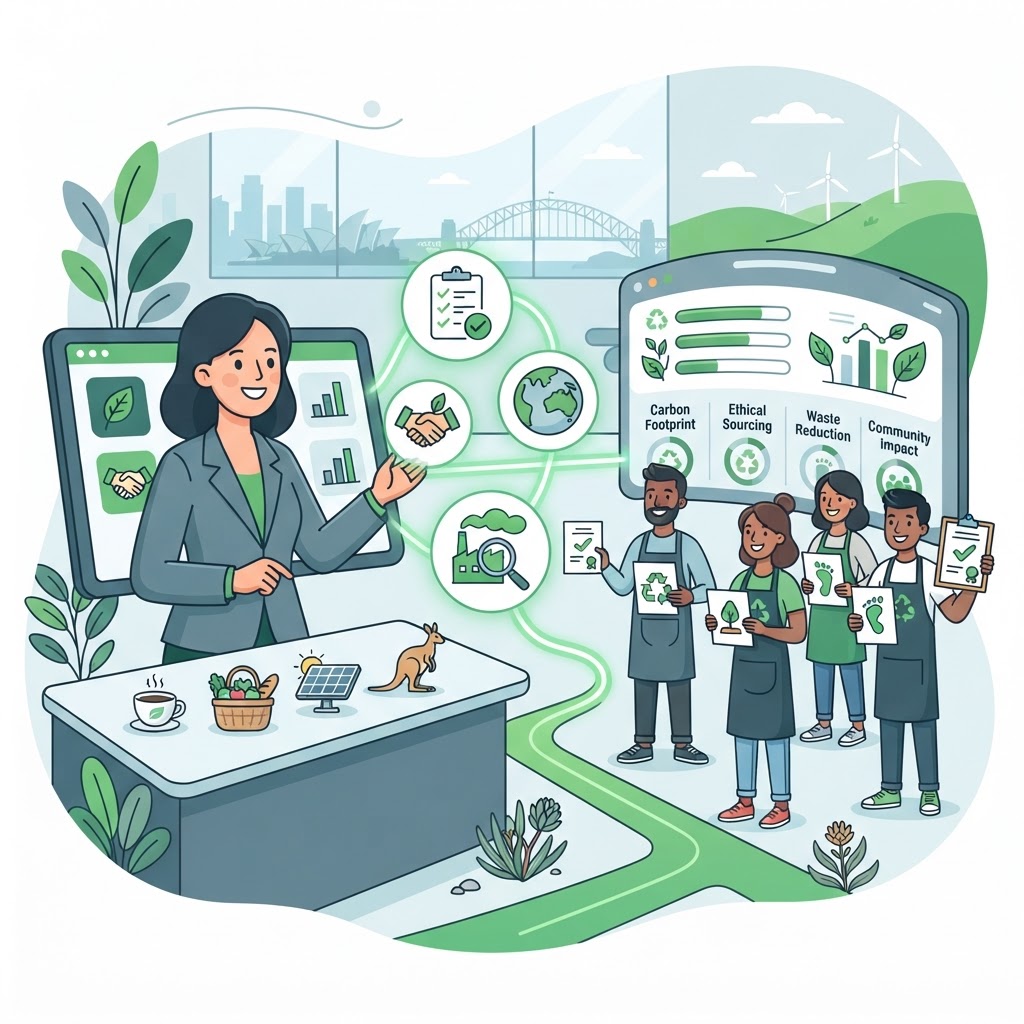
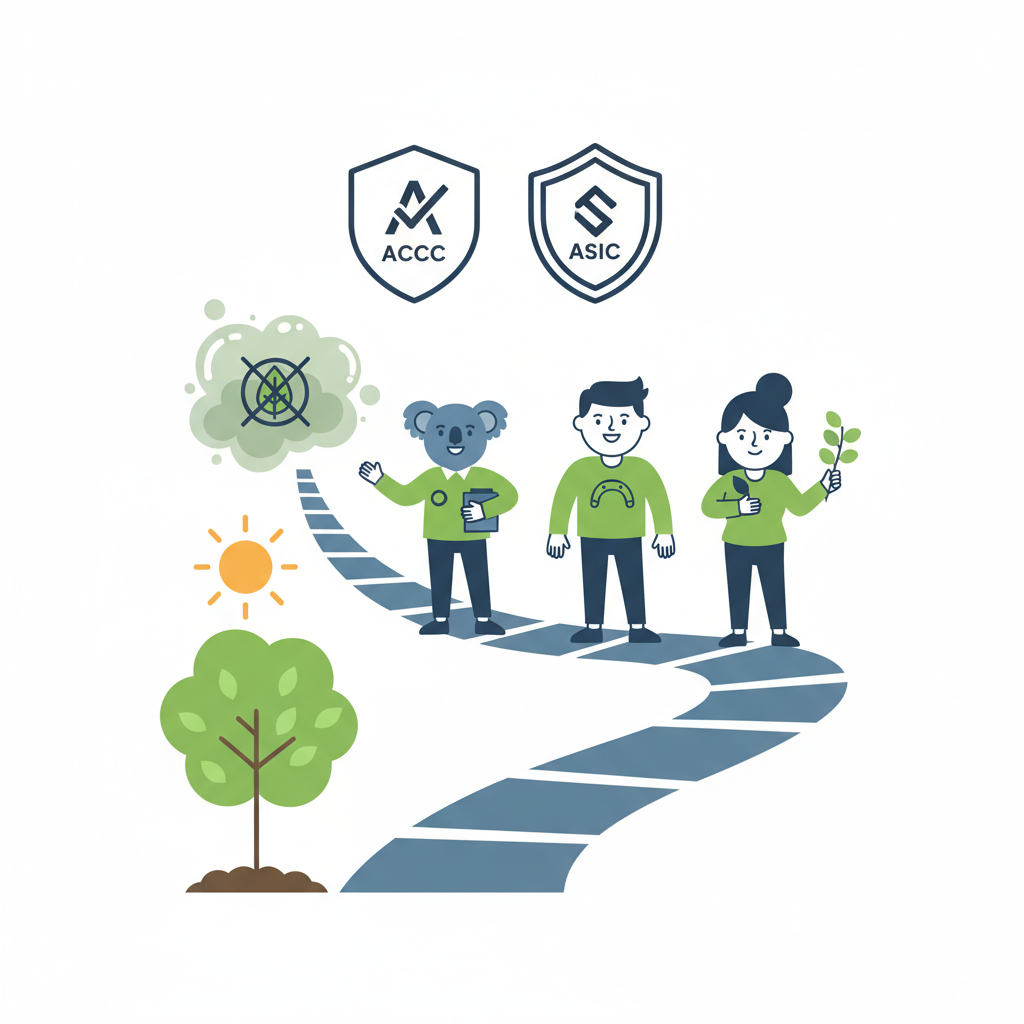
The Australian regulatory environment has undergone a significant shift. ASIC’s Information Sheet 271 (INFO 271) makes it clear that sustainability-related claims must be based on reasonable grounds and be sufficiently specific. For SMEs, this means avoiding vague terminology like 'eco-friendly' or 'net-zero' without a clear, documented path to those targets. The ACCC has also increased its enforcement activities against misleading environmental claims, focusing on the substantiation of every statement made in a public tender document. For a procurement bid, this means your sustainability narrative must be backed by data that can withstand audit-level scrutiny.
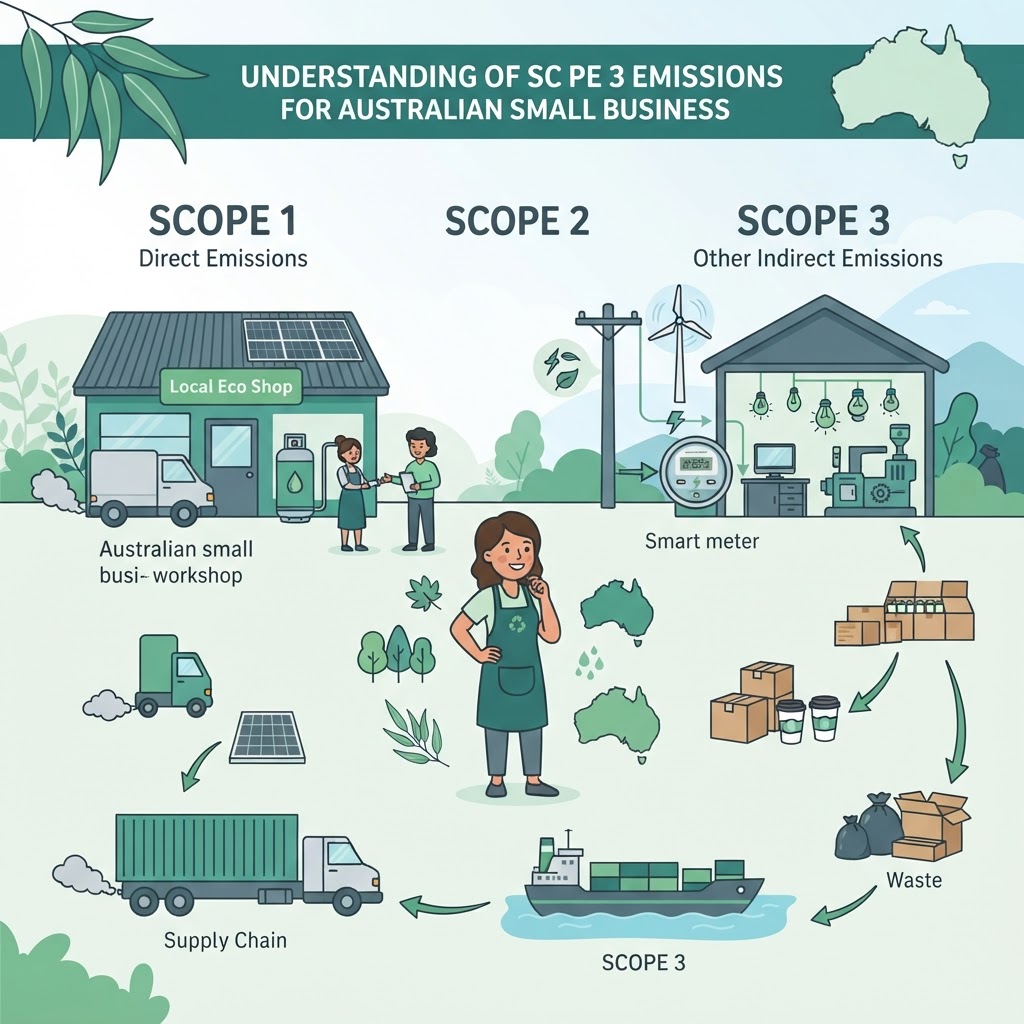
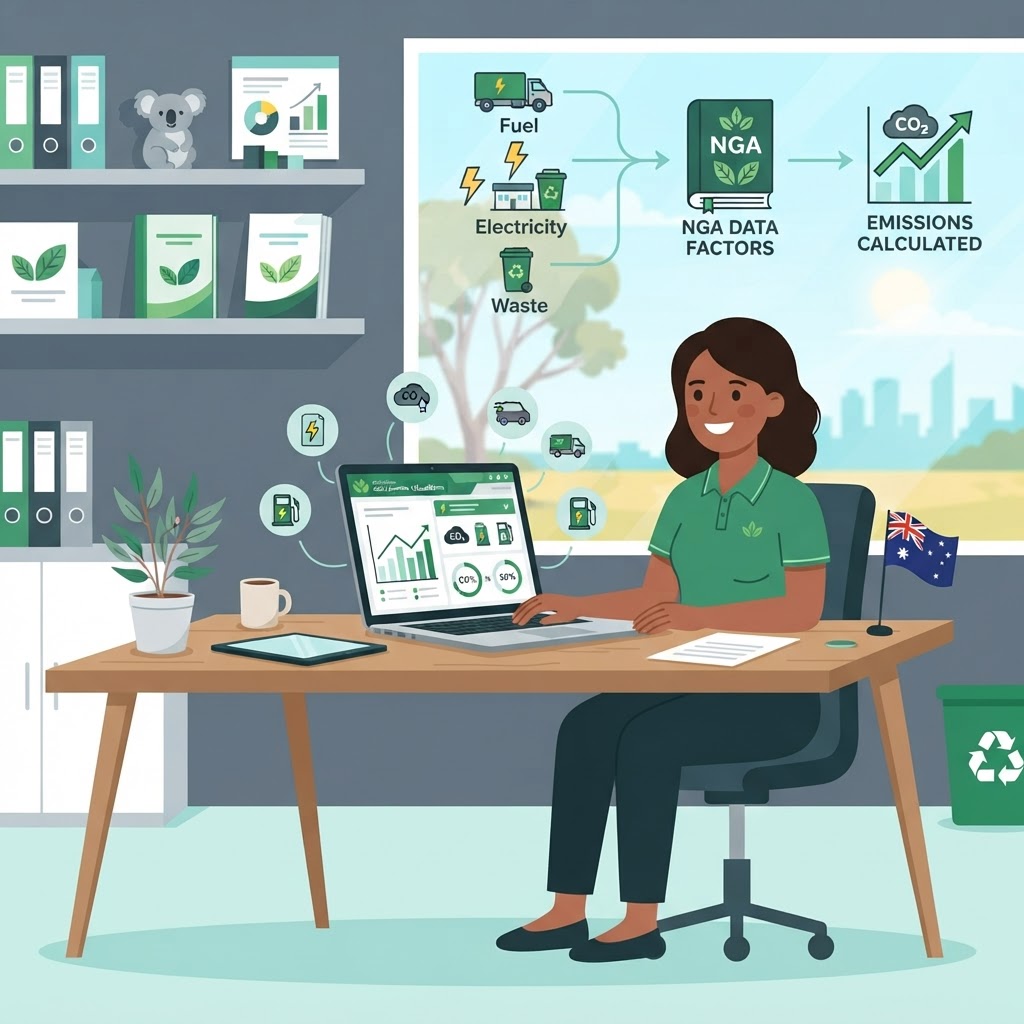
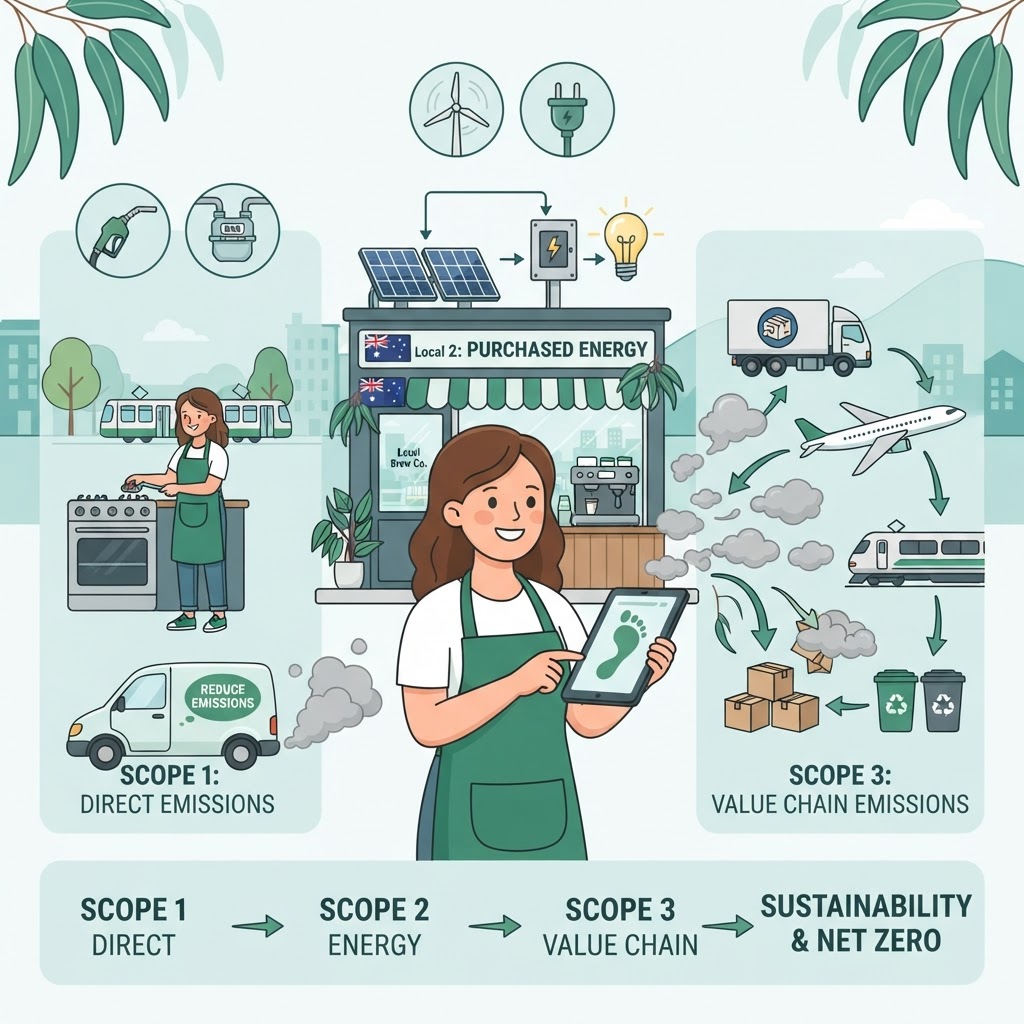
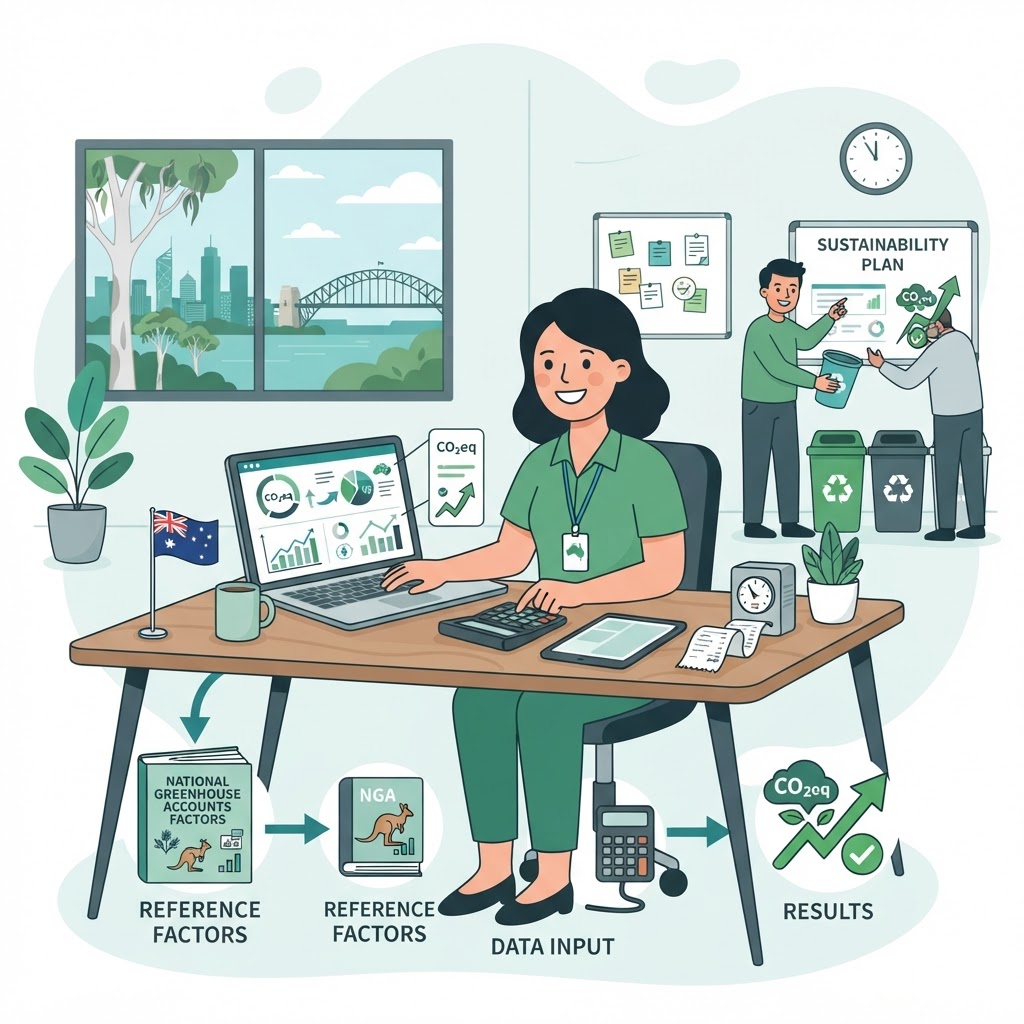
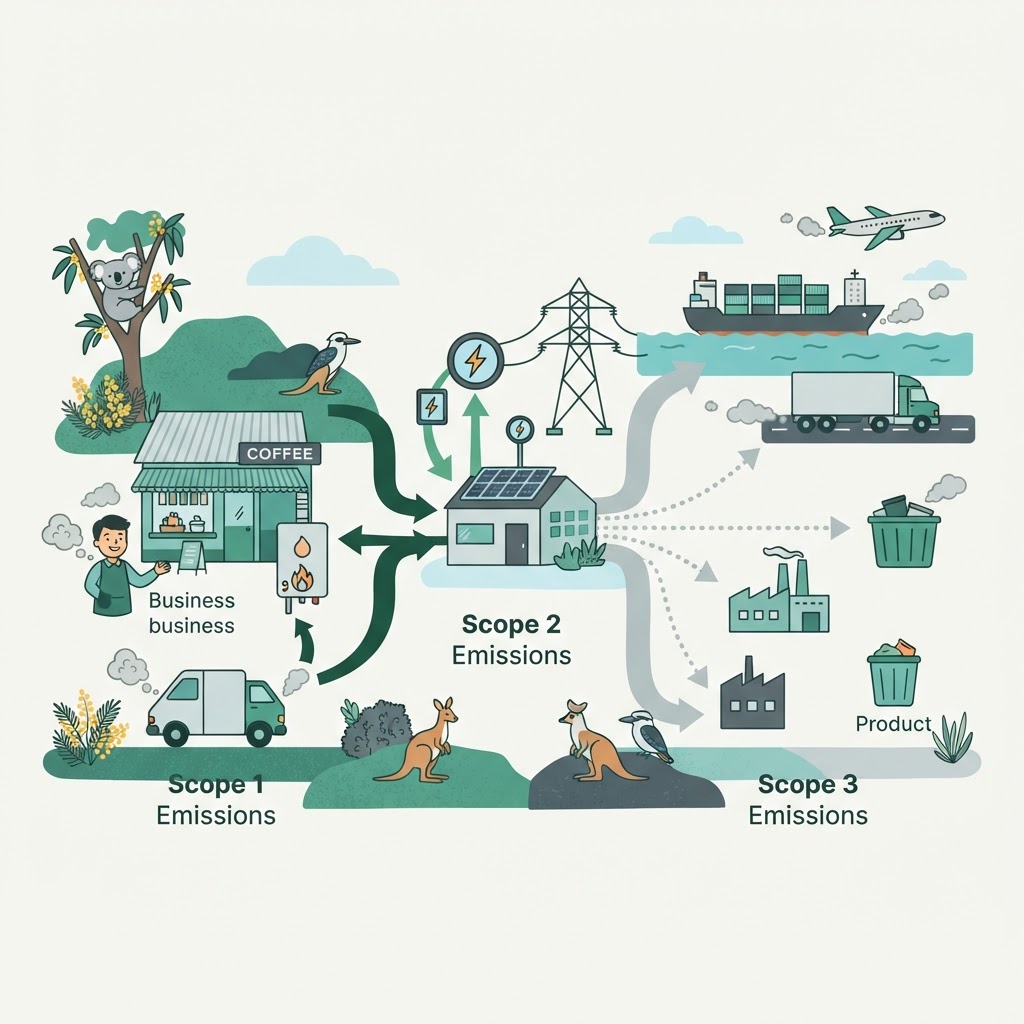
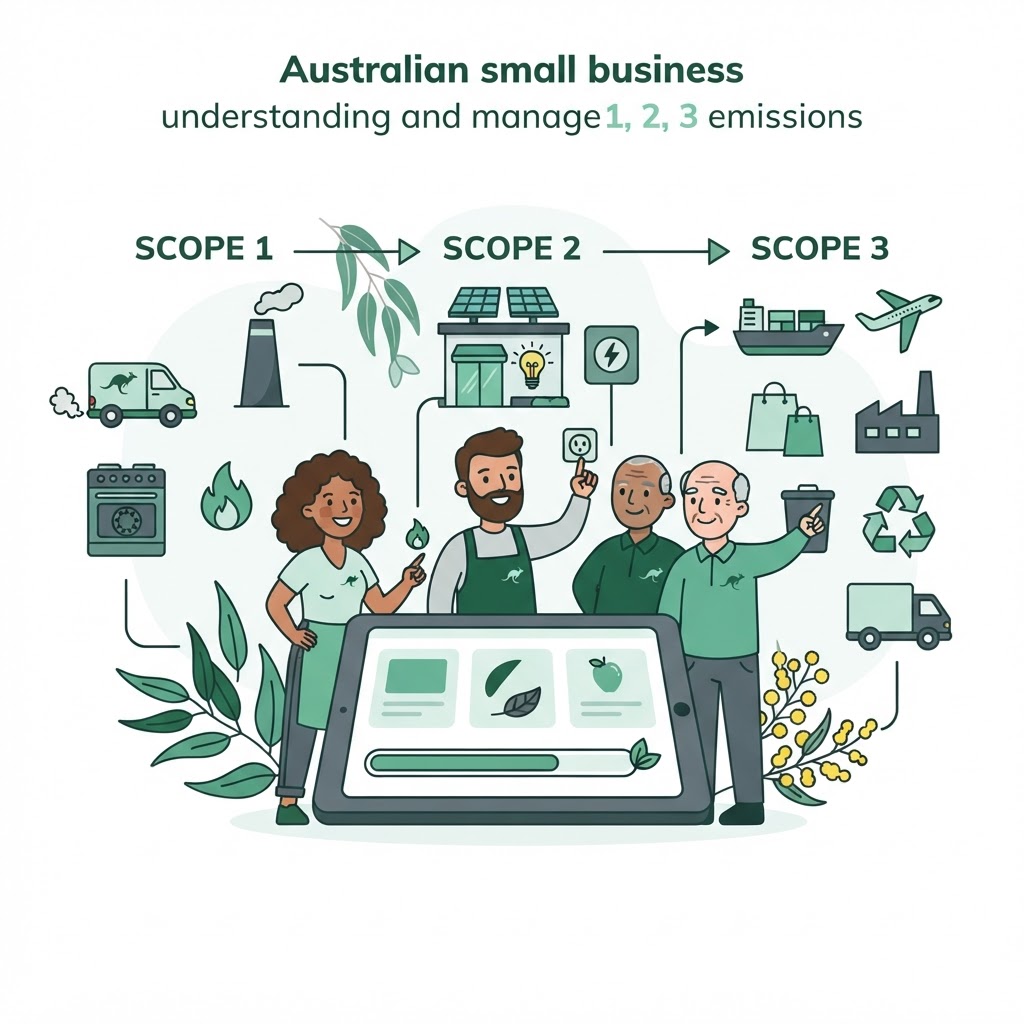
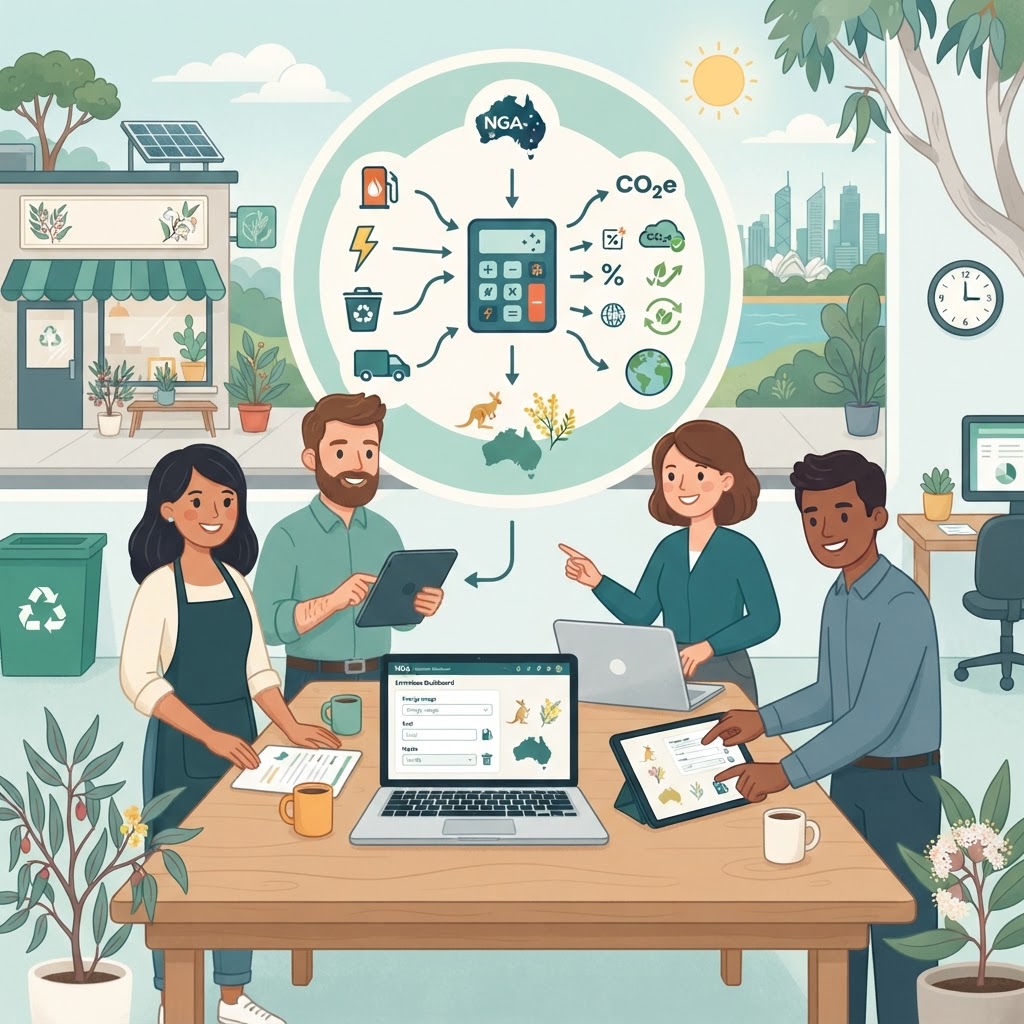
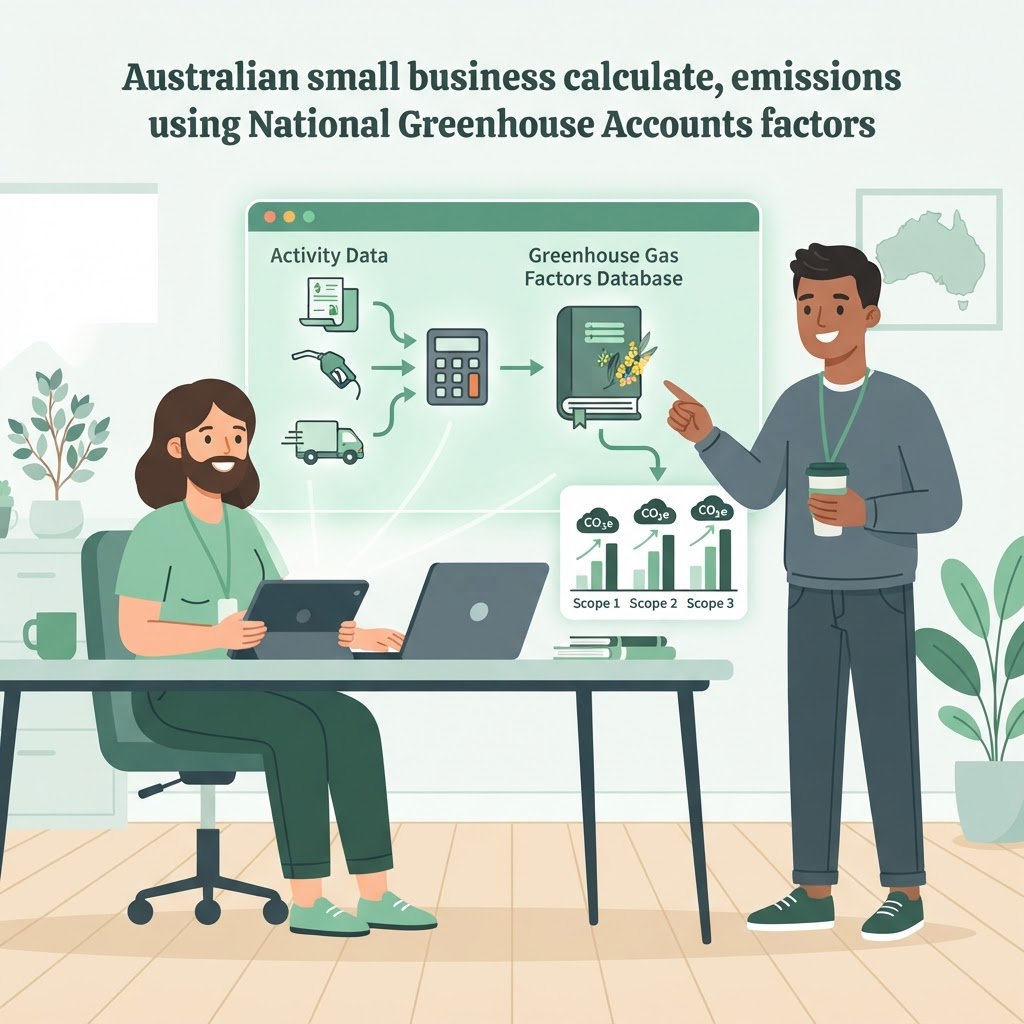
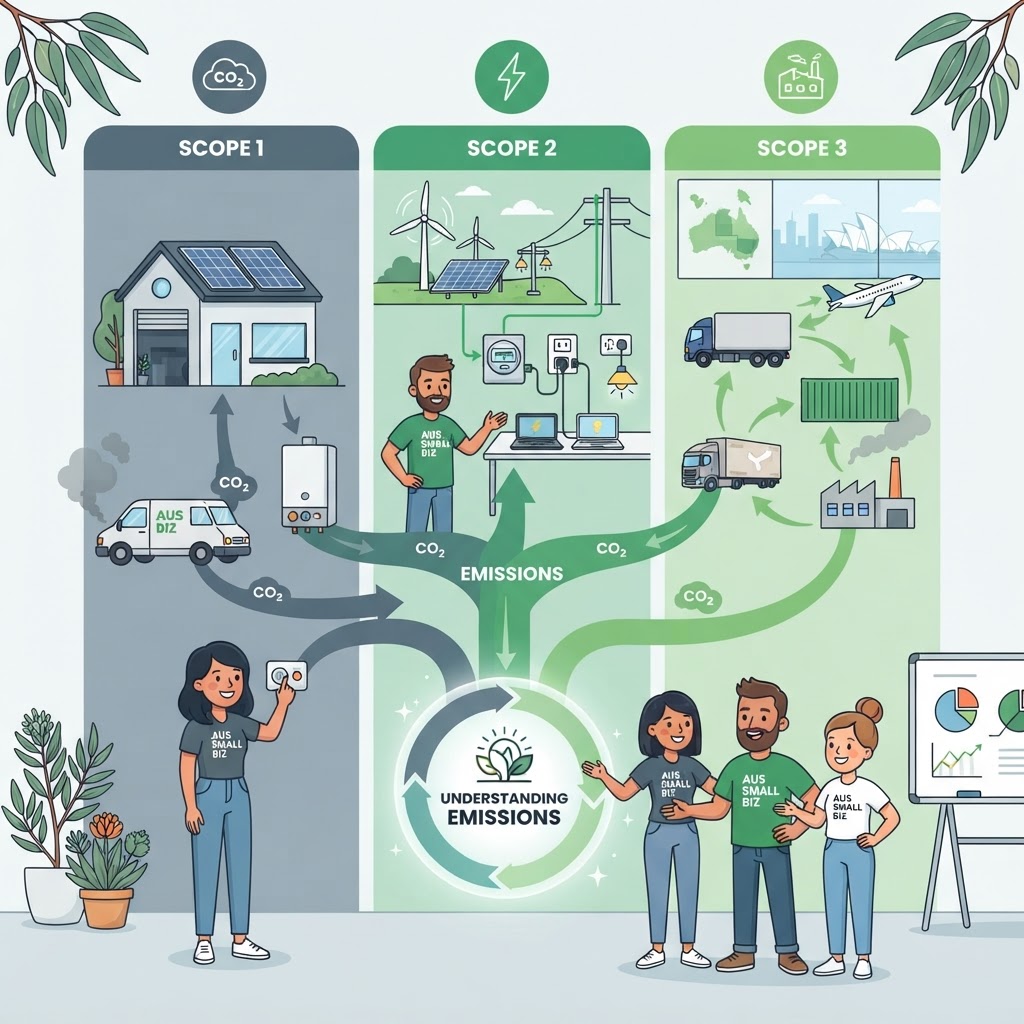
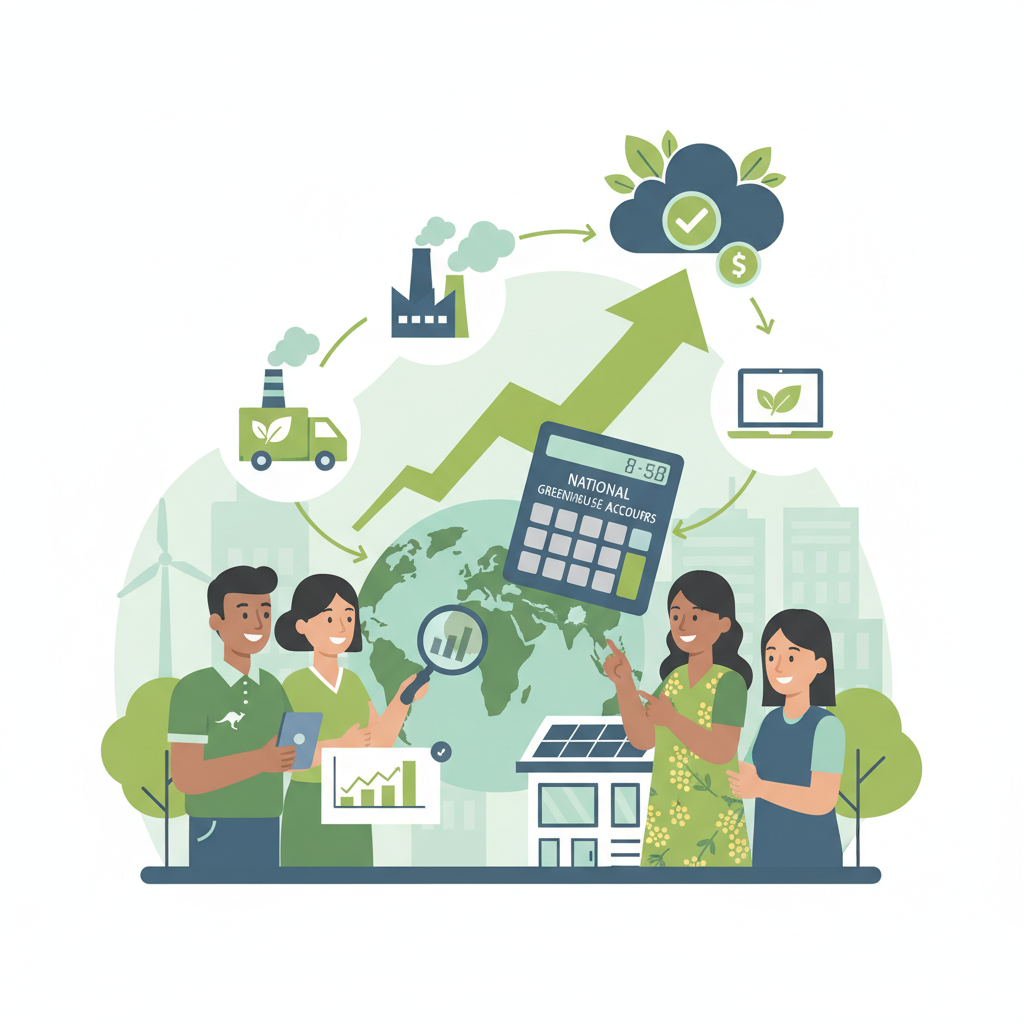
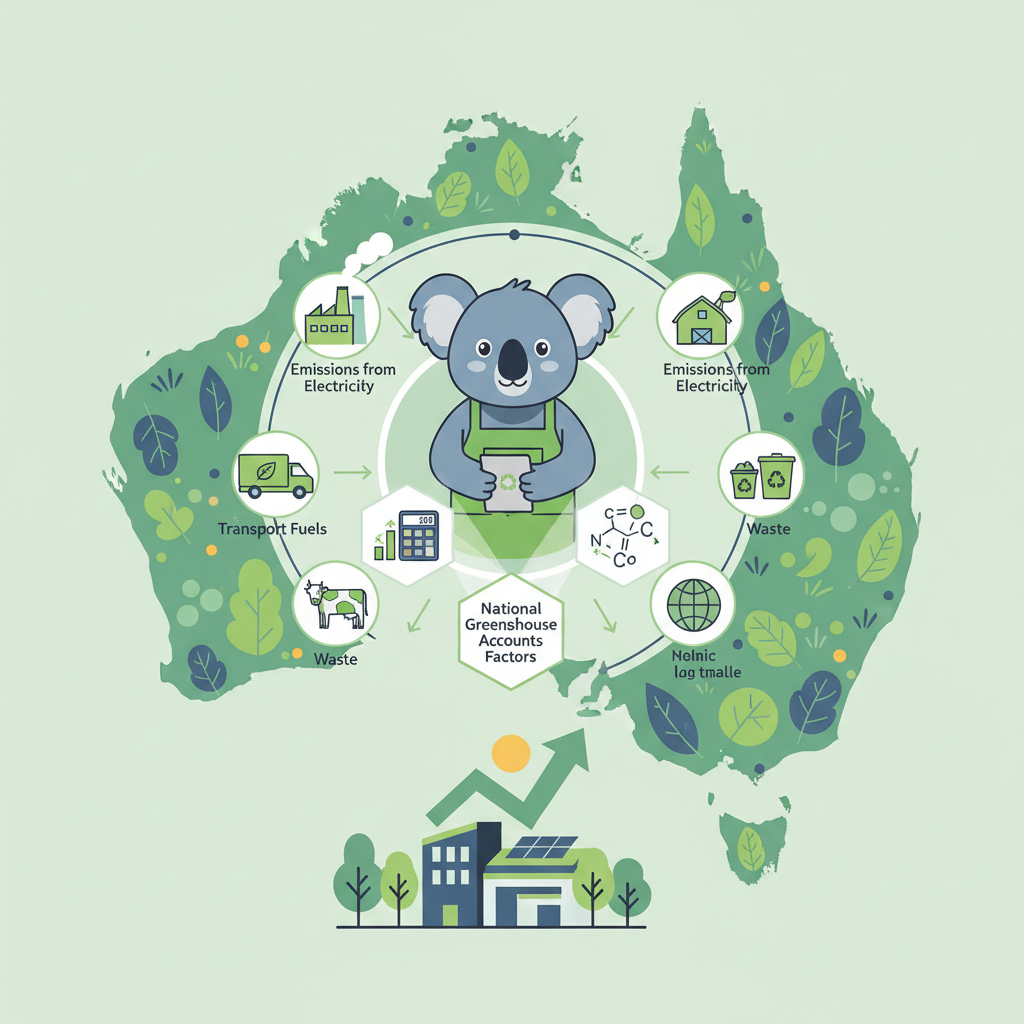
Greenwashing often stems from incomplete data. Many SMEs only report on direct emissions, ignoring the broader Scope 3 supply chain footprint. Procurement teams at major Australian buyers are increasingly requiring a full inventory of Scope 1, 2, and 3 emissions. Accurate emissions reporting is not just about compliance; it is about providing a transparent picture of your impact. By utilising recognised National Greenhouse Accounts (NGA) factors, you ensure that your calculations align with the Australian standards expected by enterprise buyers, thereby reducing the risk of 'omission greenwashing.'
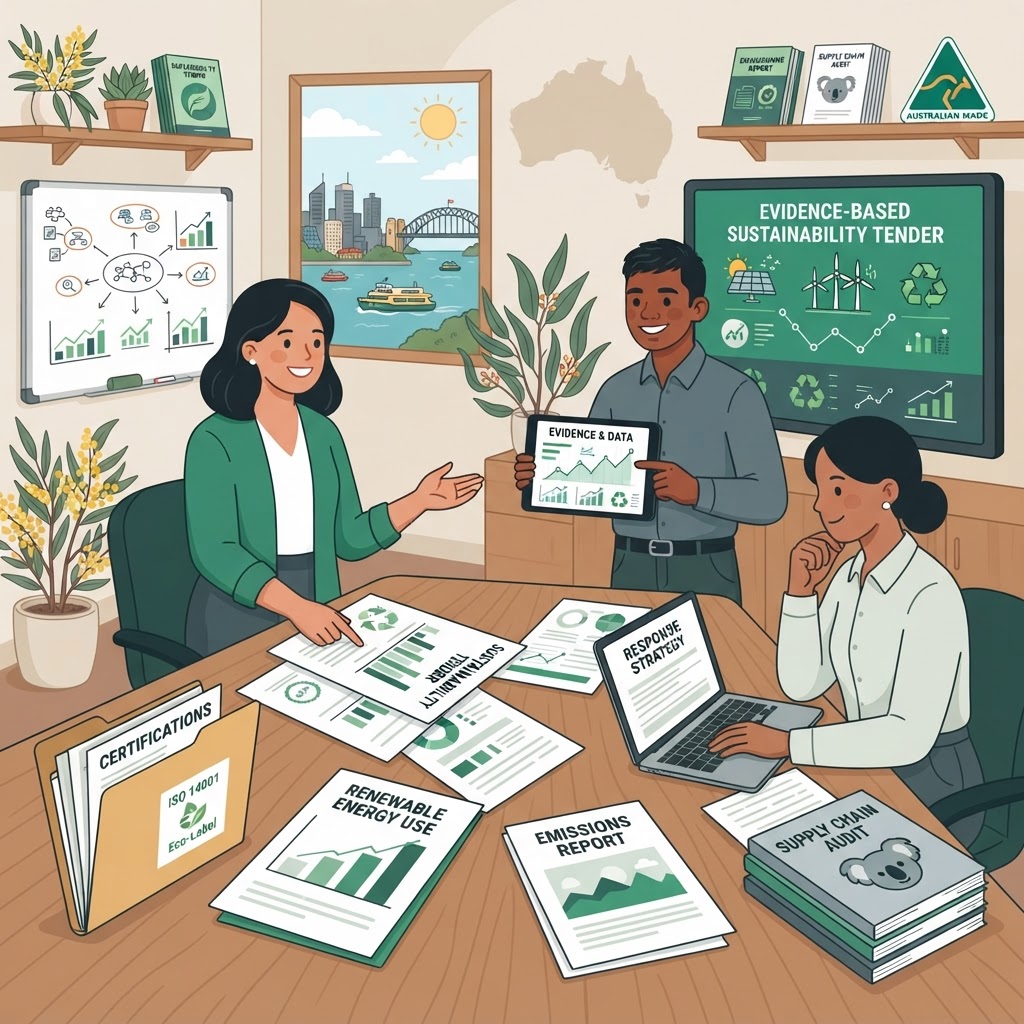
To avoid the pitfalls of unsubstantiated claims, SMEs must move toward automated, evidence-led carbon accounting. Manual spreadsheets are prone to error and often lack the audit trail required by modern procurement departments. ScopeTrack enables SMEs to digitise their carbon data, ensuring that every tonne of CO2e reported is mapped back to original invoices, fuel receipts, and utility bills. When an enterprise buyer asks for proof of your environmental performance, having a platform that tracks the provenance of your data allows you to answer with confidence, directly addressing the core concerns of regulatory bodies.
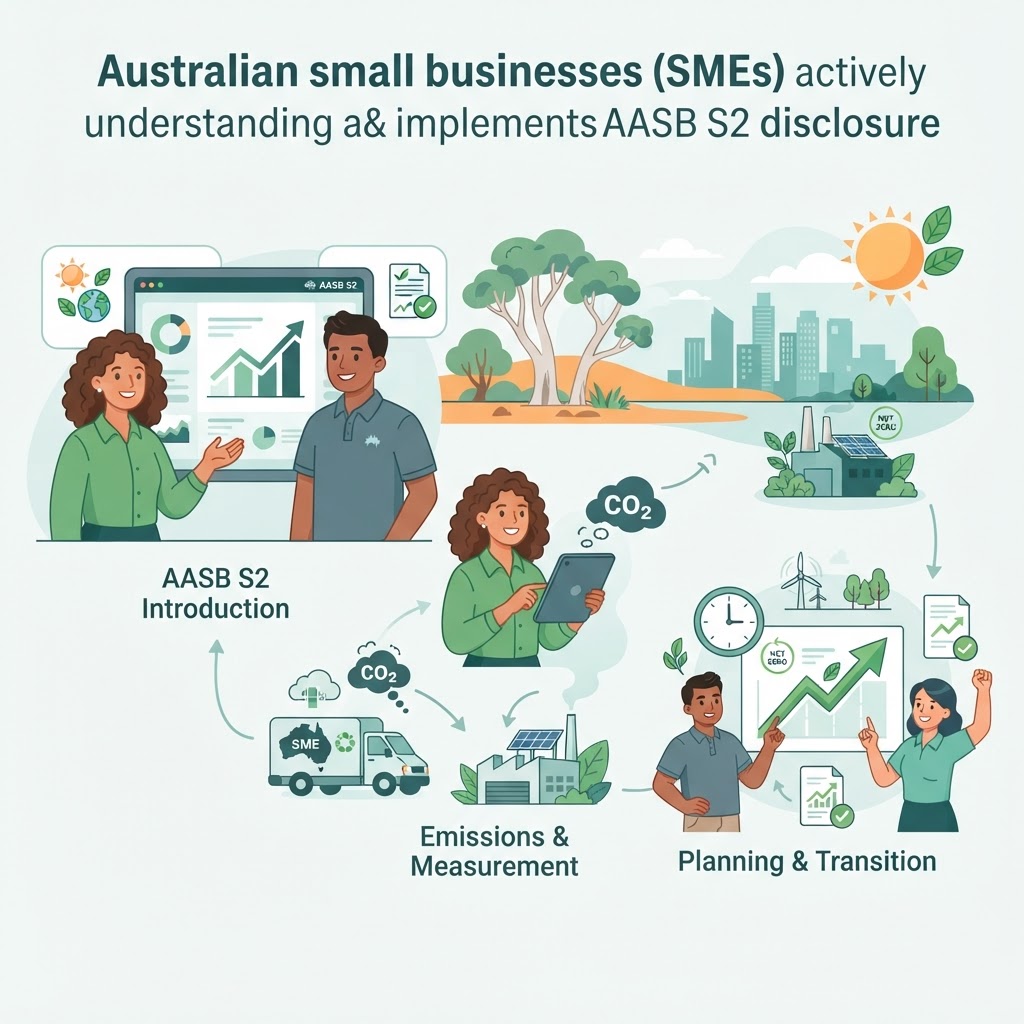
While AASB S2 (Australian Sustainability Reporting Standards) primarily targets large entities, its influence is trickling down to SMEs through the supply chain. Larger corporations are increasingly demanding that their suppliers provide data that is compatible with these reporting frameworks. By adopting a systematic approach to your carbon footprint now, you position your business as a preferred supplier. Proactive alignment demonstrates a level of sophistication that distinguishes your bid from competitors who are still relying on estimated or anecdotal environmental claims.
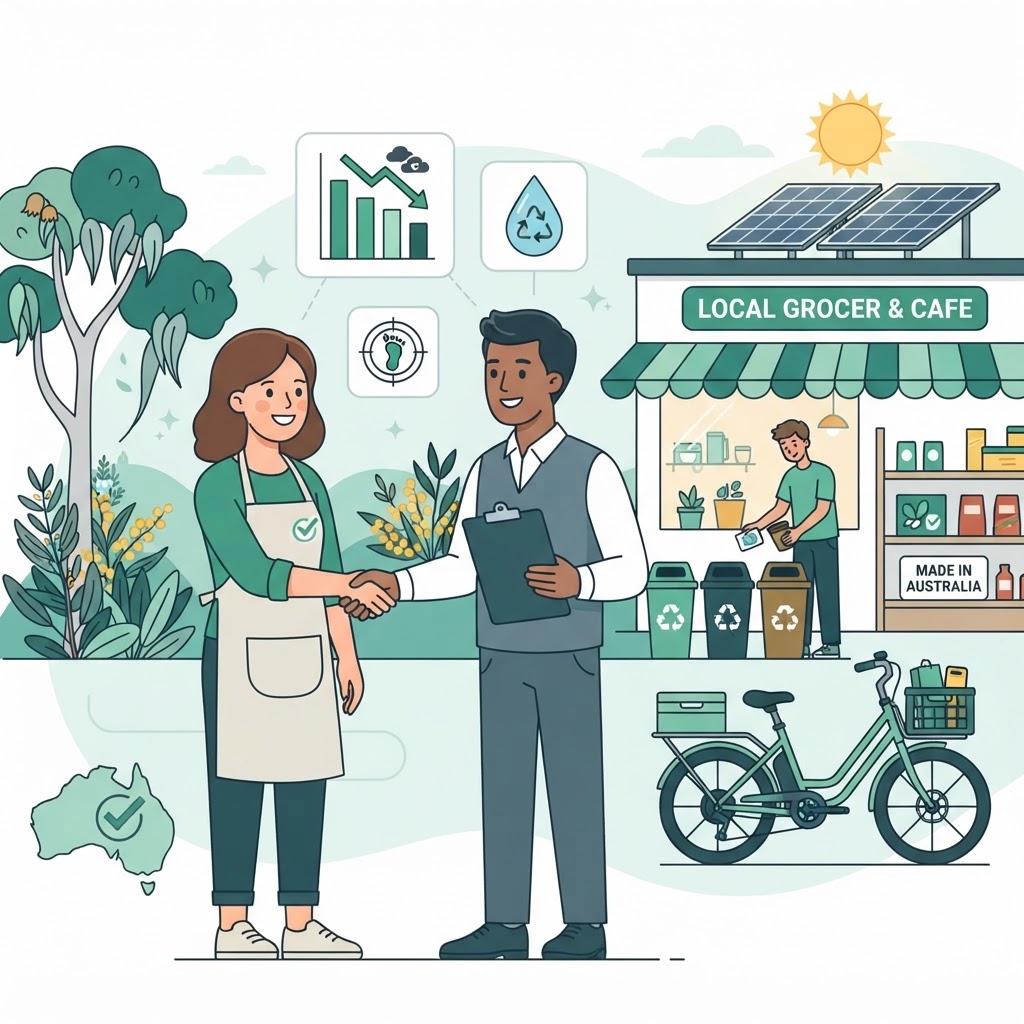
In the current market, your sustainability claims are an extension of your commercial reputation. Greenwashing is no longer just a marketing risk; it is a significant compliance hazard that can lead to regulatory action and exclusion from future procurement opportunities. By focusing on accurate data, leveraging NGA factors, and providing clear, evidence-backed reports, your SME can win sustainability tenders with confidence. Start building your audit-ready carbon profile today to stay ahead of regulatory requirements and secure your place in the supply chains of the future.

What is the biggest risk for SMEs making sustainability claims in tenders?
The primary risk is 'greenwashing,' where vague or unsubstantiated claims attract the attention of the ACCC, potentially leading to significant financial penalties and exclusion from future government or enterprise procurement.
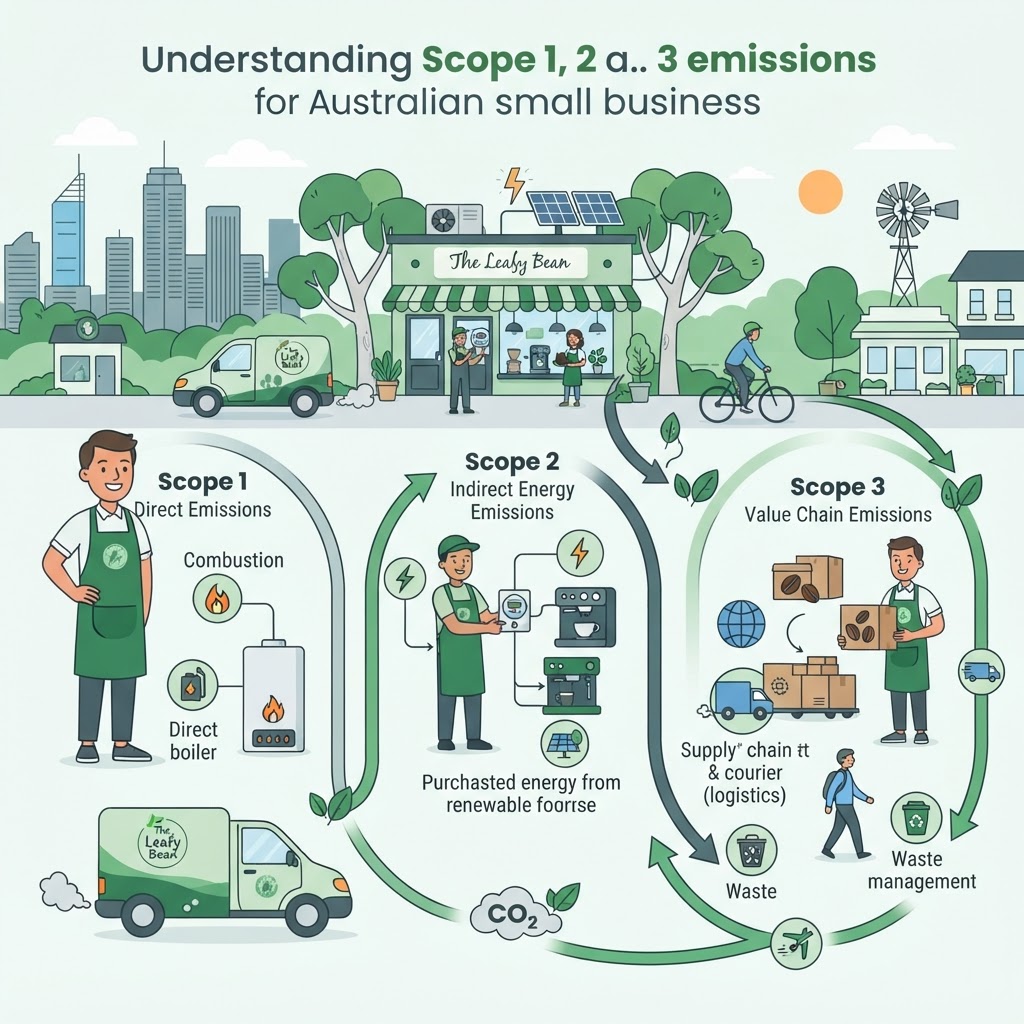
Do SMEs need to report Scope 3 emissions for tender bids?
Yes, many major buyers now require SMEs to disclose Scope 3 emissions to ensure a holistic view of the supply chain impact, which is essential for accurate carbon accounting.
How do I ensure my tender bid complies with ASIC expectations?
You can comply by ensuring your sustainability claims are backed by verifiable data, utilizing NGA factors, and avoiding aspirational language that cannot be supported by your current carbon accounting practices.