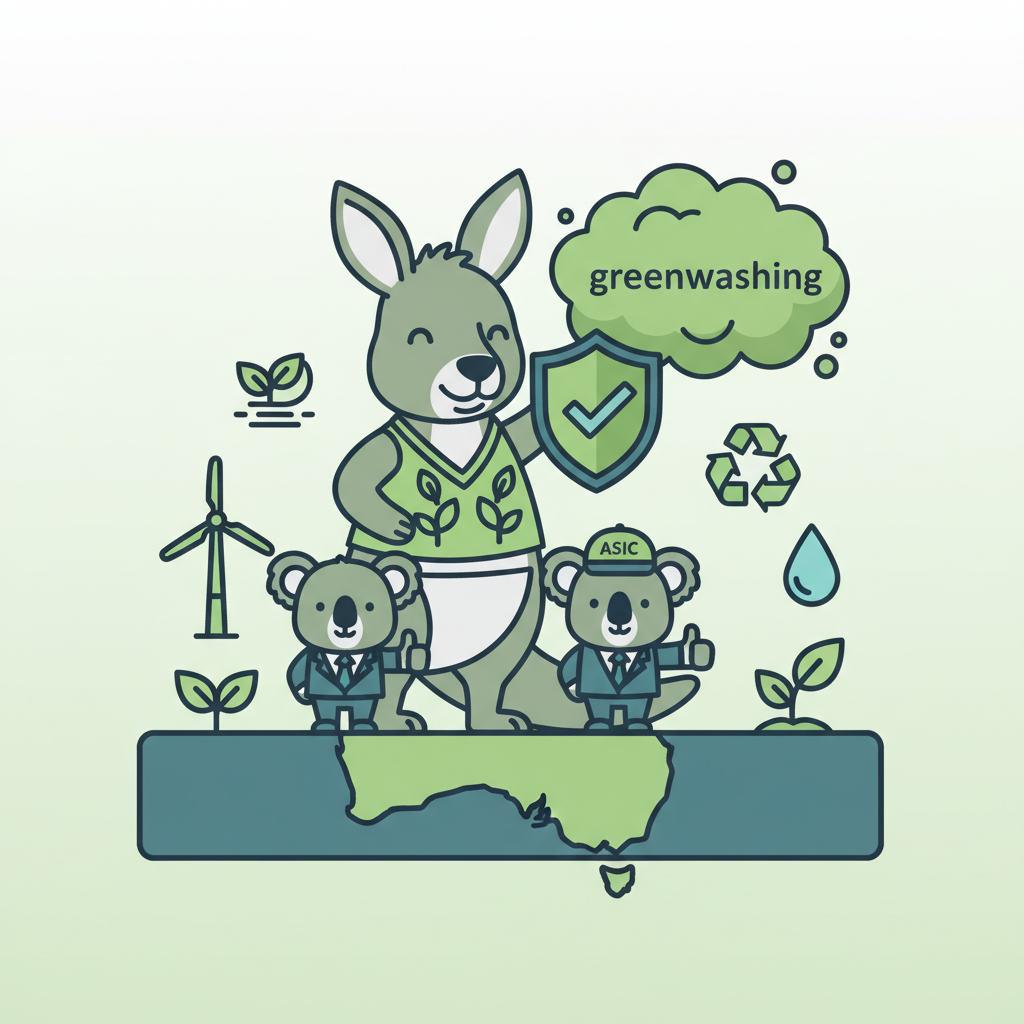
Beyond Greenwashing: Ensuring Regulatory Integrity in Your Carbon Reporting
Learn how Australian SMEs can navigate ACCC and ASIC guidelines to produce evidence-backed sustainability tender responses that stand up to regulatory scrutiny.
Read blogPractical PrimeGreen guidance for SMEs preparing stronger sustainability tender responses.

Learn how Australian SMEs can navigate ACCC and ASIC guidelines to produce evidence-backed sustainability tender responses that stand up to regulatory scrutiny.
Read blog
Learn how Australian SMEs can build trust with enterprise buyers by transforming raw data into verified, evidence-backed sustainability tender responses.
Read blog
Demystify the complexities of Scope 1, 2, and 3 emissions to sharpen your sustainability tender responses and meet Australian procurement requirements.
Read blog
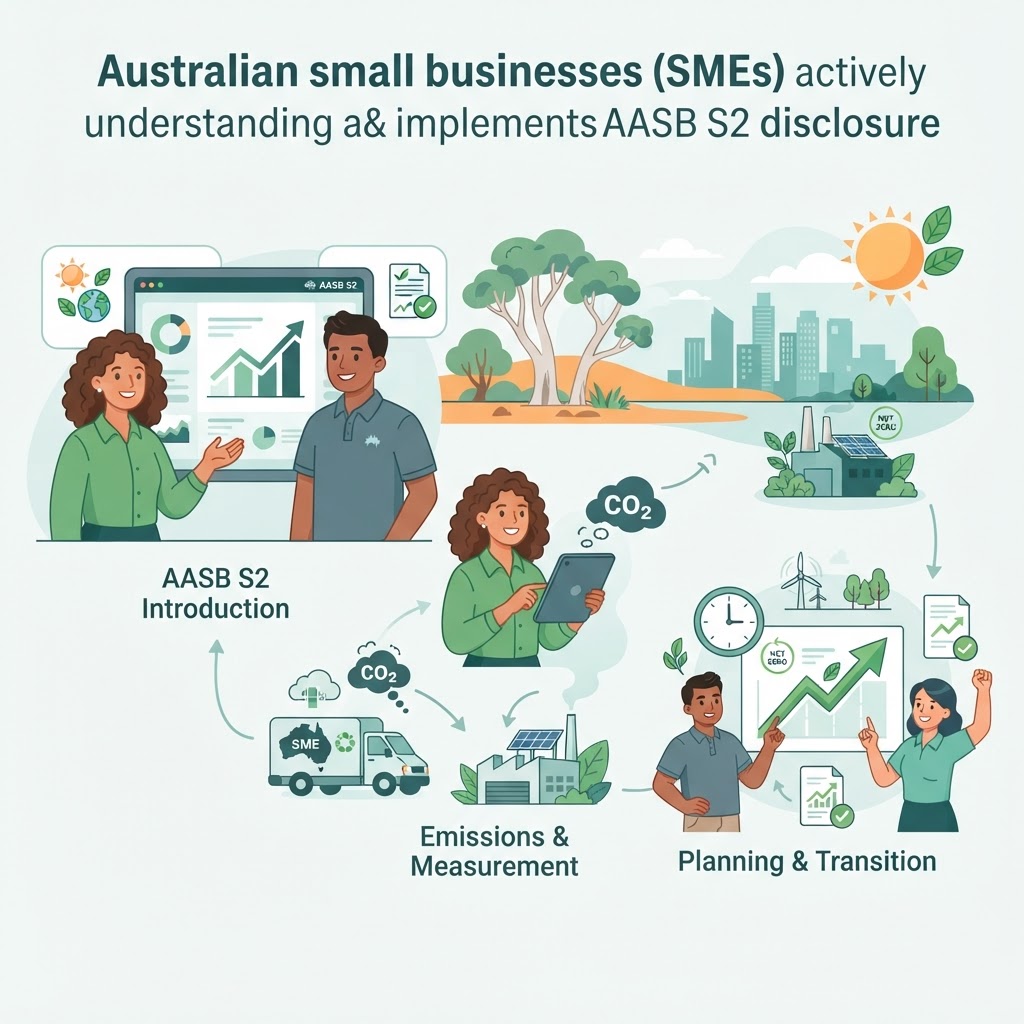
Discover how the AASB S2 climate reporting standards are filtering down to Australian SMEs and how to prepare your data for procurement success.
Read blog
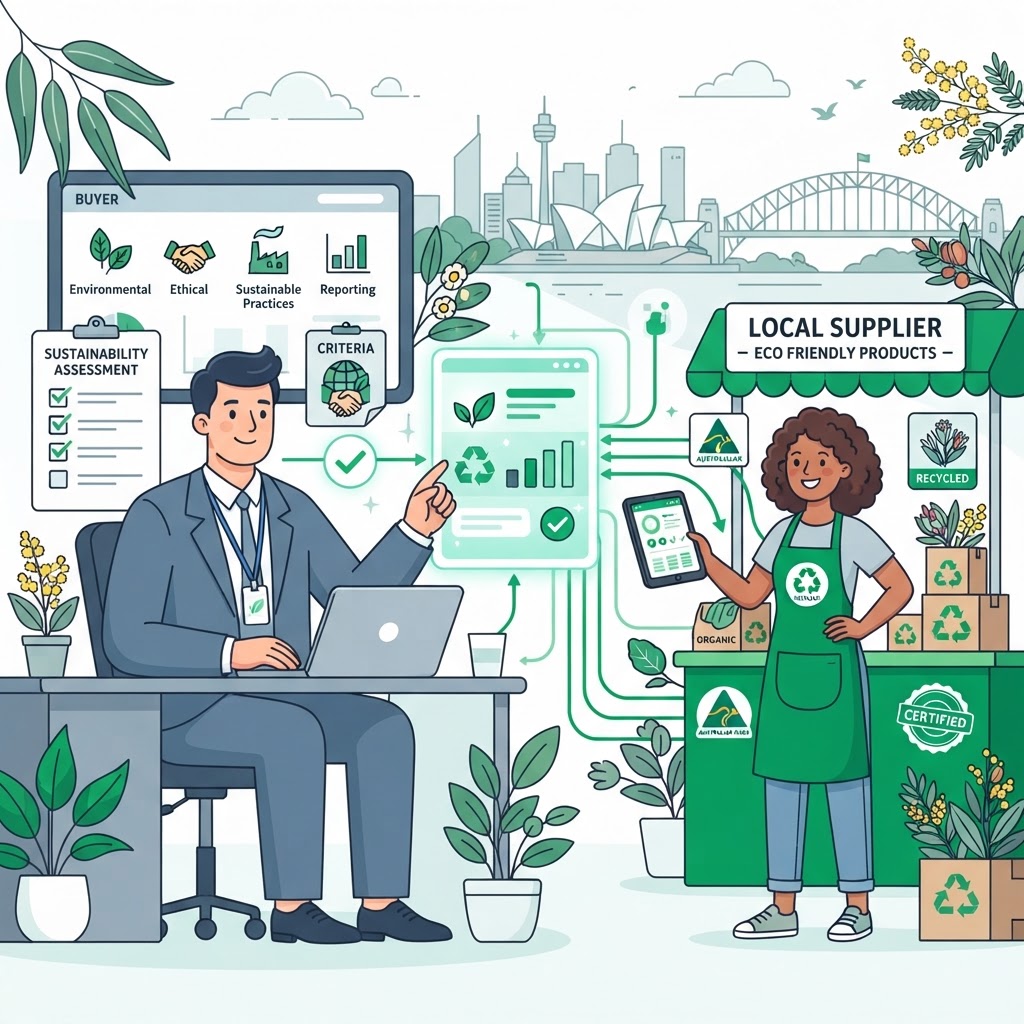
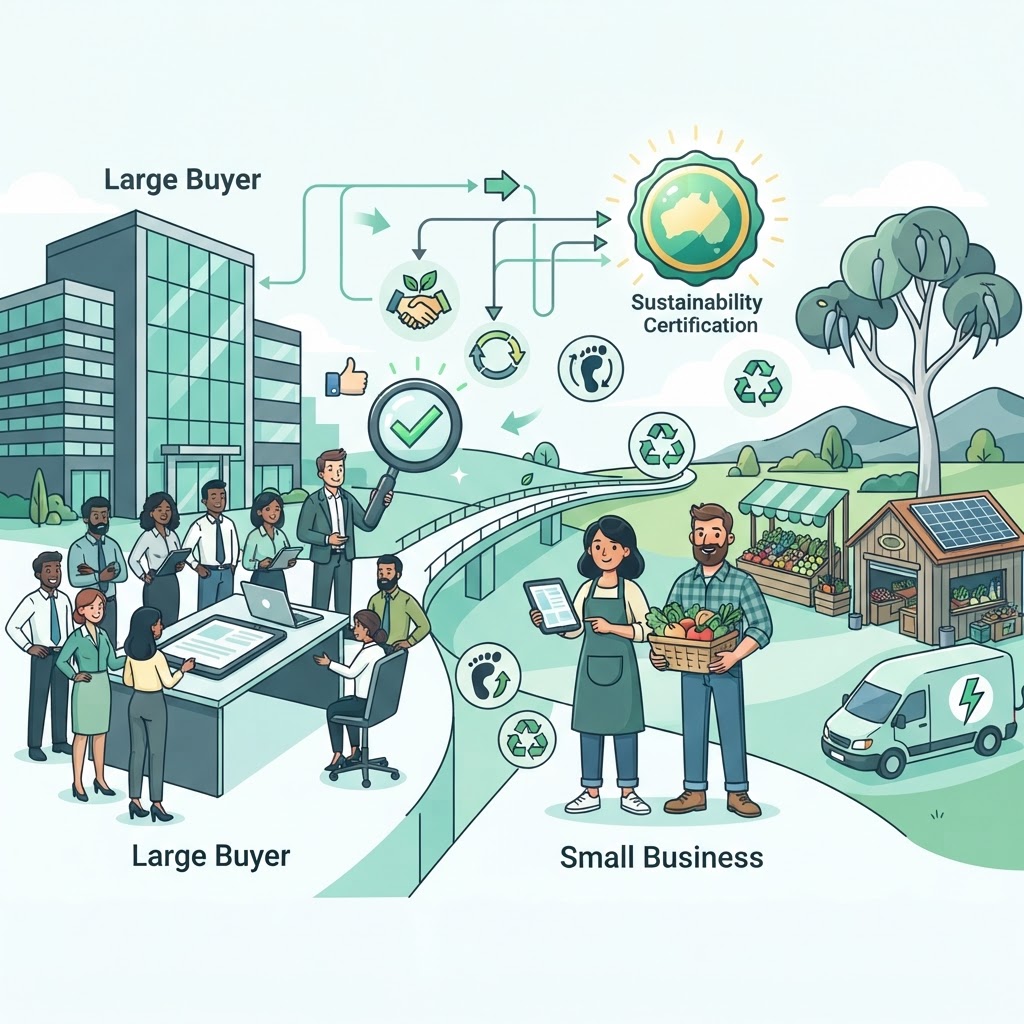
Discover how major Australian enterprise buyers evaluate supplier sustainability and what evidence you need to secure your next contract.
Read blog
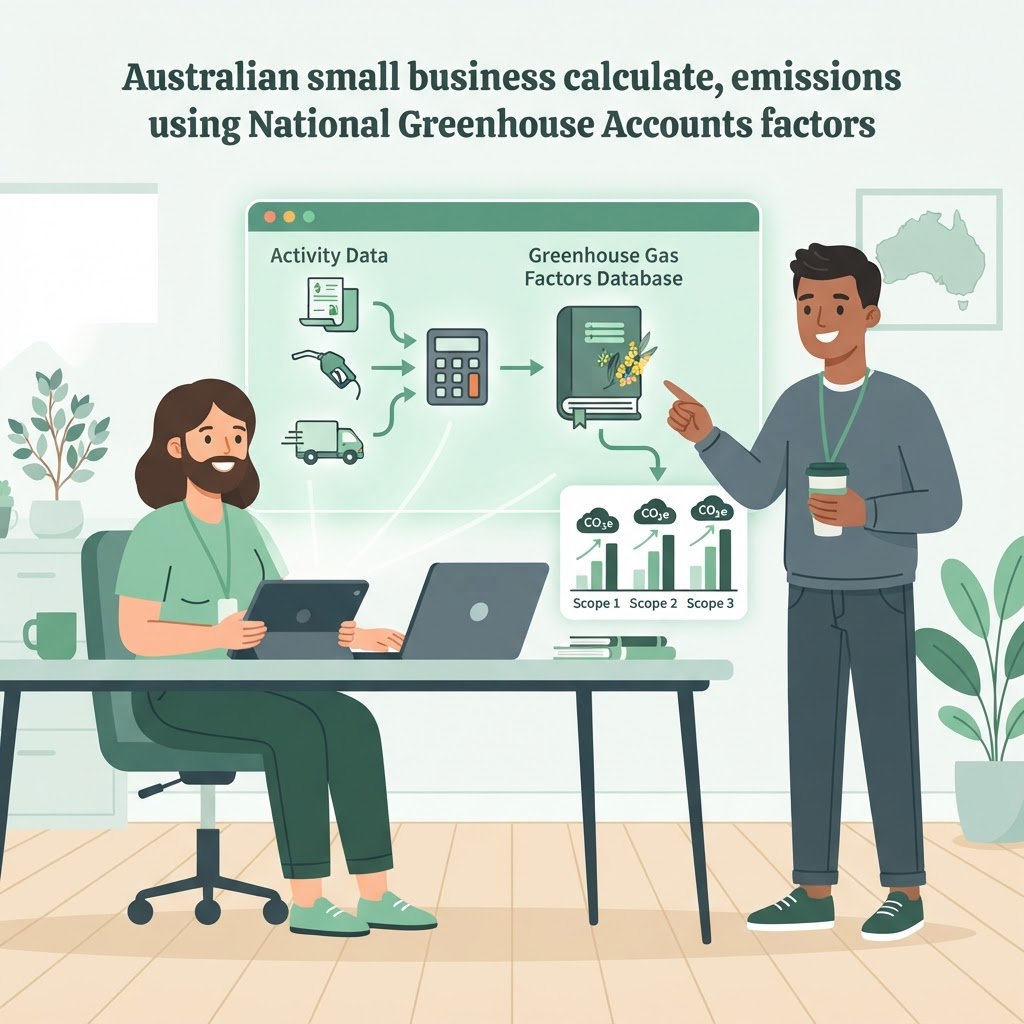
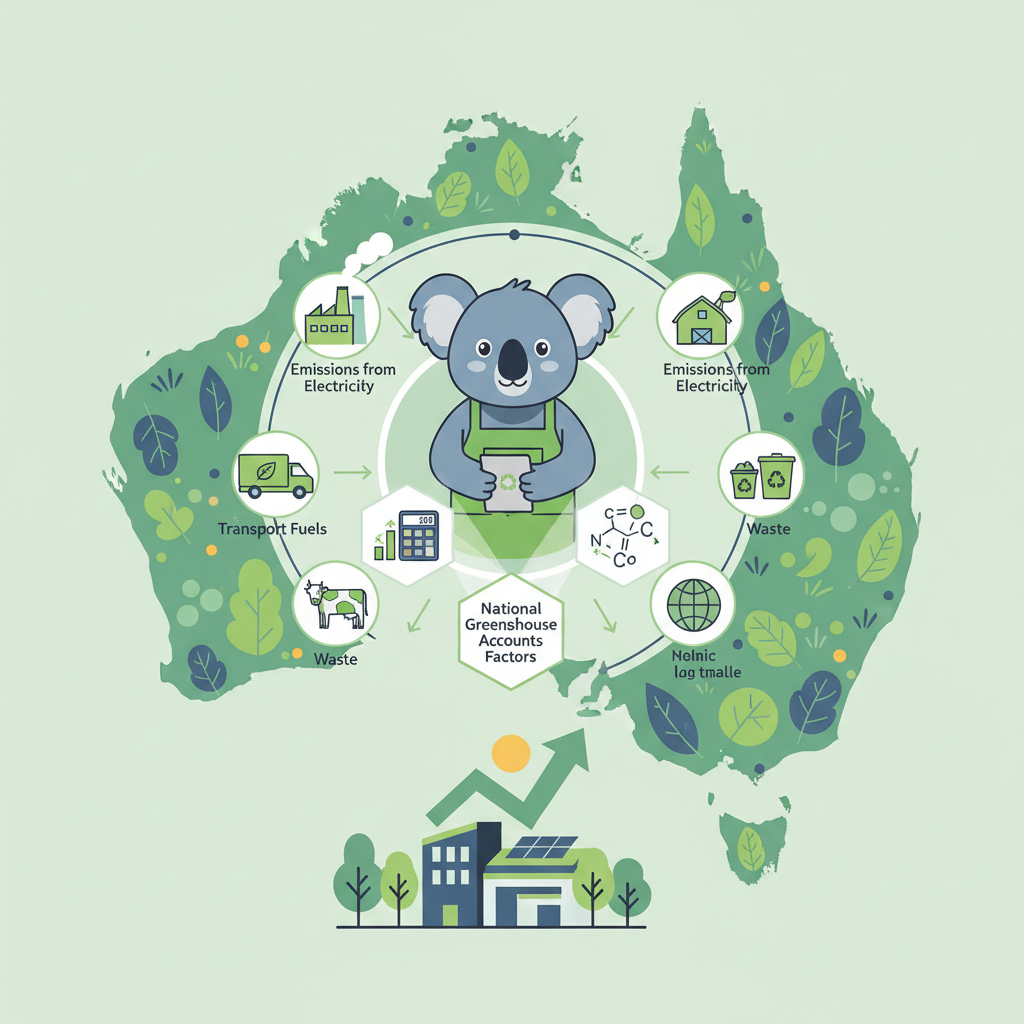
Learn how to use official National Greenhouse Accounts factors to build audit-ready emissions data for competitive Australian sustainability tenders.
Read blog
Streamline your next procurement bid by preparing the essential carbon documentation and data evidence required by enterprise buyers.
Read blog
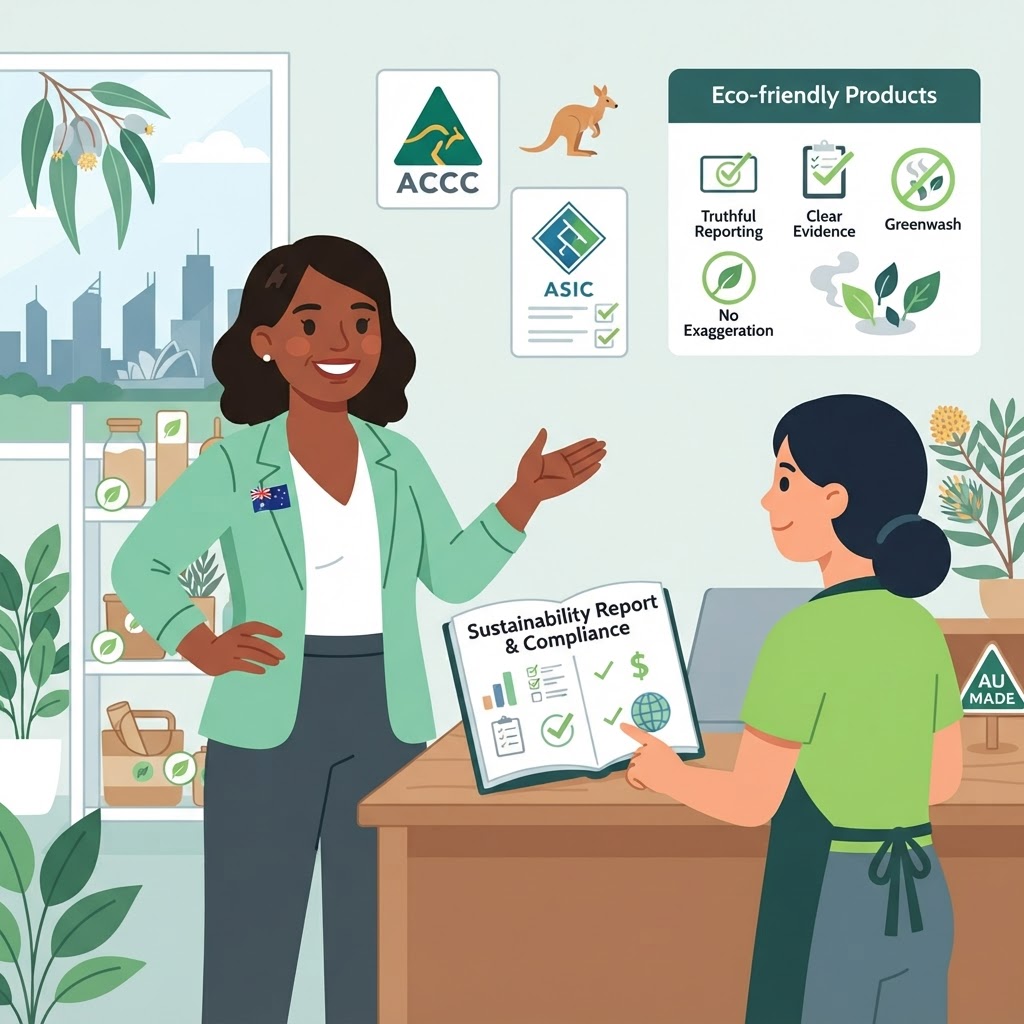
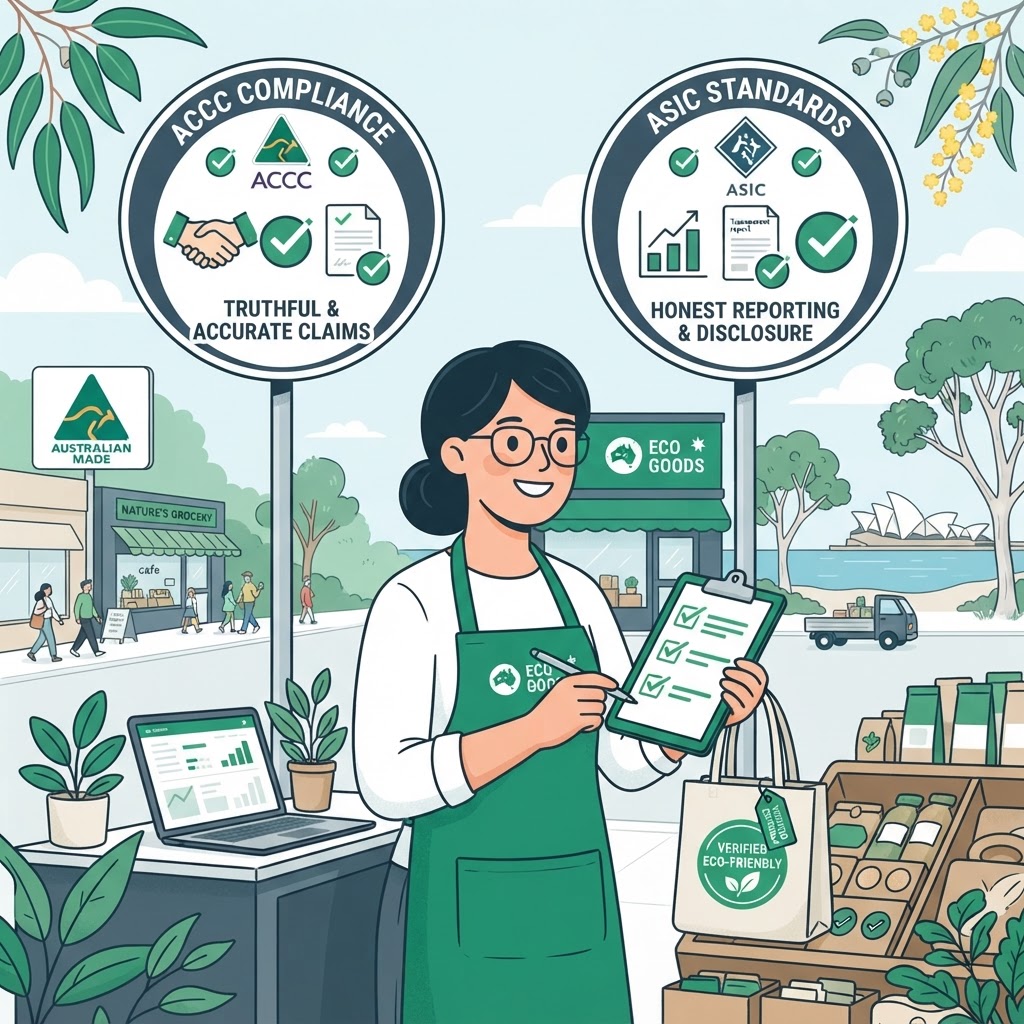
Learn how Australian SMEs can safeguard their reputation and win contracts by aligning sustainability reporting with ACCC and ASIC expectations.
Read blog
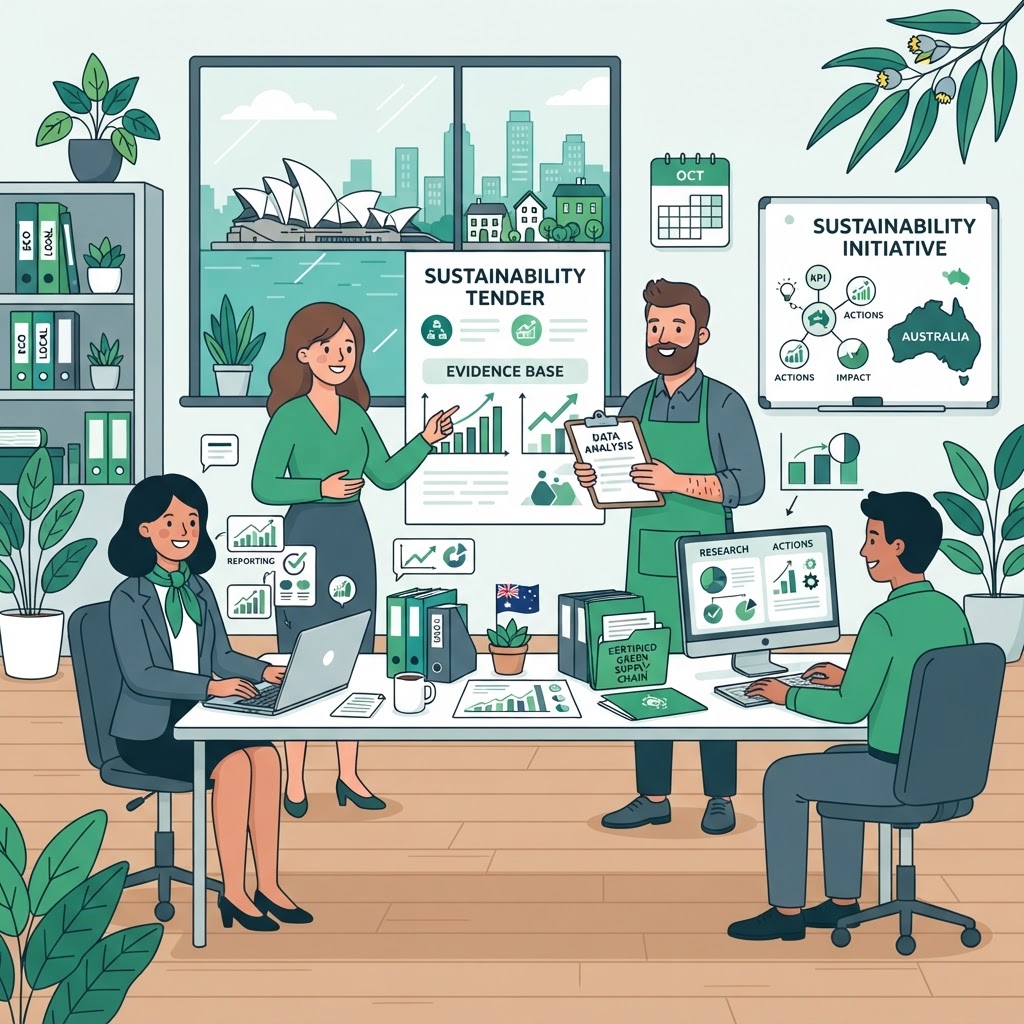
Discover how Australian SMEs can build a rigorous, evidence-backed foundation for sustainability tenders by mastering data integrity and reporting transparency.
Read blog
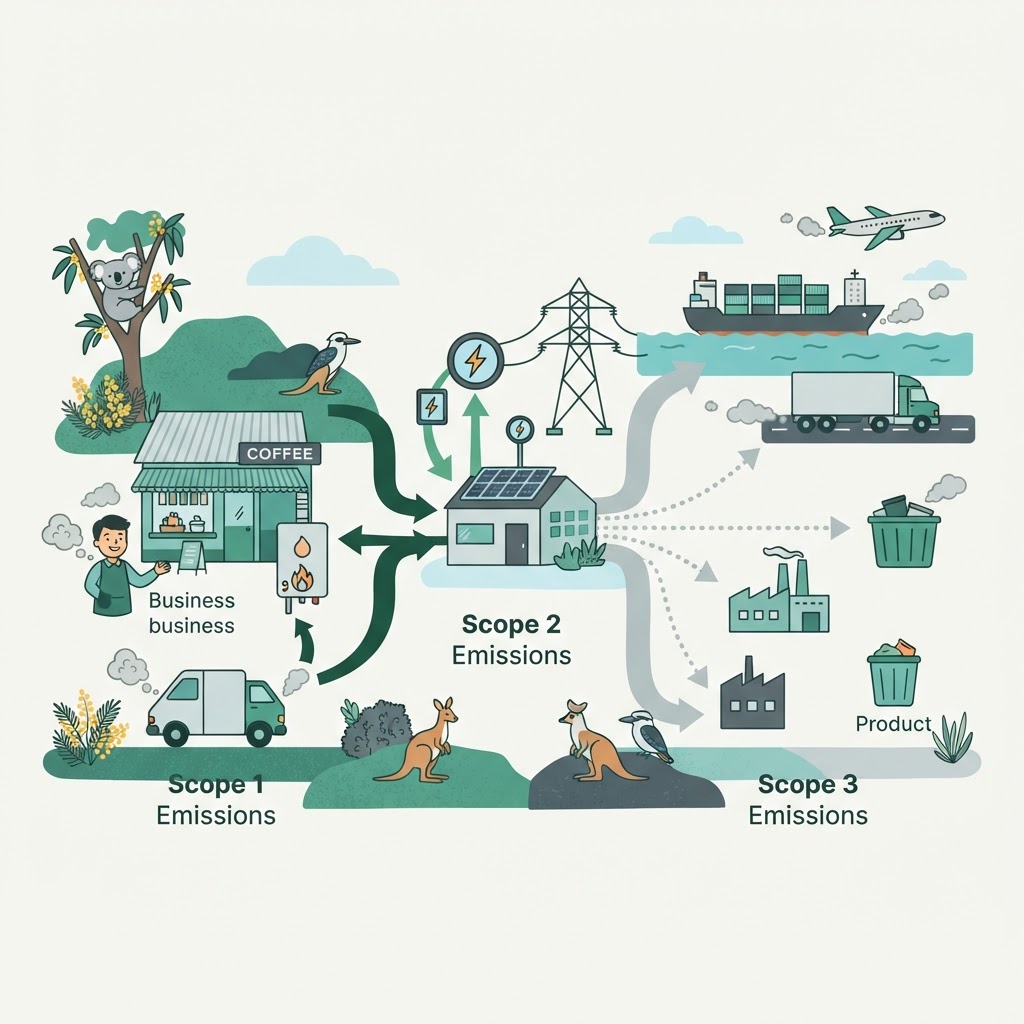
Navigating the complexities of Scope 1, 2, and 3 emissions is essential for Australian SMEs looking to win procurement contracts through credible sustainability reporting.
Read blog
Discover how the AASB S2 climate disclosure standards impact Australian SMEs and why precision in carbon accounting is now a prerequisite for winning government and enterprise contracts.
Read blog
Discover the rigorous validation methods major Australian buyers use to audit SME sustainability claims and how you can prepare to pass.
Read blog
Learn how Australian SMEs can leverage National Greenhouse Accounts factors to build audit-ready, evidence-based emissions reports for high-value tenders.
Read blog
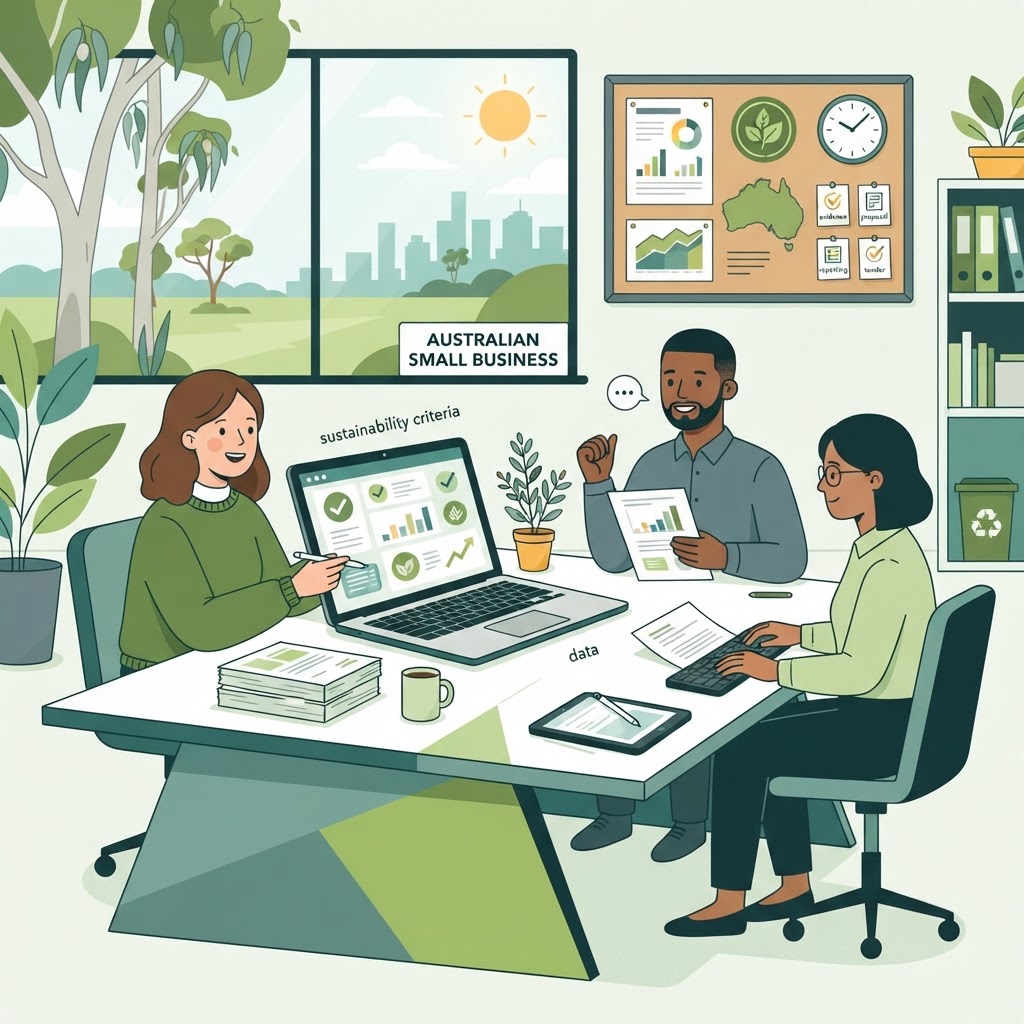
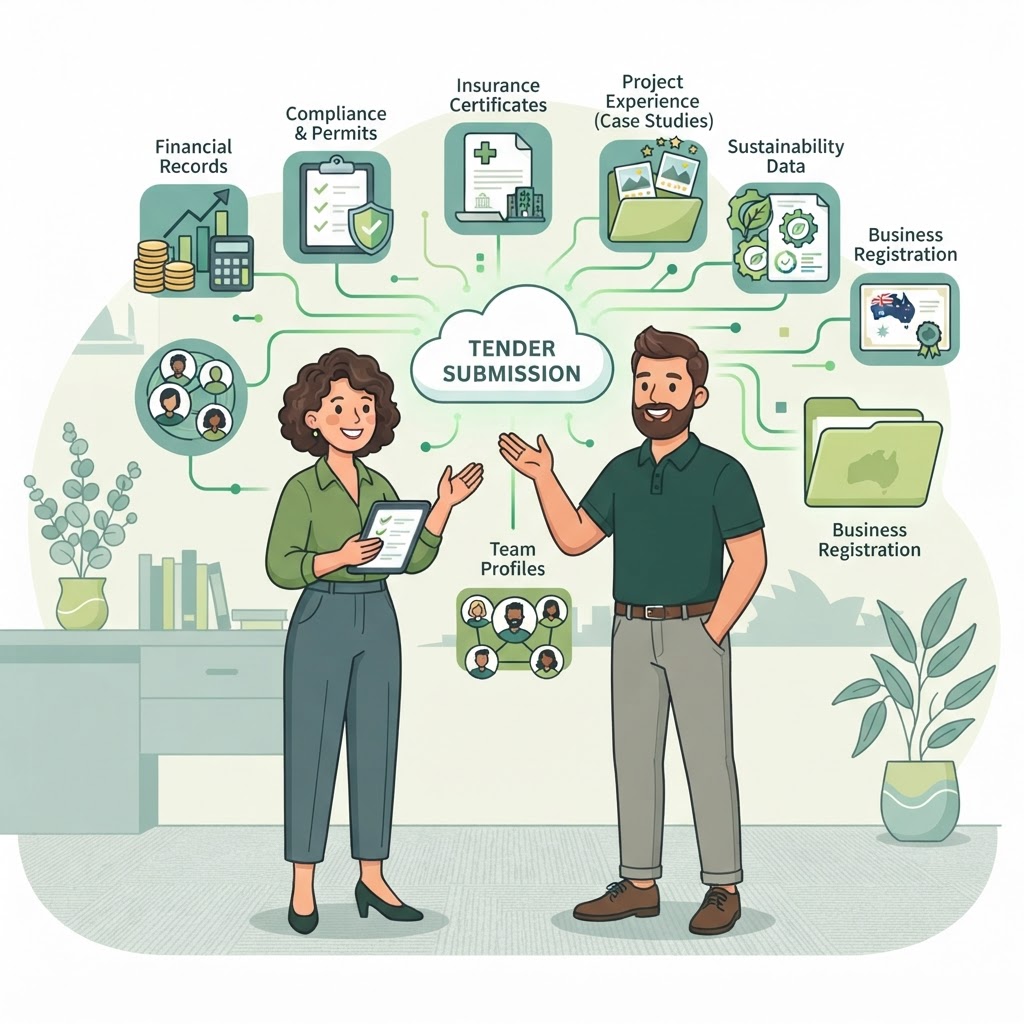
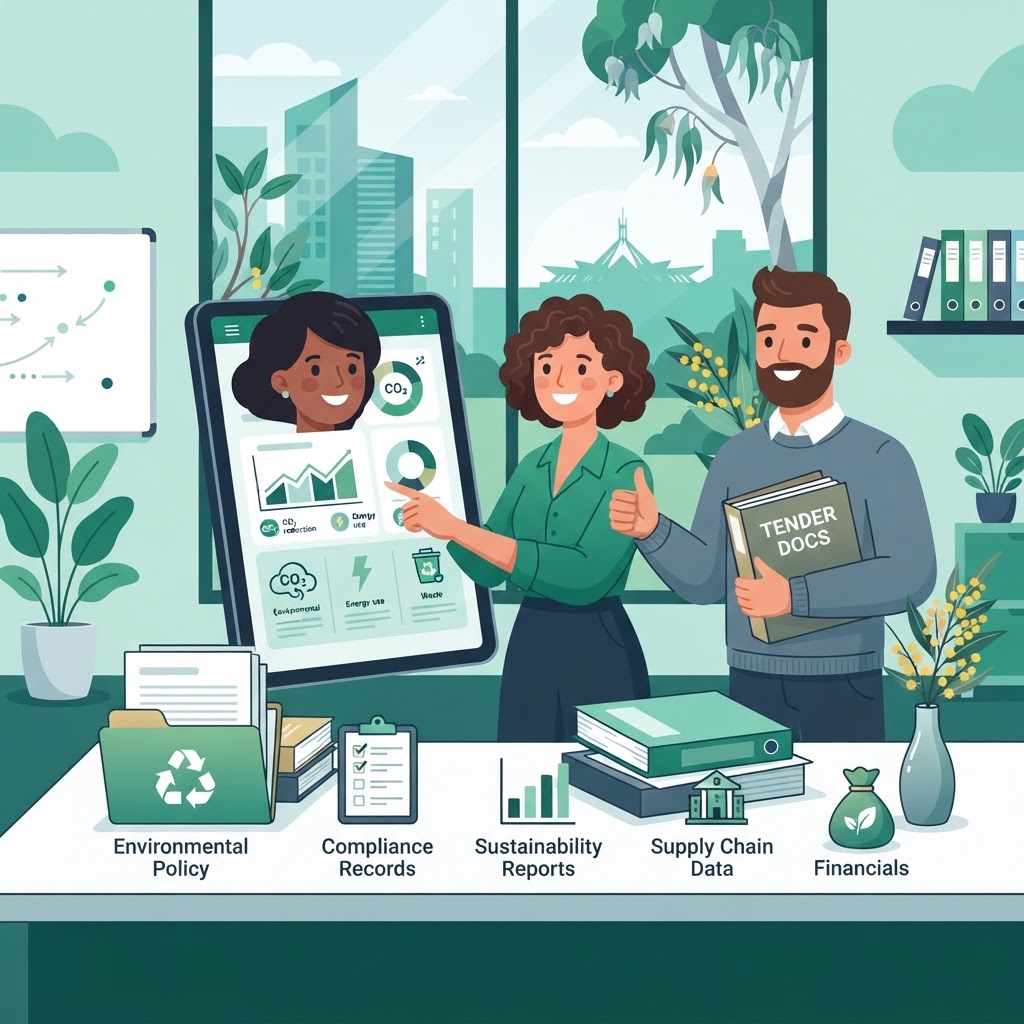
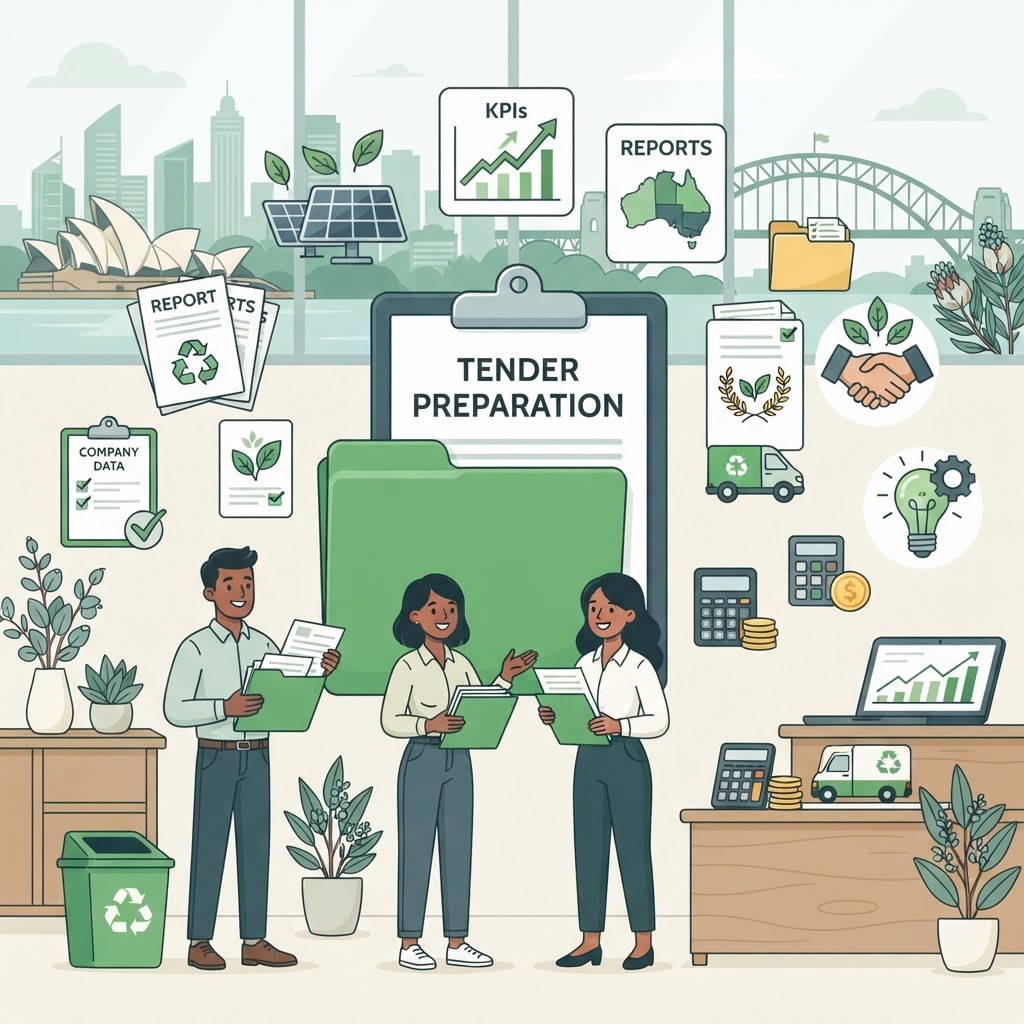
Preparing for a sustainability tender requires more than just good intentions; it demands an evidence-based repository of carbon data and operational documentation.
Read blog
Learn how Australian SMEs can safeguard their procurement bids against greenwashing accusations by aligning carbon accounting with ACCC and ASIC expectations.
Read blog
Learn how Australian SMEs can transform their emissions data into a competitive advantage to secure major government and enterprise contracts.
Read blog
Mastering the complexities of Scope 1, 2, and 3 emissions is no longer optional for Australian SMEs looking to secure major contracts in an increasingly sustainability-conscious market.
Read blog
While AASB S2 primarily targets large entities, the ripple effect on Australian SMEs means that precise emissions reporting is now a non-negotiable requirement for winning major supply chain contracts.
Read blog
Discover the rigorous criteria Australian enterprise buyers use to assess SME sustainability credentials and how to ensure your carbon data stands up to scrutiny.
Read blog
Discover how Australian SMEs can use the latest National Greenhouse Accounts factors to build credible, evidence-backed sustainability tender responses.
Read blog
Streamline your next tender submission by gathering the essential carbon data and evidence-backed documentation Australian SMEs need to win.
Read blog
Learn how Australian SMEs can align with ACCC and ASIC expectations by building evidence-backed sustainability tender responses that avoid greenwashing pitfalls.
Read blog
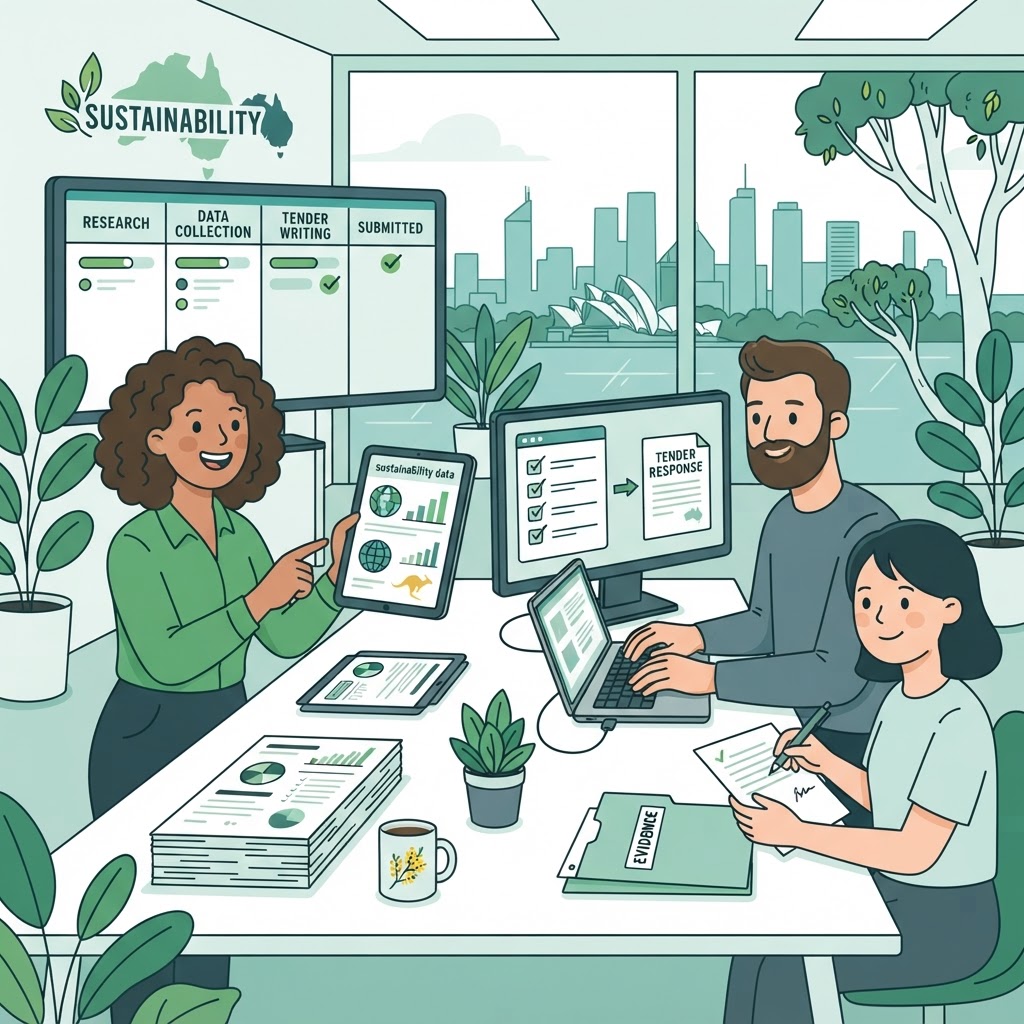
Elevate your Australian SME's tender competitiveness by mastering the art of crafting evidence-backed sustainability responses, moving beyond claims to verifiable impact.
Read blog
Learn how to demystify carbon classifications to build accurate, defensible sustainability reports that help your SME win more procurement contracts.
Read blog
While AASB S2 targets large entities, Australian SMEs are feeling the ripple effects as major buyers now demand high-integrity climate data.
Read blog
Discover the precise criteria major Australian buyers use to vet SME sustainability claims and how to turn your carbon accounting data into a competitive tender advantage.
Read blog
Learn how Australian SMEs can leverage National Greenhouse Accounts factors to build ironclad, evidence-backed sustainability tender responses.
Read blog
Prepare your SME for competitive procurement by auditing your carbon data and documentation before the tender deadline hits.
Read blog
Learn how Australian SMEs can align their sustainability disclosures with ACCC and ASIC expectations to win government and corporate tenders.
Read blog
Learn how to transform your carbon data into a competitive advantage for Australian procurement tenders by focusing on transparency and verifiable evidence.
Read blog
Demystify the complexities of Scope 1, 2, and 3 emissions to build competitive, evidence-backed sustainability tender responses for Australian SMEs.
Read blog
Discover how the AASB S2 climate disclosure standard creates a ripple effect for Australian SMEs in the procurement supply chain.
Read blog
Discover how large Australian buyers evaluate SME sustainability claims and how you can prepare evidence-backed tender responses that stand up to scrutiny.
Read blog
Discover how Australian SMEs can leverage National Greenhouse Accounts factors to build audit-ready, evidence-based emissions reports for high-stakes tenders.
Read blog
Streamline your next tender submission by gathering the precise environmental data required to prove your sustainability claims.
Read blog
Learn how Australian SMEs can safeguard their reputation and win tenders by aligning their carbon accounting with ACCC and ASIC expectations.
Read blog
Learn how Australian SMEs can leverage precision carbon accounting to transform sustainability tender responses from generic claims into evidence-backed competitive advantages.
Read blog
Demystify the complexities of carbon accounting with our breakdown of Scope 1, 2, and 3 emissions tailored for Australian SMEs preparing for sustainability tenders.
Read blog
While AASB S2 primarily targets large entities, Australian SMEs in their supply chains are feeling the pressure to provide high-quality climate data to remain competitive in procurement.
Read blog
Discover how large Australian buyers evaluate SME sustainability claims and what data you need to win tenders in an era of strict climate scrutiny.
Read blog
National Greenhouse Accounts factors provide the regulated methodology Australian SMEs need to produce defensible, evidence-backed emissions data for sustainability tenders.
Read blog
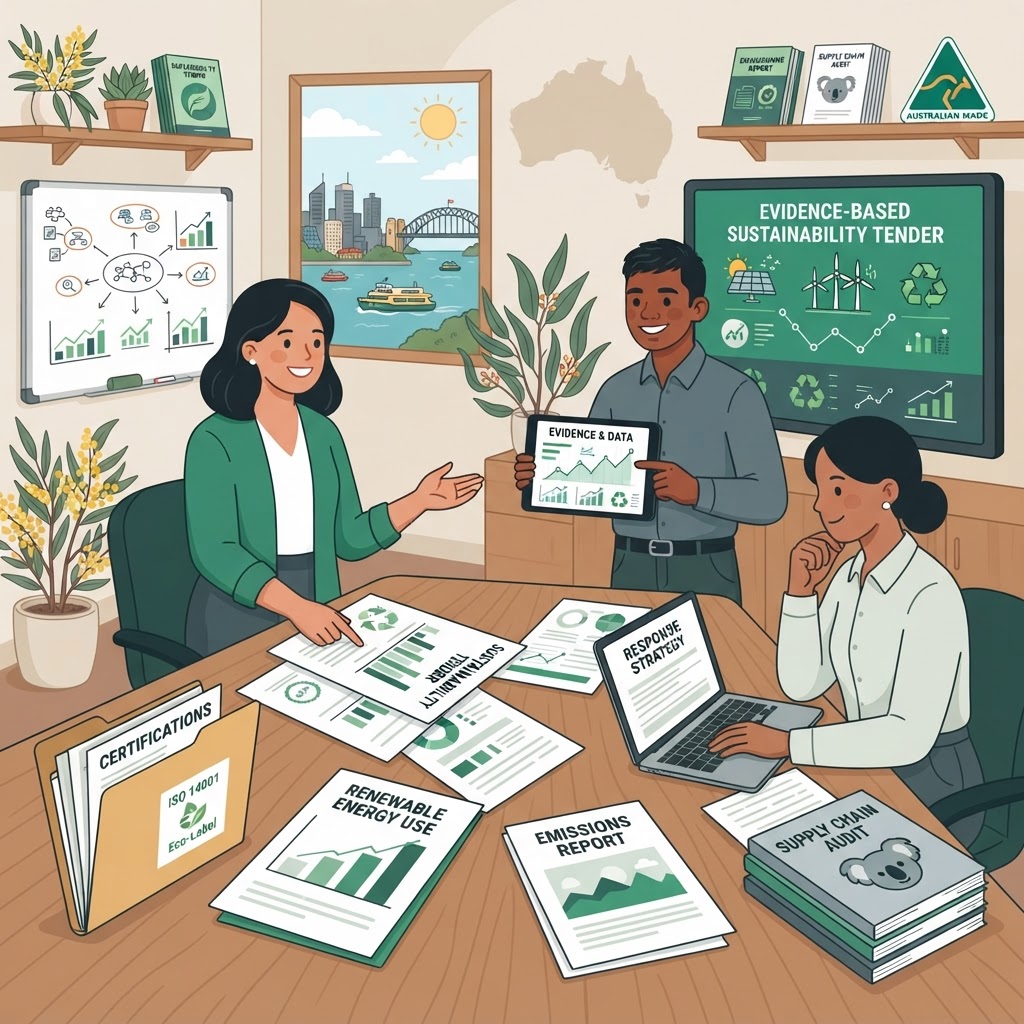
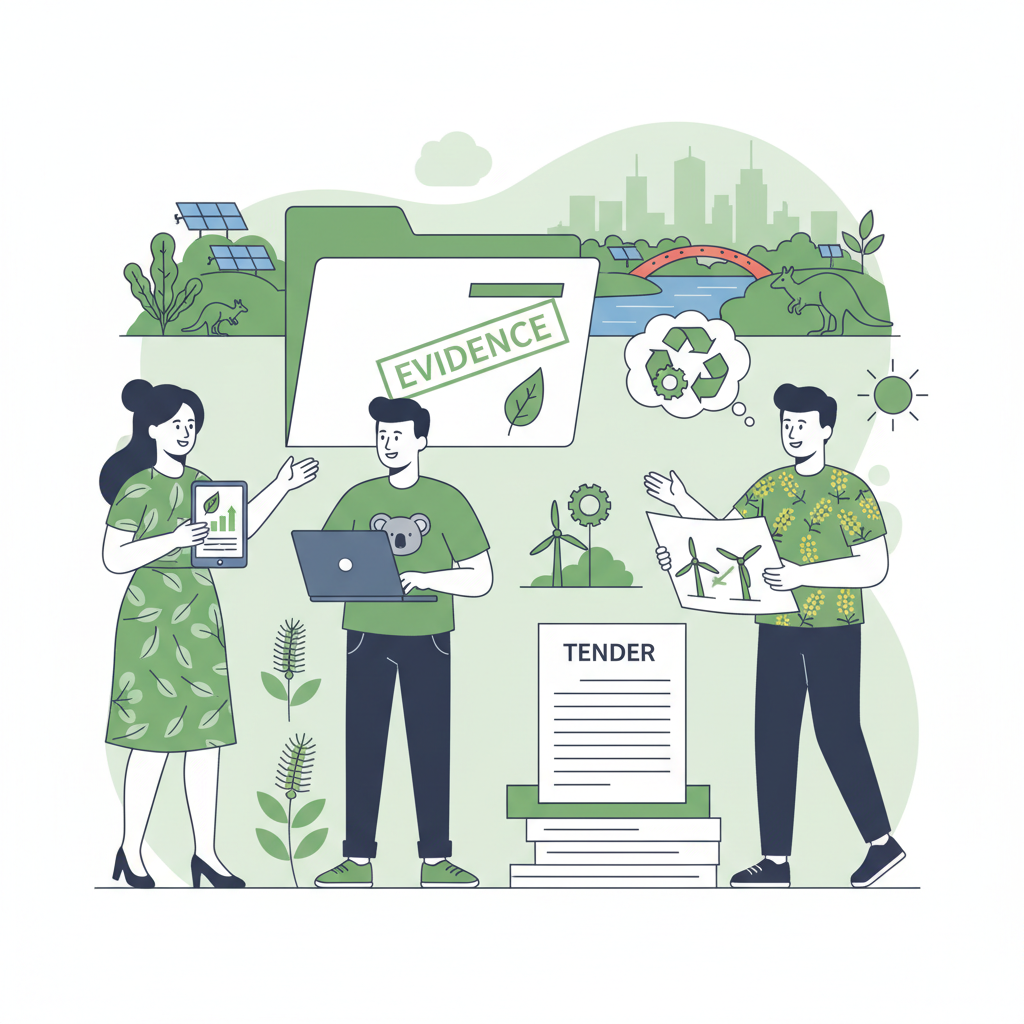
Australian SMEs can win more sustainability tenders by pre-assembling an evidence file of emissions data, methodology statements, and governance records.
Read blog
Discover strategies for Australian SMEs to avoid greenwashing and ensure compliance in sustainability initiatives.
Read blog
Empower your small business with evidence-backed sustainability tender responses that shine in competitive procurement processes.
Read blog
Learn how understanding Scope 1, 2, and 3 emissions can enhance sustainability responses for SMEs in Australia.
Read blog
Explore how AASB S2 affects Australian SMEs in carbon accounting and sustainability tenders.
Read blog
Understanding how large buyers assess sustainability credentials is vital for SMEs aiming for impactful tender responses.
Read blog
Learn how Australian SMEs can leverage National Greenhouse Accounts factors to enhance emissions reporting for sustainability tenders.
Read blog
A guide for Australian SMEs on the vital documents and data to collect before responding to sustainability tenders.
Read blog
Learn how Australian SMEs can meet ACCC and ASIC expectations while avoiding greenwashing in sustainability tenders.
Read blog
A guide for SMEs on crafting evidence-backed sustainability tender responses that meet Australian standards.
Read blog
A guide for Australian SMEs on how to navigate Scope 1, 2, and 3 emissions for effective sustainability reporting.
Read blog
Understanding AASB S2 is crucial for Australian SMEs to excel in sustainability tenders.
Read blog
Discover how large buyers assess sustainability credentials and what SMEs need to know for competitive advantage in procurement.
Read blog
Discover how Australian SMEs can accurately calculate emissions using National Greenhouse Accounts factors to enhance sustainability tender responses.
Read blog
Ensure your SME is prepared for sustainability tenders with this essential document checklist.
Read blog
Learn how Australian SMEs can avoid greenwashing and adhere to ACCC and ASIC guidelines in sustainability tenders.
Read blog
Learn how Australian SMEs can effectively prepare evidence-backed sustainability tender responses to enhance their procurement outcomes.
Read blog
Unlock the essentials of Scope 1, 2, and 3 emissions and their significance for SMEs in the sustainability tender landscape.
Read blog
Explore what AASB S2 climate disclosure means for SMEs navigating sustainability compliance in Australia.
Read blog
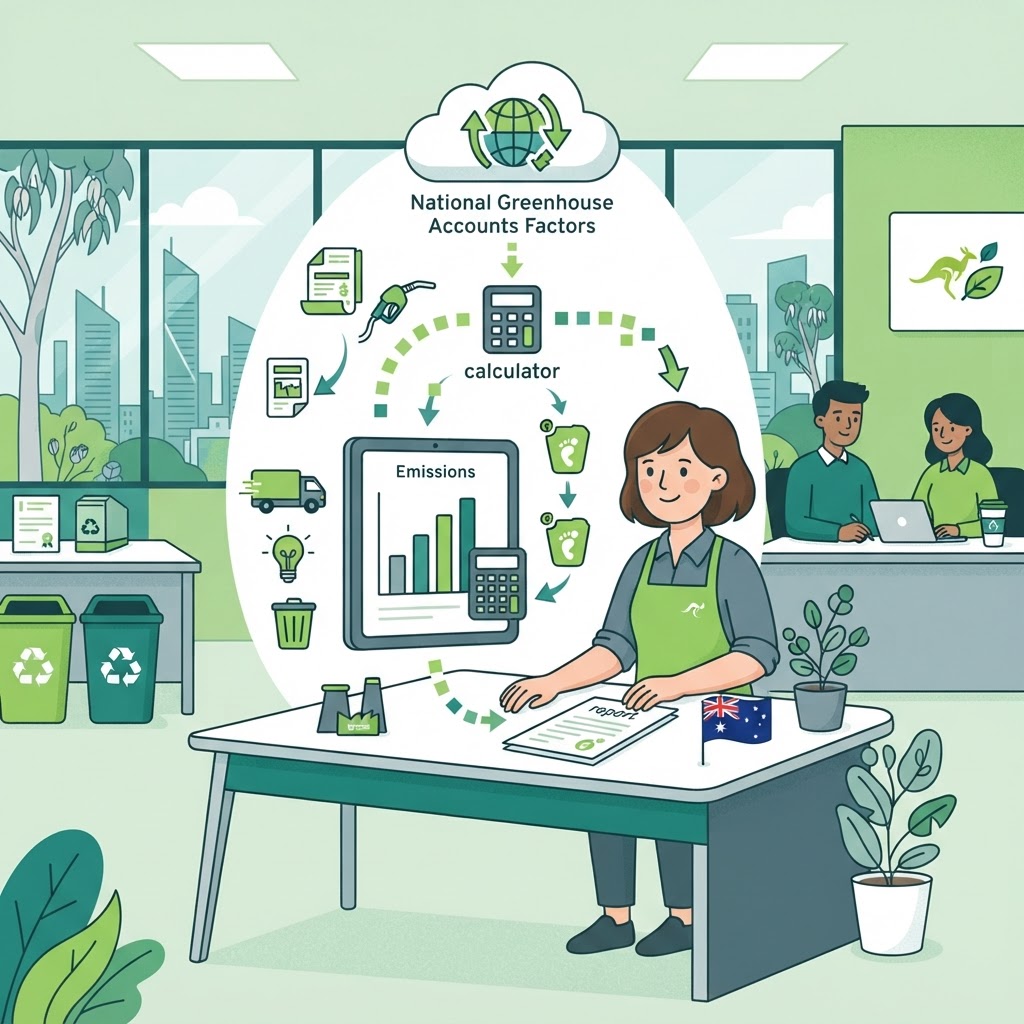
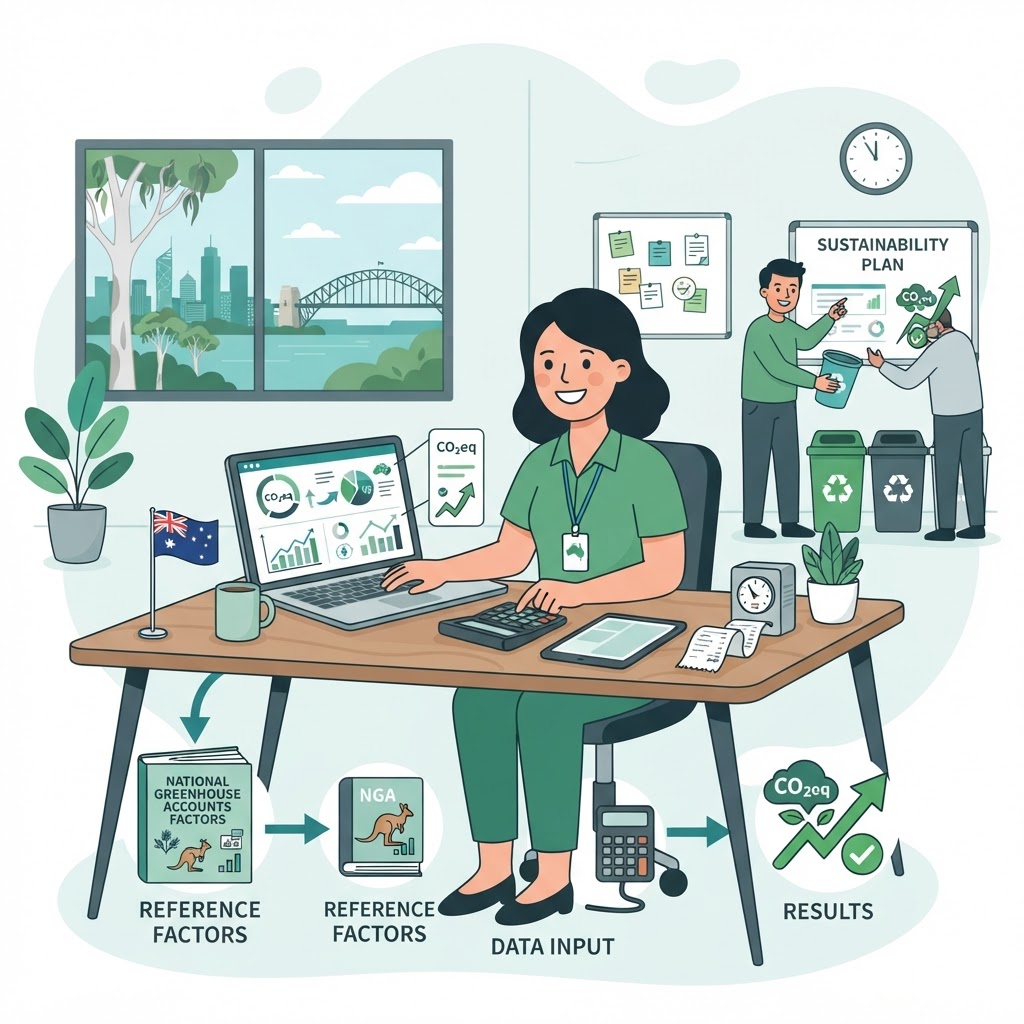
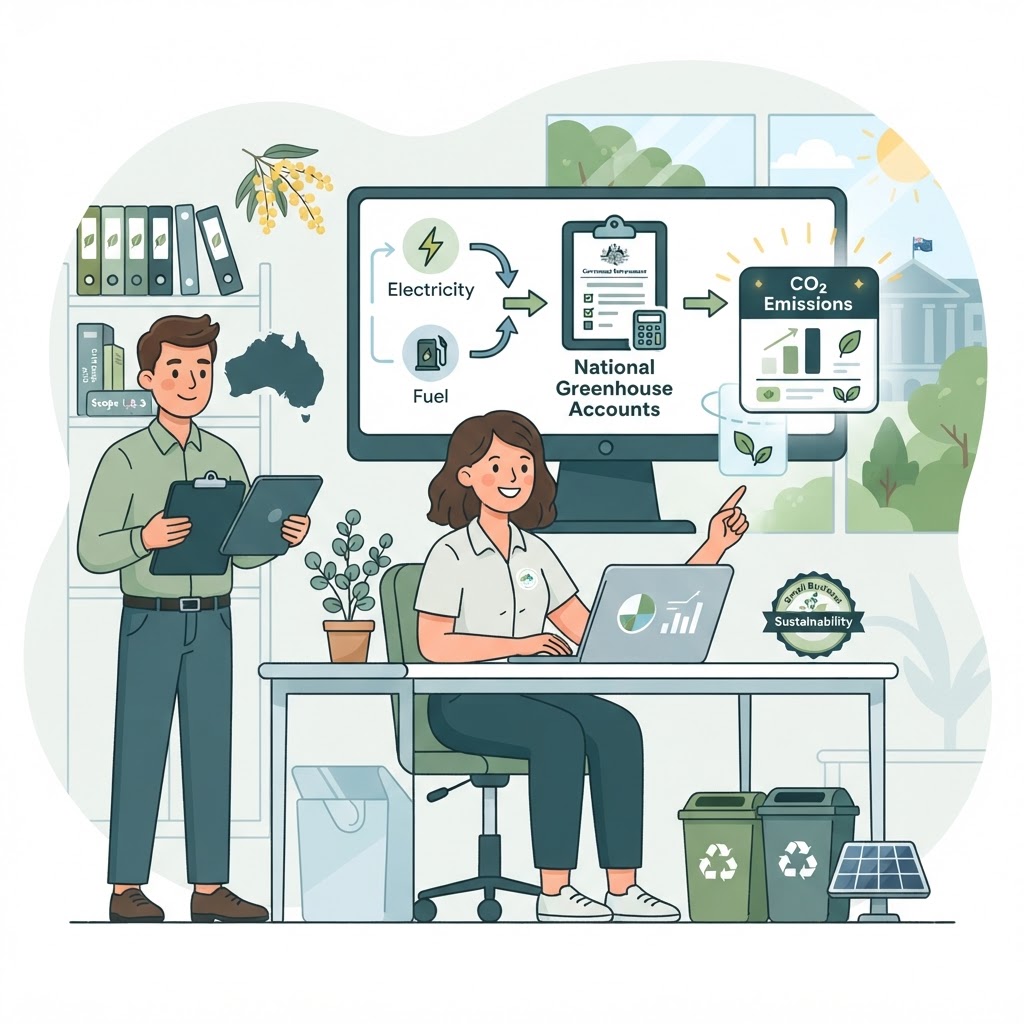
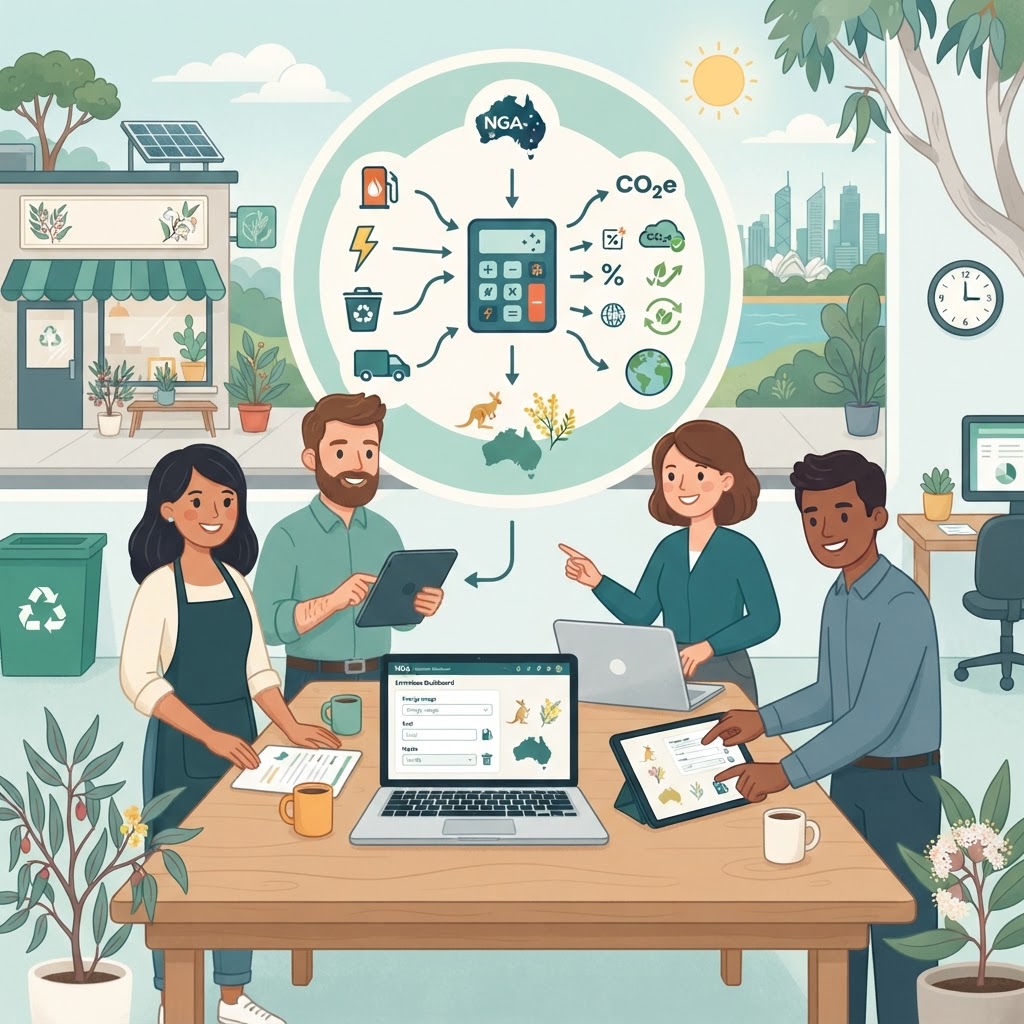
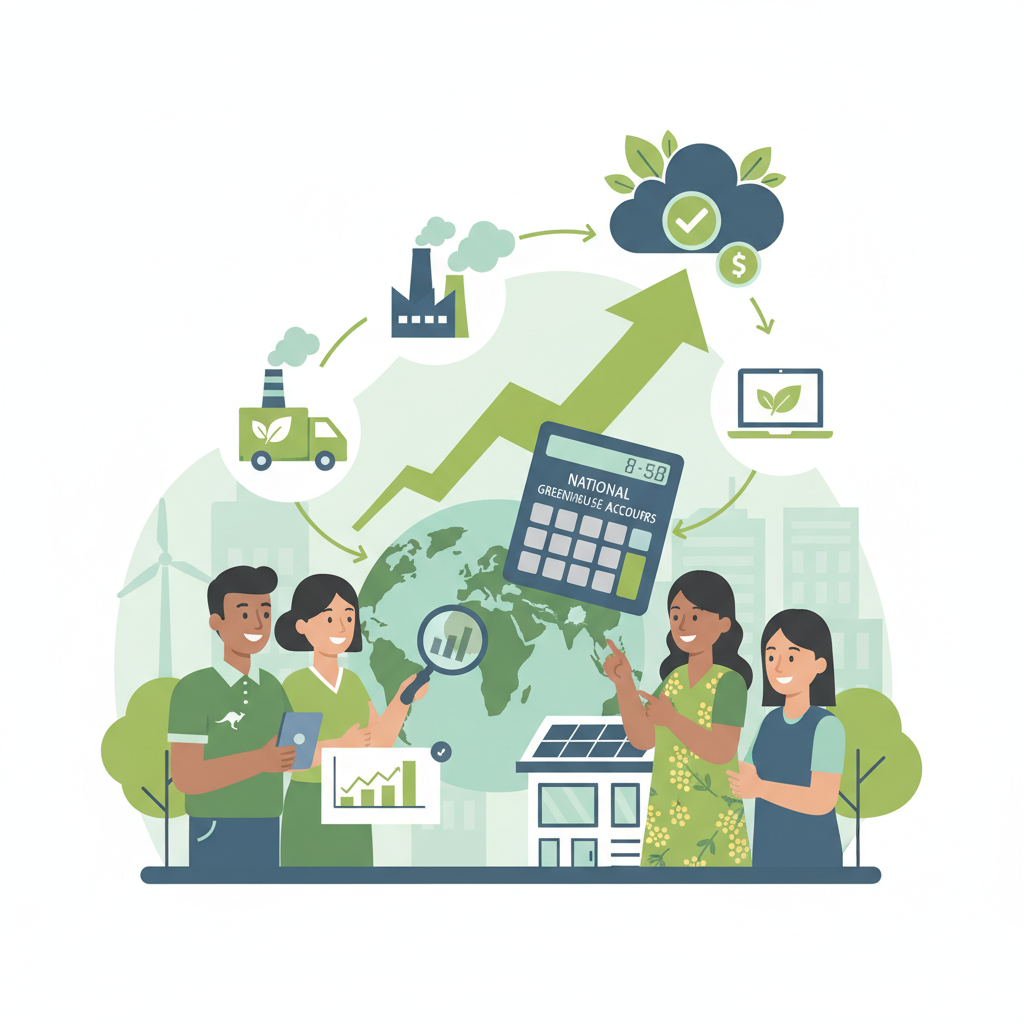
For Australian SMEs, the journey from carbon data to contract wins is paved with precision. As government and enterprise buyers tighten their supply chain requirements, the ability to produce accurate, evidence-backed emissions reporting is no longer optional—it is a competitive necessity. Central to this process are the National Greenhouse Accounts (NGA) factors, which provide the standardised scientific baseline required to convert business activity data into verifiable carbon footprints. By grounding your sustainability tender response in these government-endorsed metrics, you shift the conversation from estimation to integrity.
The Australian government publishes the NGA factors to ensure consistency in how organisations measure their climate impact. For an SME, using these specific factors is the fastest way to align with expectations set by the ACCC regarding greenwashing. When you apply official factors to your Scope 1, 2, and 3 data, you are essentially speaking the same language as auditors and procurement officers. This alignment demonstrates that your carbon accounting follows national best practices rather than relying on arbitrary or inflated calculations.
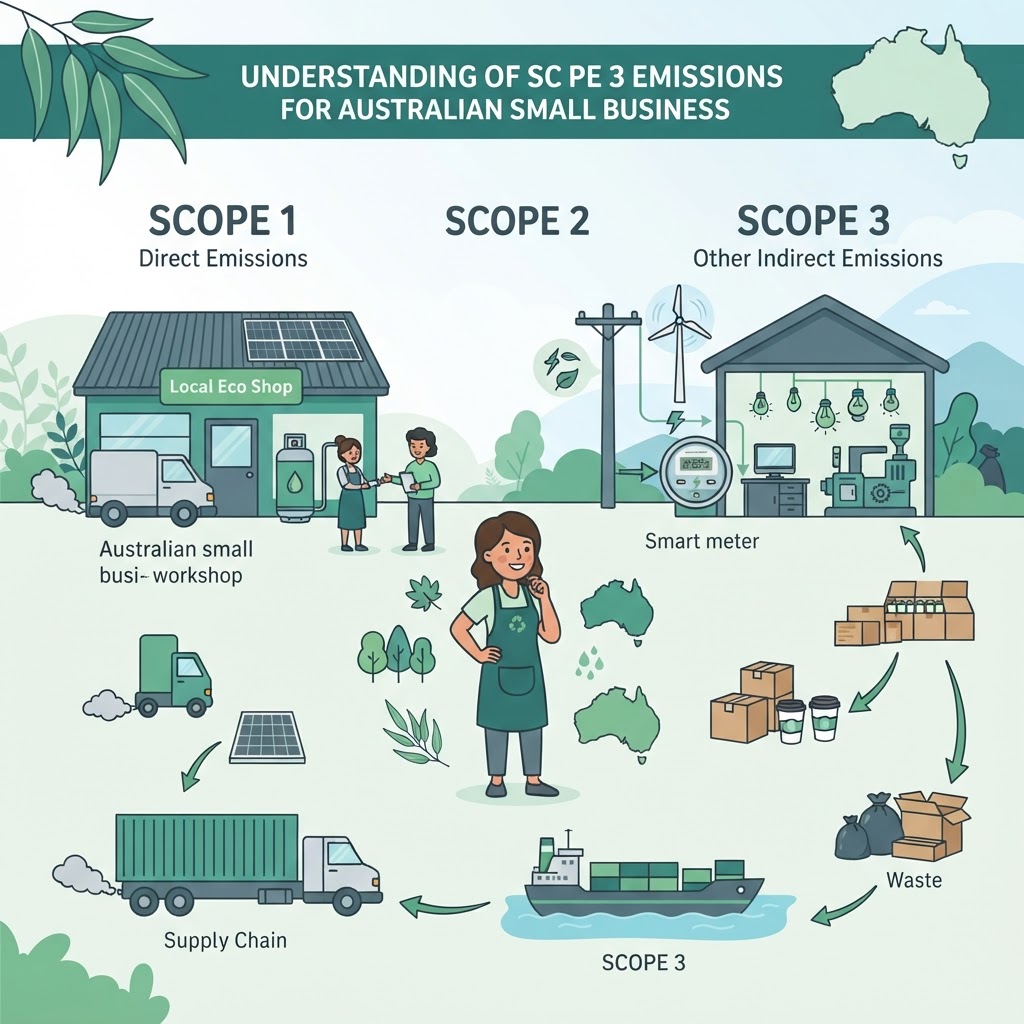
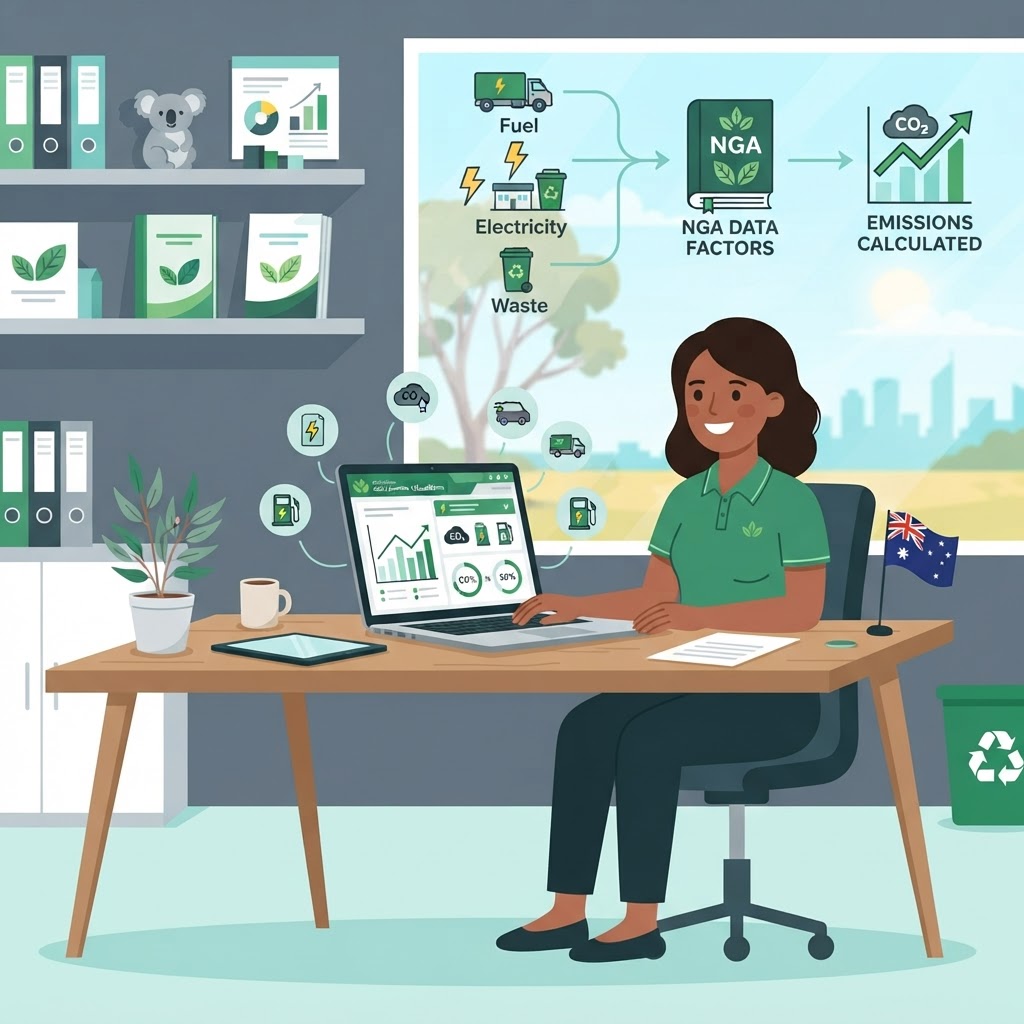
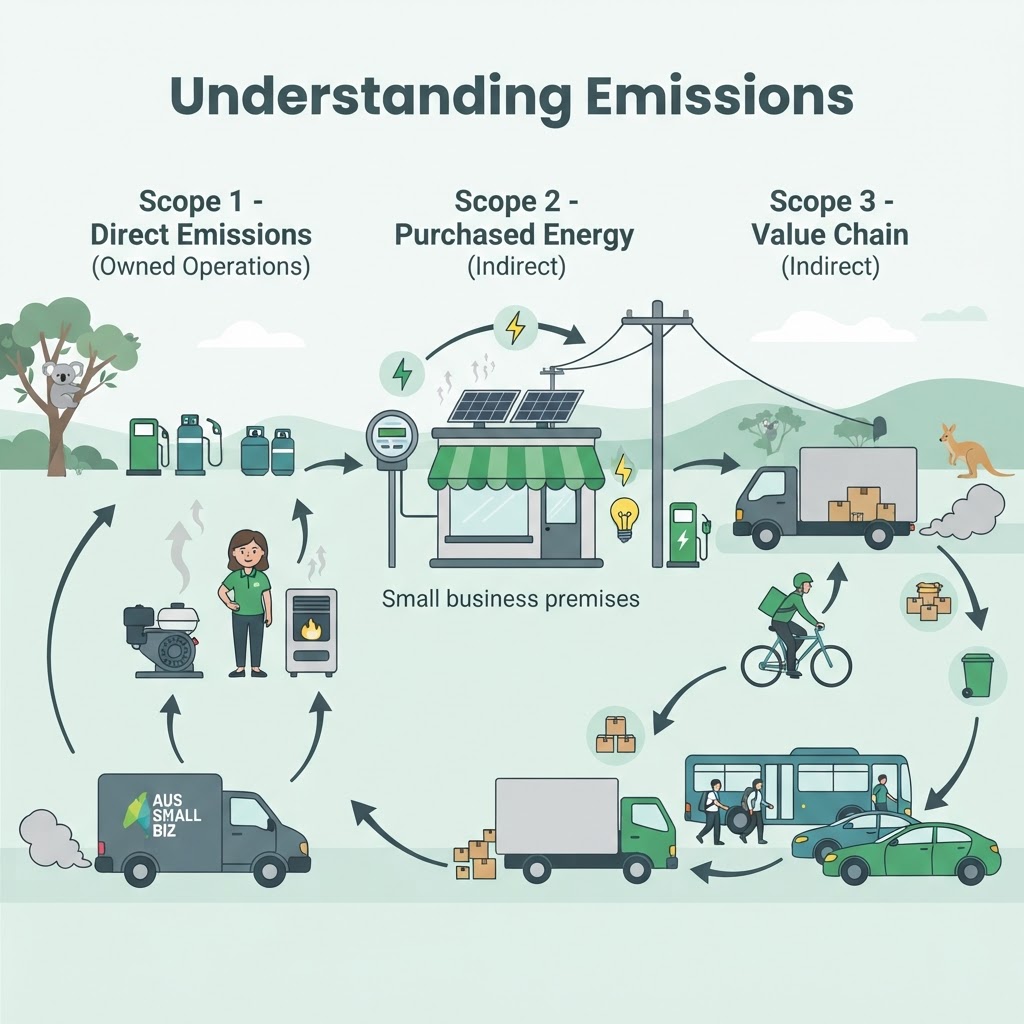
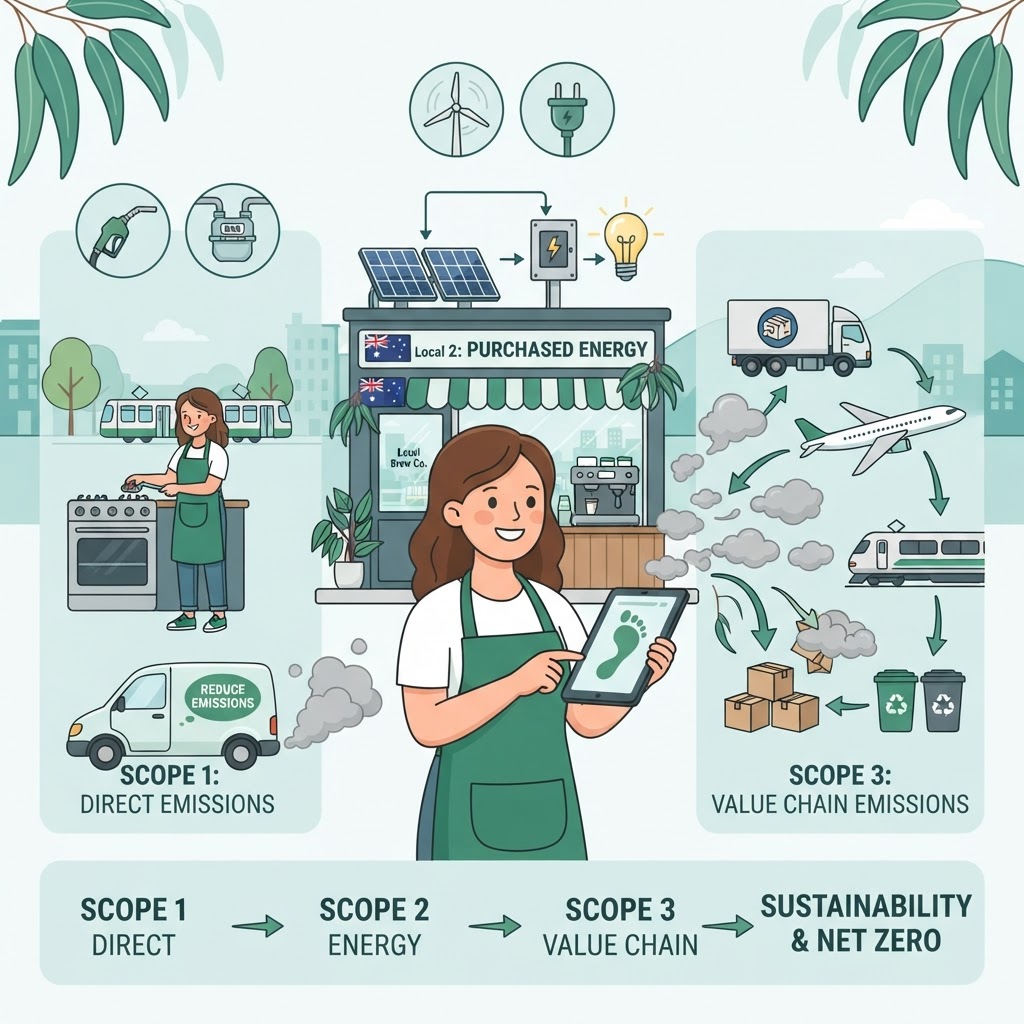
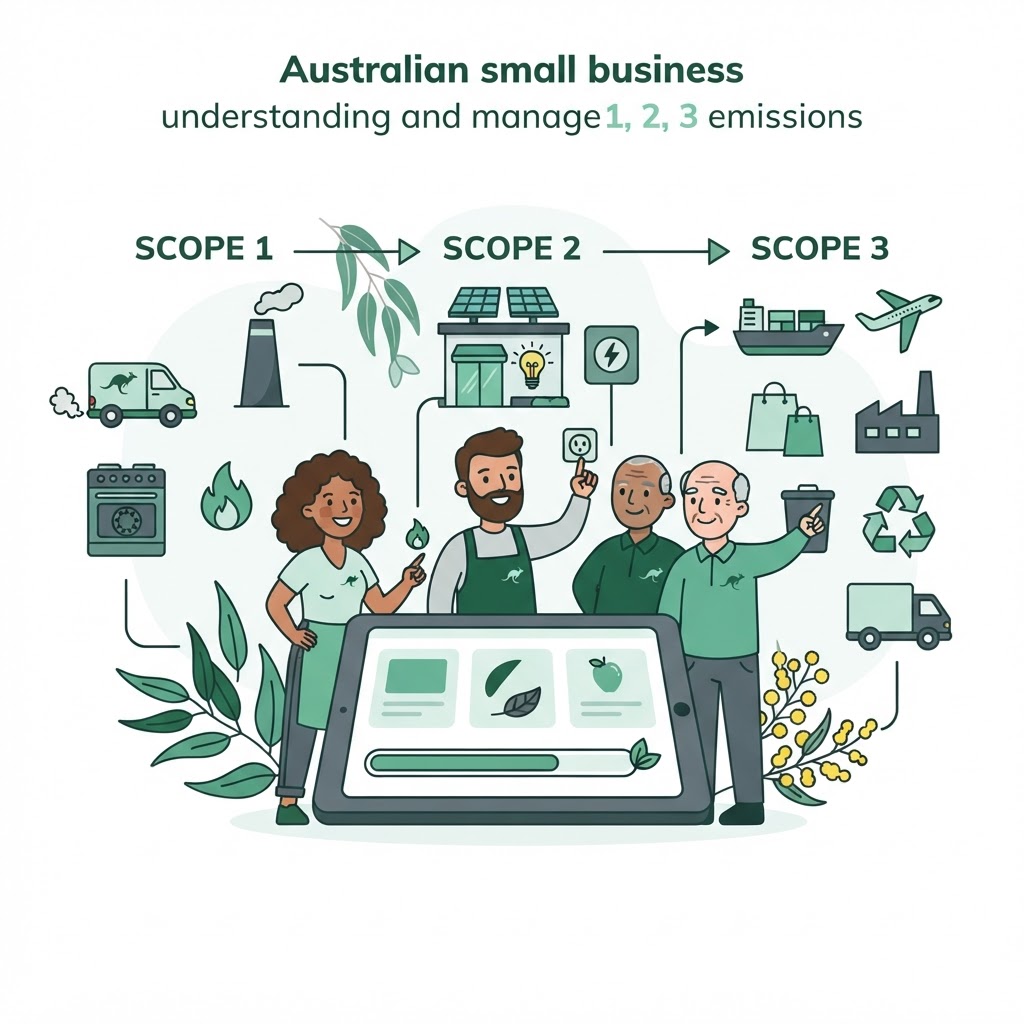
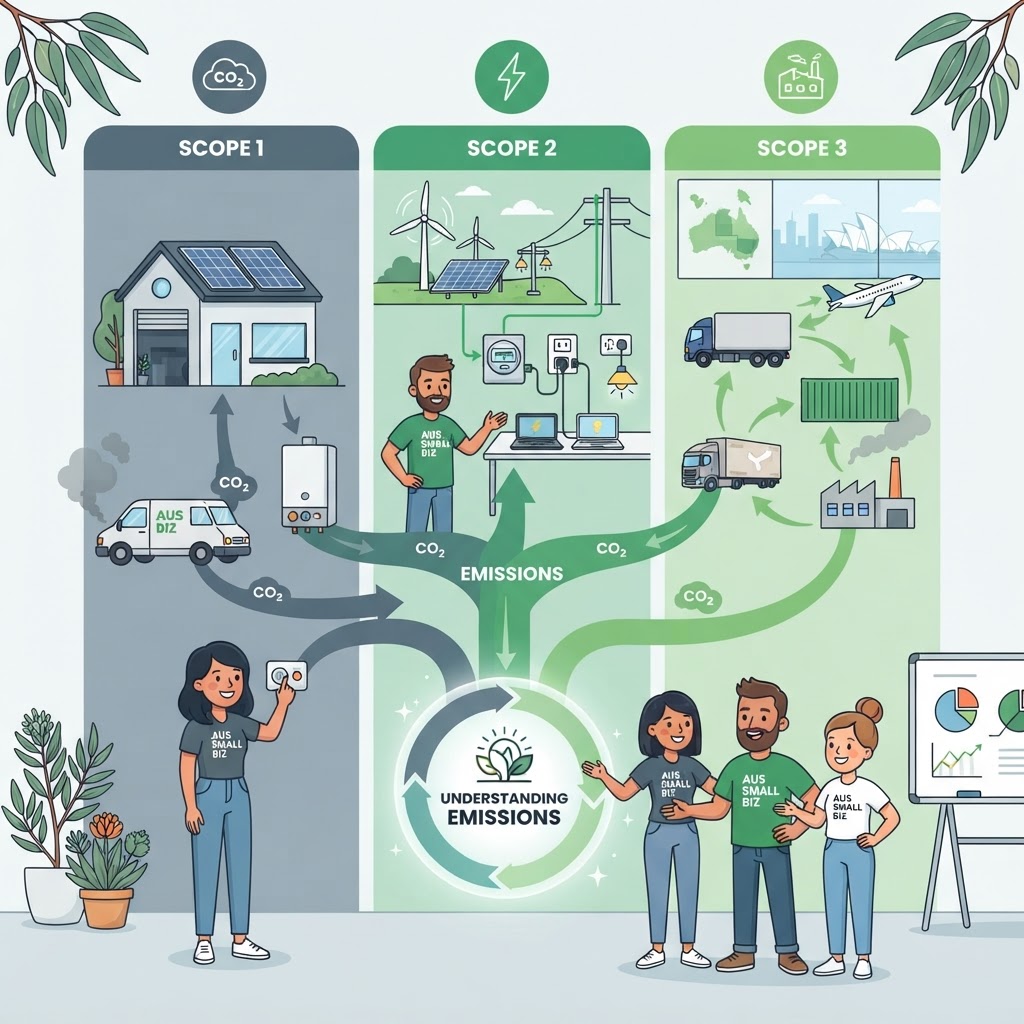
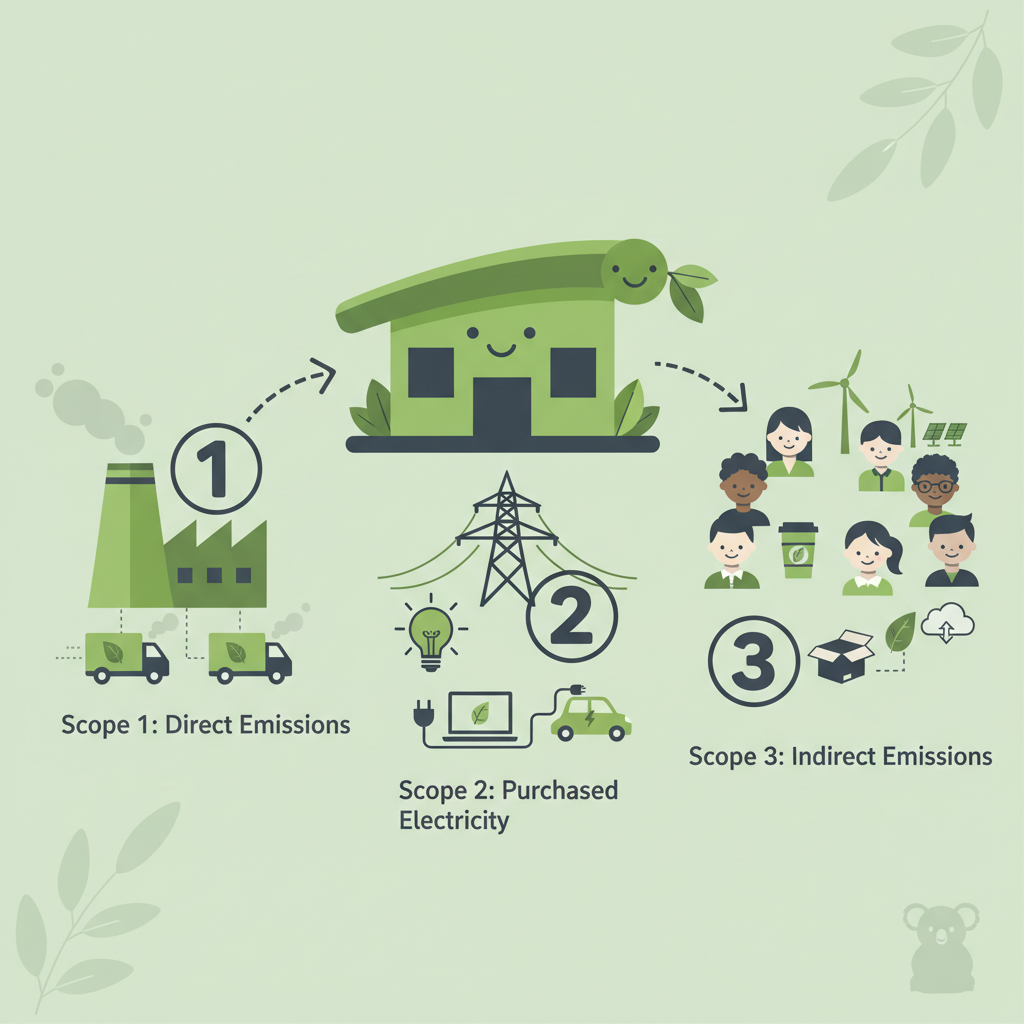
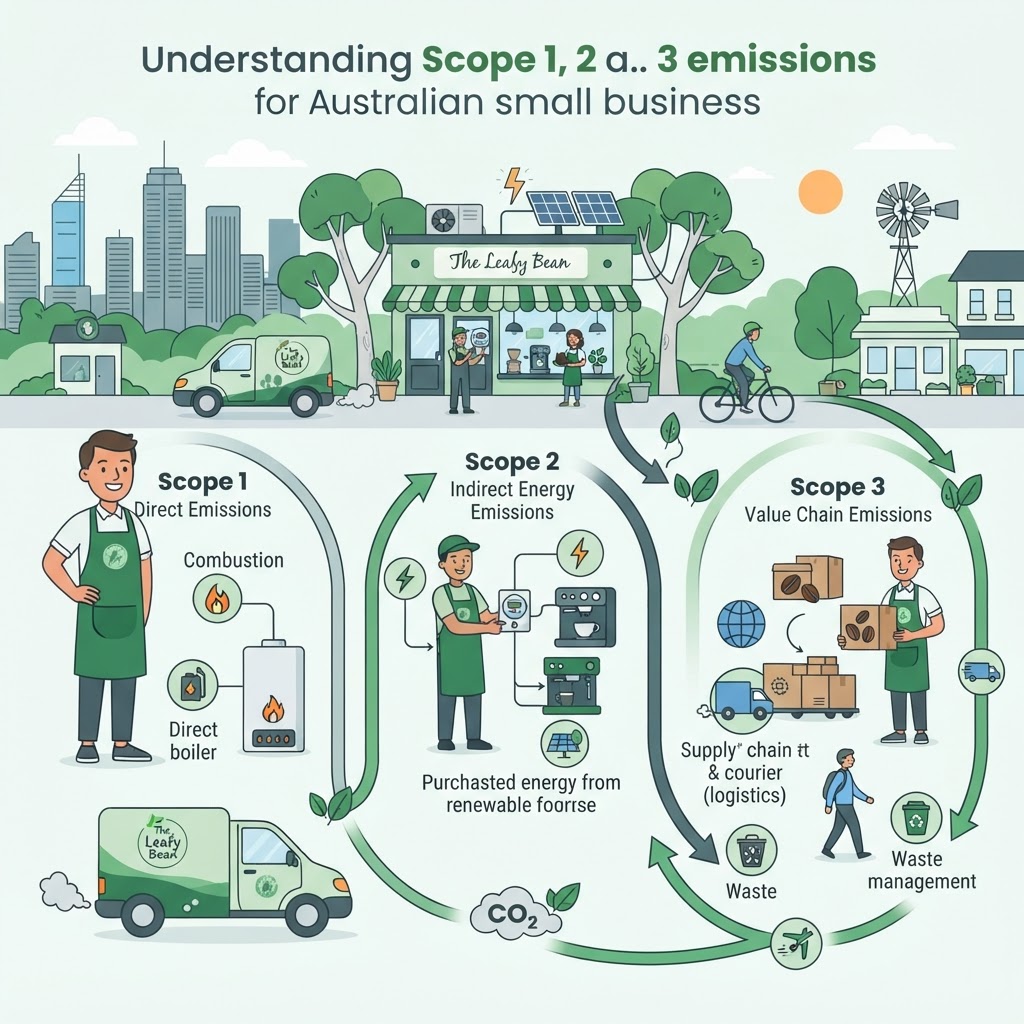
Effective emissions reporting requires a structured approach to the three scopes. Scope 1 covers direct emissions from fuel combustion in company vehicles or onsite machinery. Scope 2 accounts for electricity purchased from the grid, while Scope 3 represents the complex, indirect emissions across your value chain. Using the NGA factors allows your team to map activity data—such as litres of fuel or kilowatt-hours of electricity—to the correct emissions intensity values. This systematic mapping is the cornerstone of a defensible sustainability tender, ensuring your claims stand up to the rigours of ASIC INFO 271 transparency standards.
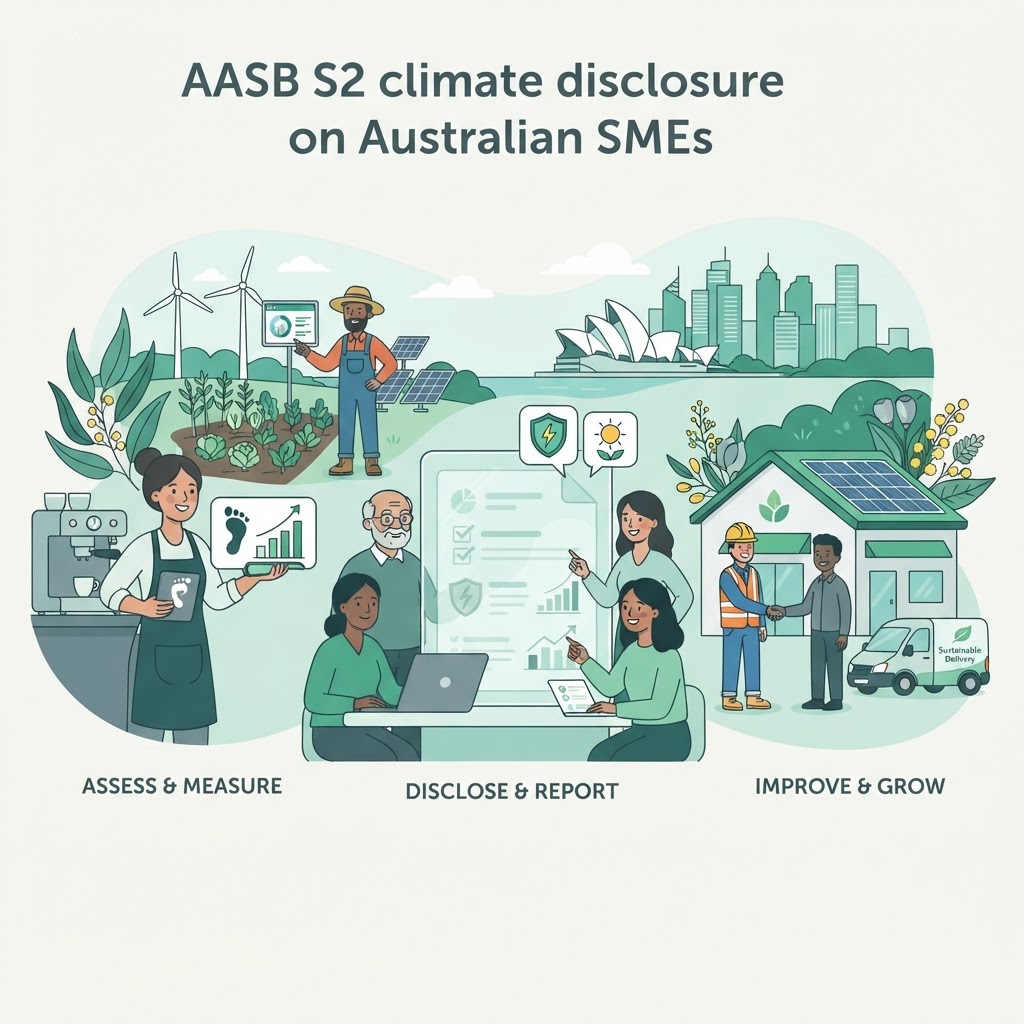
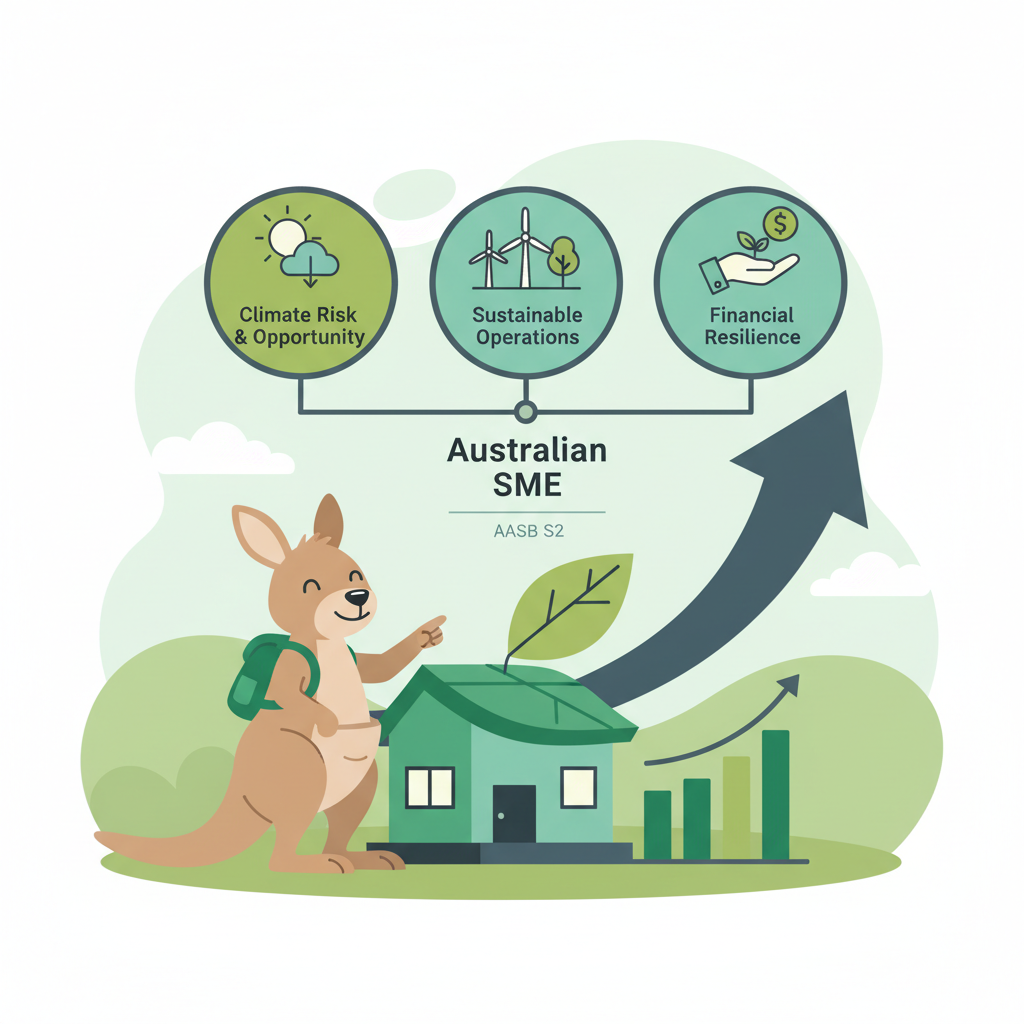
While many SMEs are not yet required to report under the full scope of AASB S2, the influence of these standards is trickling down through the supply chain. Major enterprise buyers are increasingly asking their smaller suppliers for the same level of granular data as large corporations. By adopting NGA-backed methodologies now, your SME creates a future-proof foundation. This proactive stance not only simplifies current tender processes but prepares your business for the inevitable tightening of sustainability disclosure requirements in the Australian market.
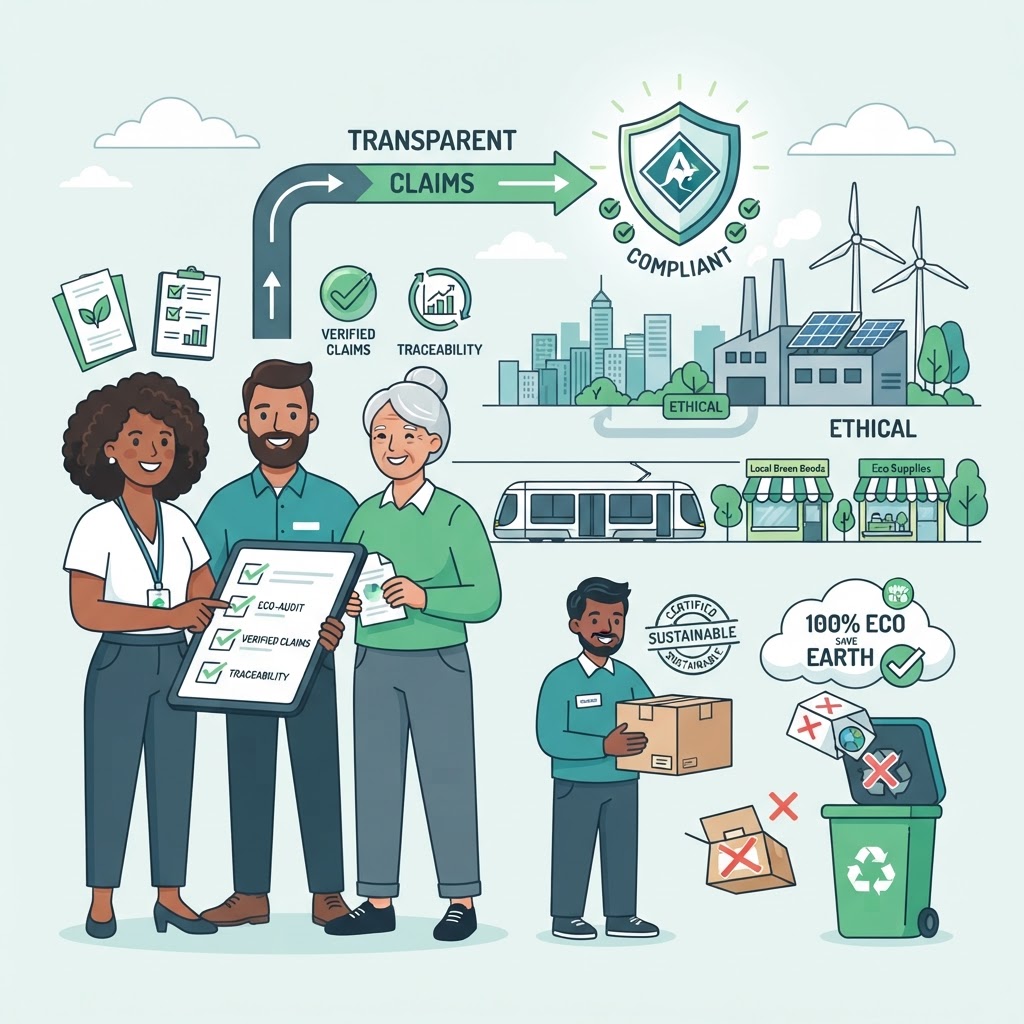
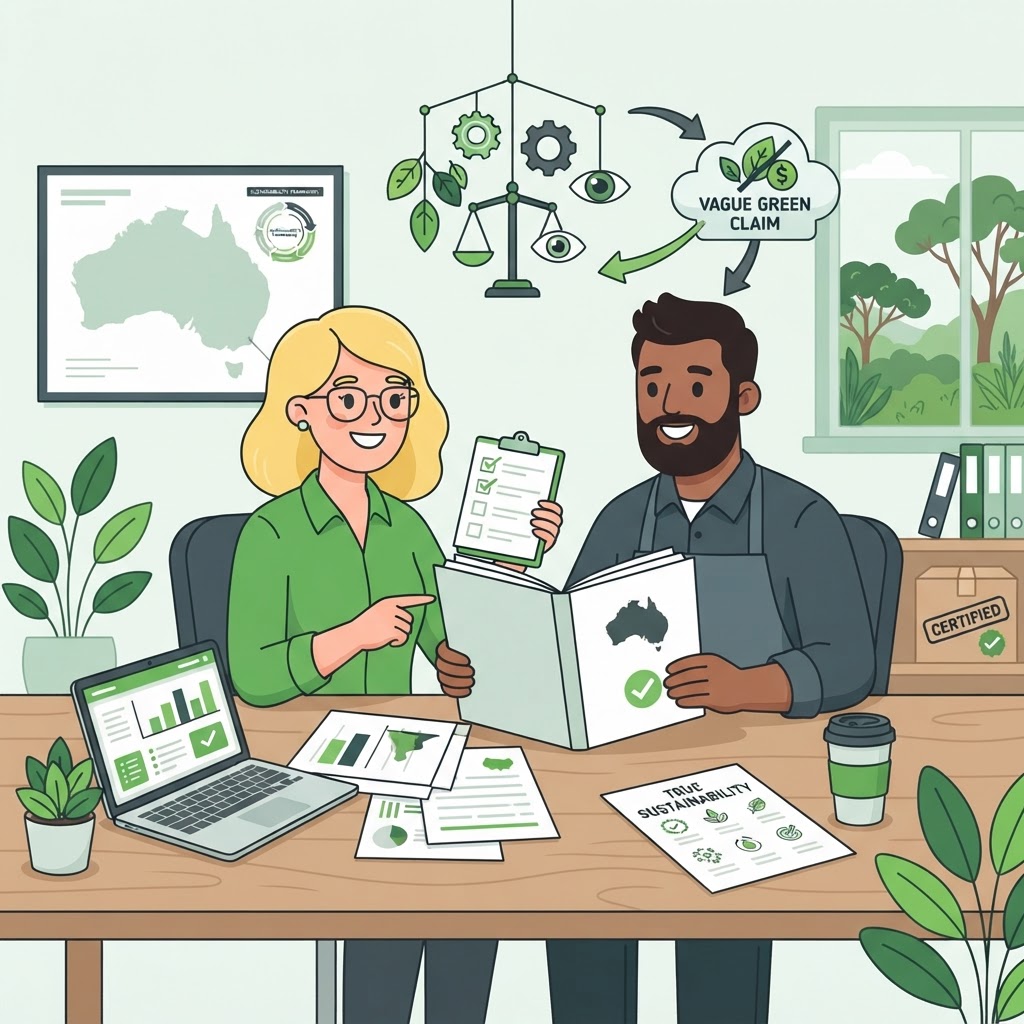
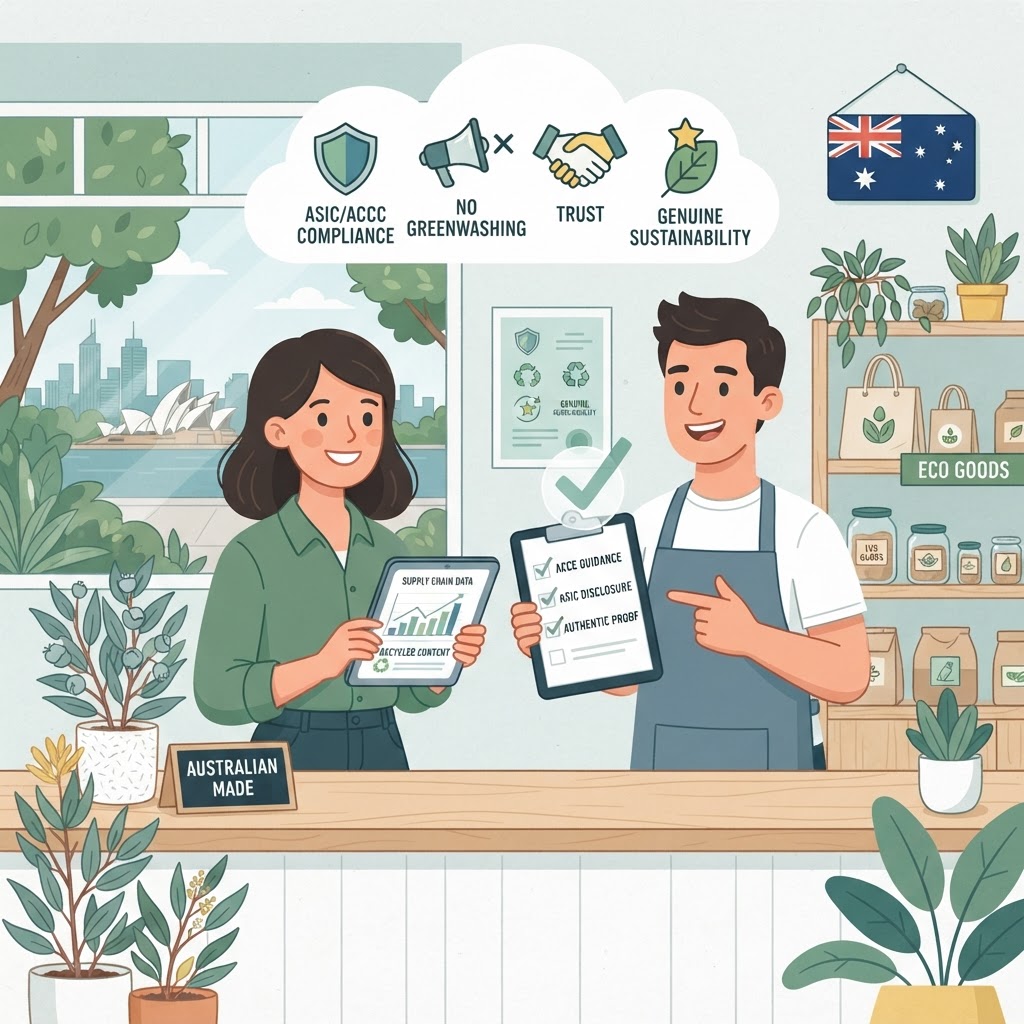
The ACCC has been clear: sustainability claims must be substantiated by solid, transparent evidence. Using generic or global emissions factors can lead to significant variances, often triggering concerns about greenwashing. By consistently applying the most current Australian NGA factors, you provide clear documentation of how your figures were derived. This level of traceability builds trust with procurement teams, as it shows you have a robust internal process for carbon accounting that goes beyond 'green' marketing slogans.
Manual calculations using spreadsheets are prone to human error and rapidly become outdated as NGA factors change annually. ScopeTrack automates the application of these factors, ensuring your tender responses are always based on the most recent, accurate, and defensible data. AI-driven platforms allow SMEs to focus on strategy and growth rather than the technical overhead of complex carbon arithmetic. By automating the data processing, you spend less time calculating and more time showcasing your company’s genuine commitment to sustainability.
Sustainability is now a core pillar of modern procurement in Australia. By leveraging the National Greenhouse Accounts factors through a structured, evidence-based approach, your SME can turn carbon reporting into a powerful tool for competitive advantage. Start integrating accurate, NGA-compliant data into your tender responses today to safeguard your reputation and win more contracts. Visit ScopeTrack to learn how our platform can simplify your compliance and accelerate your path to sustainability excellence.

Why are NGA factors important for Australian SME tenders?
NGA factors are the official Australian government metrics used to convert business activity into carbon emissions, ensuring your tender data is credible and standardised.
How do NGA factors help in preventing greenwashing?
By using official government-endorsed factors, SMEs provide a clear, traceable methodology for their claims, which aligns with ACCC guidelines on substantiating environmental statements.
Are SMEs required to follow AASB S2 standards?
While AASB S2 primarily targets large entities, major buyers are increasingly demanding that their SME suppliers adopt similar reporting rigour to satisfy supply chain disclosures.