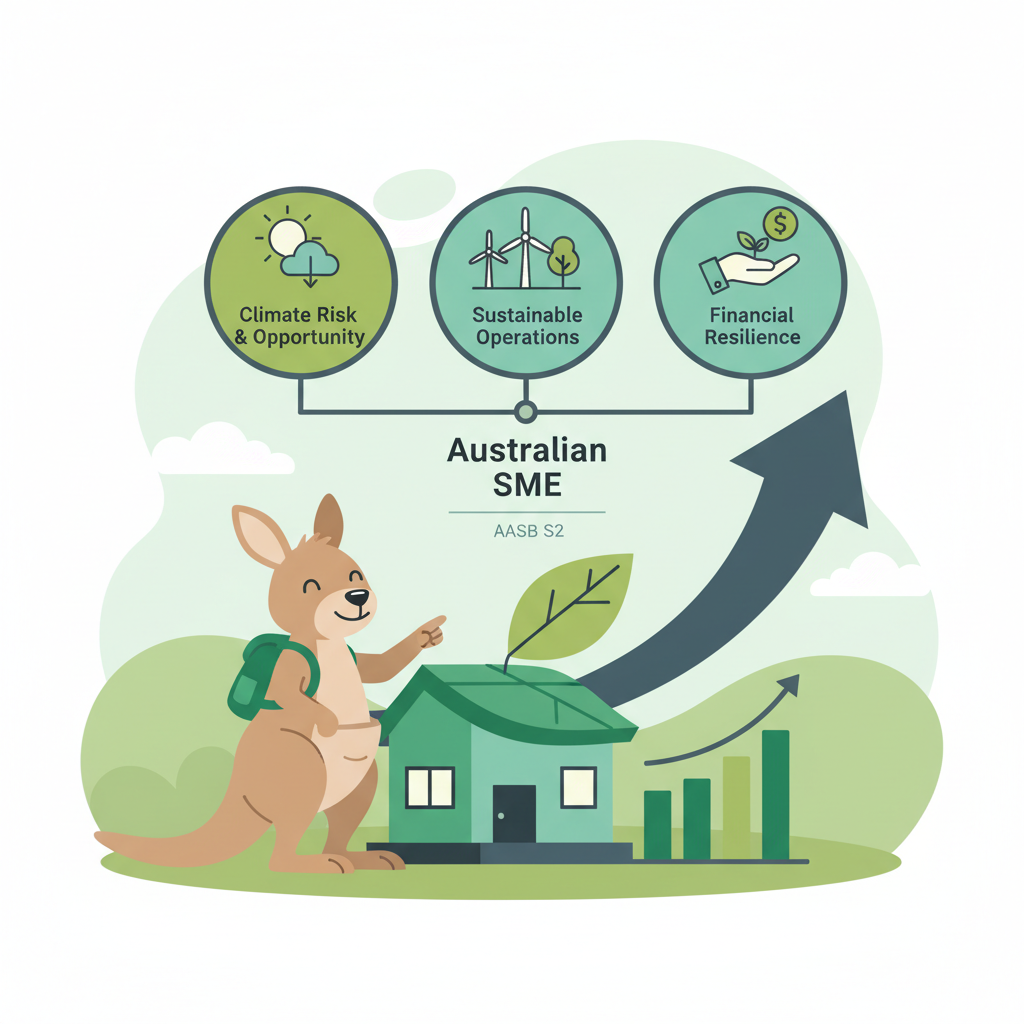
Beyond Greenwashing: Ensuring Regulatory Integrity in Your Carbon Reporting
Learn how Australian SMEs can navigate ACCC and ASIC guidelines to produce evidence-backed sustainability tender responses that stand up to regulatory scrutiny.
Read blogPractical PrimeGreen guidance for SMEs preparing stronger sustainability tender responses.

Learn how Australian SMEs can navigate ACCC and ASIC guidelines to produce evidence-backed sustainability tender responses that stand up to regulatory scrutiny.
Read blog
Learn how Australian SMEs can build trust with enterprise buyers by transforming raw data into verified, evidence-backed sustainability tender responses.
Read blog
Demystify the complexities of Scope 1, 2, and 3 emissions to sharpen your sustainability tender responses and meet Australian procurement requirements.
Read blog
Discover how the AASB S2 climate reporting standards are filtering down to Australian SMEs and how to prepare your data for procurement success.
Read blog
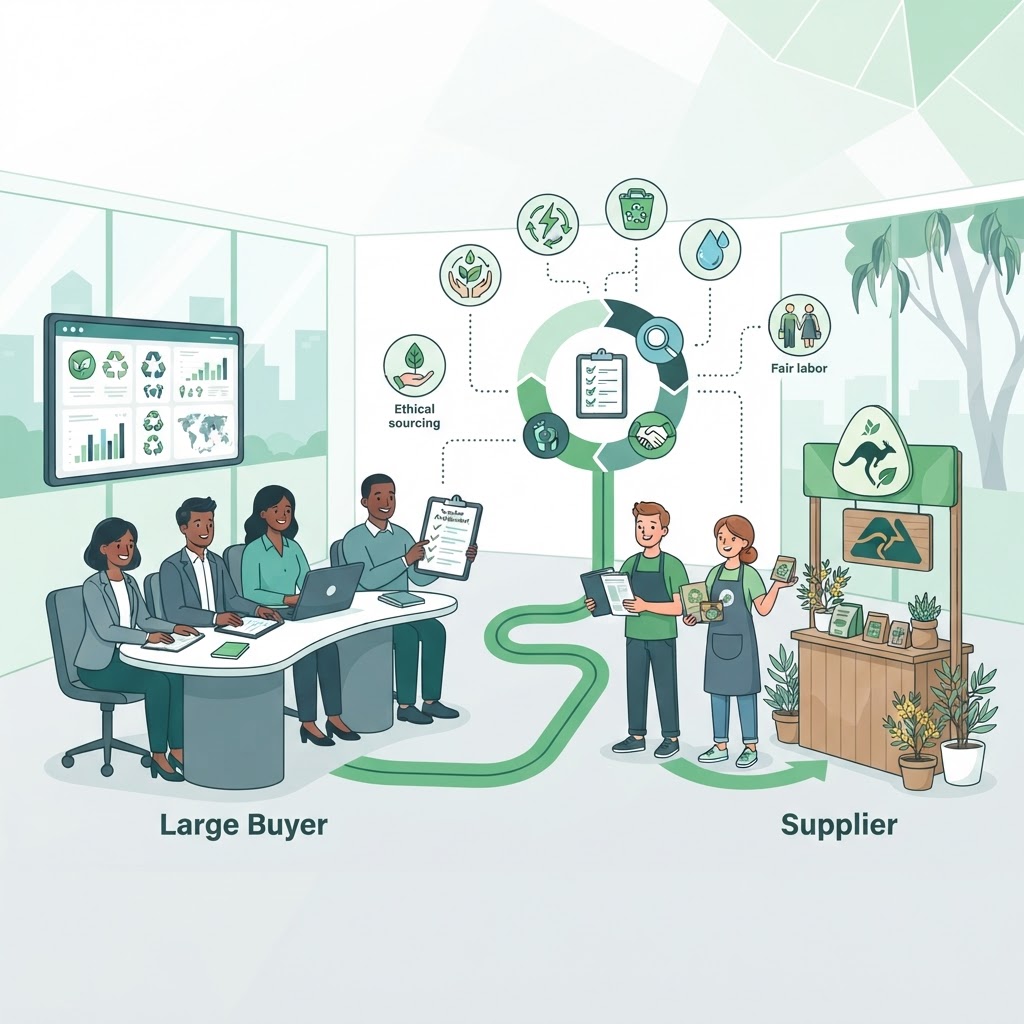
Discover how major Australian enterprise buyers evaluate supplier sustainability and what evidence you need to secure your next contract.
Read blog
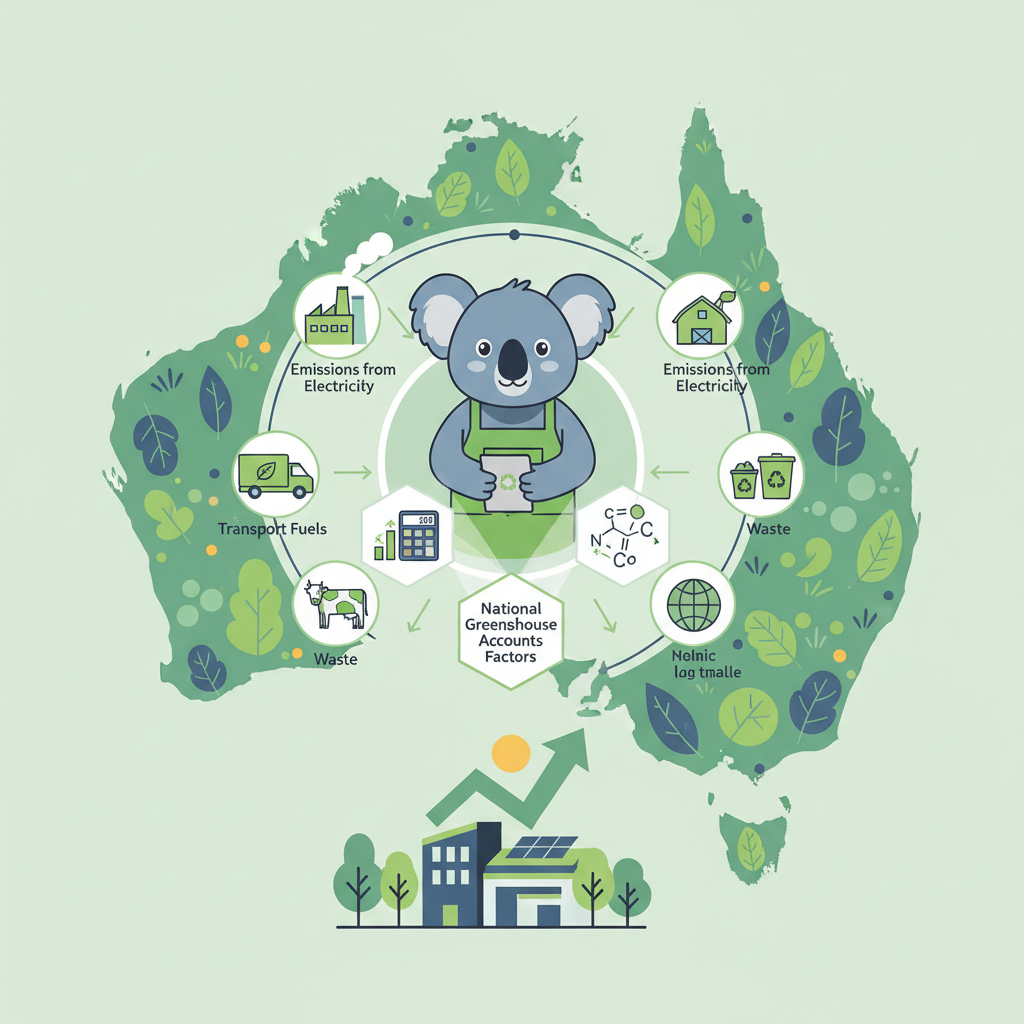
Learn how to use official National Greenhouse Accounts factors to build audit-ready emissions data for competitive Australian sustainability tenders.
Read blog
Streamline your next procurement bid by preparing the essential carbon documentation and data evidence required by enterprise buyers.
Read blog
Learn how Australian SMEs can safeguard their reputation and win contracts by aligning sustainability reporting with ACCC and ASIC expectations.
Read blog
Discover how Australian SMEs can build a rigorous, evidence-backed foundation for sustainability tenders by mastering data integrity and reporting transparency.
Read blog
Navigating the complexities of Scope 1, 2, and 3 emissions is essential for Australian SMEs looking to win procurement contracts through credible sustainability reporting.
Read blog
Discover how the AASB S2 climate disclosure standards impact Australian SMEs and why precision in carbon accounting is now a prerequisite for winning government and enterprise contracts.
Read blog
Discover the rigorous validation methods major Australian buyers use to audit SME sustainability claims and how you can prepare to pass.
Read blog
Learn how Australian SMEs can leverage National Greenhouse Accounts factors to build audit-ready, evidence-based emissions reports for high-value tenders.
Read blog
Preparing for a sustainability tender requires more than just good intentions; it demands an evidence-based repository of carbon data and operational documentation.
Read blog
Learn how Australian SMEs can safeguard their procurement bids against greenwashing accusations by aligning carbon accounting with ACCC and ASIC expectations.
Read blog
Learn how Australian SMEs can transform their emissions data into a competitive advantage to secure major government and enterprise contracts.
Read blog
Mastering the complexities of Scope 1, 2, and 3 emissions is no longer optional for Australian SMEs looking to secure major contracts in an increasingly sustainability-conscious market.
Read blog
While AASB S2 primarily targets large entities, the ripple effect on Australian SMEs means that precise emissions reporting is now a non-negotiable requirement for winning major supply chain contracts.
Read blog
Discover the rigorous criteria Australian enterprise buyers use to assess SME sustainability credentials and how to ensure your carbon data stands up to scrutiny.
Read blog
Discover how Australian SMEs can use the latest National Greenhouse Accounts factors to build credible, evidence-backed sustainability tender responses.
Read blog
Streamline your next tender submission by gathering the essential carbon data and evidence-backed documentation Australian SMEs need to win.
Read blog
Learn how Australian SMEs can align with ACCC and ASIC expectations by building evidence-backed sustainability tender responses that avoid greenwashing pitfalls.
Read blog
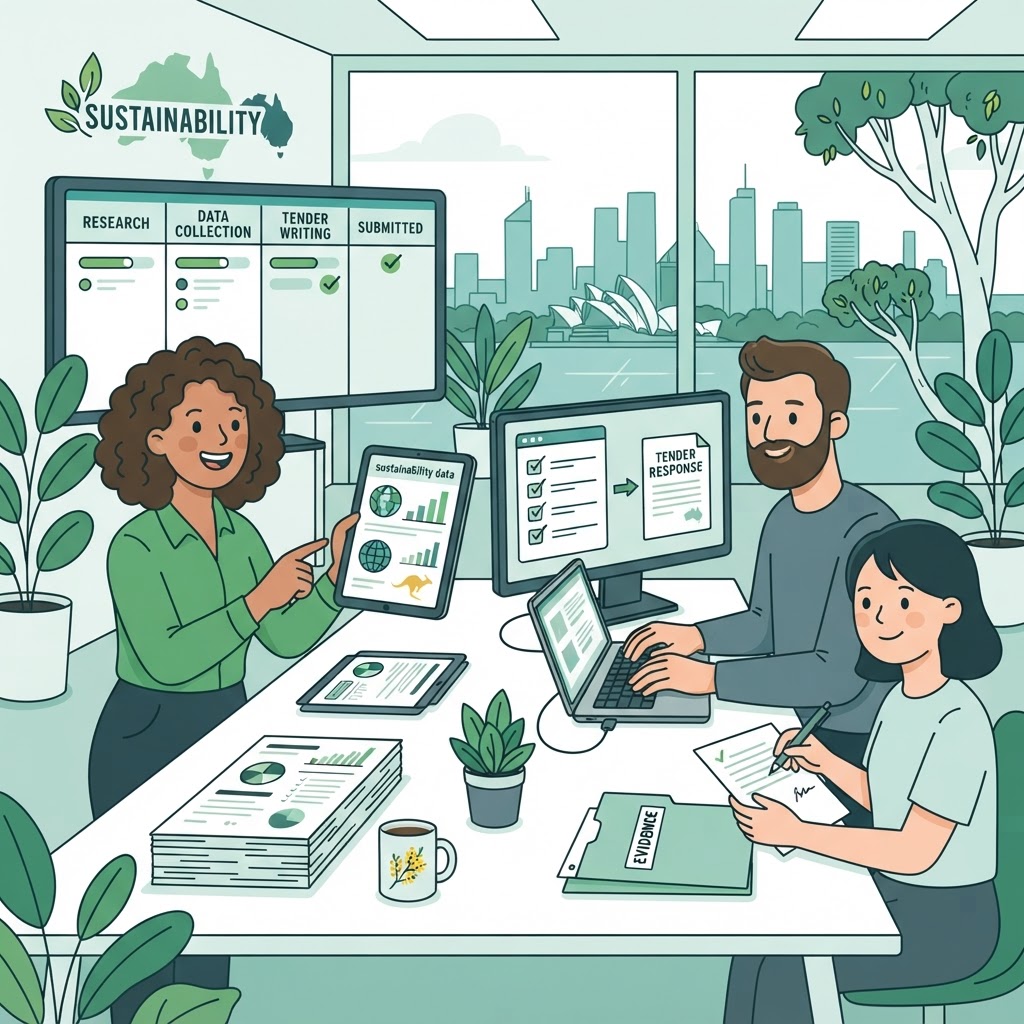
Elevate your Australian SME's tender competitiveness by mastering the art of crafting evidence-backed sustainability responses, moving beyond claims to verifiable impact.
Read blog
Learn how to demystify carbon classifications to build accurate, defensible sustainability reports that help your SME win more procurement contracts.
Read blog
While AASB S2 targets large entities, Australian SMEs are feeling the ripple effects as major buyers now demand high-integrity climate data.
Read blog
Discover the precise criteria major Australian buyers use to vet SME sustainability claims and how to turn your carbon accounting data into a competitive tender advantage.
Read blog
Learn how Australian SMEs can leverage National Greenhouse Accounts factors to build ironclad, evidence-backed sustainability tender responses.
Read blog
Prepare your SME for competitive procurement by auditing your carbon data and documentation before the tender deadline hits.
Read blog
Learn how Australian SMEs can align their sustainability disclosures with ACCC and ASIC expectations to win government and corporate tenders.
Read blog
Learn how to transform your carbon data into a competitive advantage for Australian procurement tenders by focusing on transparency and verifiable evidence.
Read blog
Demystify the complexities of Scope 1, 2, and 3 emissions to build competitive, evidence-backed sustainability tender responses for Australian SMEs.
Read blog
Discover how the AASB S2 climate disclosure standard creates a ripple effect for Australian SMEs in the procurement supply chain.
Read blog
Discover how large Australian buyers evaluate SME sustainability claims and how you can prepare evidence-backed tender responses that stand up to scrutiny.
Read blog
Discover how Australian SMEs can leverage National Greenhouse Accounts factors to build audit-ready, evidence-based emissions reports for high-stakes tenders.
Read blog
Streamline your next tender submission by gathering the precise environmental data required to prove your sustainability claims.
Read blog
Learn how Australian SMEs can safeguard their reputation and win tenders by aligning their carbon accounting with ACCC and ASIC expectations.
Read blog
Learn how Australian SMEs can leverage precision carbon accounting to transform sustainability tender responses from generic claims into evidence-backed competitive advantages.
Read blog
Demystify the complexities of carbon accounting with our breakdown of Scope 1, 2, and 3 emissions tailored for Australian SMEs preparing for sustainability tenders.
Read blog
While AASB S2 primarily targets large entities, Australian SMEs in their supply chains are feeling the pressure to provide high-quality climate data to remain competitive in procurement.
Read blog
Discover how large Australian buyers evaluate SME sustainability claims and what data you need to win tenders in an era of strict climate scrutiny.
Read blog
National Greenhouse Accounts factors provide the regulated methodology Australian SMEs need to produce defensible, evidence-backed emissions data for sustainability tenders.
Read blog
Australian SMEs can win more sustainability tenders by pre-assembling an evidence file of emissions data, methodology statements, and governance records.
Read blog
Discover strategies for Australian SMEs to avoid greenwashing and ensure compliance in sustainability initiatives.
Read blog
Empower your small business with evidence-backed sustainability tender responses that shine in competitive procurement processes.
Read blog
Learn how understanding Scope 1, 2, and 3 emissions can enhance sustainability responses for SMEs in Australia.
Read blog
Explore how AASB S2 affects Australian SMEs in carbon accounting and sustainability tenders.
Read blog
Understanding how large buyers assess sustainability credentials is vital for SMEs aiming for impactful tender responses.
Read blog
Learn how Australian SMEs can leverage National Greenhouse Accounts factors to enhance emissions reporting for sustainability tenders.
Read blog
A guide for Australian SMEs on the vital documents and data to collect before responding to sustainability tenders.
Read blog
Learn how Australian SMEs can meet ACCC and ASIC expectations while avoiding greenwashing in sustainability tenders.
Read blog
A guide for SMEs on crafting evidence-backed sustainability tender responses that meet Australian standards.
Read blog
A guide for Australian SMEs on how to navigate Scope 1, 2, and 3 emissions for effective sustainability reporting.
Read blog
Understanding AASB S2 is crucial for Australian SMEs to excel in sustainability tenders.
Read blog
Discover how large buyers assess sustainability credentials and what SMEs need to know for competitive advantage in procurement.
Read blog
Discover how Australian SMEs can accurately calculate emissions using National Greenhouse Accounts factors to enhance sustainability tender responses.
Read blog
Ensure your SME is prepared for sustainability tenders with this essential document checklist.
Read blog
Learn how Australian SMEs can avoid greenwashing and adhere to ACCC and ASIC guidelines in sustainability tenders.
Read blog
Learn how Australian SMEs can effectively prepare evidence-backed sustainability tender responses to enhance their procurement outcomes.
Read blog
Unlock the essentials of Scope 1, 2, and 3 emissions and their significance for SMEs in the sustainability tender landscape.
Read blog
Explore what AASB S2 climate disclosure means for SMEs navigating sustainability compliance in Australia.
Read blog
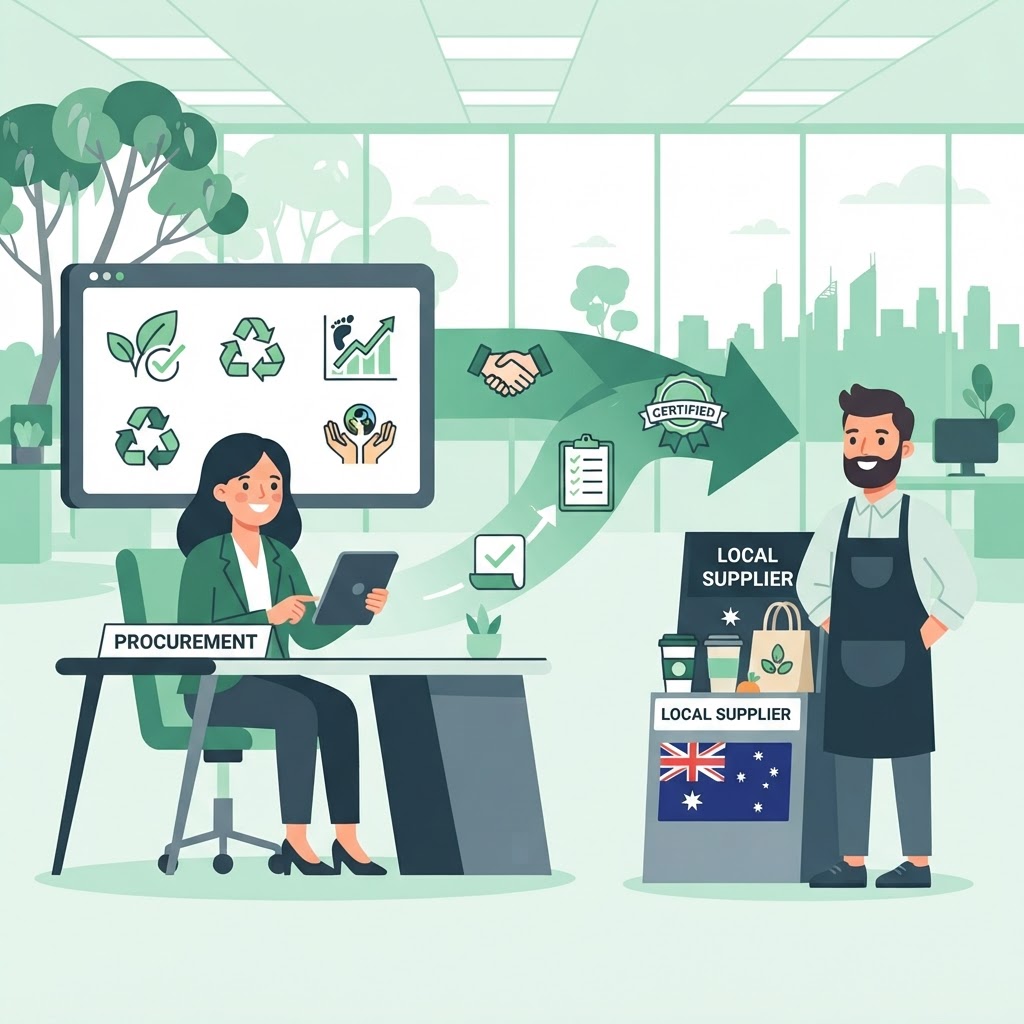
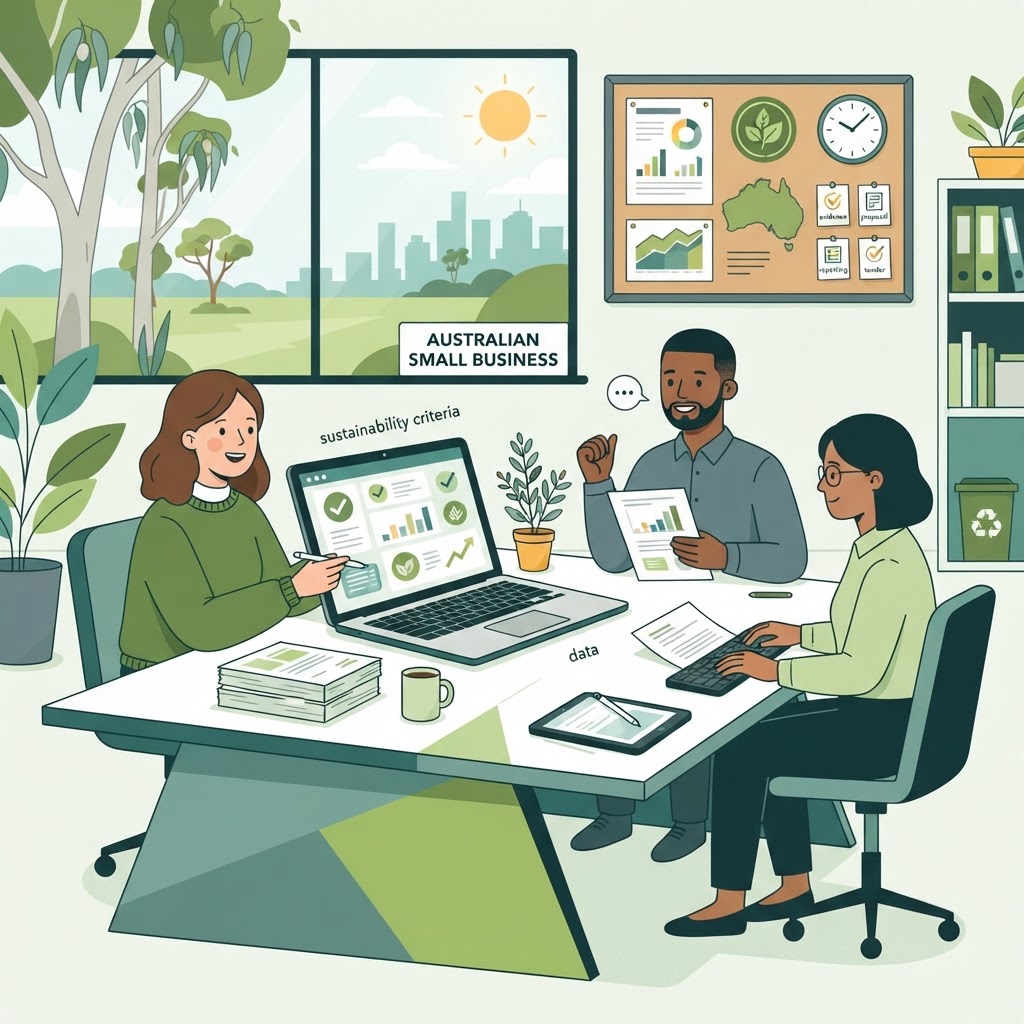
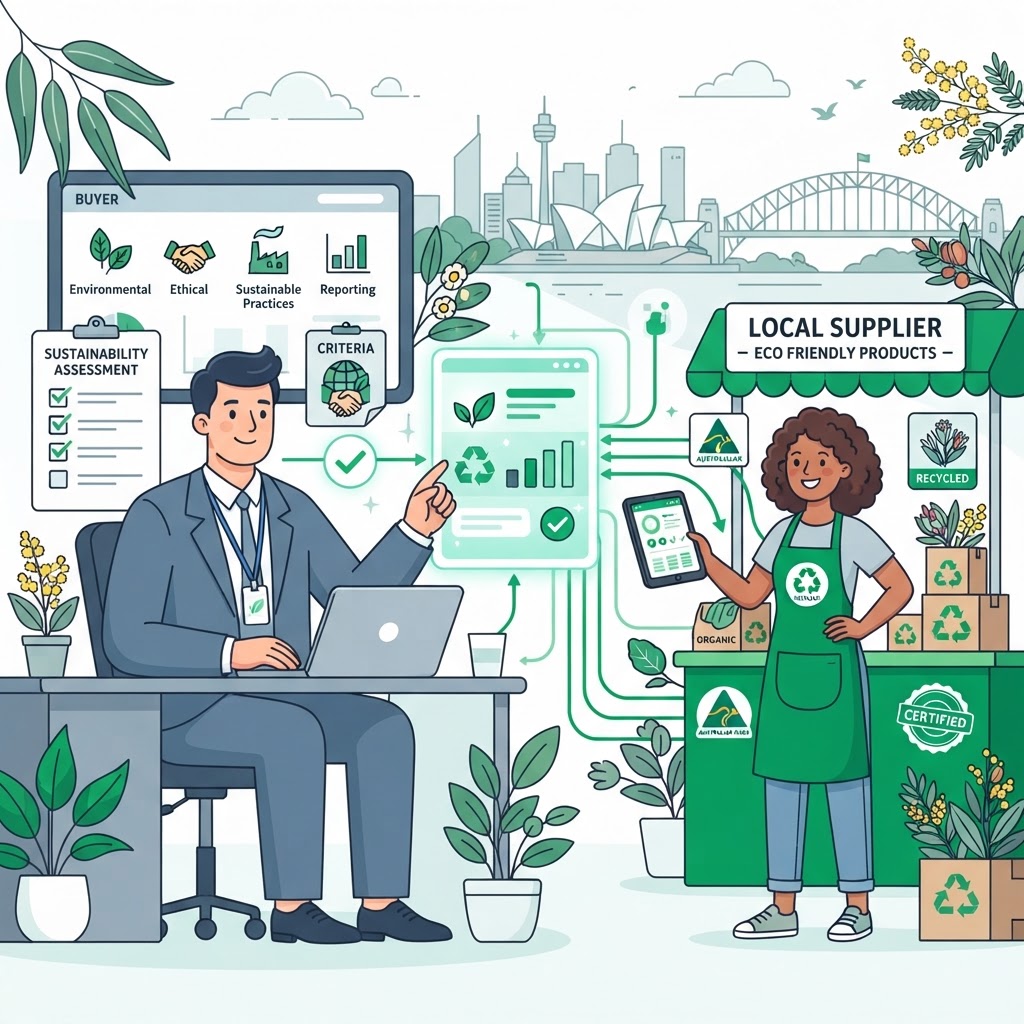
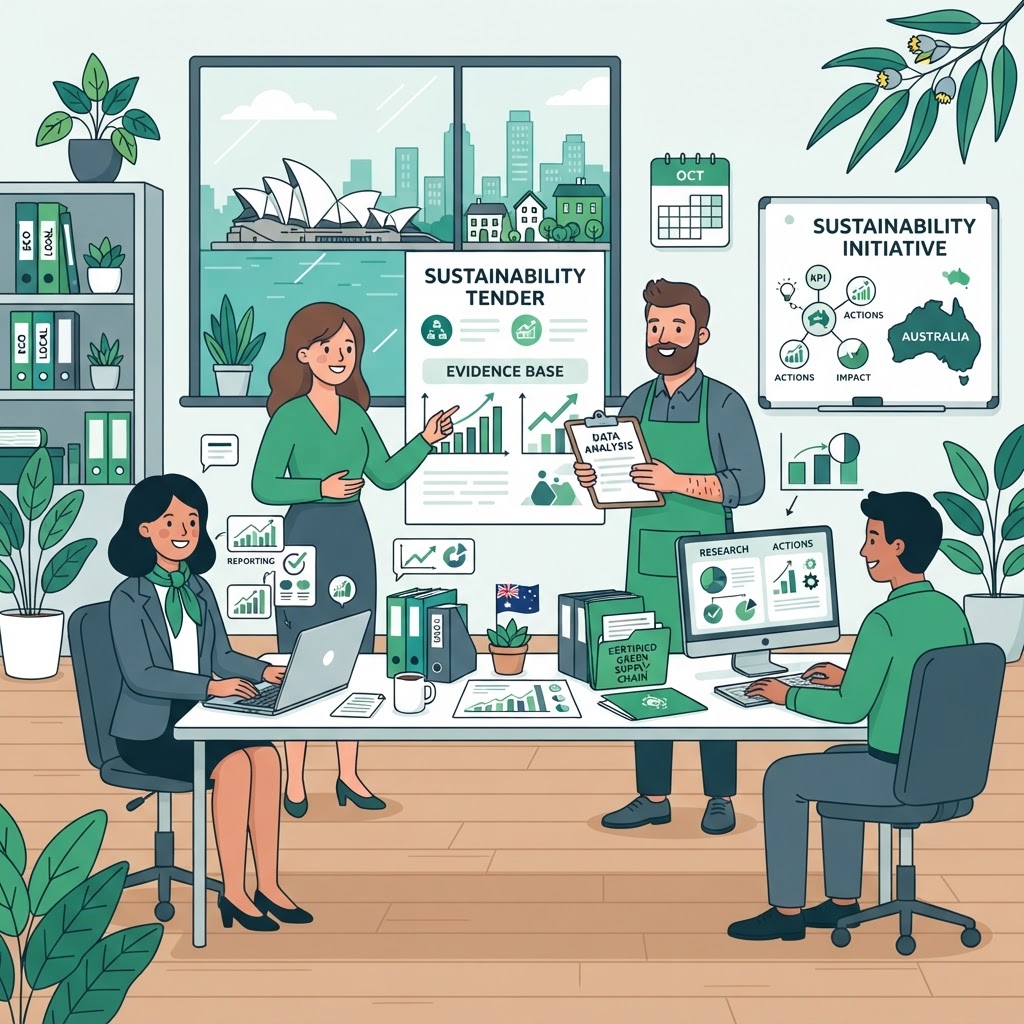
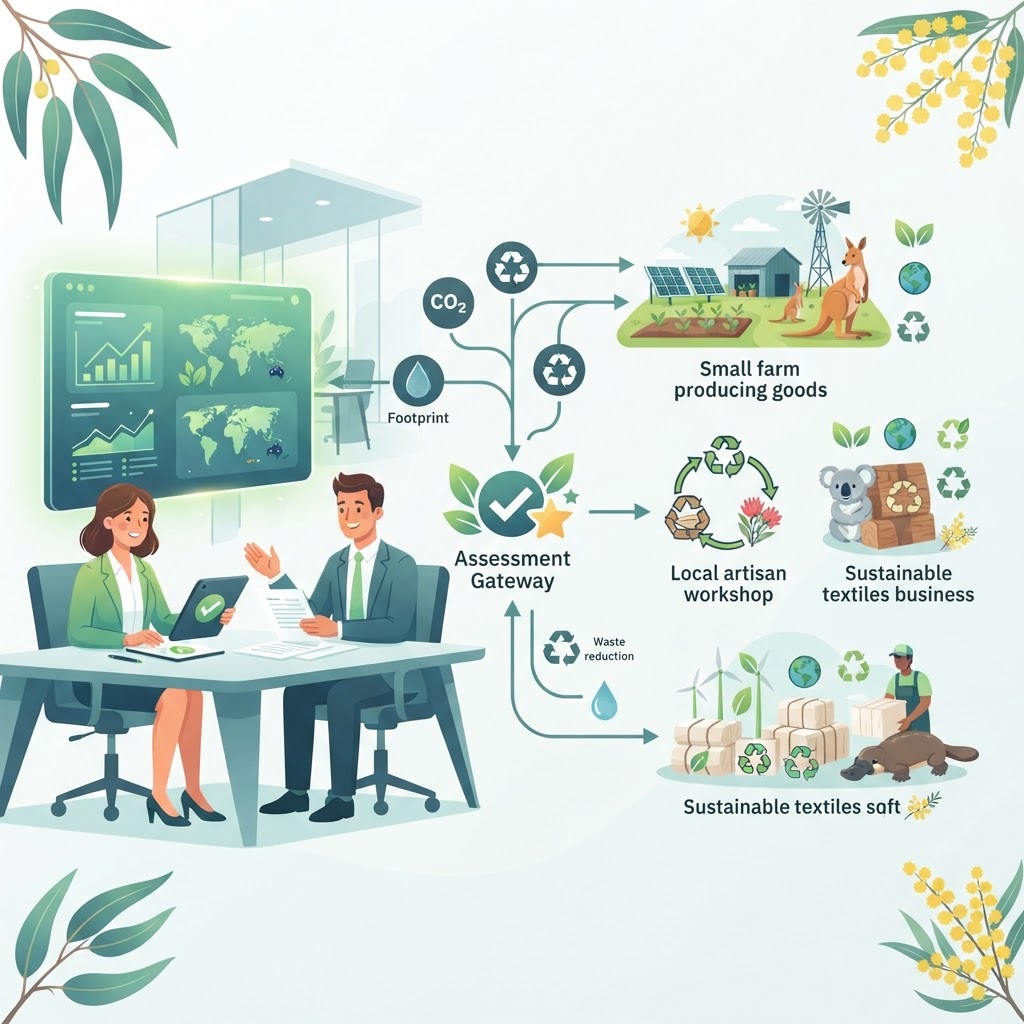
In an increasingly competitive landscape, Australian SMEs are finding that environmental performance is no longer a 'nice-to-have' but a fundamental requirement for winning procurement contracts. Major buyers are moving beyond surface-level pledges, demanding granular proof of emissions reductions that align with global and local standards. Moving from vague commitments to evidence-backed sustainability tender responses is the single most effective way to improve your win rate and demonstrate long-term business resilience.
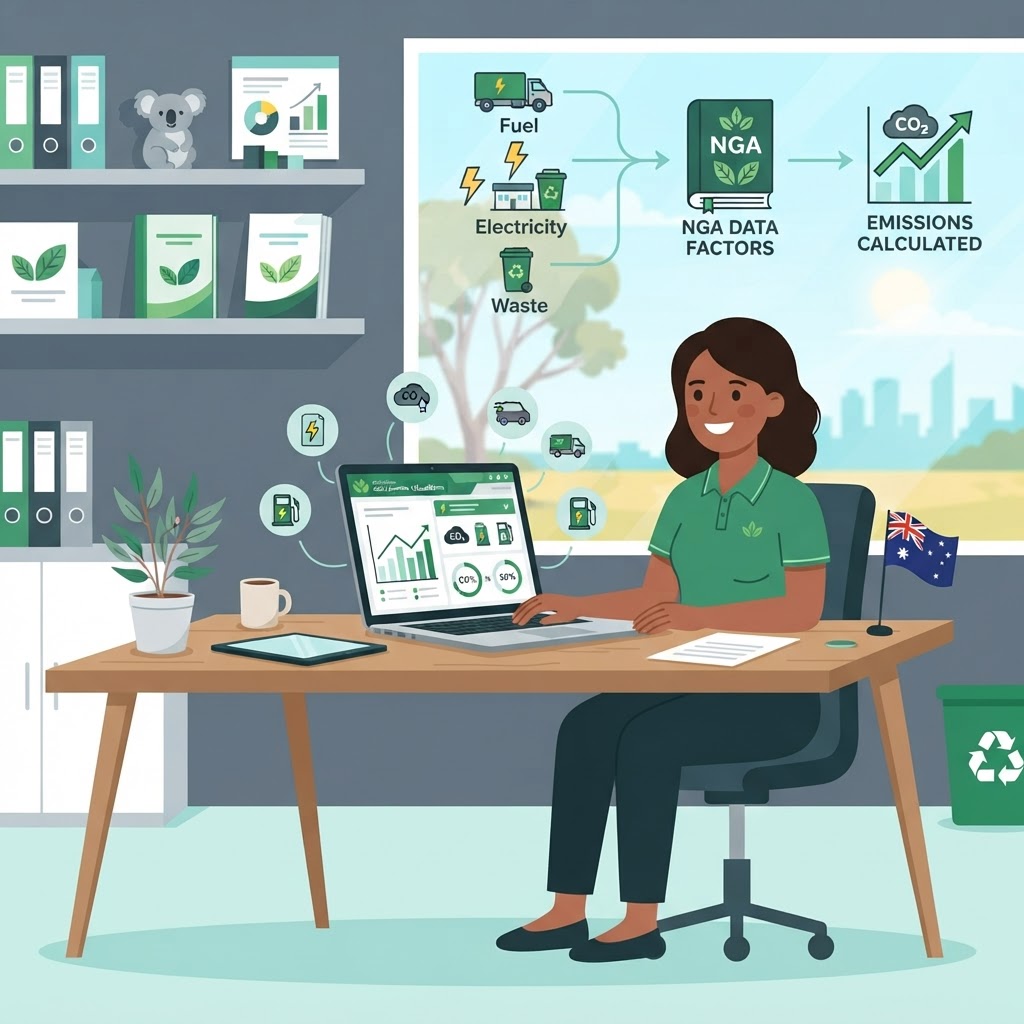
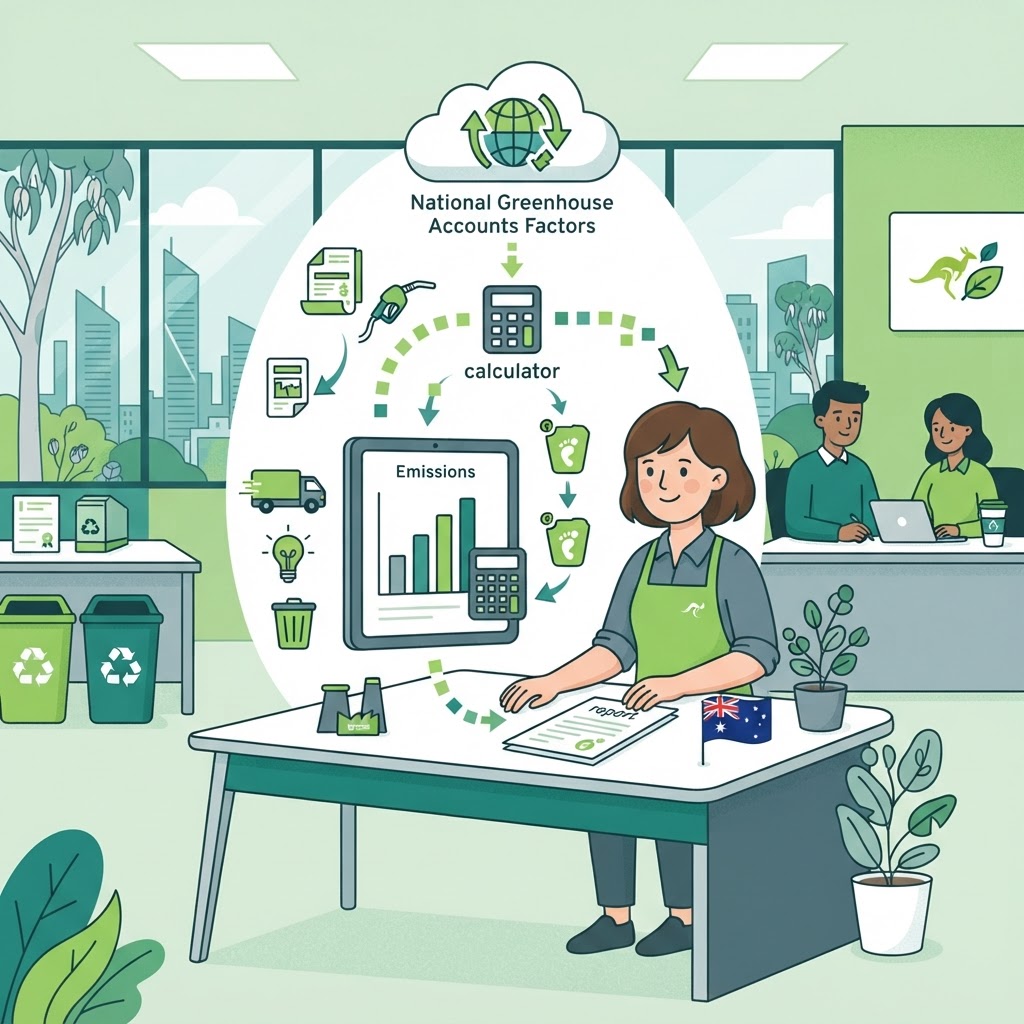
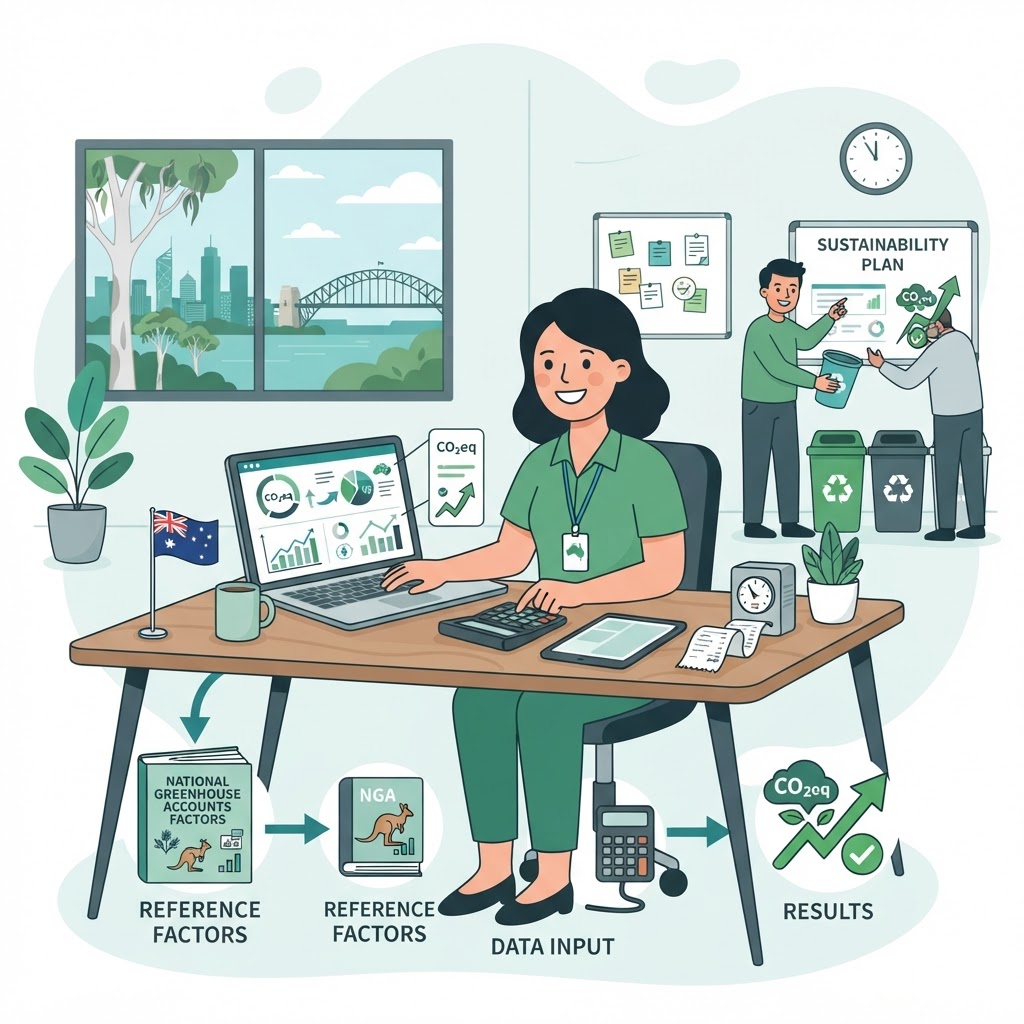
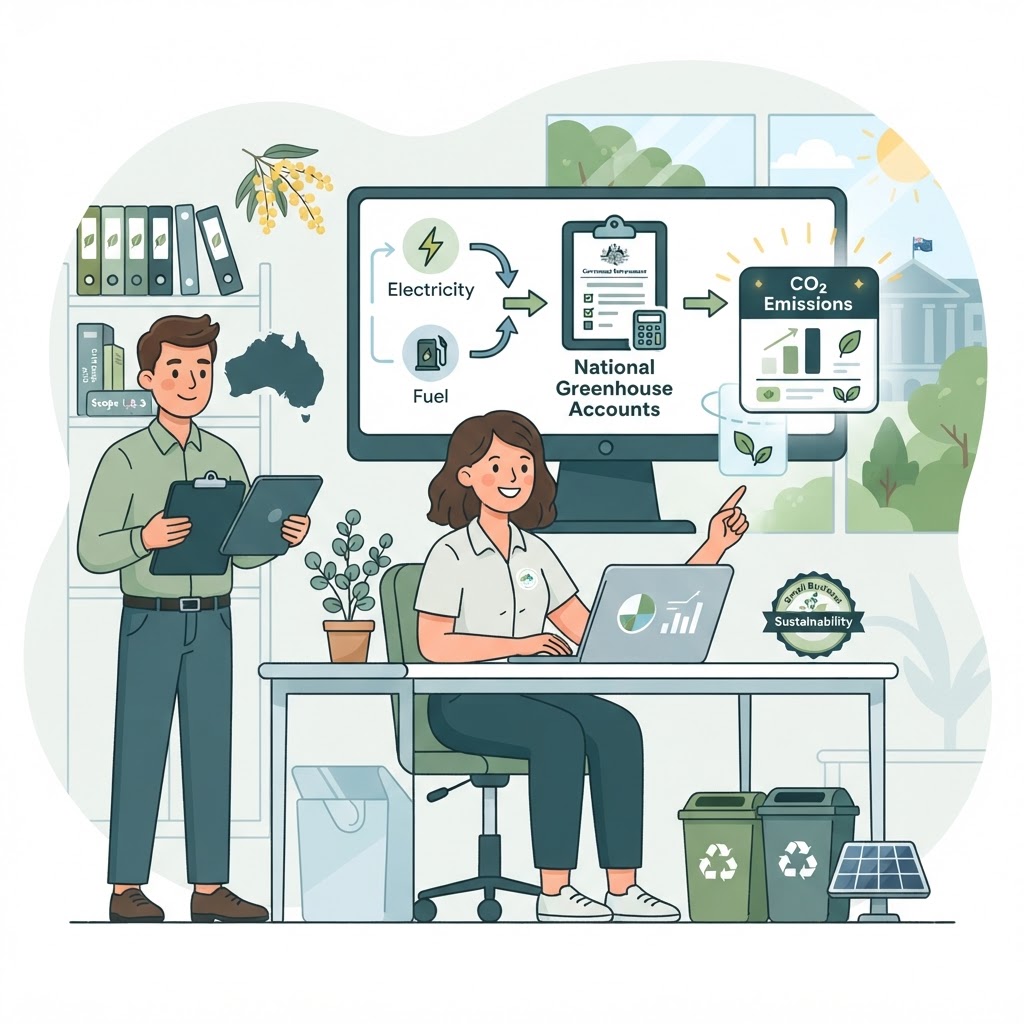
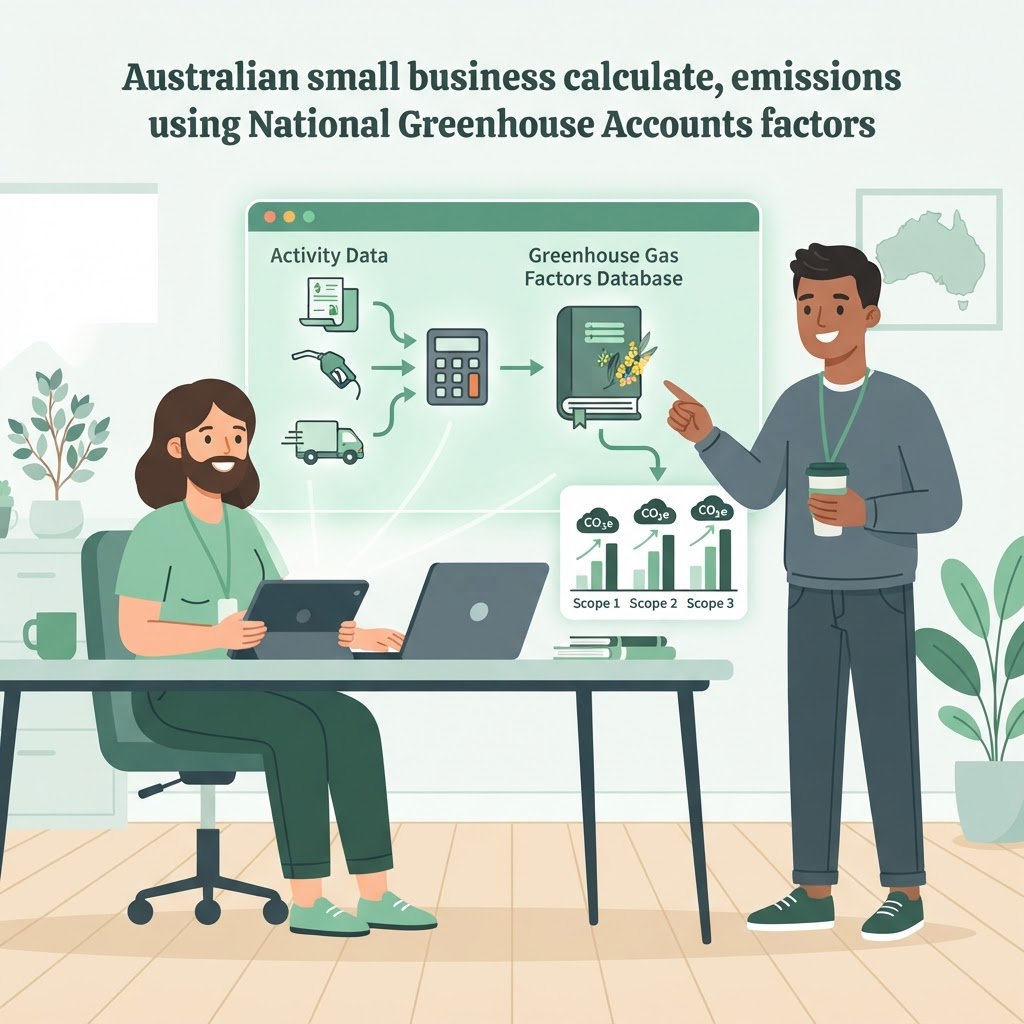
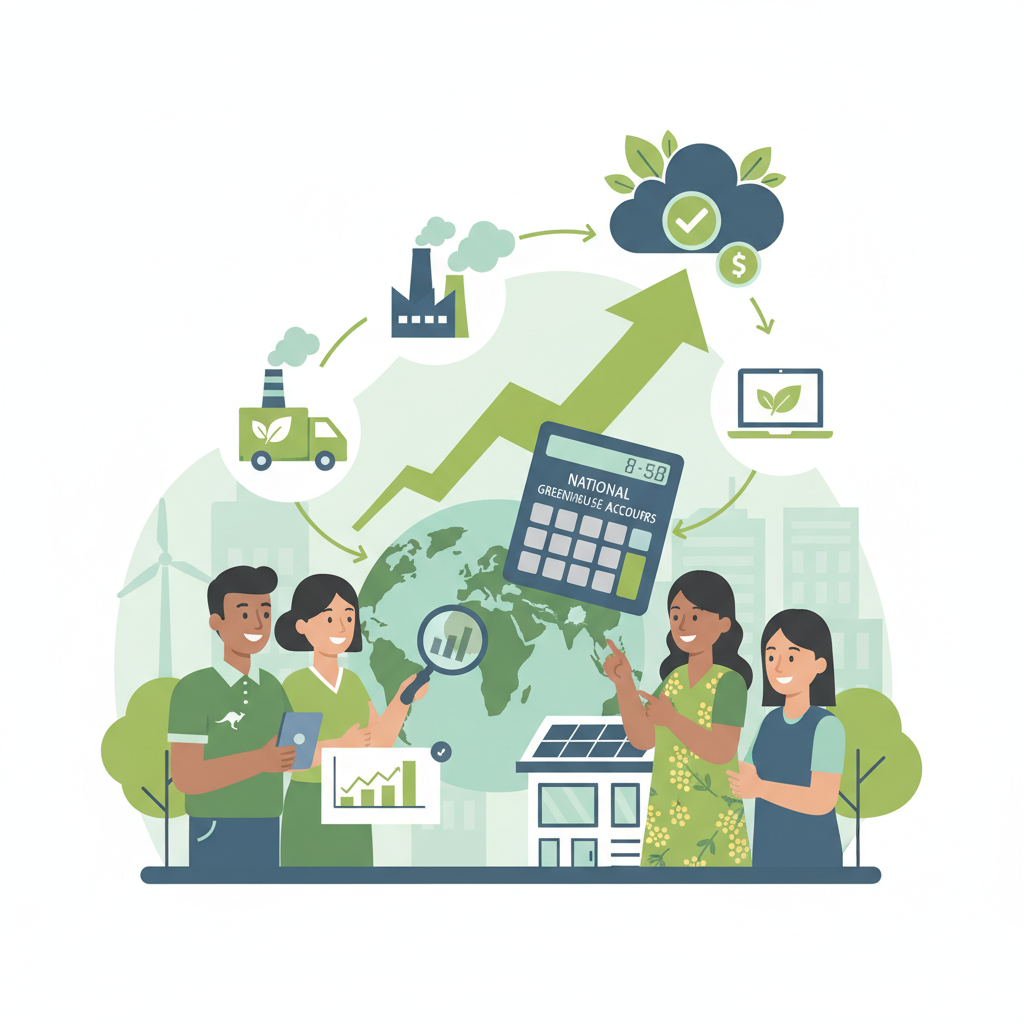
To be taken seriously in a modern procurement process, your data must be defensible. Australian SMEs should strictly use the National Greenhouse Accounts (NGA) factors to convert activity data into CO2e emissions. Using these government-endorsed factors ensures your emissions reporting is consistent with local regulations and national reporting frameworks. By anchoring your calculations in the NGA methodology, you provide evaluators with the assurance that your figures are not just estimates, but accurate reflections of your carbon footprint.
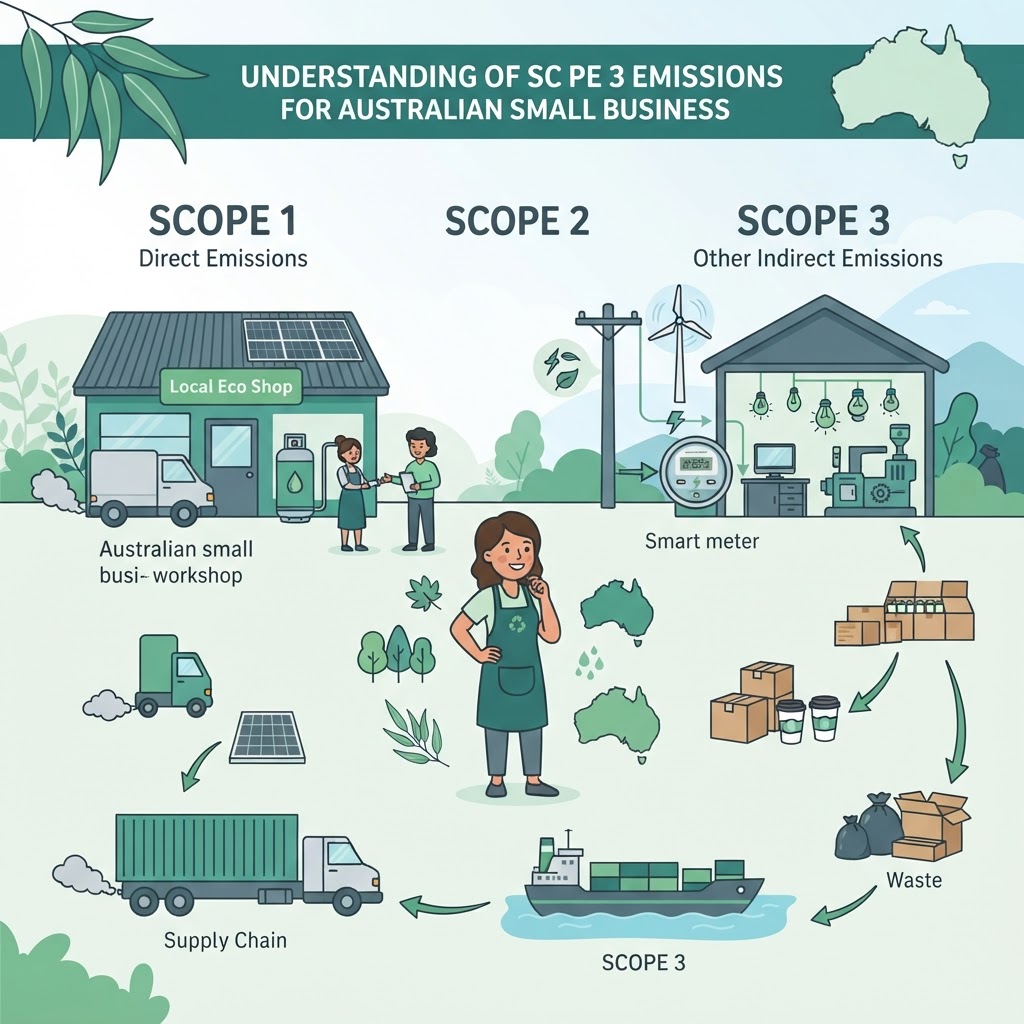
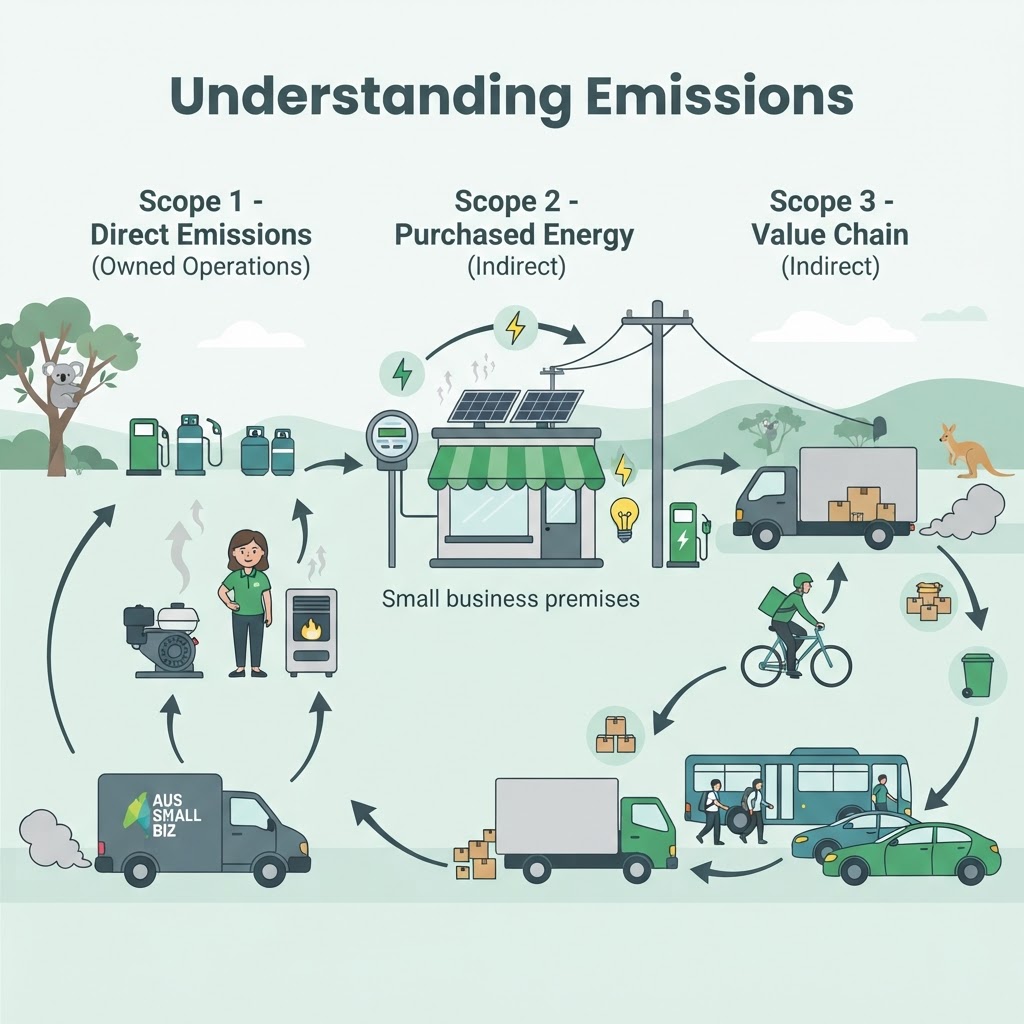
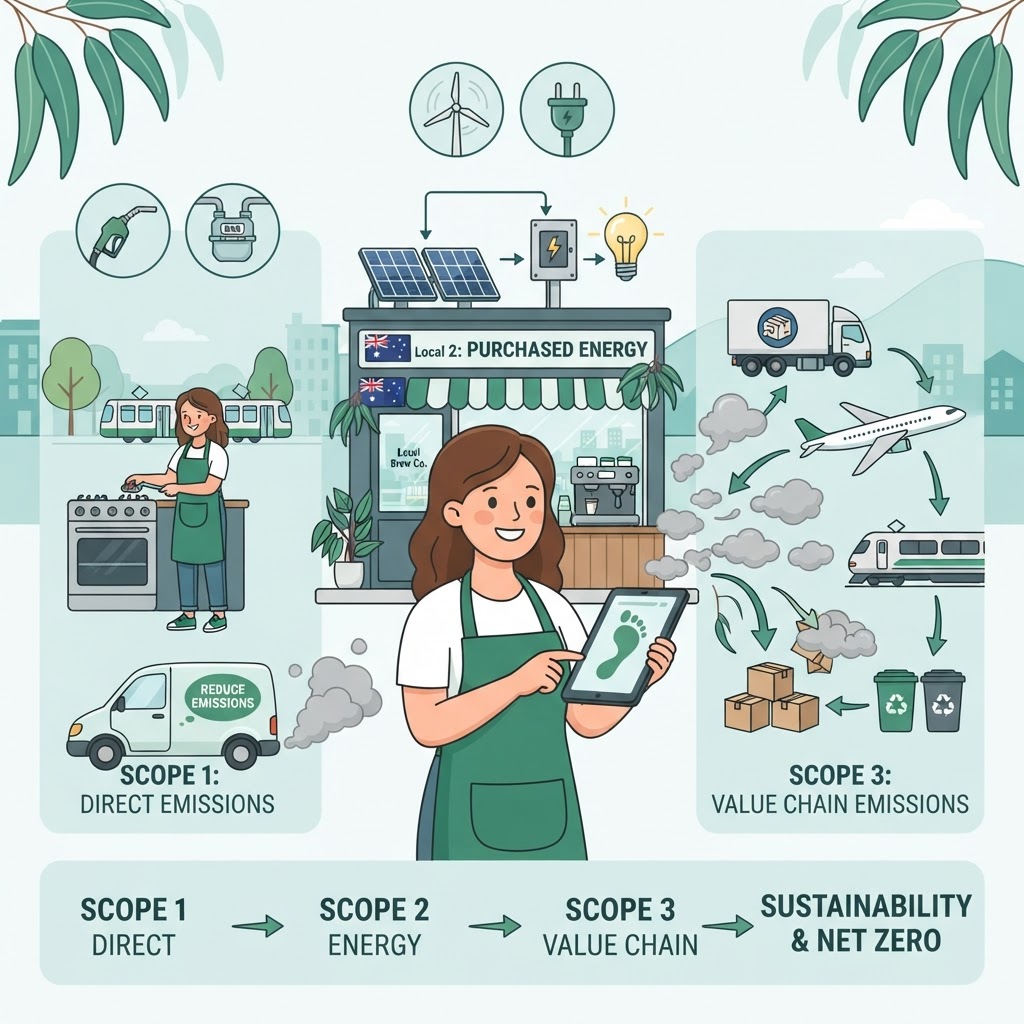
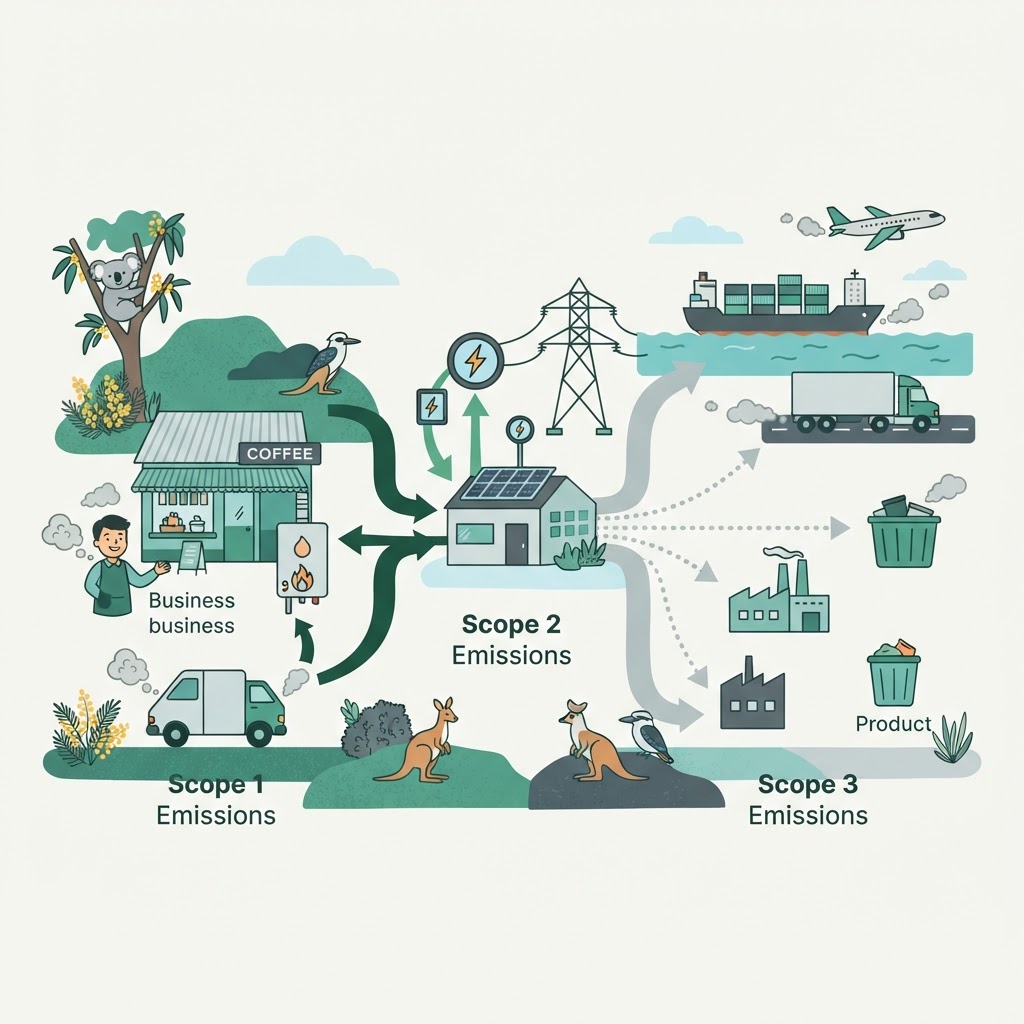
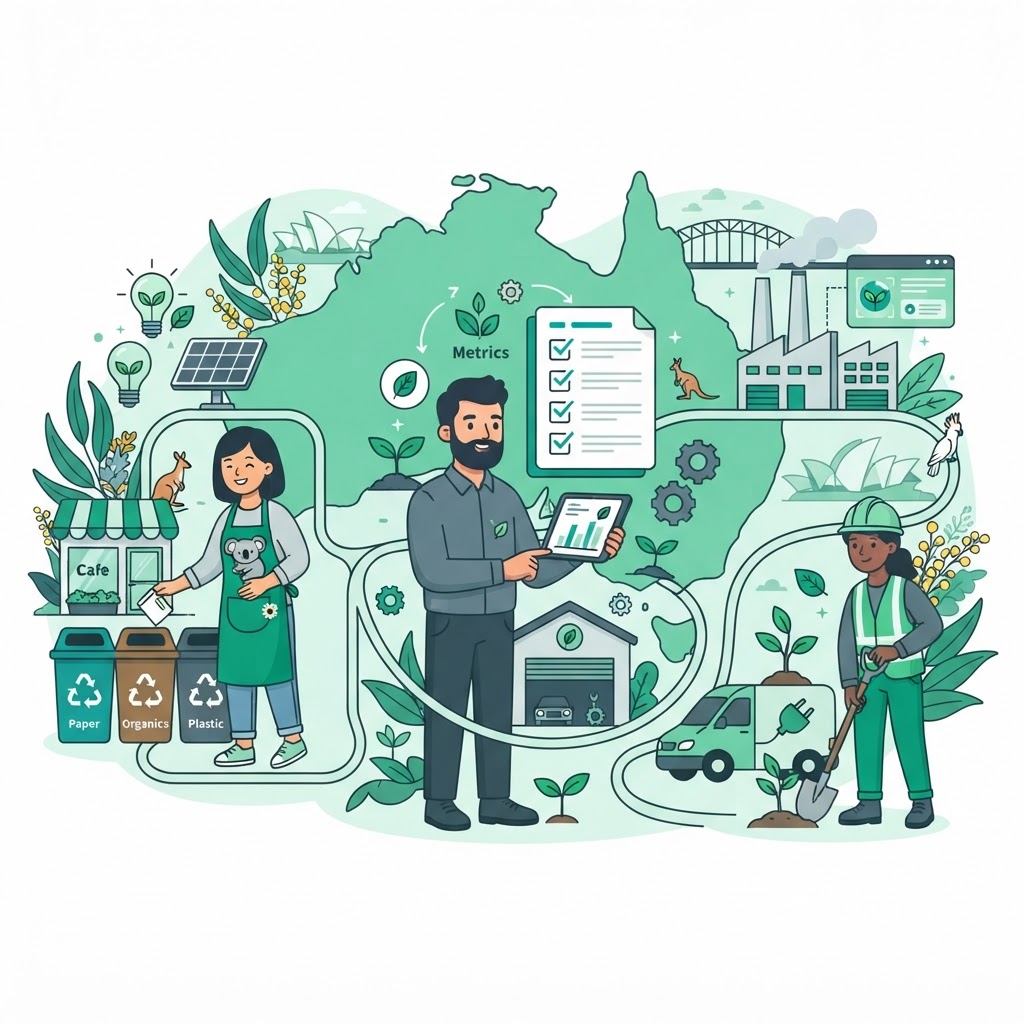
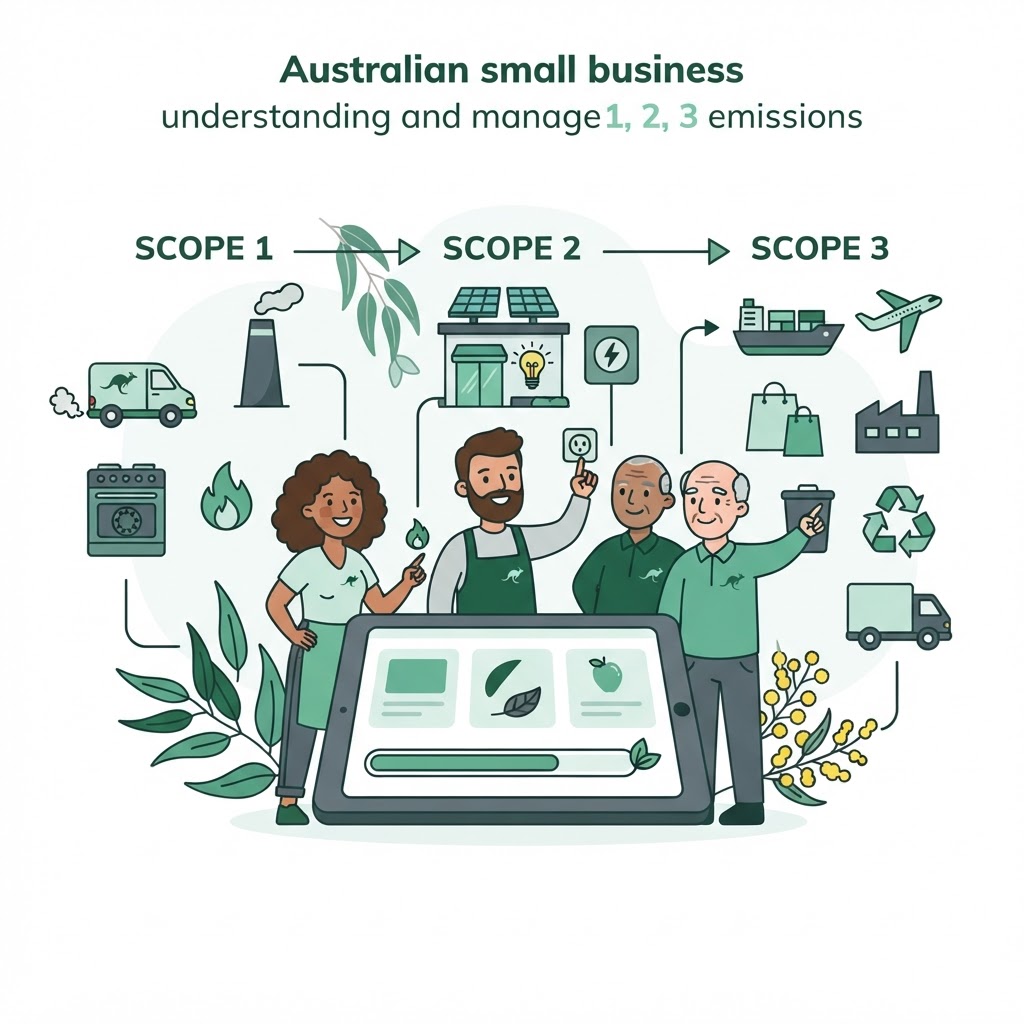
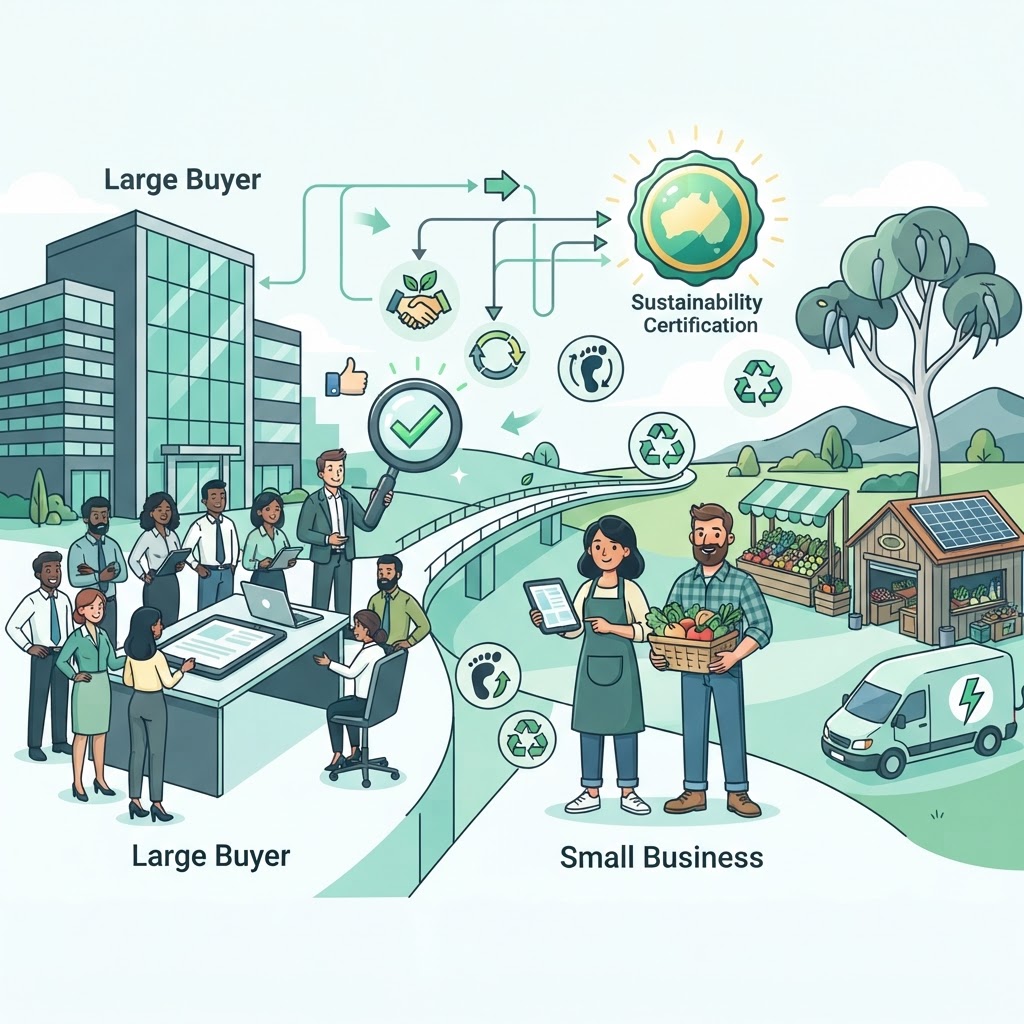
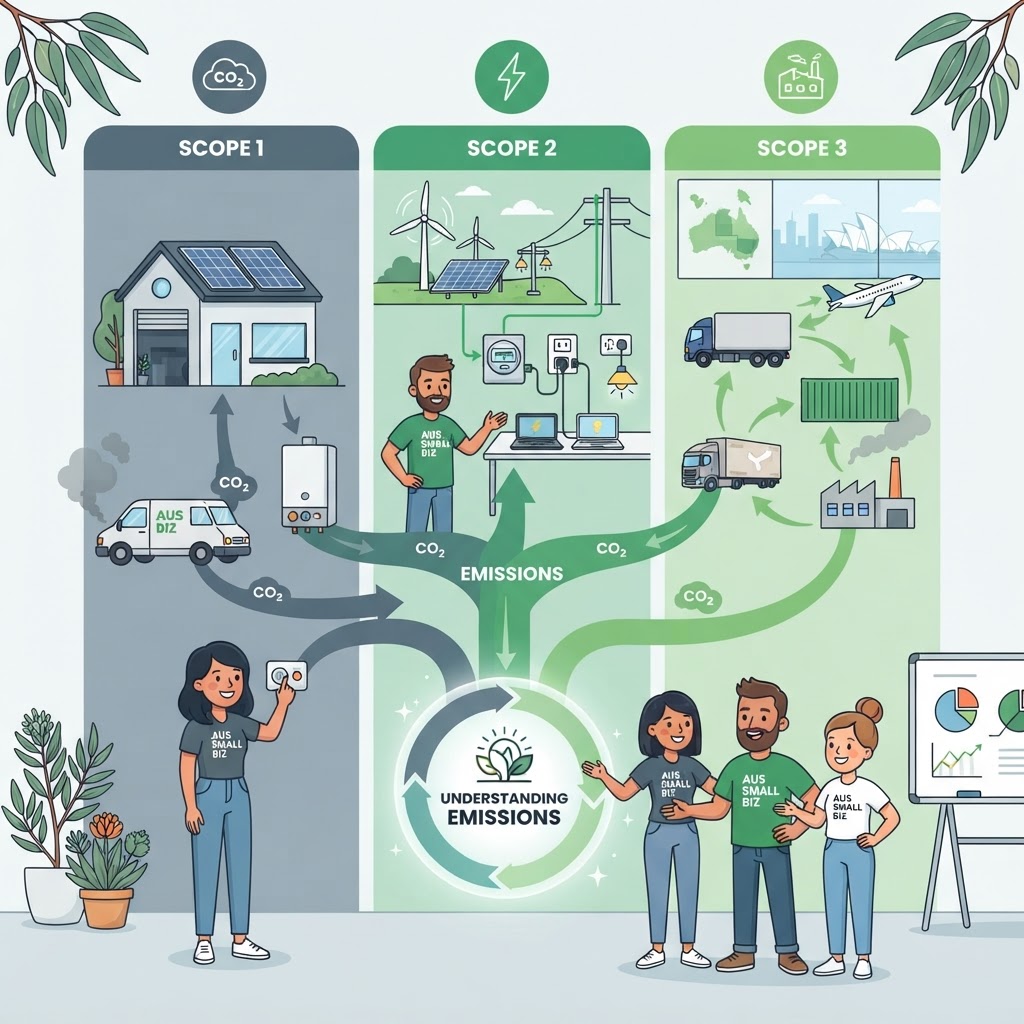
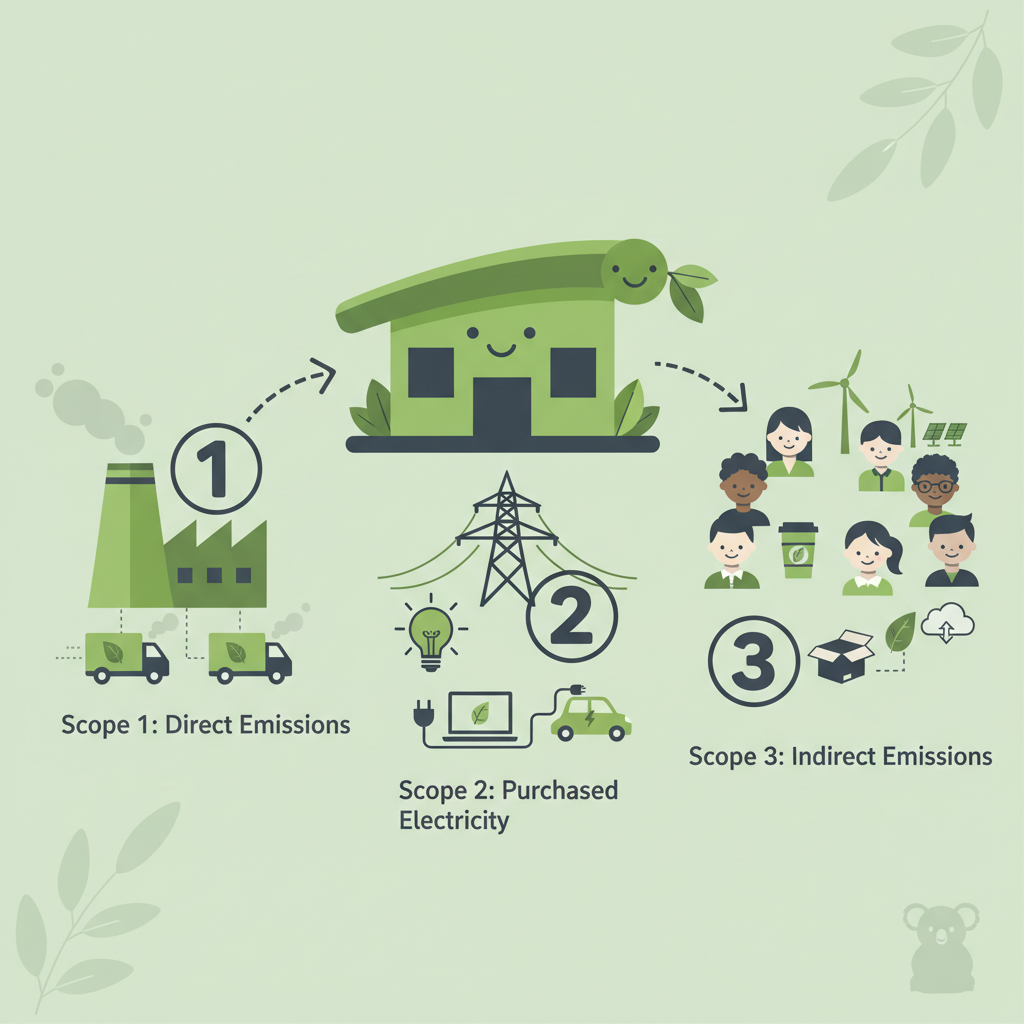
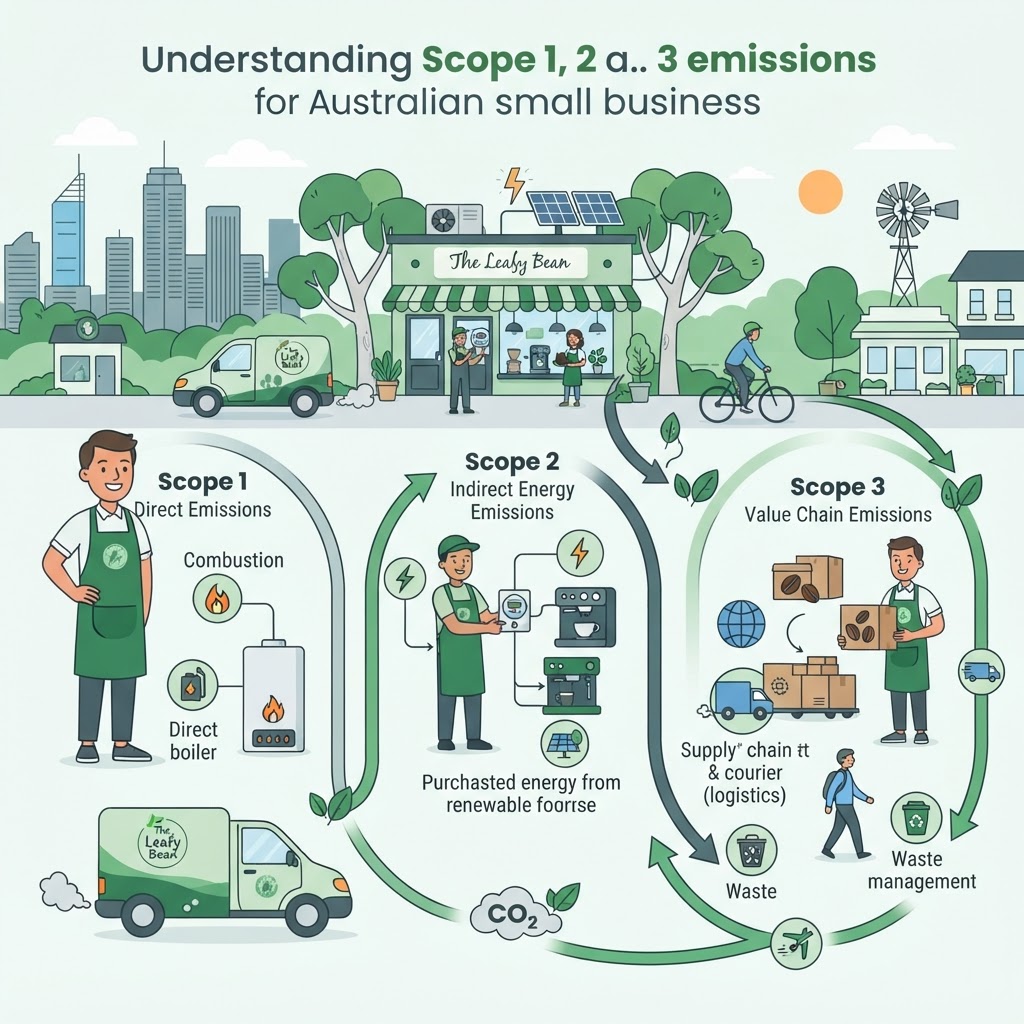
Sustainability tender responses require a comprehensive understanding of your carbon boundary. While Scope 1 and 2 emissions cover your direct fuel use and electricity, the real differentiator in procurement is your approach to Scope 3. Many Australian SMEs mistakenly overlook their value chain impacts, but procurement teams now specifically look for maturity in tracking upstream and downstream emissions. Developing a clear, categorized view of your Scope 1, 2, and 3 emissions demonstrates a sophisticated level of carbon accounting that separates your business from less prepared competitors.
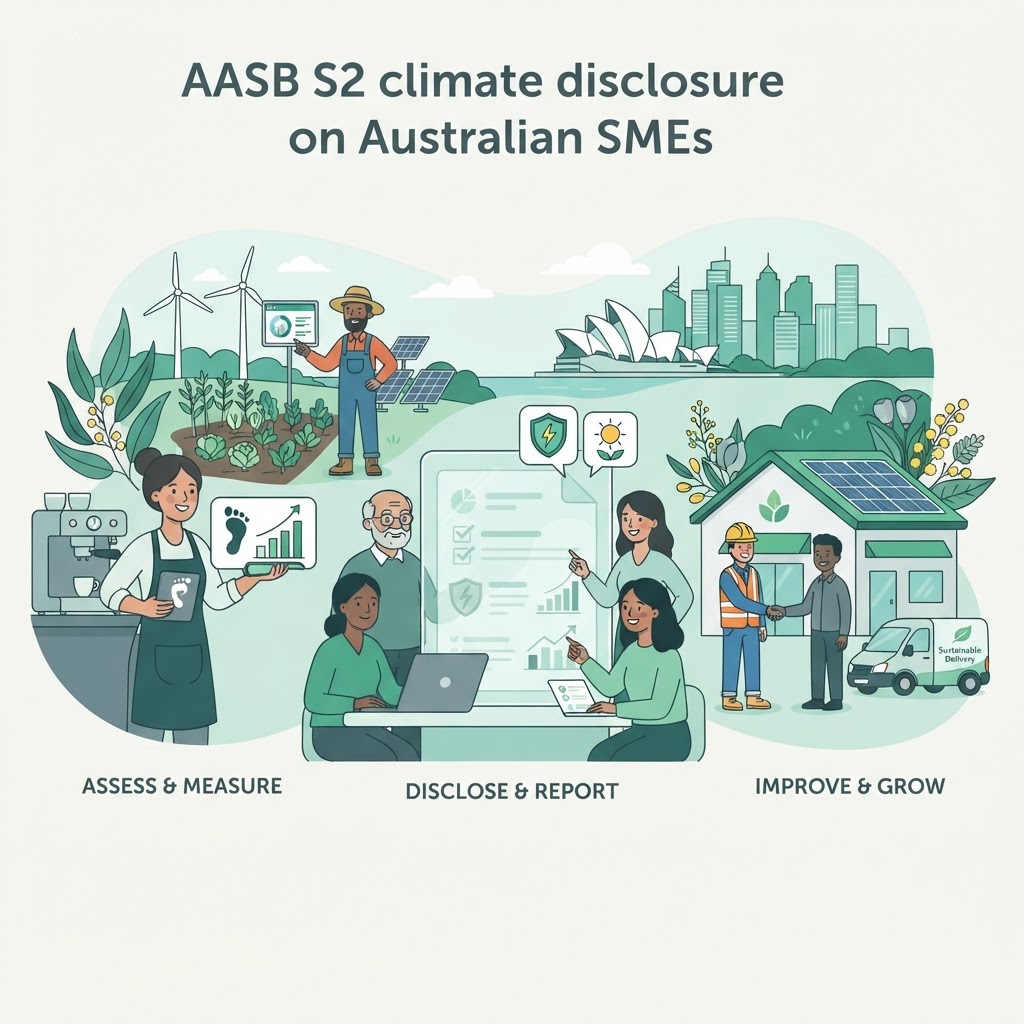
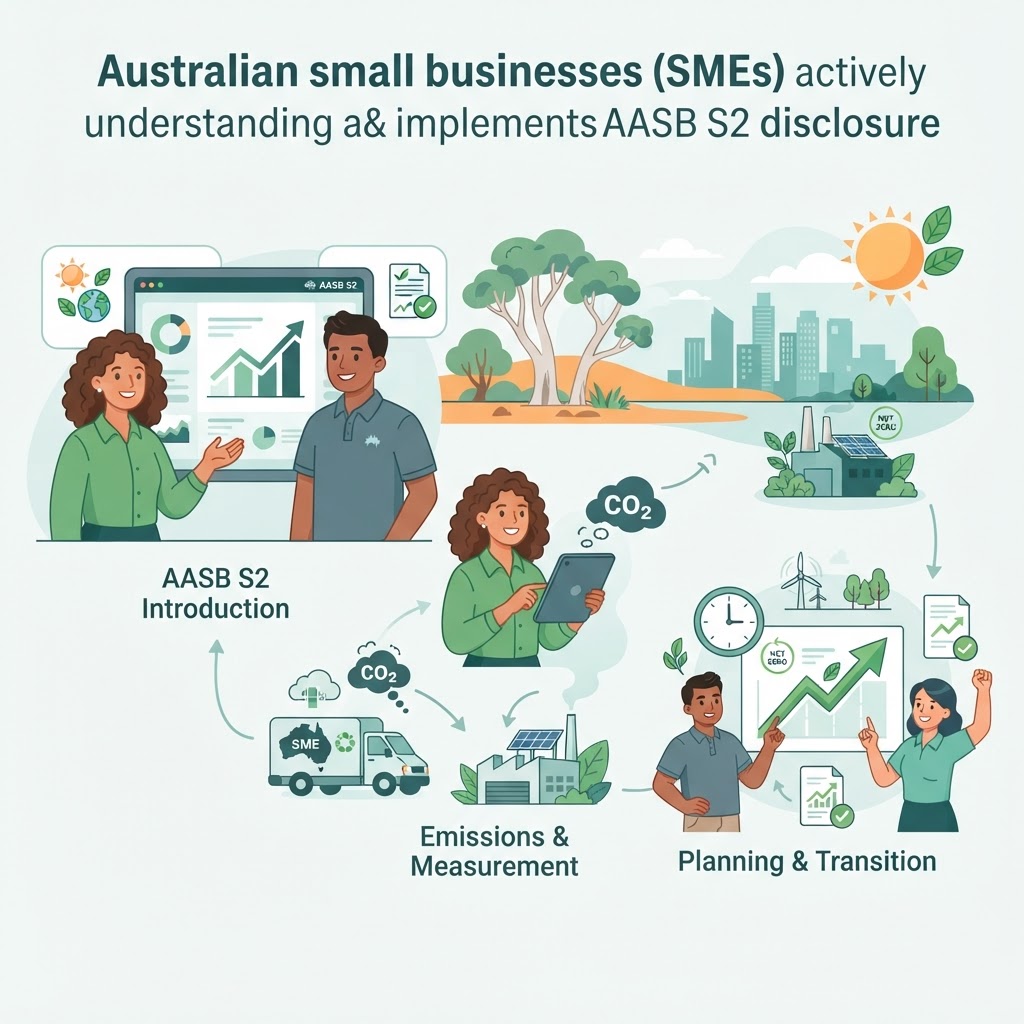
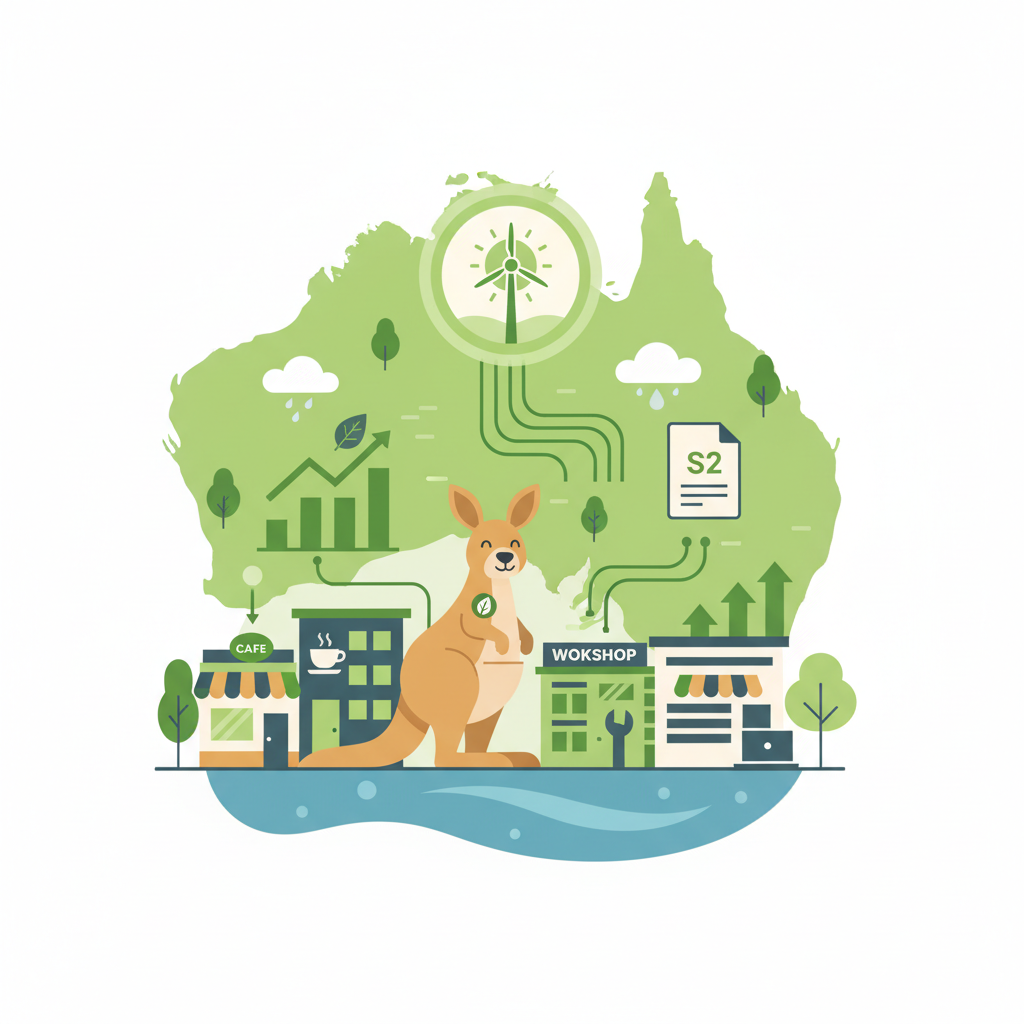
While mandatory disclosure requirements like AASB S2 initially target large entities, the ripple effect on the supply chain is immediate. ASIC INFO 271 provides clear guidance on managing climate-related risks, and procurement officers are increasingly applying these principles to their smaller suppliers. By proactively aligning your reporting with the spirit of AASB S2, you position your SME as a low-risk partner that is 'tender-ready' for even the most stringent government or corporate contracts. Being ahead of the regulatory curve shows that your business anticipates the future of Australian corporate transparency.
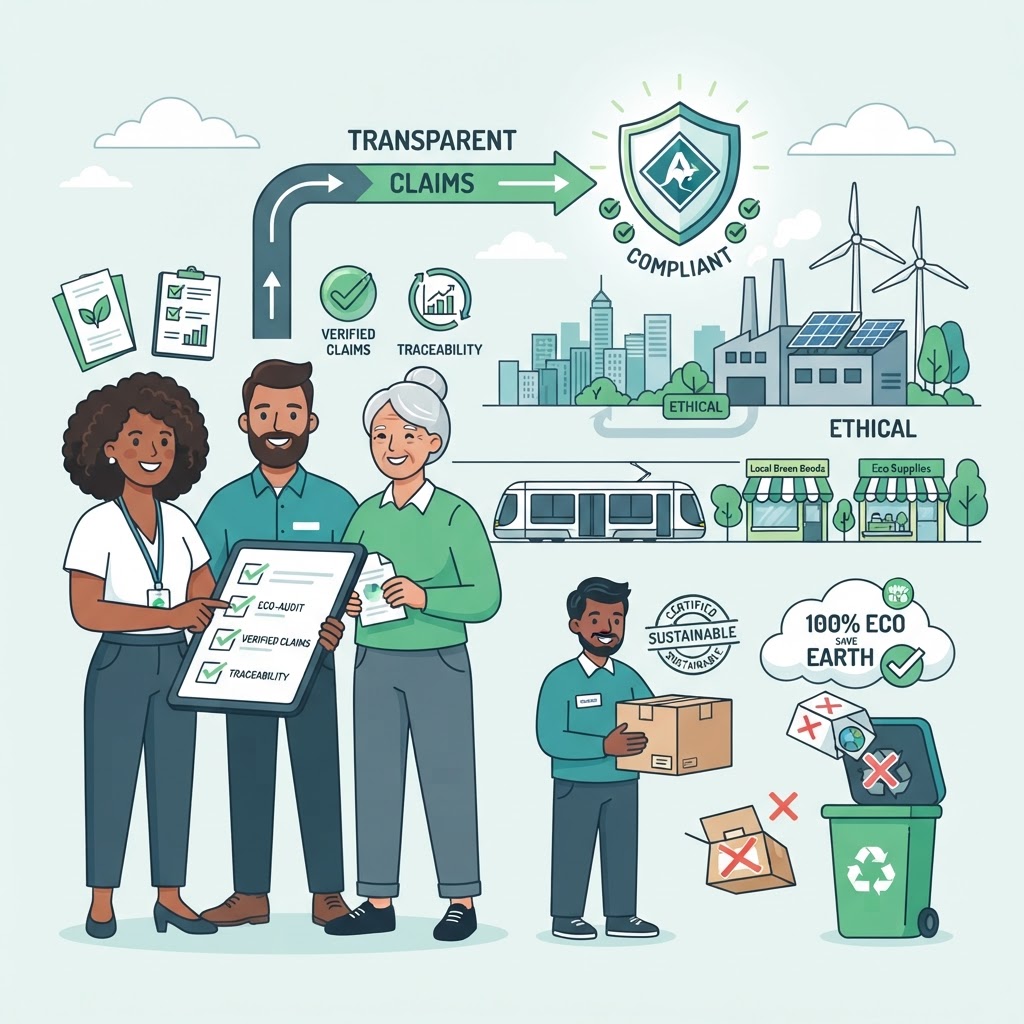
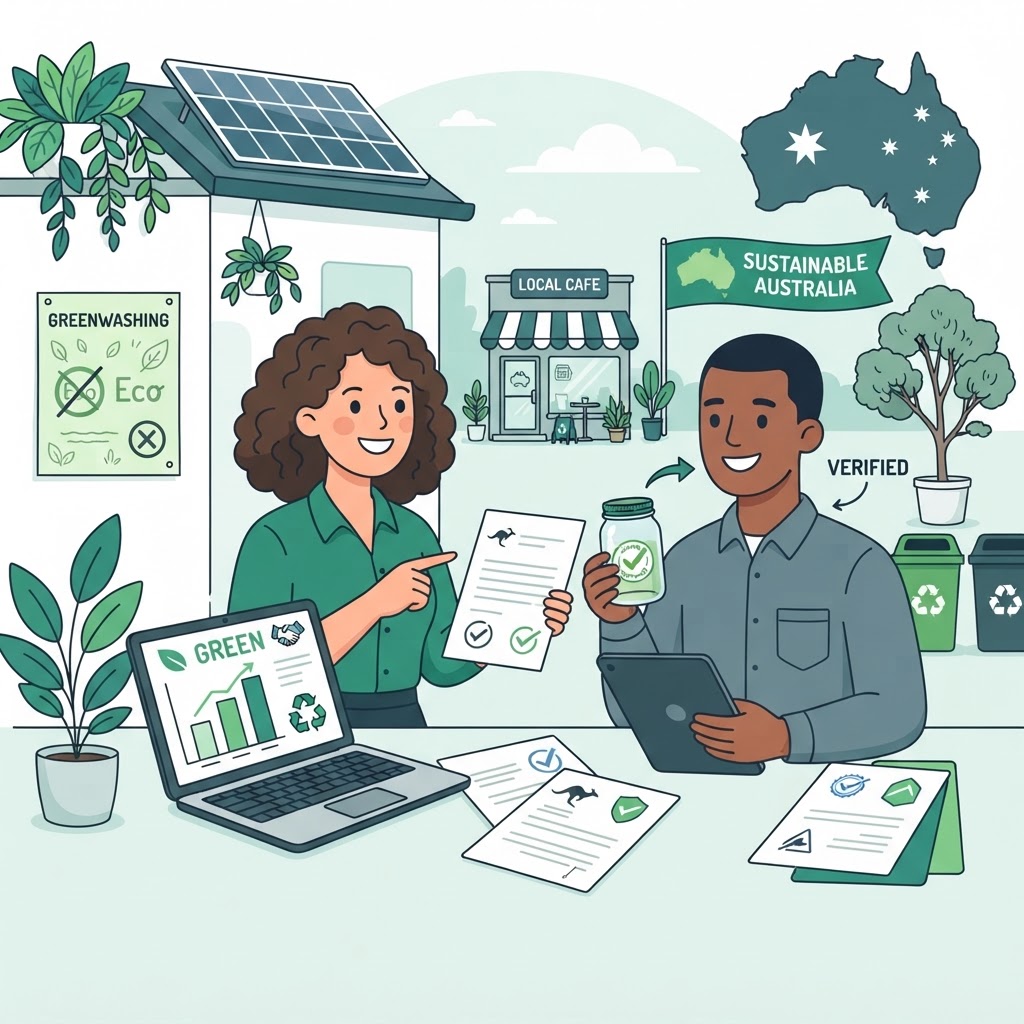
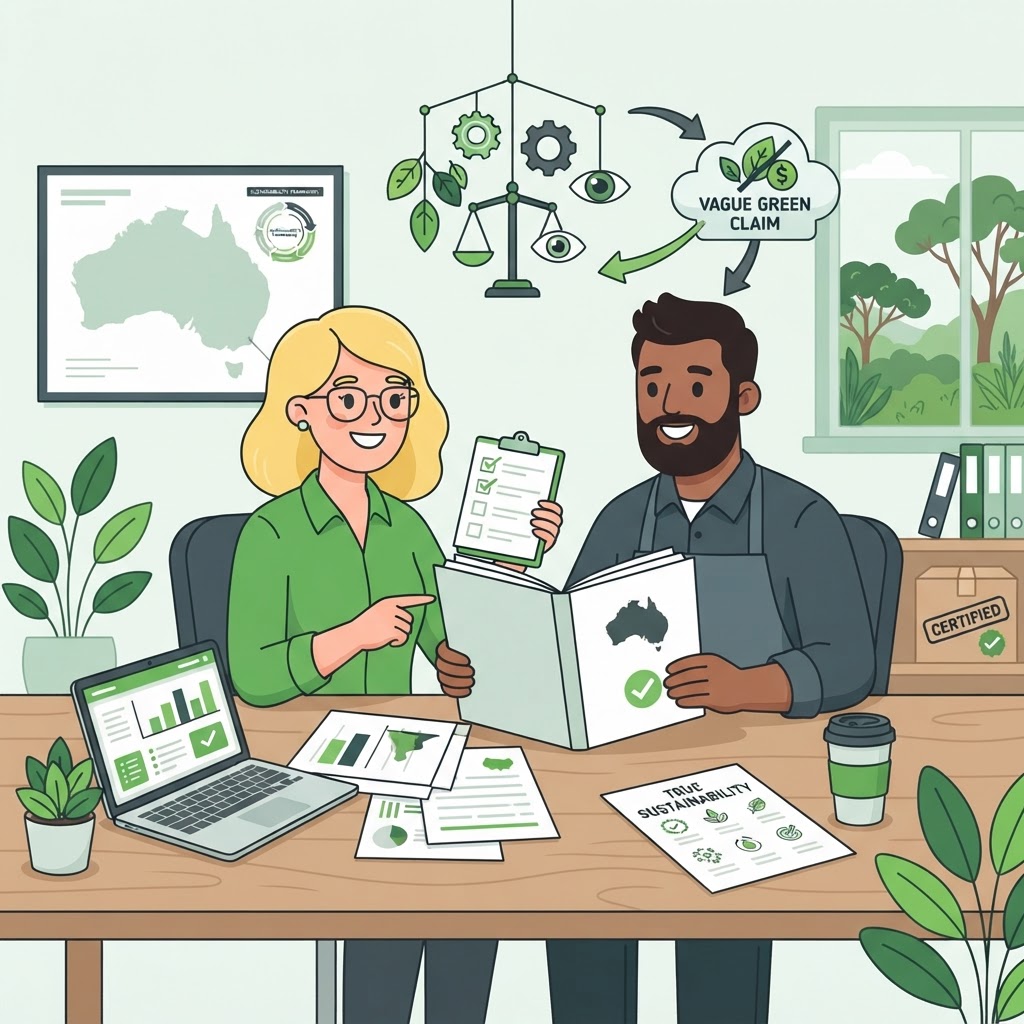
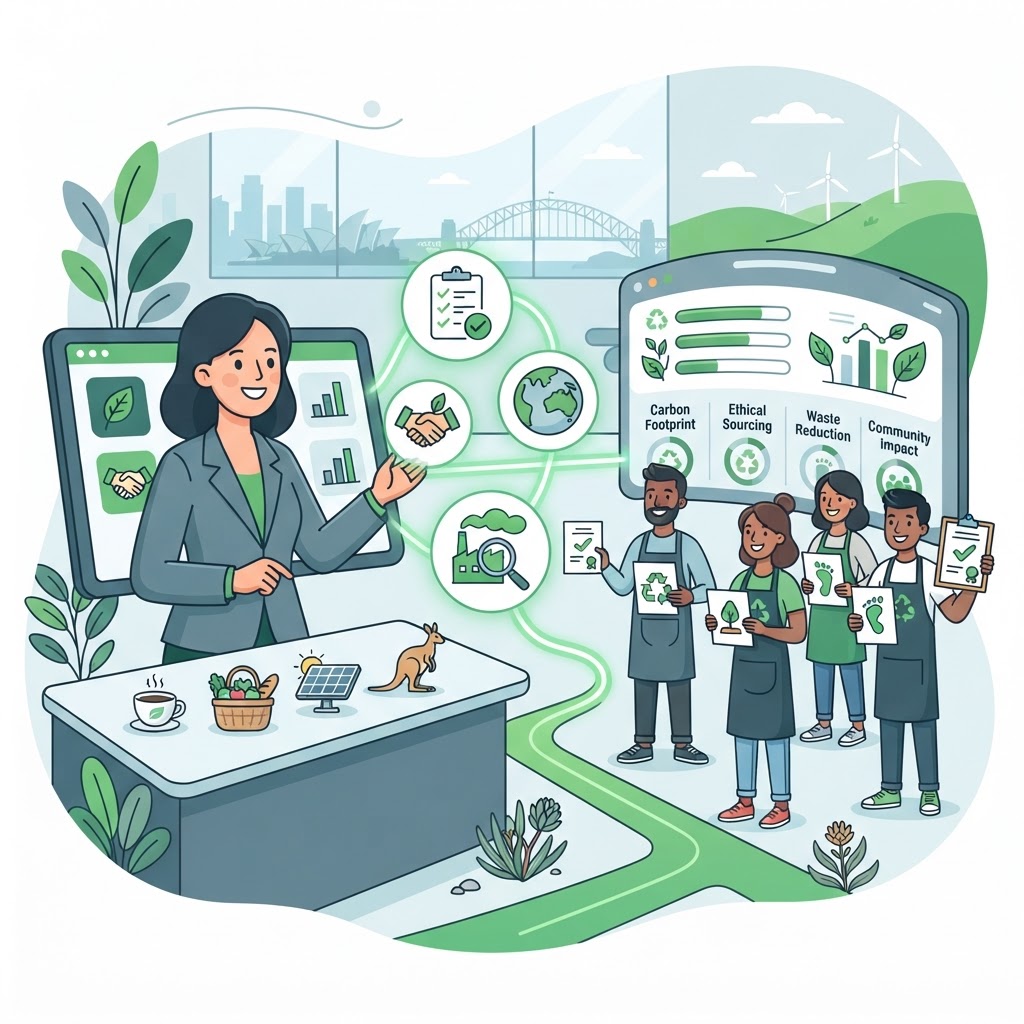
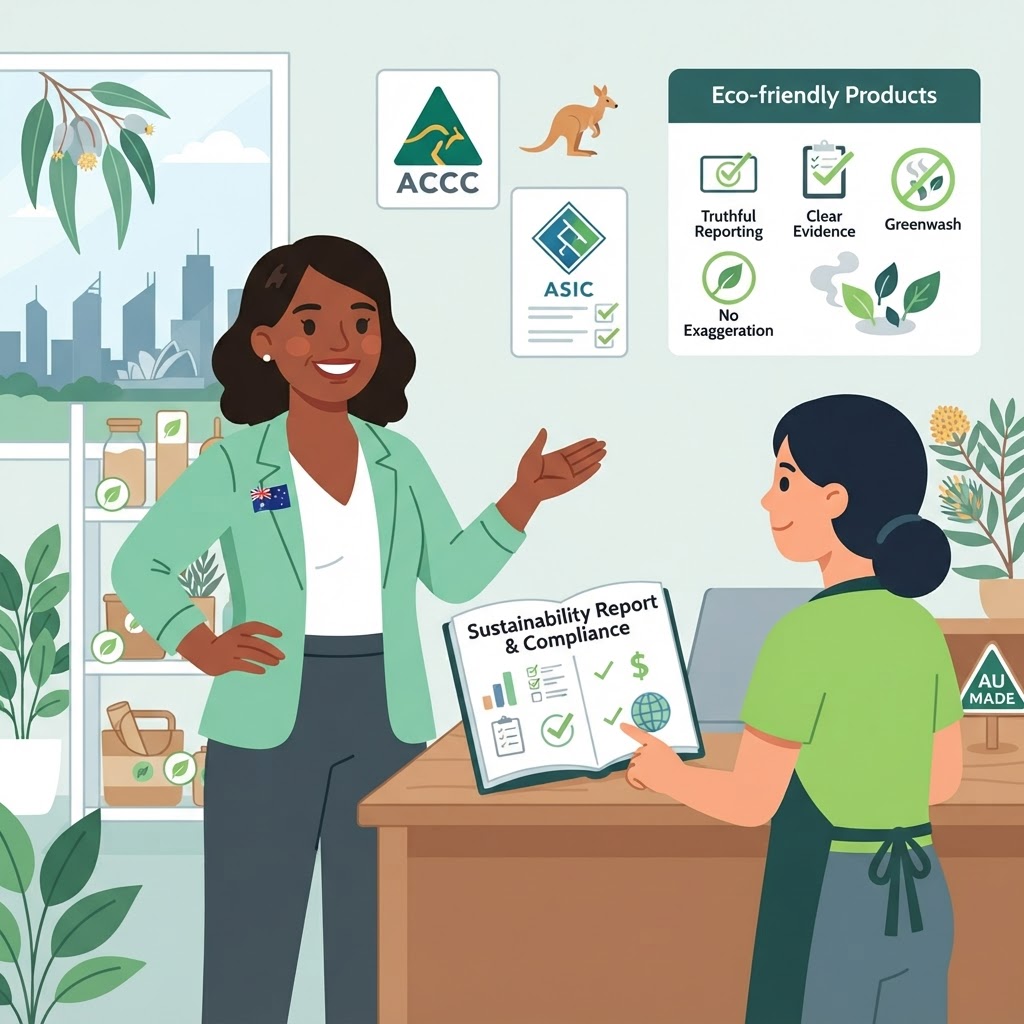
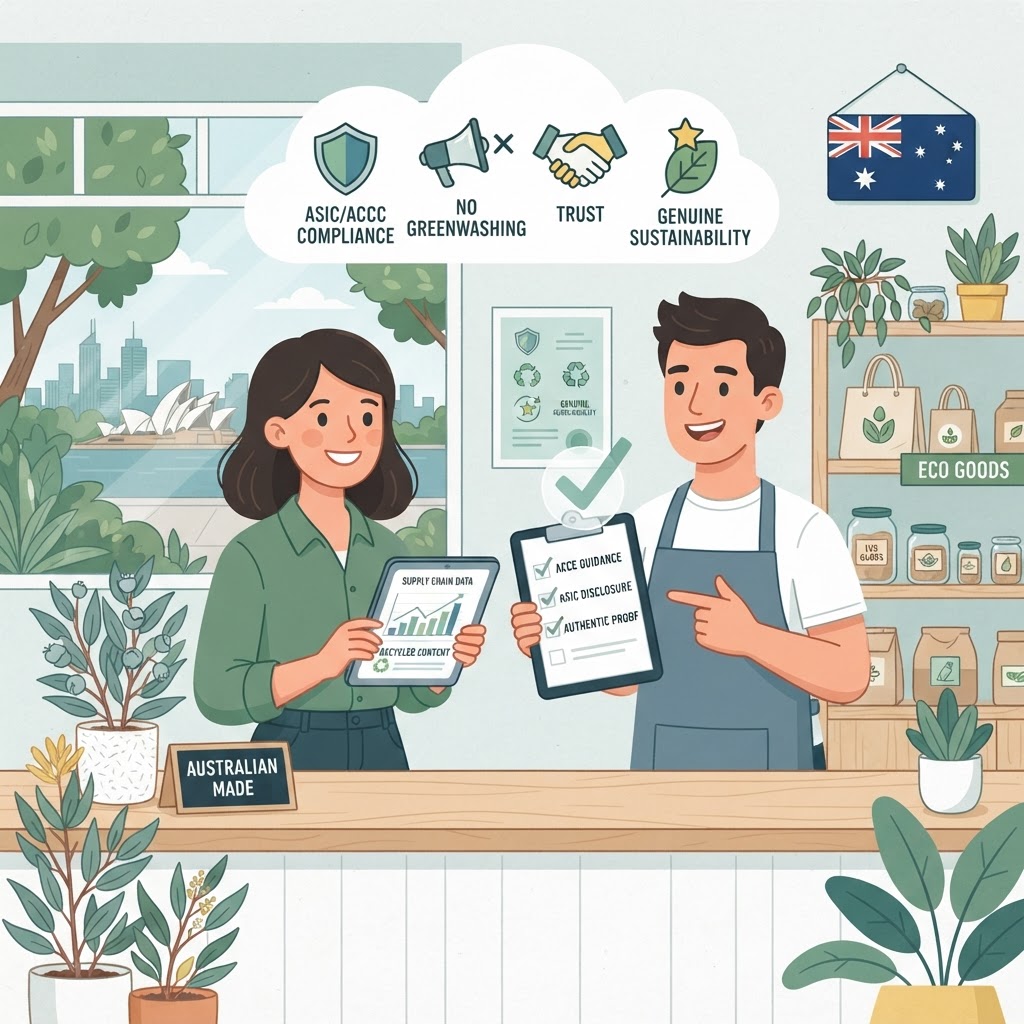
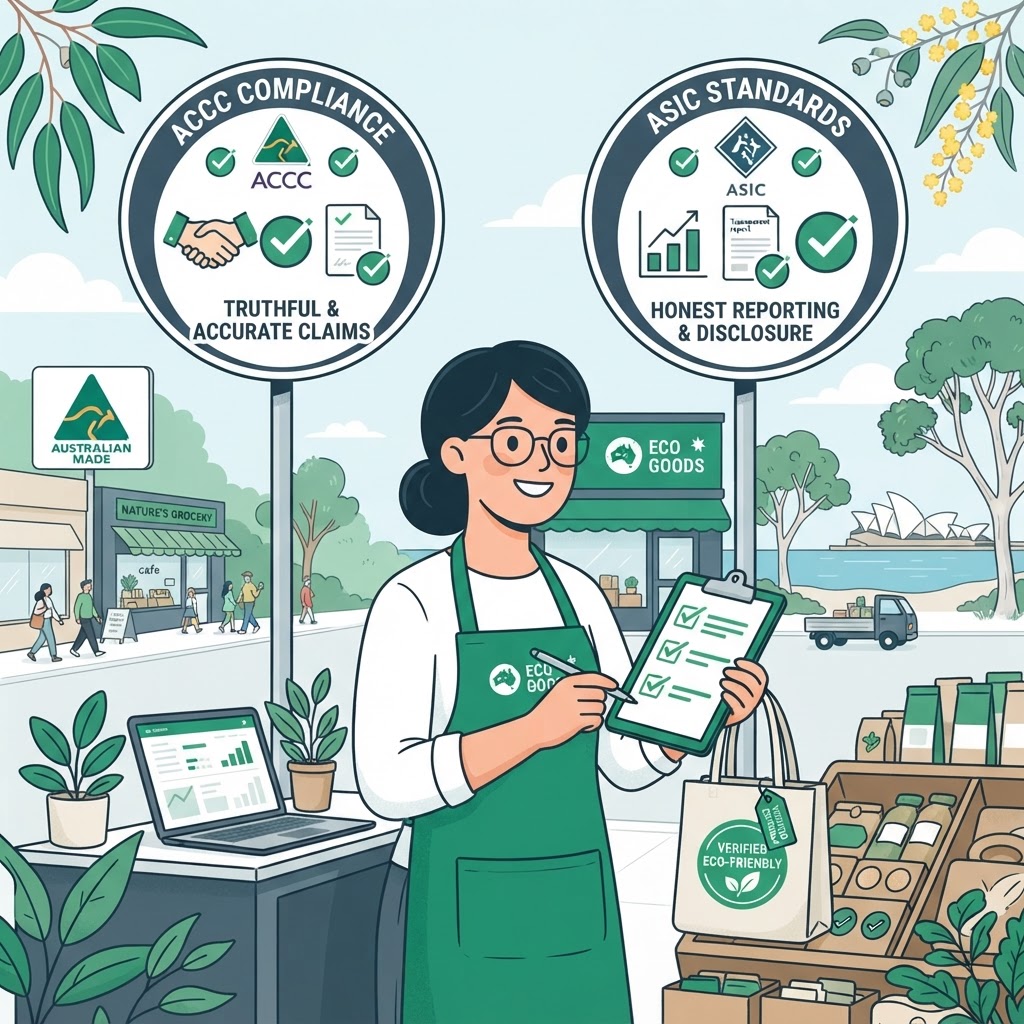
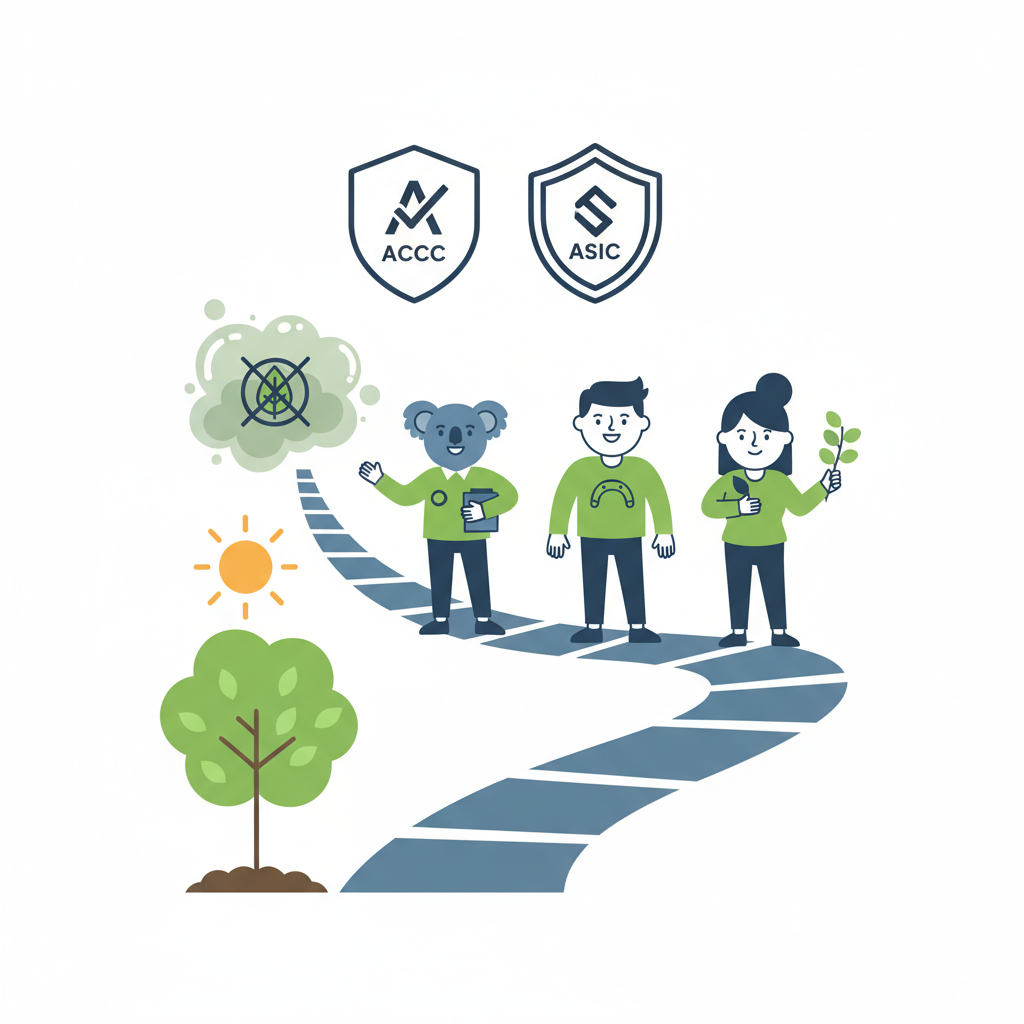
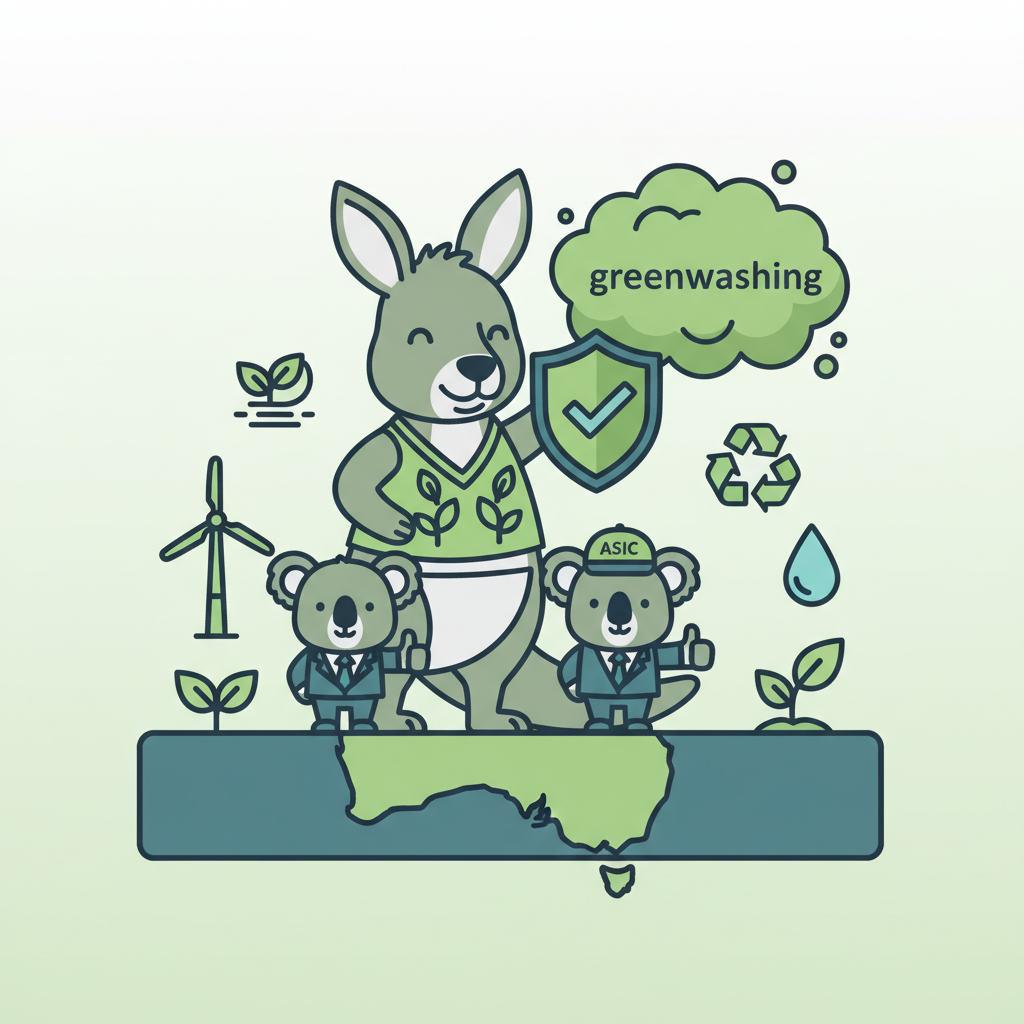
With the ACCC increasing its focus on environmental claims, the risk of 'greenwashing' has never been higher. An evidence-backed approach is your best defense against accusations of misleading conduct. Instead of using emotive marketing language, focus on raw, verifiable data. If you claim to be carbon neutral or energy efficient, back that claim up with third-party audits or granular usage reports from your carbon accounting software. Transparency in your data sources and methodology builds institutional trust, which is the cornerstone of a successful long-term partnership with major buyers.
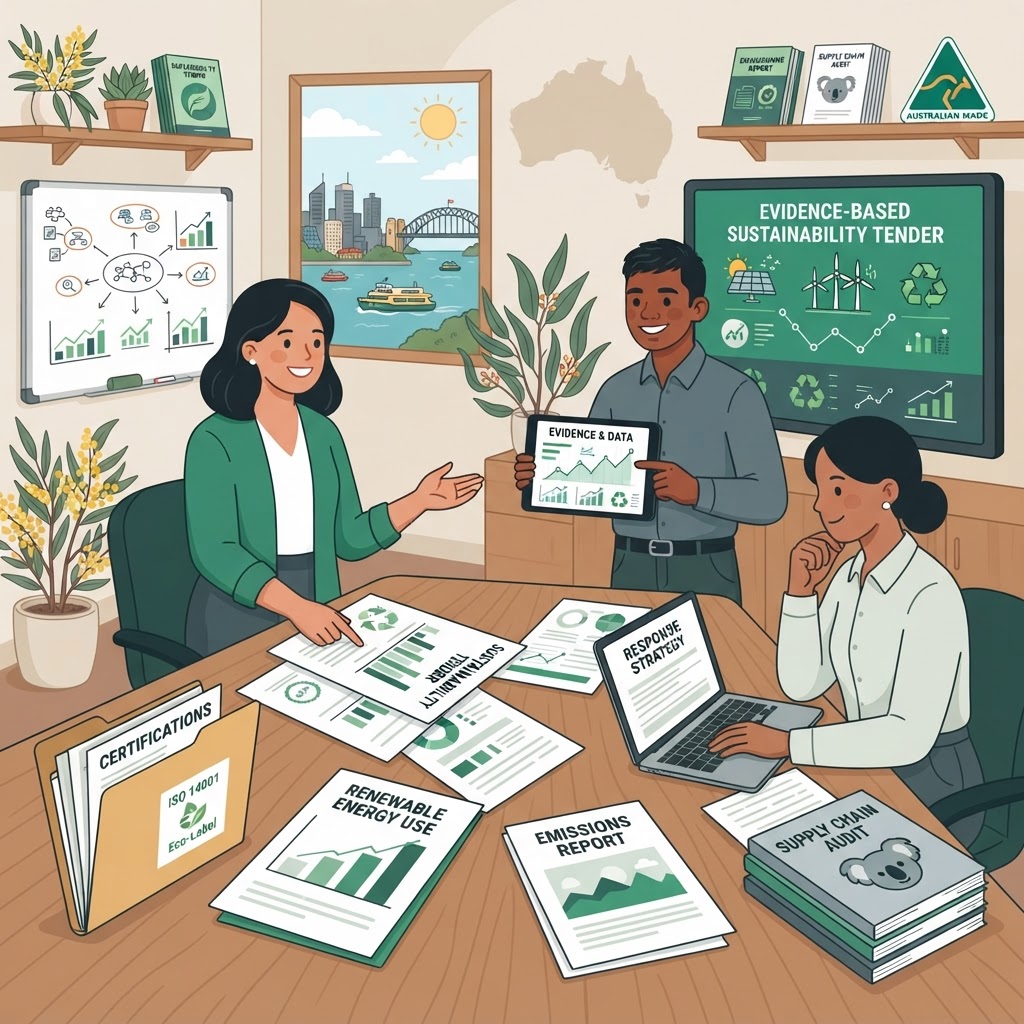
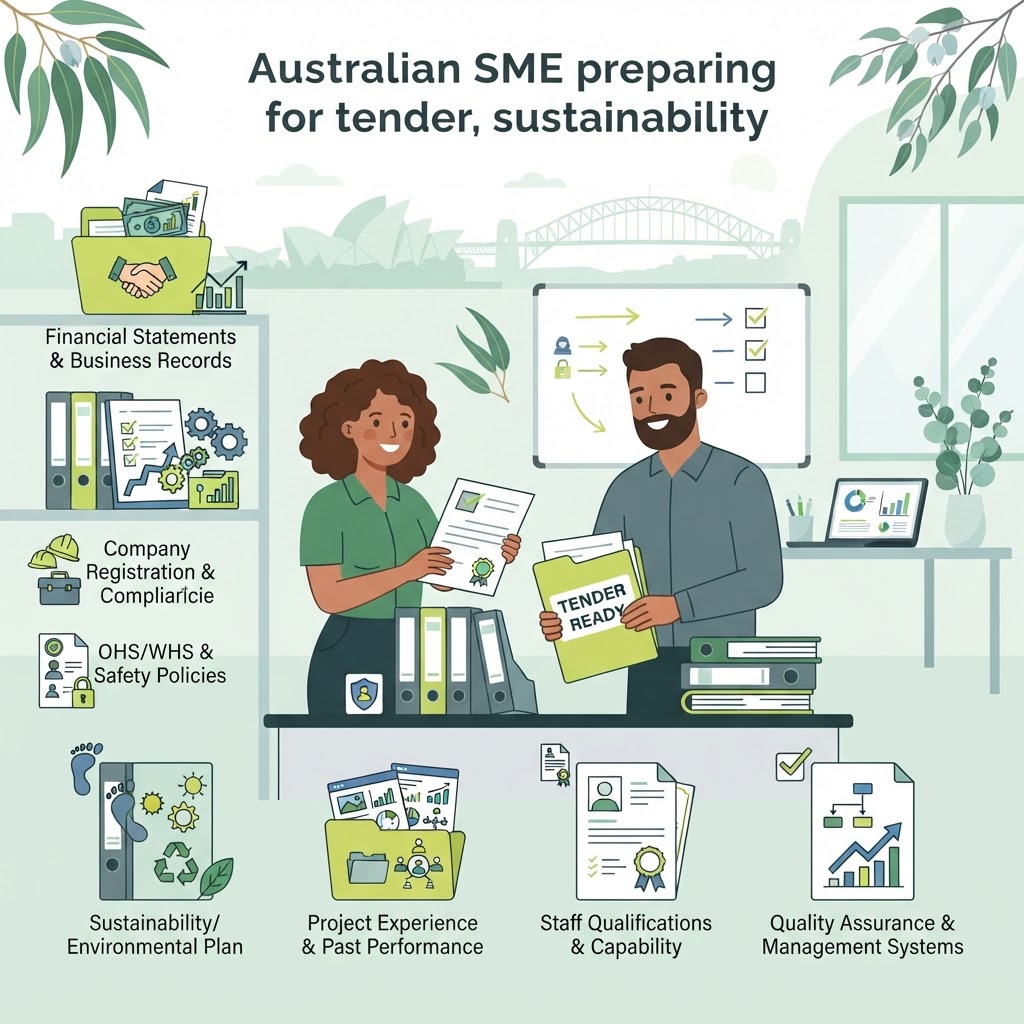
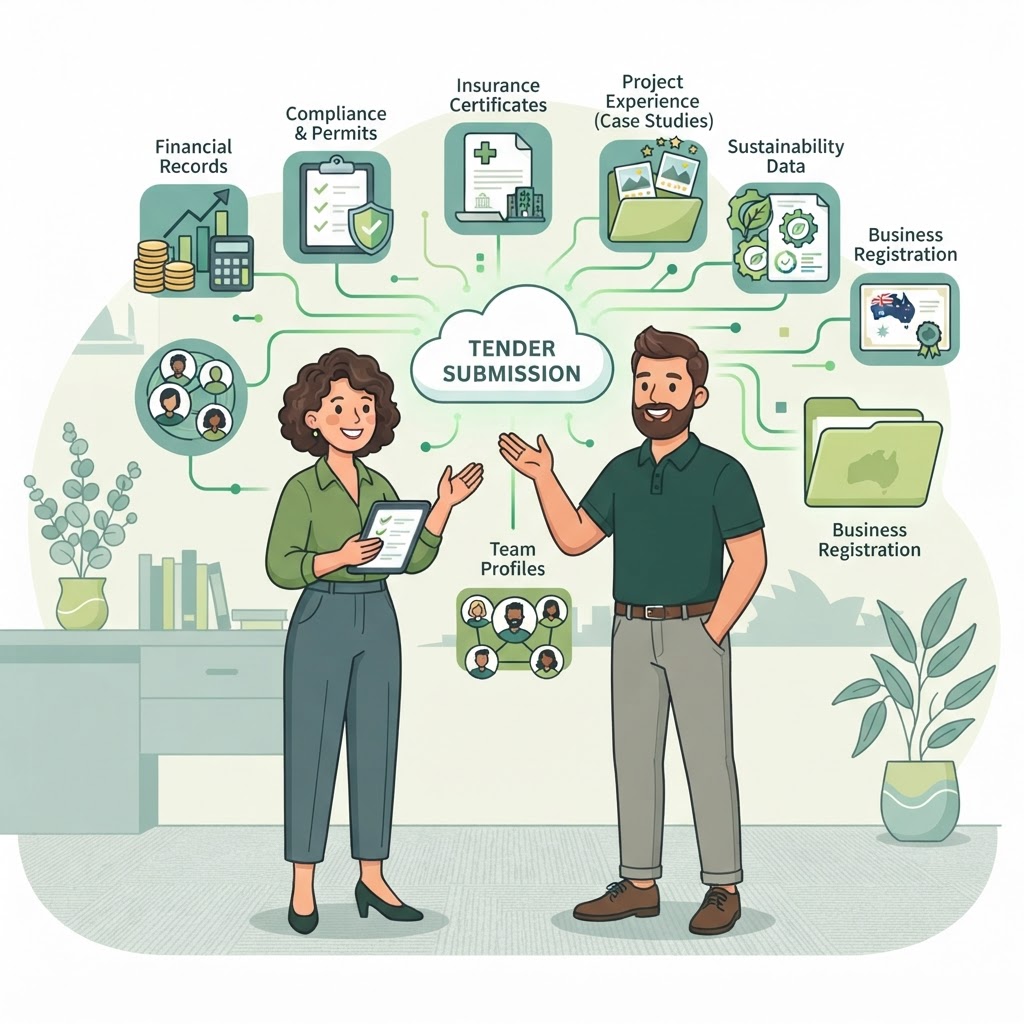
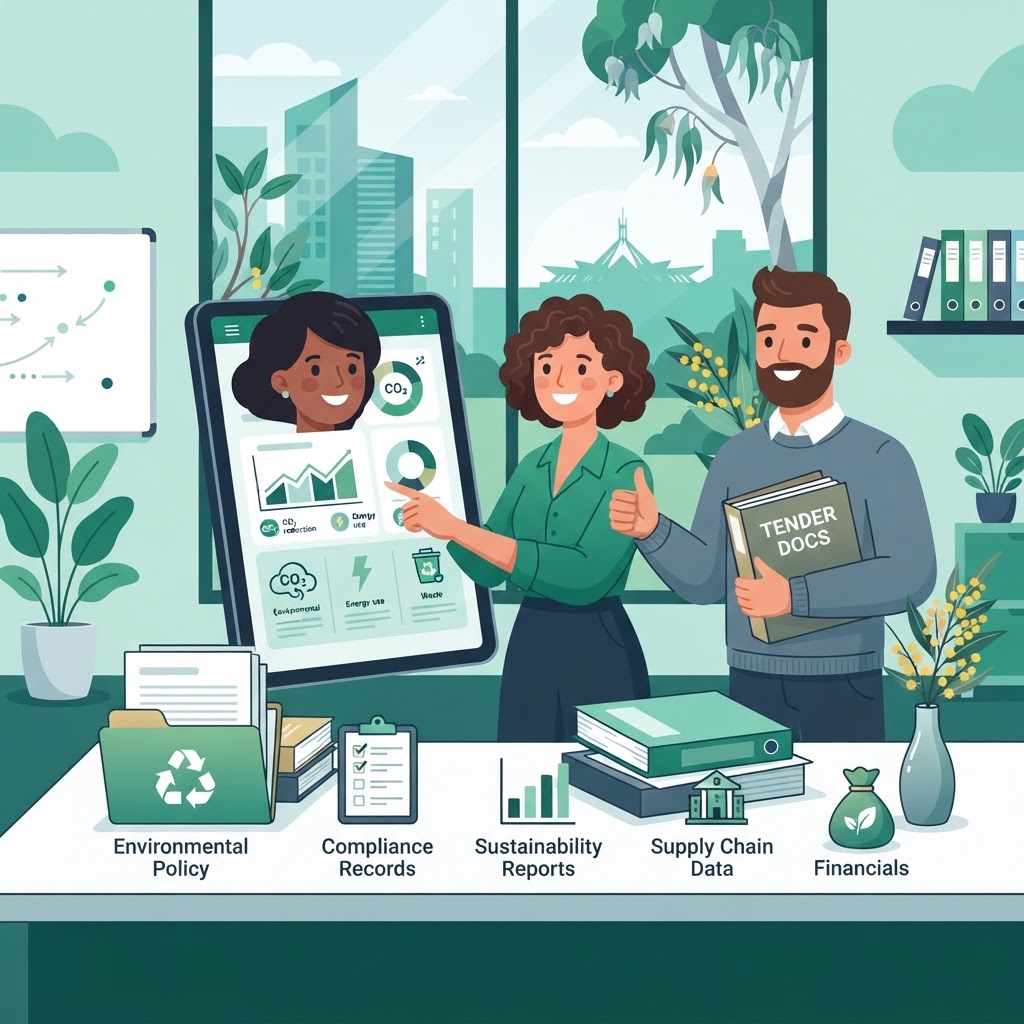
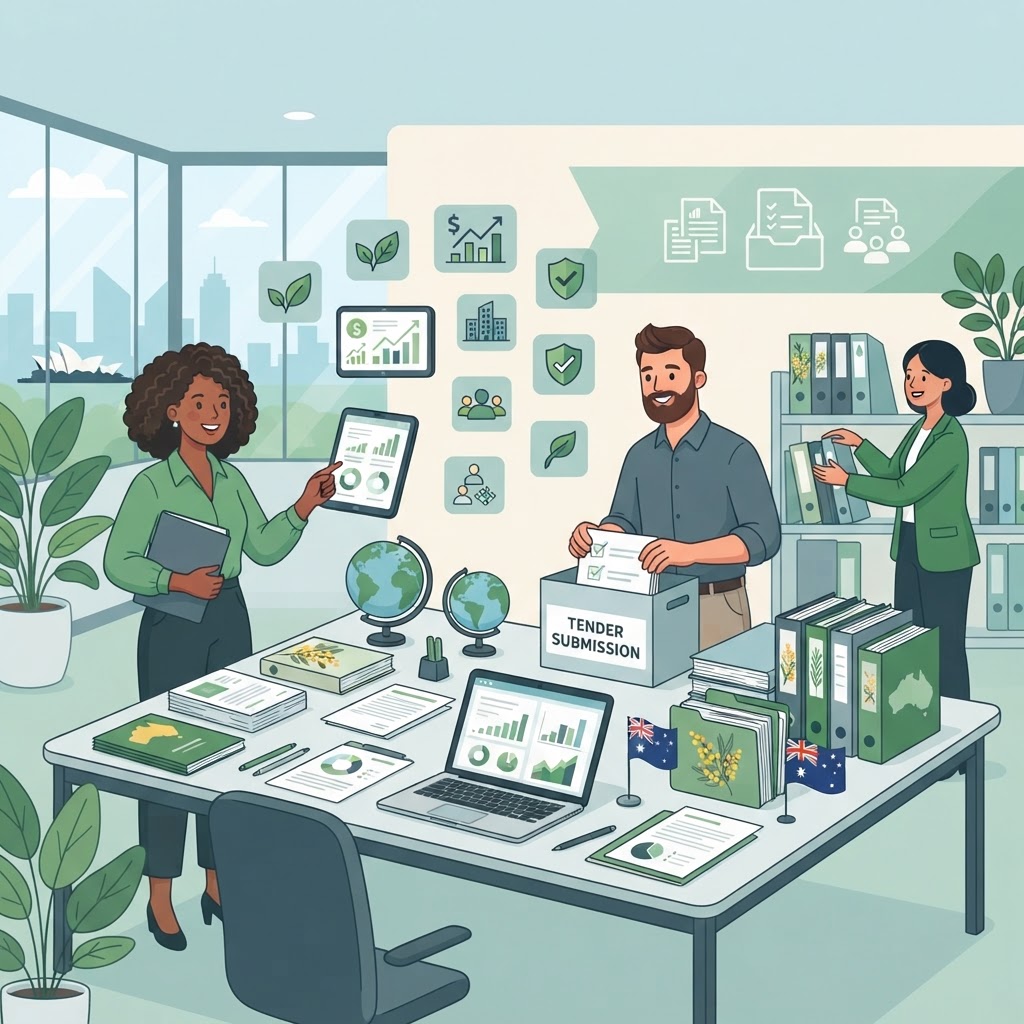
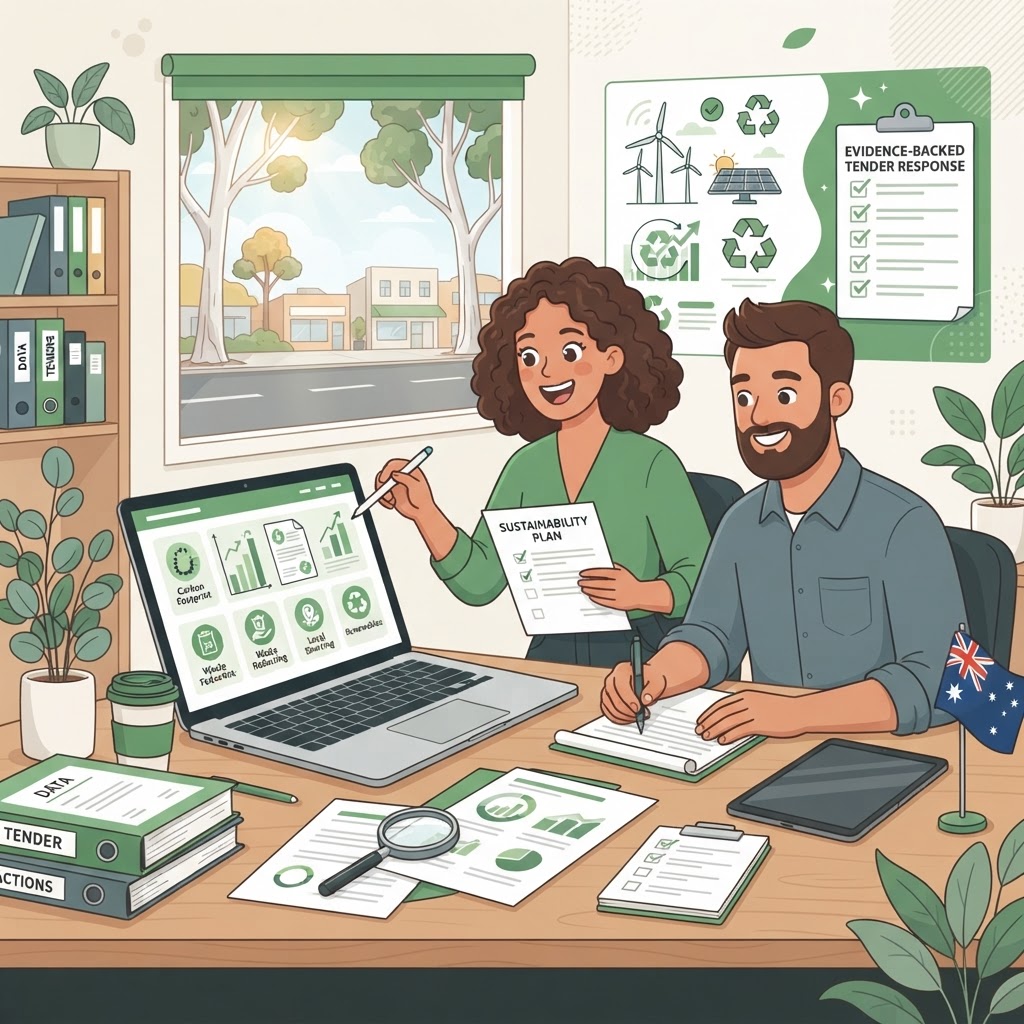
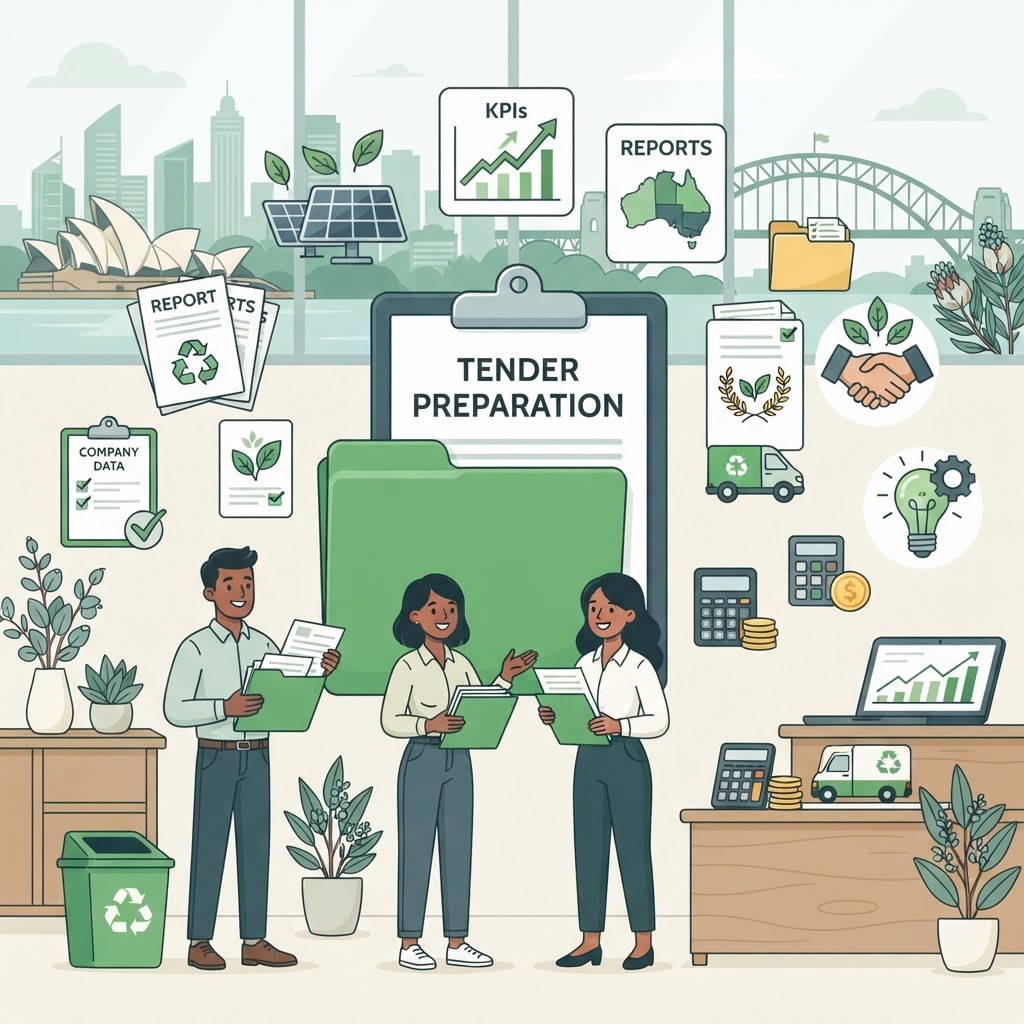
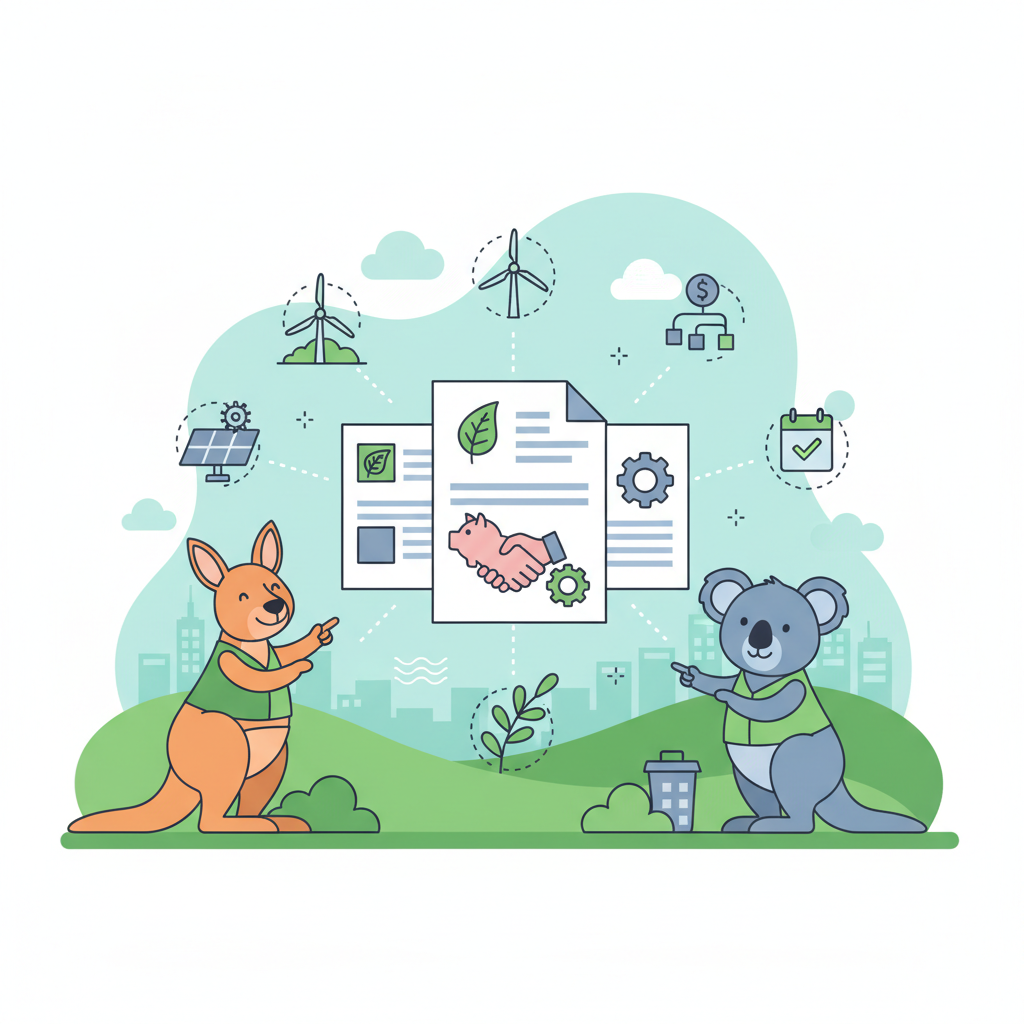
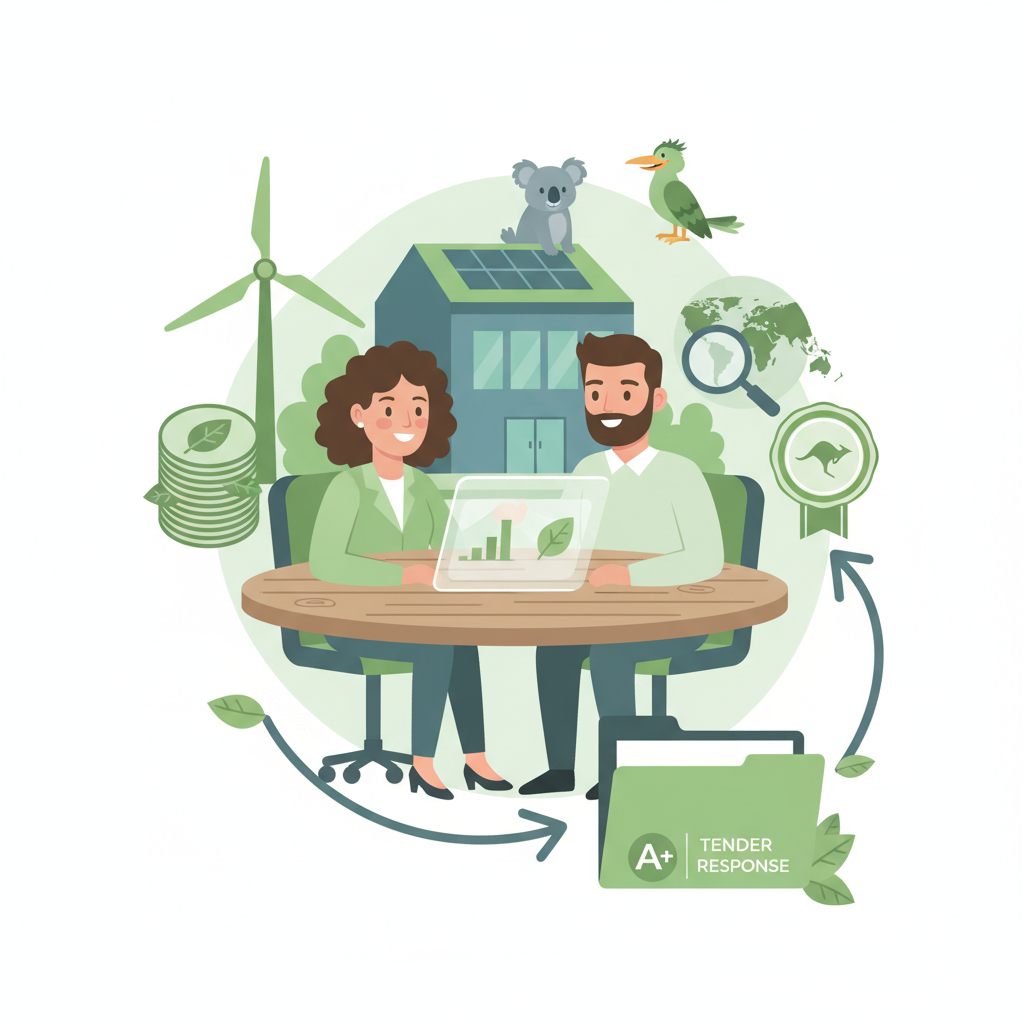
One of the biggest hurdles for Australian SMEs is the constant repetition of data requests during the bidding process. Establishing a centralised repository for your carbon accounting evidence—often referred to as a 'Sustainability Tender File'—is vital. This library should include your validated emissions reports, net-zero pathway roadmaps, and documentation confirming the use of NGA factors. Having this information ready at a moment’s notice not only reduces the administrative burden on your team but also ensures consistency across multiple tender responses, preventing conflicting claims that could raise red flags with procurement evaluators.
Sustainability is now a core pillar of Australian procurement. By shifting toward evidence-backed sustainability tender responses, you move your business from reactive compliance to a proactive competitive advantage. Start by standardising your data, adopting NGA methodology, and maintaining a transparent record of your emissions. If you are ready to professionalise your carbon reporting and gain a foothold in major supply chains, start using ScopeTrack today to build a foundation of data integrity that wins contracts and secures your business future.

Why is Scope 3 reporting becoming essential for Australian SME tenders?
Scope 3 emissions represent the majority of an organisation's carbon footprint. Major buyers now demand this transparency to understand their total supply chain impact and meet their own ESG reporting targets.
How do I ensure my sustainability claims don't constitute greenwashing?
Avoid vague claims by using data-backed evidence derived from the NGA factors. The ACCC monitors environmental claims, so transparency regarding your methodology and data sources is your strongest protection.
Do small businesses need to follow AASB S2 reporting standards?
While AASB S2 is mandatory for large entities, the guidance is becoming the industry standard for best-practice reporting. Aligning with it now helps SMEs prepare for future requirements and satisfies the data needs of large corporate customers.