Beyond Greenwashing: Ensuring Regulatory Integrity in Your Carbon Reporting
Learn how Australian SMEs can navigate ACCC and ASIC guidelines to produce evidence-backed sustainability tender responses that stand up to regulatory scrutiny.
Read blogPractical PrimeGreen guidance for SMEs preparing stronger sustainability tender responses.

Learn how Australian SMEs can navigate ACCC and ASIC guidelines to produce evidence-backed sustainability tender responses that stand up to regulatory scrutiny.
Read blog
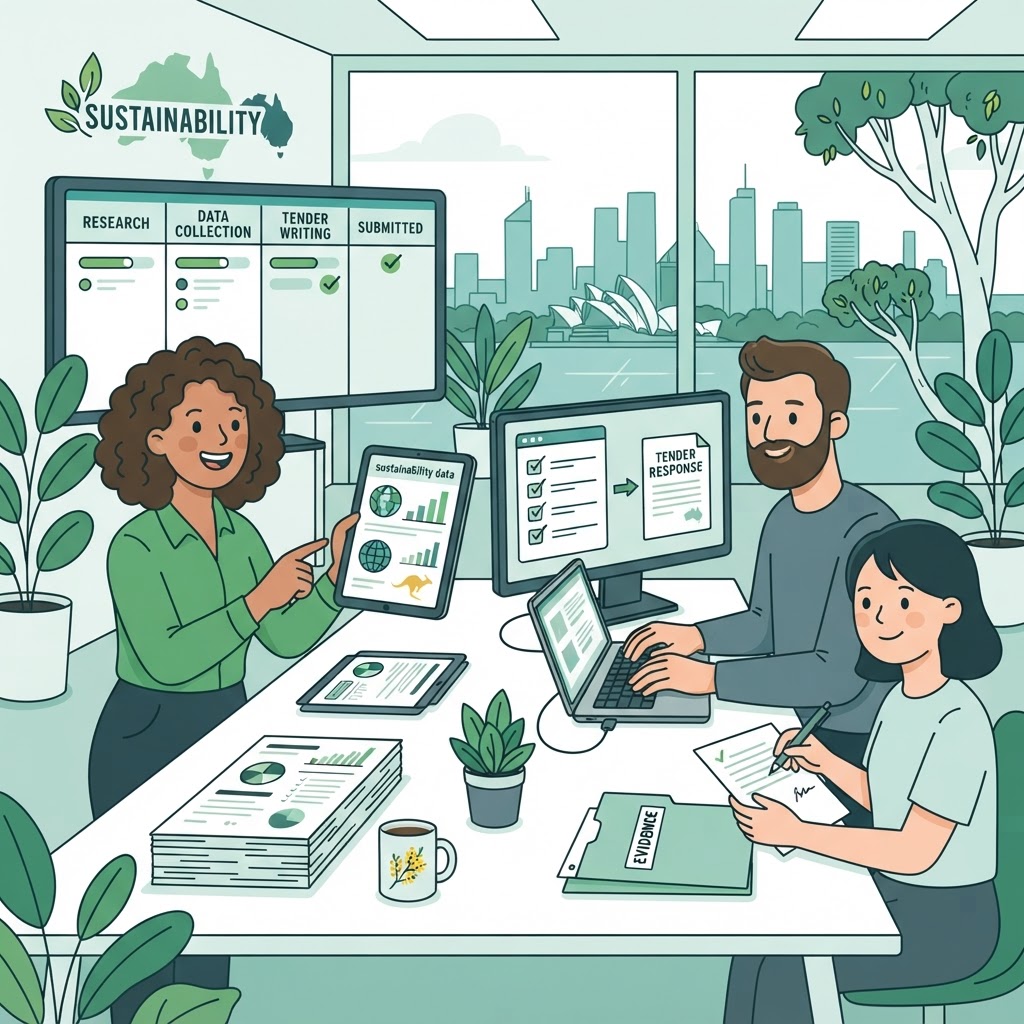
Learn how Australian SMEs can build trust with enterprise buyers by transforming raw data into verified, evidence-backed sustainability tender responses.
Read blog
Demystify the complexities of Scope 1, 2, and 3 emissions to sharpen your sustainability tender responses and meet Australian procurement requirements.
Read blog
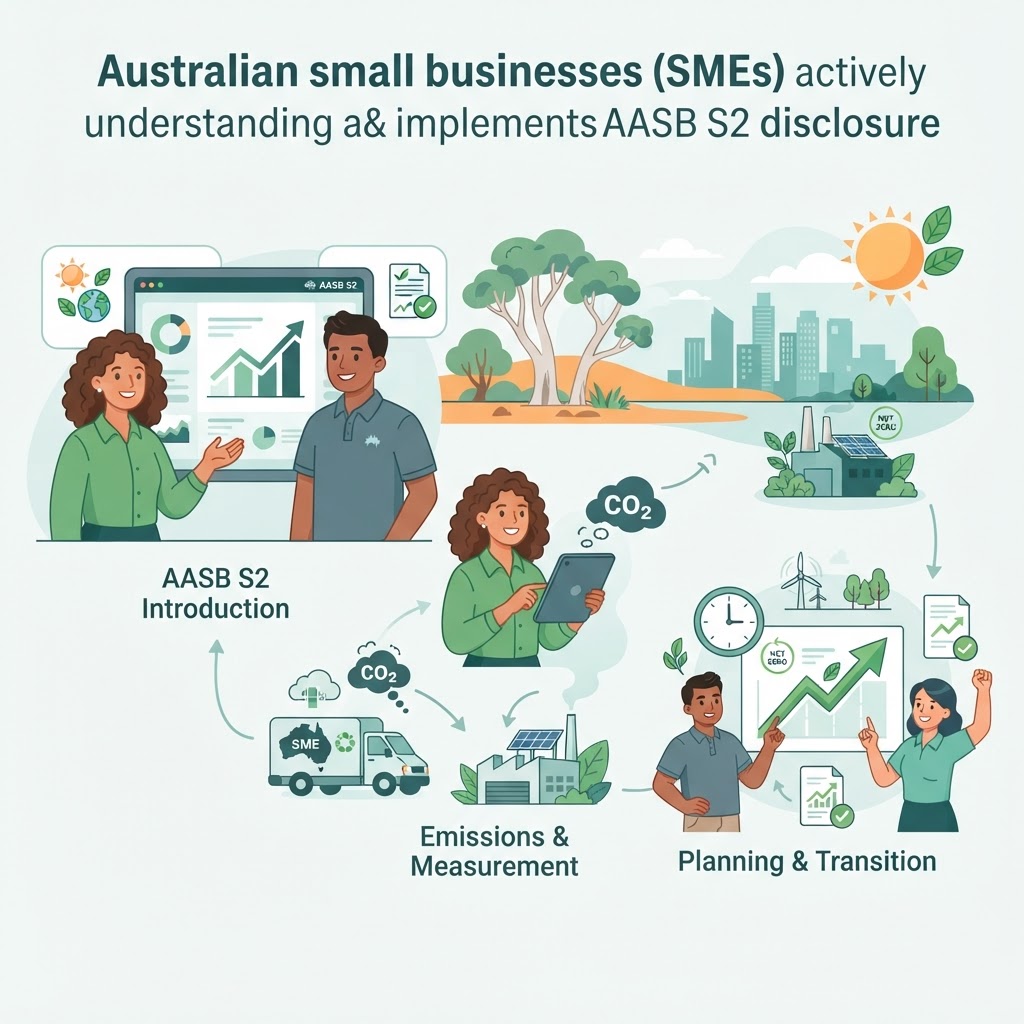
Discover how the AASB S2 climate reporting standards are filtering down to Australian SMEs and how to prepare your data for procurement success.
Read blog
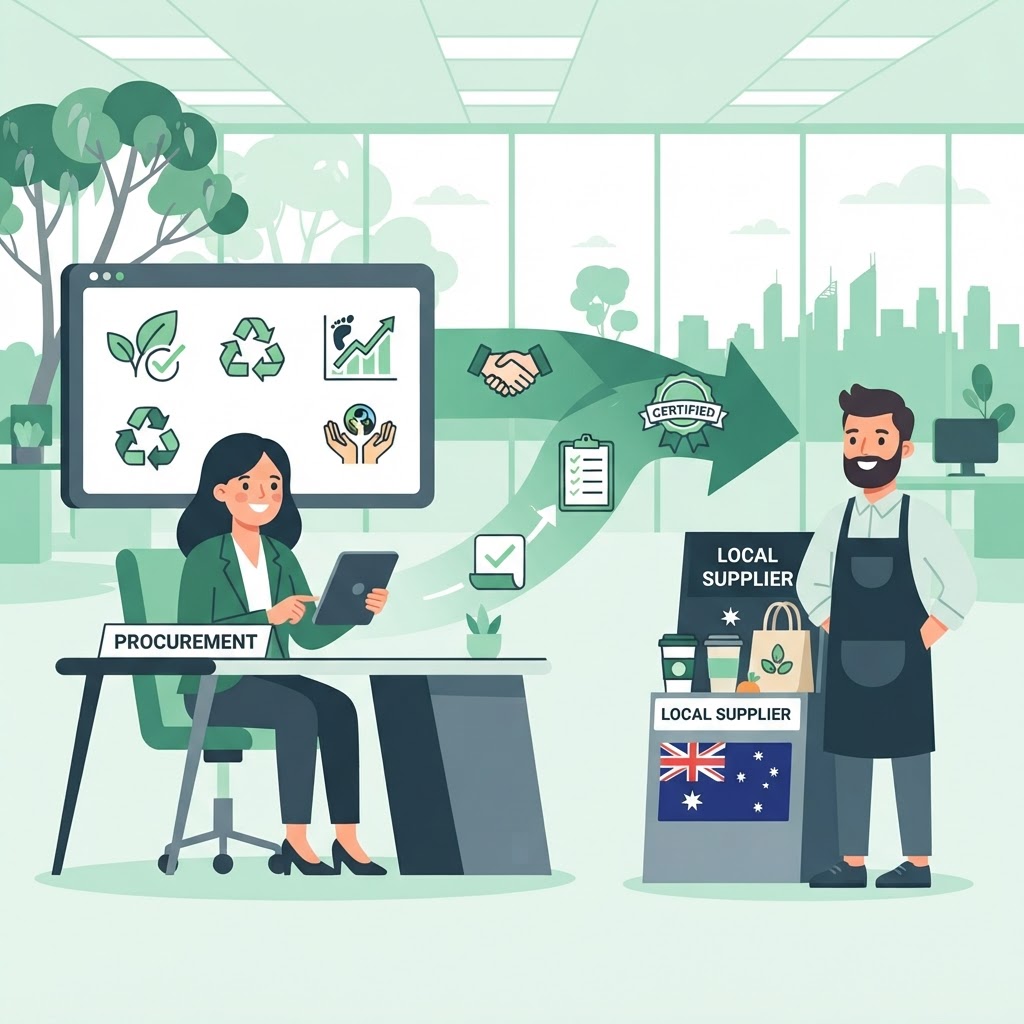
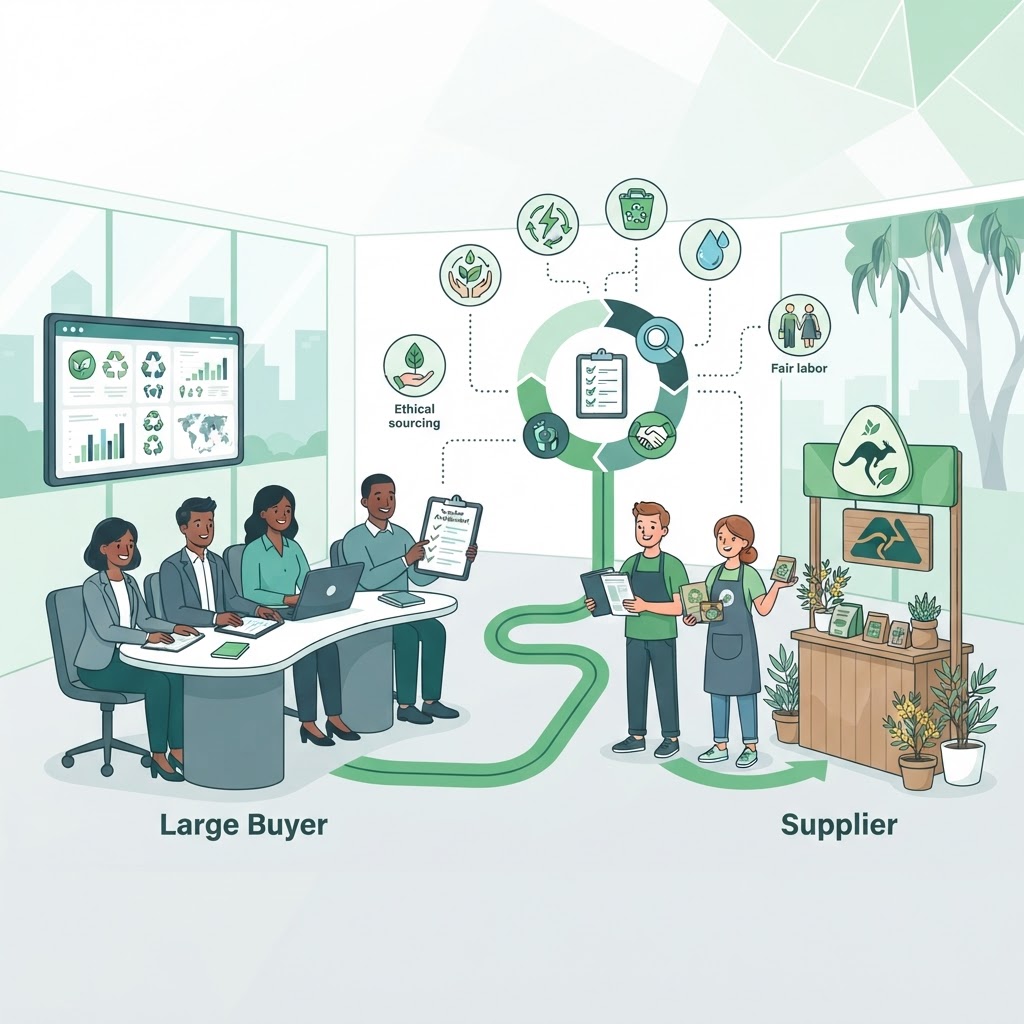
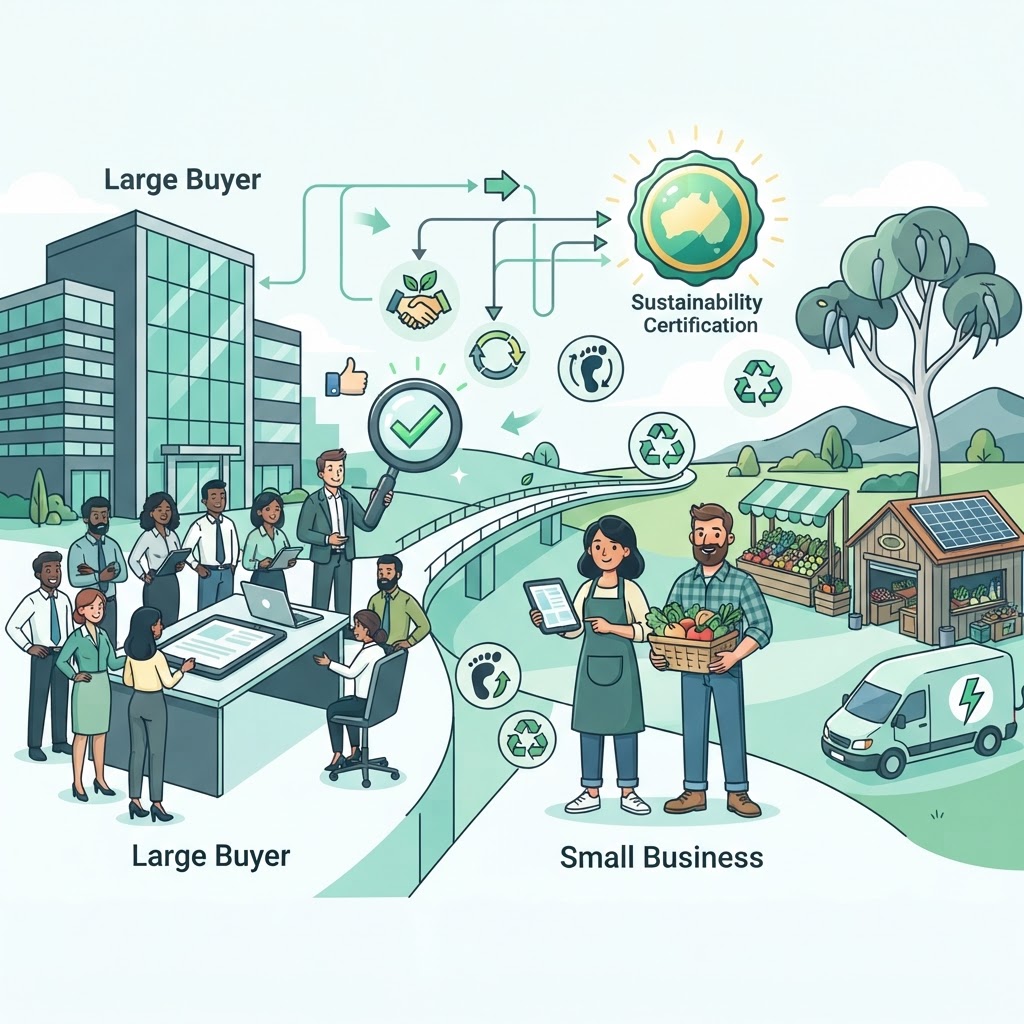
Discover how major Australian enterprise buyers evaluate supplier sustainability and what evidence you need to secure your next contract.
Read blog
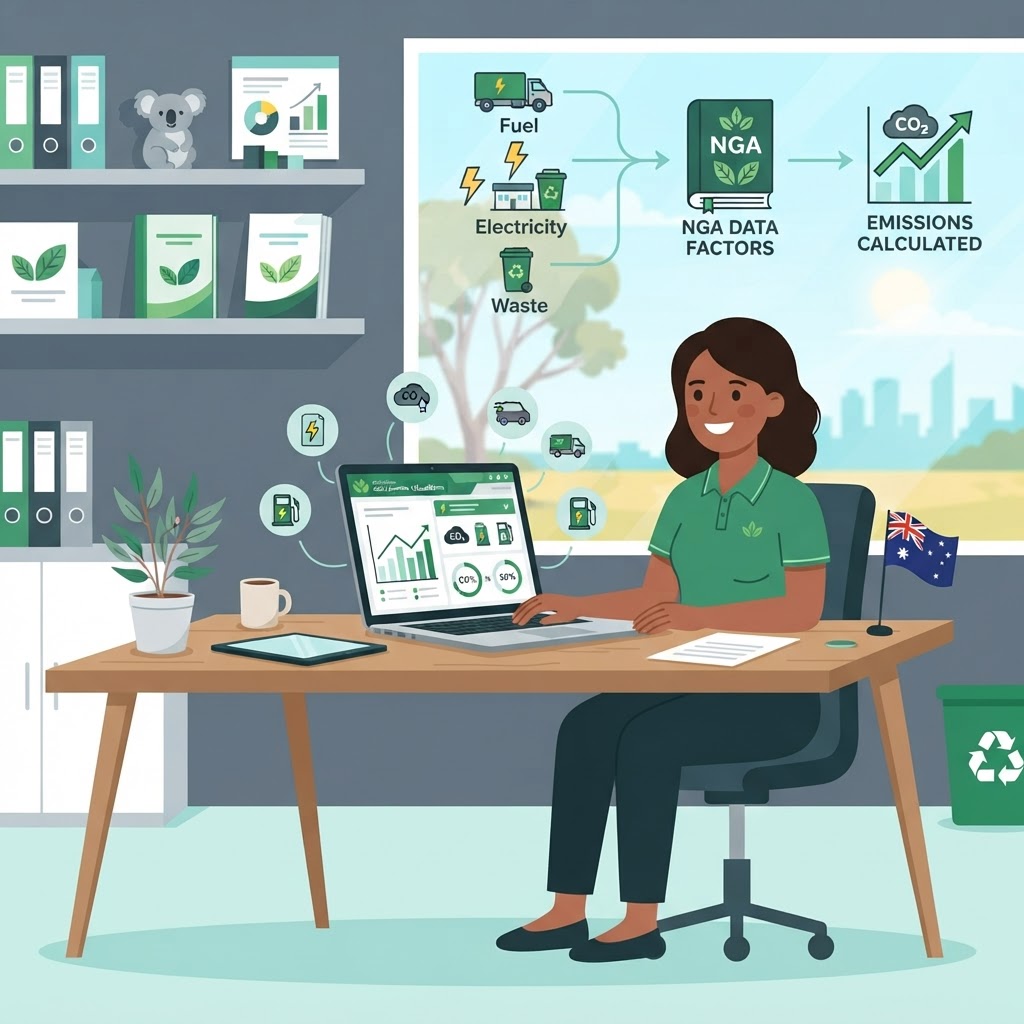
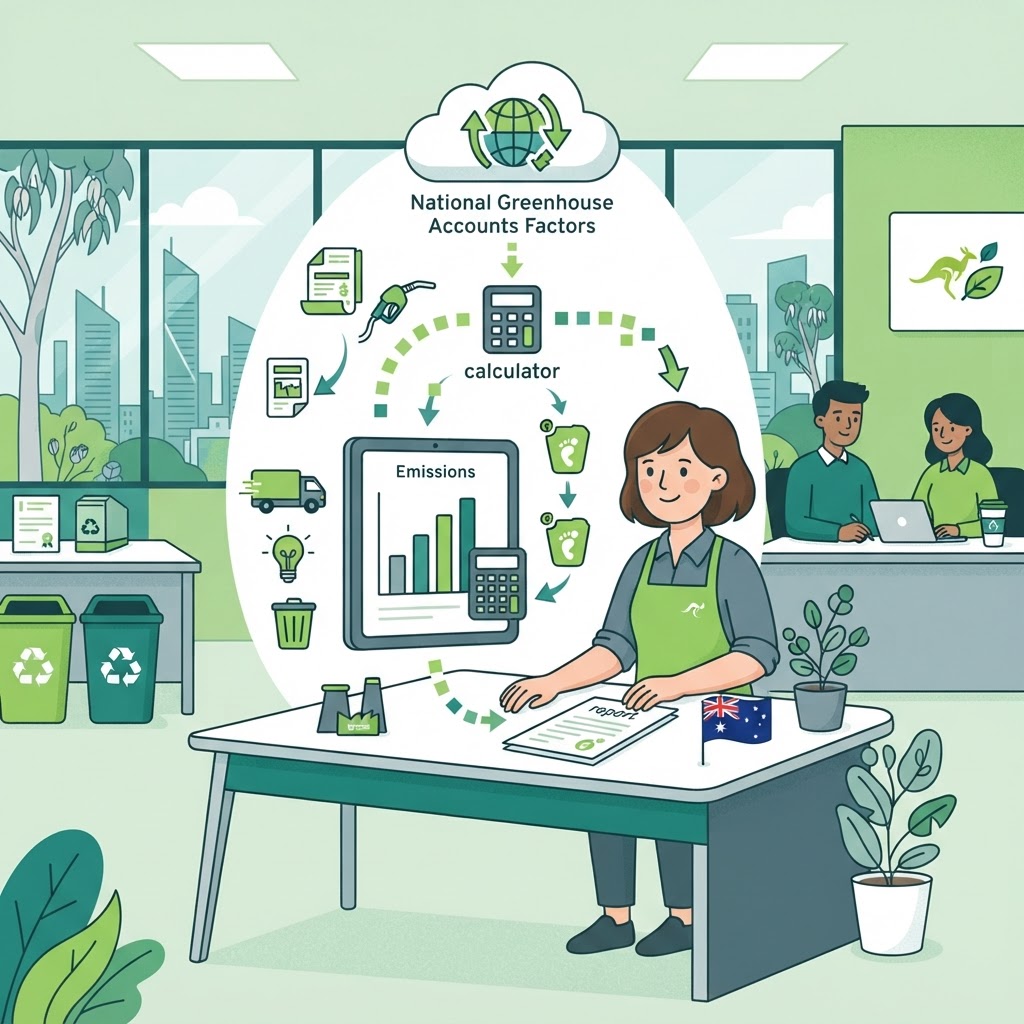
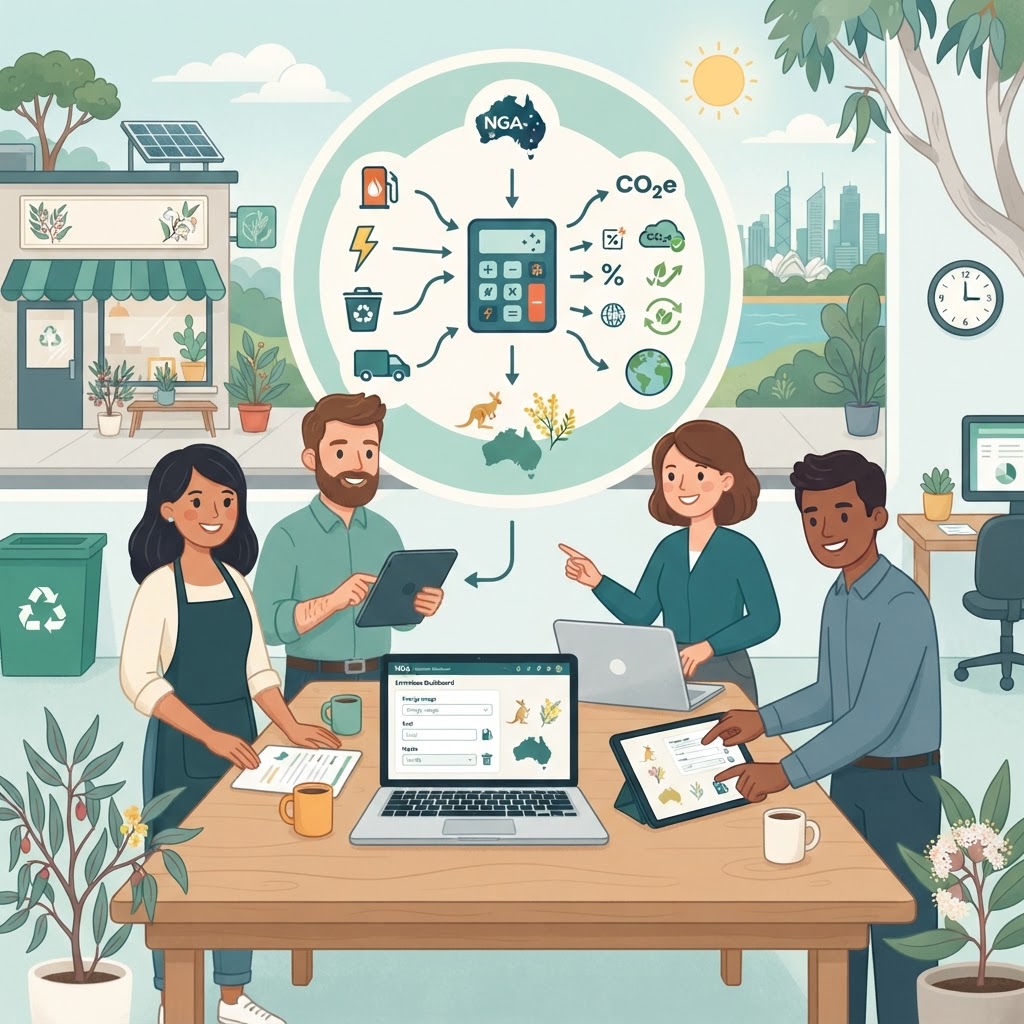
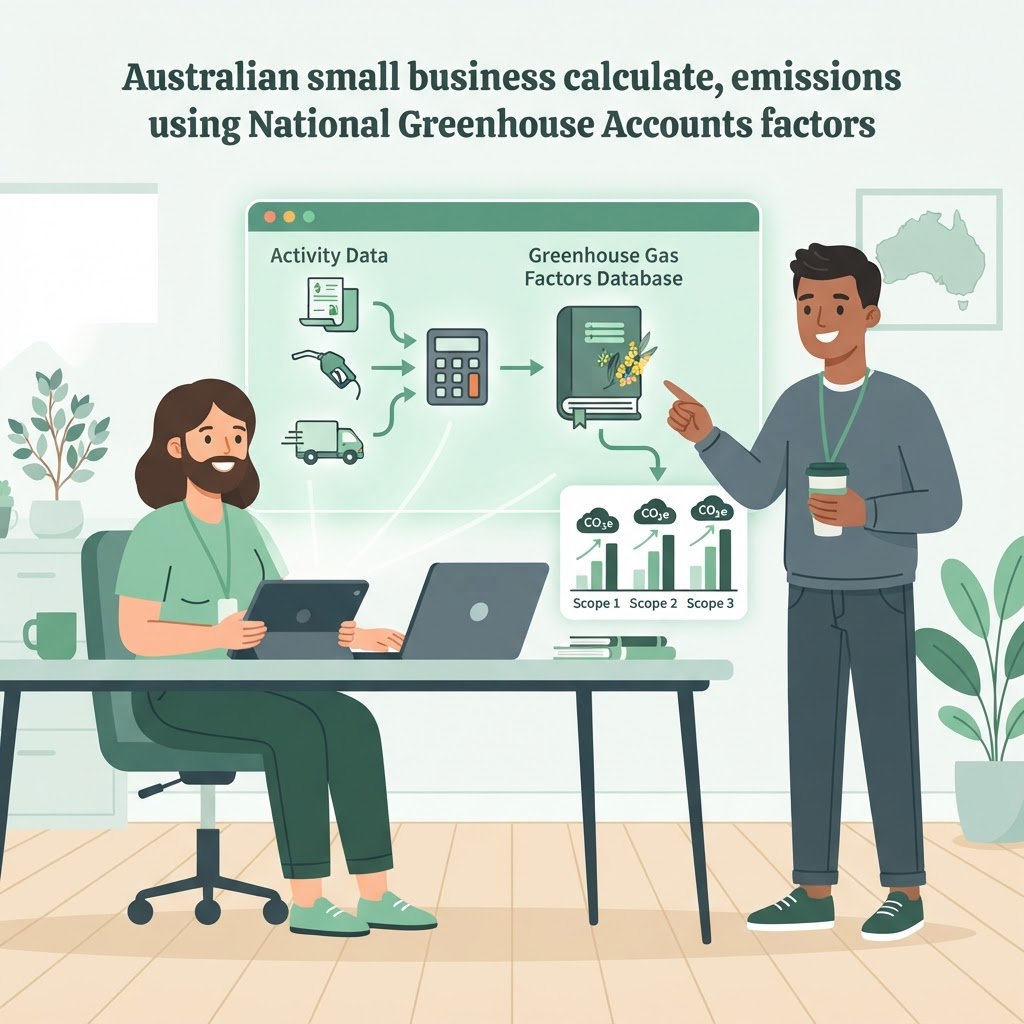
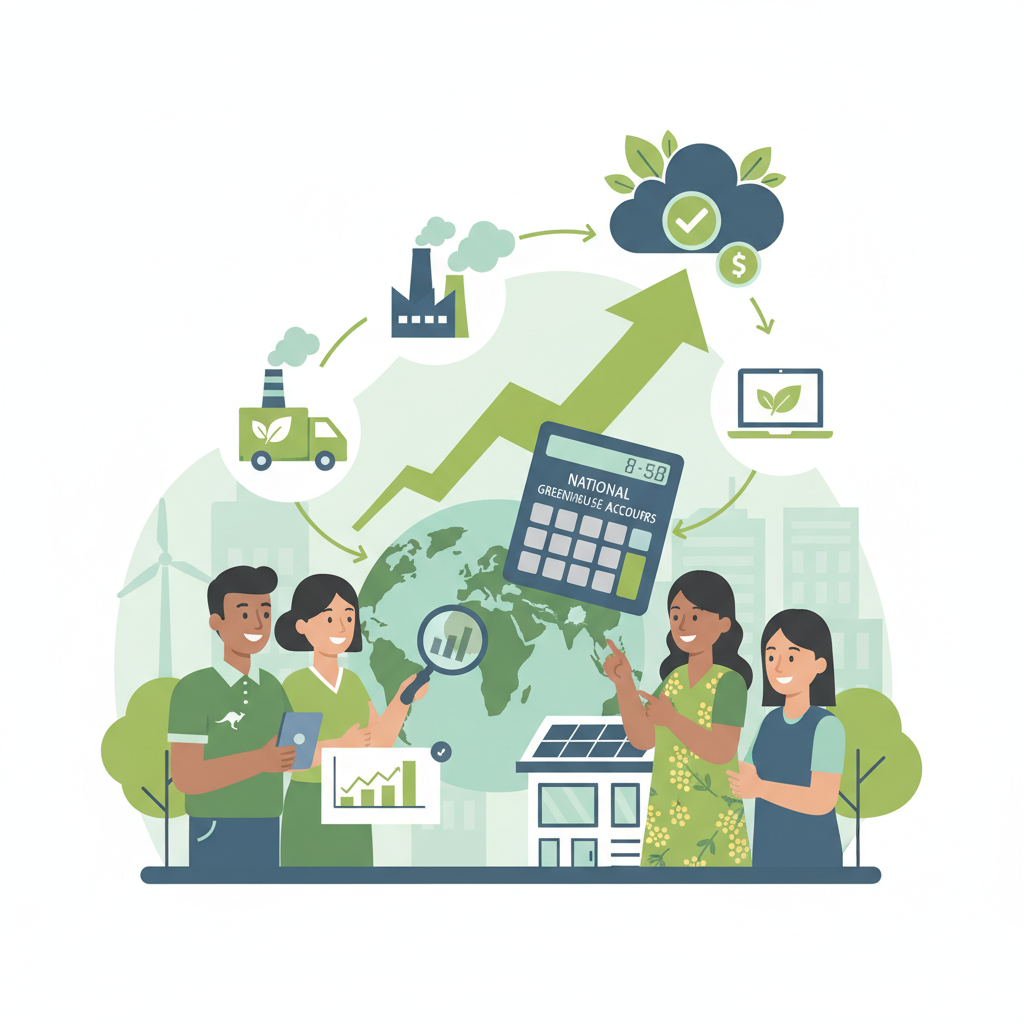
Learn how to use official National Greenhouse Accounts factors to build audit-ready emissions data for competitive Australian sustainability tenders.
Read blog
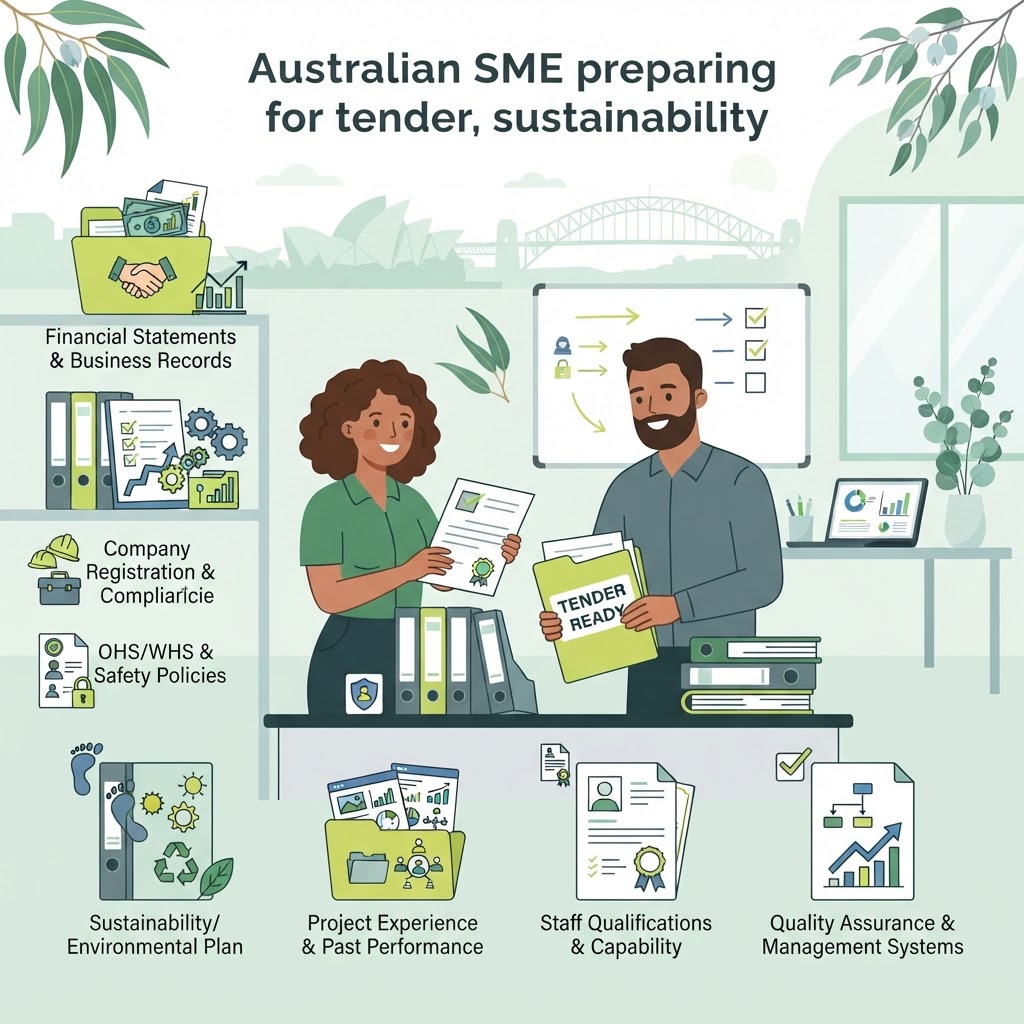
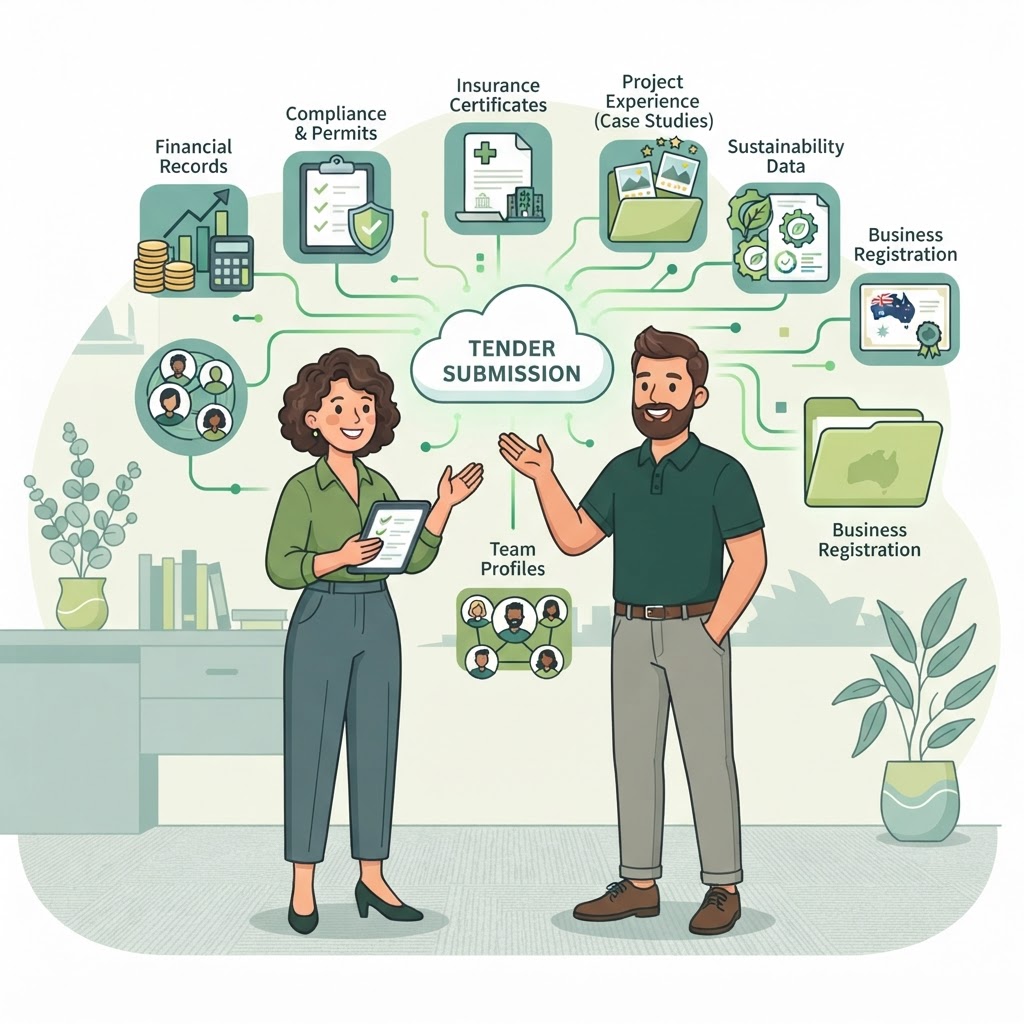
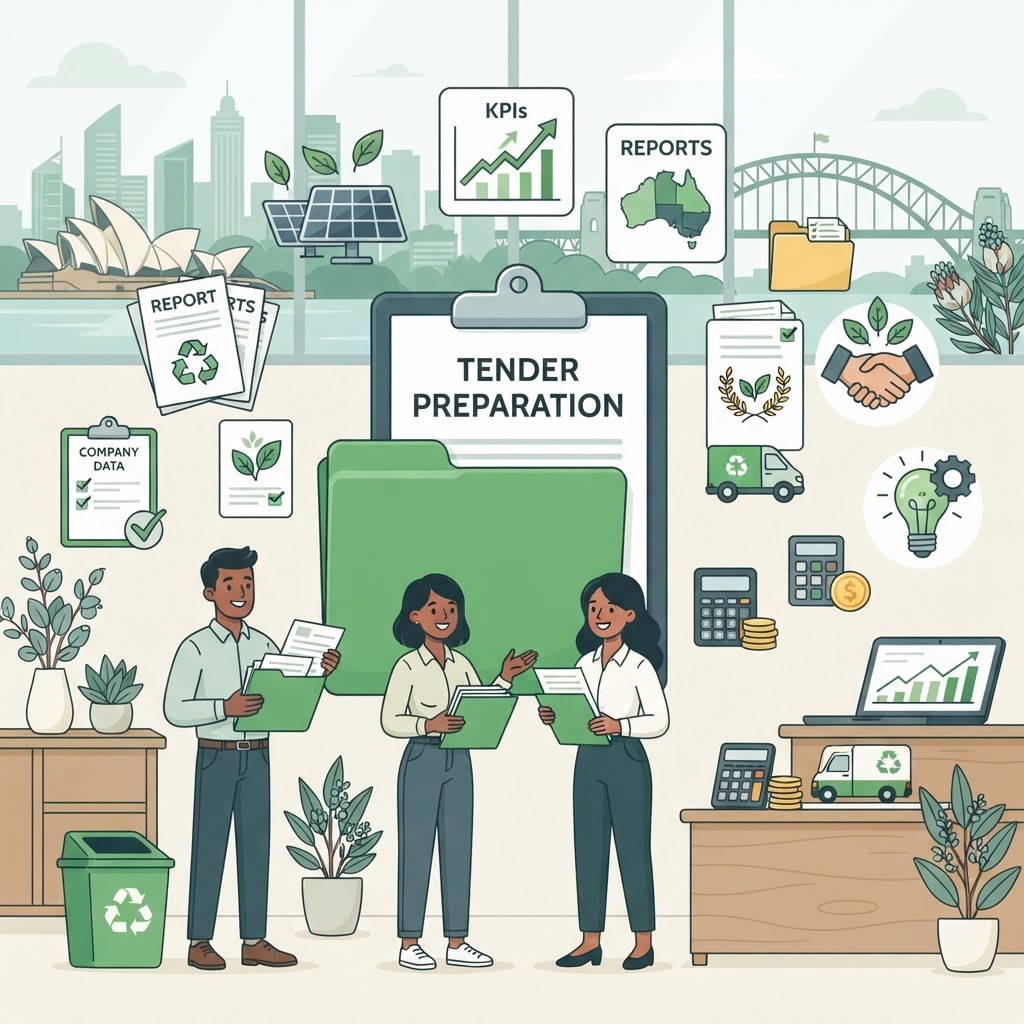
Streamline your next procurement bid by preparing the essential carbon documentation and data evidence required by enterprise buyers.
Read blog
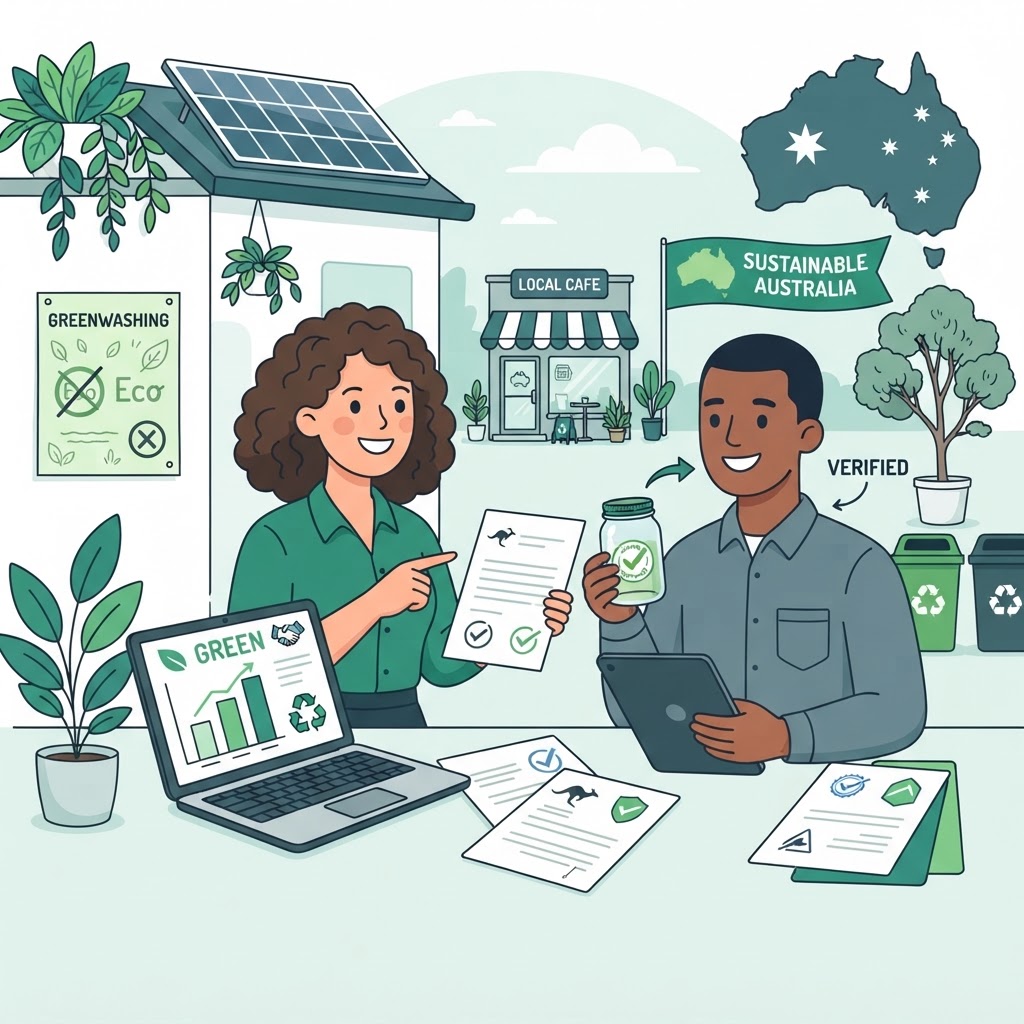
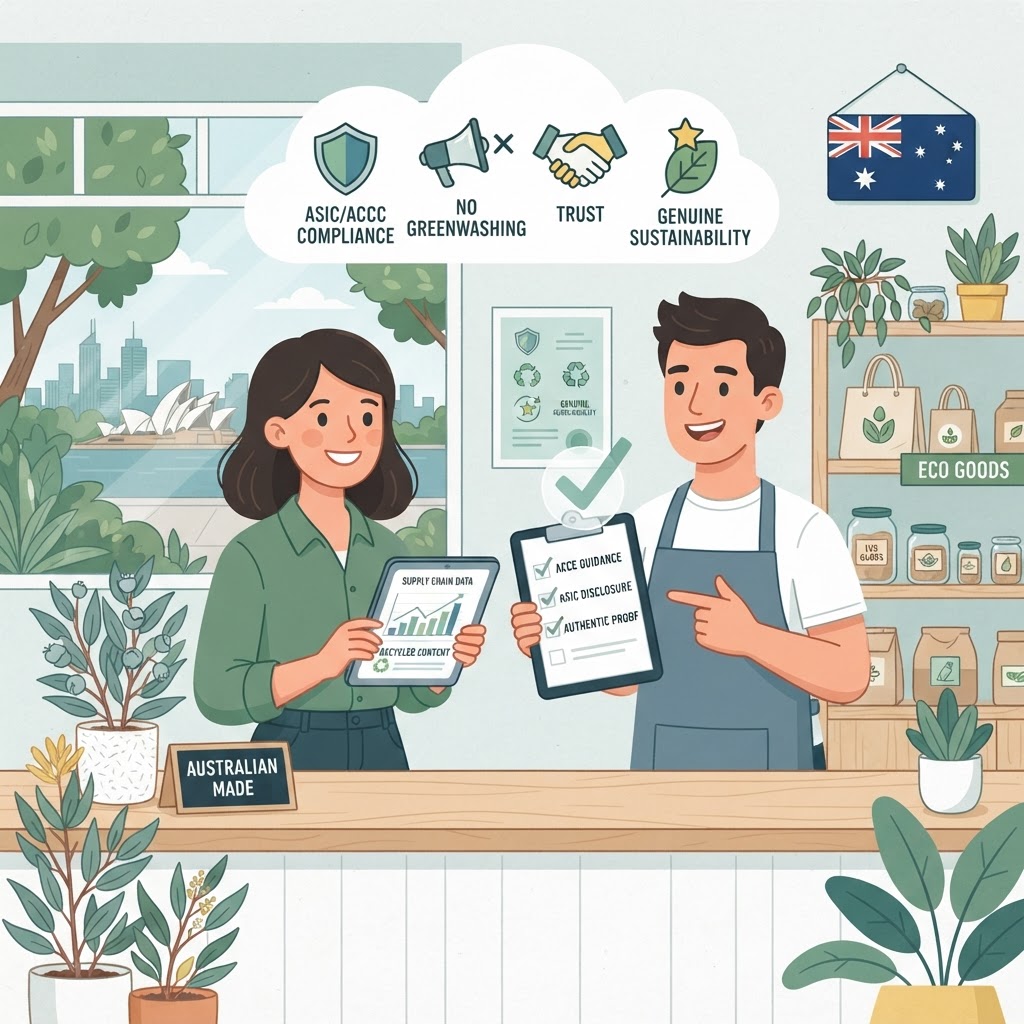
Learn how Australian SMEs can safeguard their reputation and win contracts by aligning sustainability reporting with ACCC and ASIC expectations.
Read blog
Discover how Australian SMEs can build a rigorous, evidence-backed foundation for sustainability tenders by mastering data integrity and reporting transparency.
Read blog
Navigating the complexities of Scope 1, 2, and 3 emissions is essential for Australian SMEs looking to win procurement contracts through credible sustainability reporting.
Read blog
Discover how the AASB S2 climate disclosure standards impact Australian SMEs and why precision in carbon accounting is now a prerequisite for winning government and enterprise contracts.
Read blog
Discover the rigorous validation methods major Australian buyers use to audit SME sustainability claims and how you can prepare to pass.
Read blog
Learn how Australian SMEs can leverage National Greenhouse Accounts factors to build audit-ready, evidence-based emissions reports for high-value tenders.
Read blog
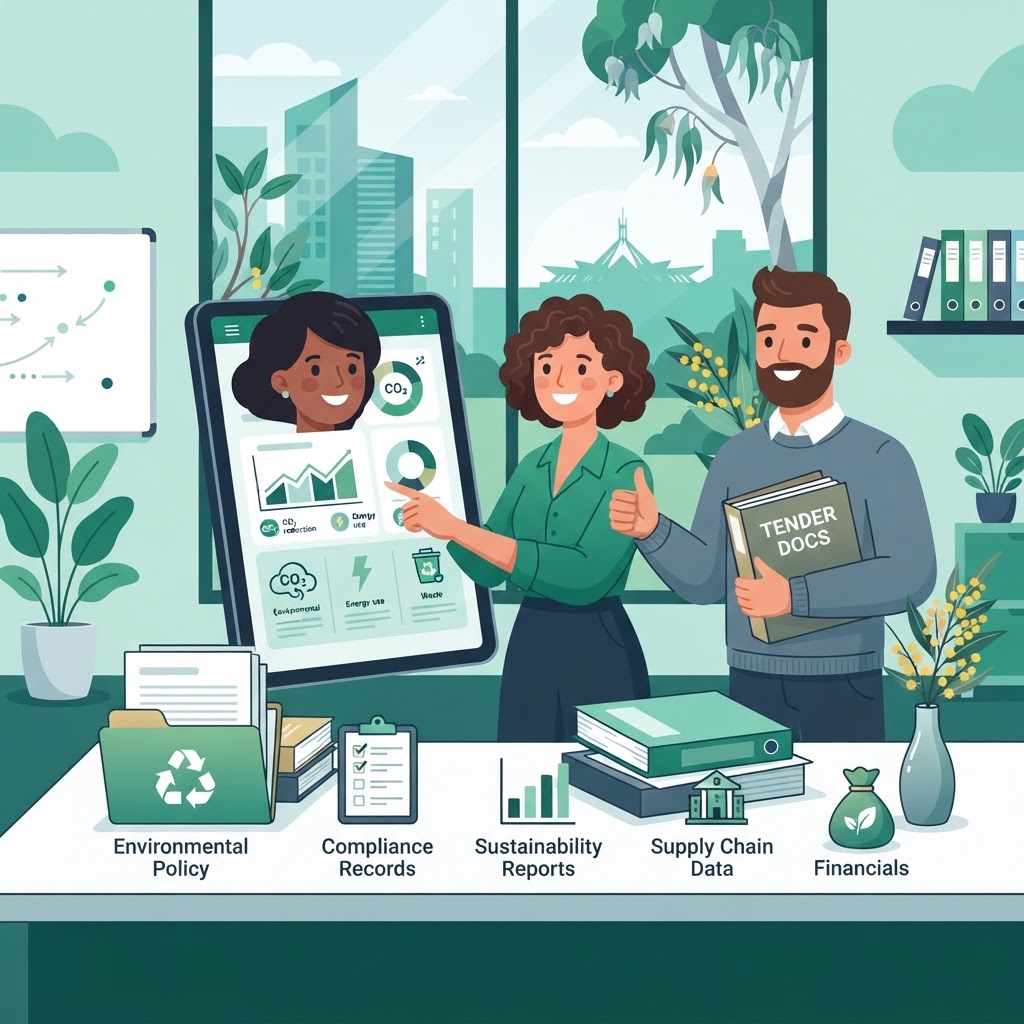
Preparing for a sustainability tender requires more than just good intentions; it demands an evidence-based repository of carbon data and operational documentation.
Read blog
Learn how Australian SMEs can safeguard their procurement bids against greenwashing accusations by aligning carbon accounting with ACCC and ASIC expectations.
Read blog
Learn how Australian SMEs can transform their emissions data into a competitive advantage to secure major government and enterprise contracts.
Read blog
Mastering the complexities of Scope 1, 2, and 3 emissions is no longer optional for Australian SMEs looking to secure major contracts in an increasingly sustainability-conscious market.
Read blog
While AASB S2 primarily targets large entities, the ripple effect on Australian SMEs means that precise emissions reporting is now a non-negotiable requirement for winning major supply chain contracts.
Read blog
Discover the rigorous criteria Australian enterprise buyers use to assess SME sustainability credentials and how to ensure your carbon data stands up to scrutiny.
Read blog
Discover how Australian SMEs can use the latest National Greenhouse Accounts factors to build credible, evidence-backed sustainability tender responses.
Read blog
Streamline your next tender submission by gathering the essential carbon data and evidence-backed documentation Australian SMEs need to win.
Read blog
Learn how Australian SMEs can align with ACCC and ASIC expectations by building evidence-backed sustainability tender responses that avoid greenwashing pitfalls.
Read blog
Elevate your Australian SME's tender competitiveness by mastering the art of crafting evidence-backed sustainability responses, moving beyond claims to verifiable impact.
Read blog
Learn how to demystify carbon classifications to build accurate, defensible sustainability reports that help your SME win more procurement contracts.
Read blog
While AASB S2 targets large entities, Australian SMEs are feeling the ripple effects as major buyers now demand high-integrity climate data.
Read blog
Discover the precise criteria major Australian buyers use to vet SME sustainability claims and how to turn your carbon accounting data into a competitive tender advantage.
Read blog
Learn how Australian SMEs can leverage National Greenhouse Accounts factors to build ironclad, evidence-backed sustainability tender responses.
Read blog
Prepare your SME for competitive procurement by auditing your carbon data and documentation before the tender deadline hits.
Read blog
Learn how Australian SMEs can align their sustainability disclosures with ACCC and ASIC expectations to win government and corporate tenders.
Read blog
Learn how to transform your carbon data into a competitive advantage for Australian procurement tenders by focusing on transparency and verifiable evidence.
Read blog
Demystify the complexities of Scope 1, 2, and 3 emissions to build competitive, evidence-backed sustainability tender responses for Australian SMEs.
Read blog
Discover how the AASB S2 climate disclosure standard creates a ripple effect for Australian SMEs in the procurement supply chain.
Read blog
Discover how large Australian buyers evaluate SME sustainability claims and how you can prepare evidence-backed tender responses that stand up to scrutiny.
Read blog
Discover how Australian SMEs can leverage National Greenhouse Accounts factors to build audit-ready, evidence-based emissions reports for high-stakes tenders.
Read blog
Streamline your next tender submission by gathering the precise environmental data required to prove your sustainability claims.
Read blog
Learn how Australian SMEs can safeguard their reputation and win tenders by aligning their carbon accounting with ACCC and ASIC expectations.
Read blog
Learn how Australian SMEs can leverage precision carbon accounting to transform sustainability tender responses from generic claims into evidence-backed competitive advantages.
Read blog
Demystify the complexities of carbon accounting with our breakdown of Scope 1, 2, and 3 emissions tailored for Australian SMEs preparing for sustainability tenders.
Read blog
While AASB S2 primarily targets large entities, Australian SMEs in their supply chains are feeling the pressure to provide high-quality climate data to remain competitive in procurement.
Read blog
Discover how large Australian buyers evaluate SME sustainability claims and what data you need to win tenders in an era of strict climate scrutiny.
Read blog
National Greenhouse Accounts factors provide the regulated methodology Australian SMEs need to produce defensible, evidence-backed emissions data for sustainability tenders.
Read blog
Australian SMEs can win more sustainability tenders by pre-assembling an evidence file of emissions data, methodology statements, and governance records.
Read blog
Discover strategies for Australian SMEs to avoid greenwashing and ensure compliance in sustainability initiatives.
Read blog
Empower your small business with evidence-backed sustainability tender responses that shine in competitive procurement processes.
Read blog
Learn how understanding Scope 1, 2, and 3 emissions can enhance sustainability responses for SMEs in Australia.
Read blog
Explore how AASB S2 affects Australian SMEs in carbon accounting and sustainability tenders.
Read blog
Understanding how large buyers assess sustainability credentials is vital for SMEs aiming for impactful tender responses.
Read blog
Learn how Australian SMEs can leverage National Greenhouse Accounts factors to enhance emissions reporting for sustainability tenders.
Read blog
A guide for Australian SMEs on the vital documents and data to collect before responding to sustainability tenders.
Read blog
Learn how Australian SMEs can meet ACCC and ASIC expectations while avoiding greenwashing in sustainability tenders.
Read blog
A guide for SMEs on crafting evidence-backed sustainability tender responses that meet Australian standards.
Read blog
A guide for Australian SMEs on how to navigate Scope 1, 2, and 3 emissions for effective sustainability reporting.
Read blog
Understanding AASB S2 is crucial for Australian SMEs to excel in sustainability tenders.
Read blog
Discover how large buyers assess sustainability credentials and what SMEs need to know for competitive advantage in procurement.
Read blog
Discover how Australian SMEs can accurately calculate emissions using National Greenhouse Accounts factors to enhance sustainability tender responses.
Read blog
Ensure your SME is prepared for sustainability tenders with this essential document checklist.
Read blog
Learn how Australian SMEs can avoid greenwashing and adhere to ACCC and ASIC guidelines in sustainability tenders.
Read blog
Learn how Australian SMEs can effectively prepare evidence-backed sustainability tender responses to enhance their procurement outcomes.
Read blog
Unlock the essentials of Scope 1, 2, and 3 emissions and their significance for SMEs in the sustainability tender landscape.
Read blog
Explore what AASB S2 climate disclosure means for SMEs navigating sustainability compliance in Australia.
Read blog
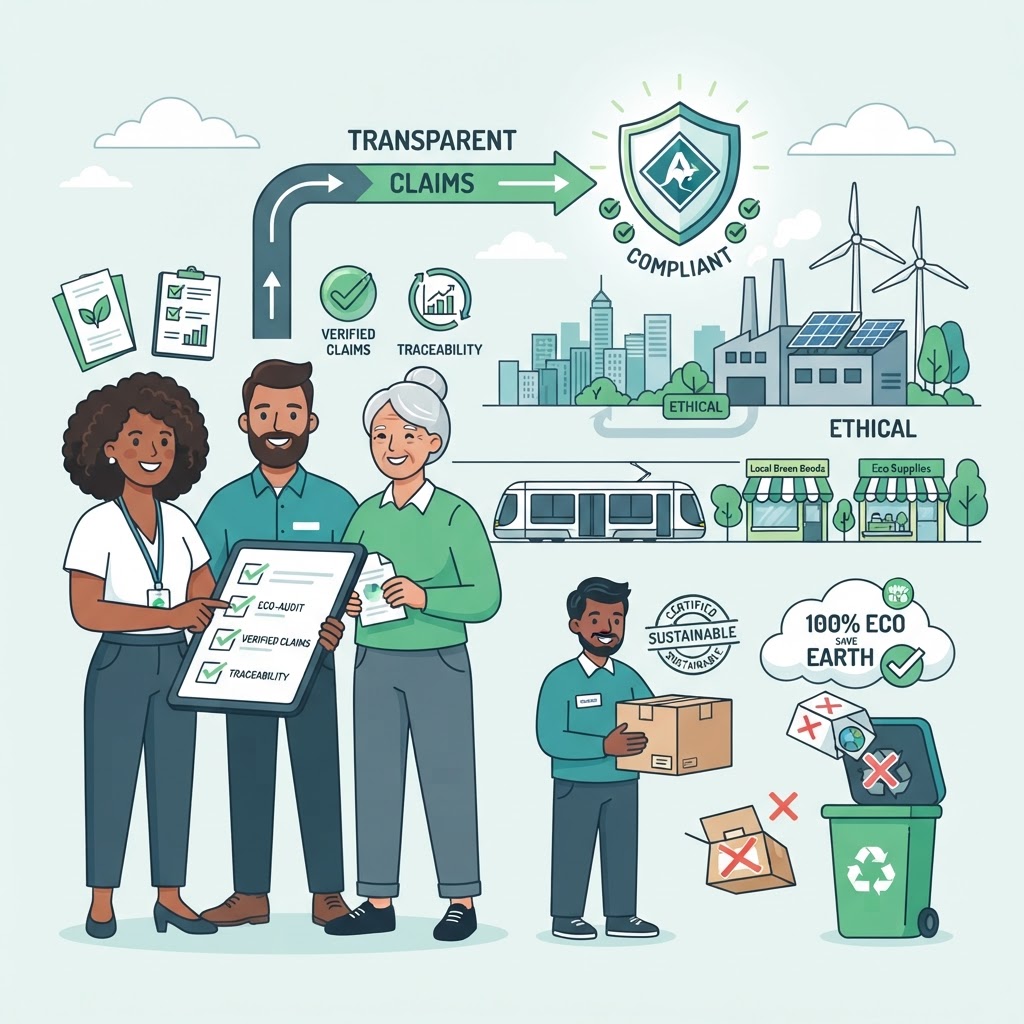
For Australian SMEs, the pressure to demonstrate climate action in procurement has never been higher. As major buyers increasingly demand transparency, the line between ambitious sustainability goals and misleading environmental claims has become a major focus for regulators. Navigating this landscape requires more than just good intentions; it requires a rigorous, evidence-backed approach to emissions reporting that stands up to scrutiny from both stakeholders and the ACCC.
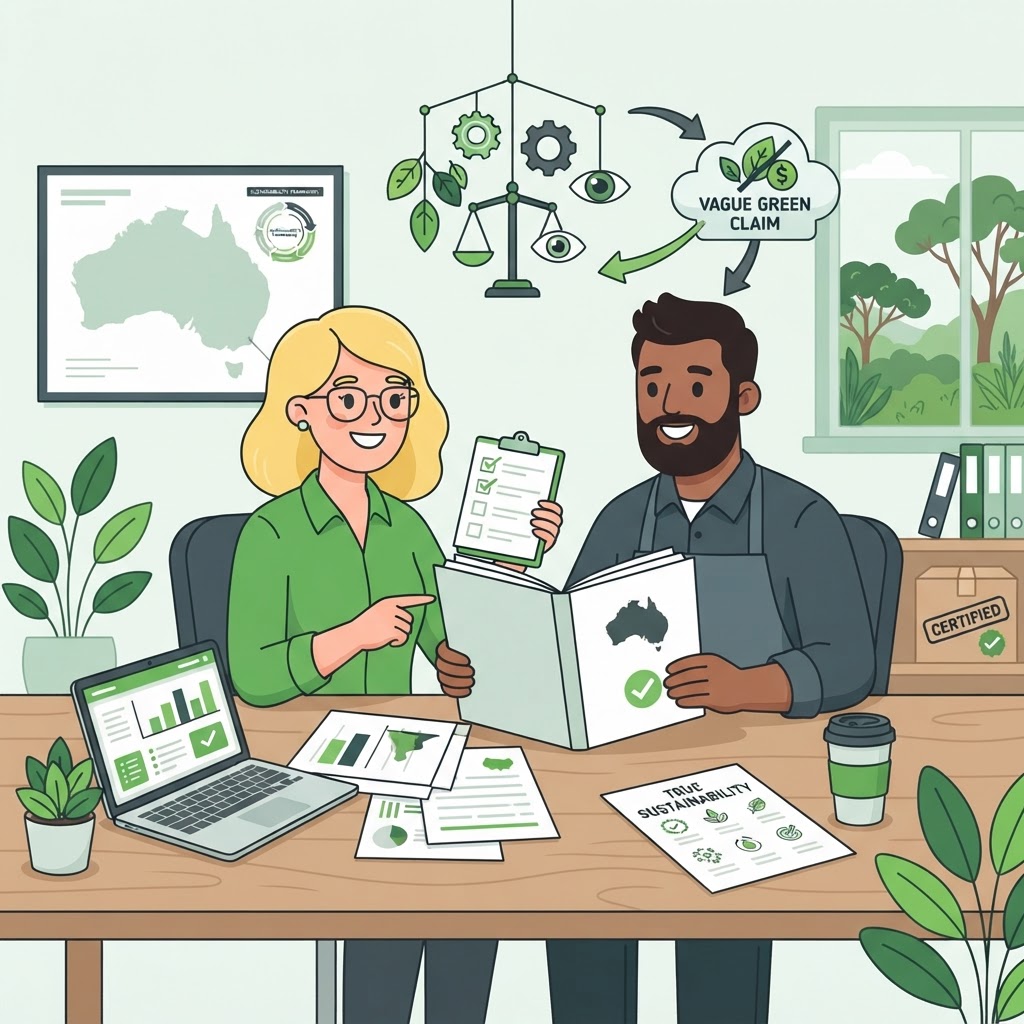
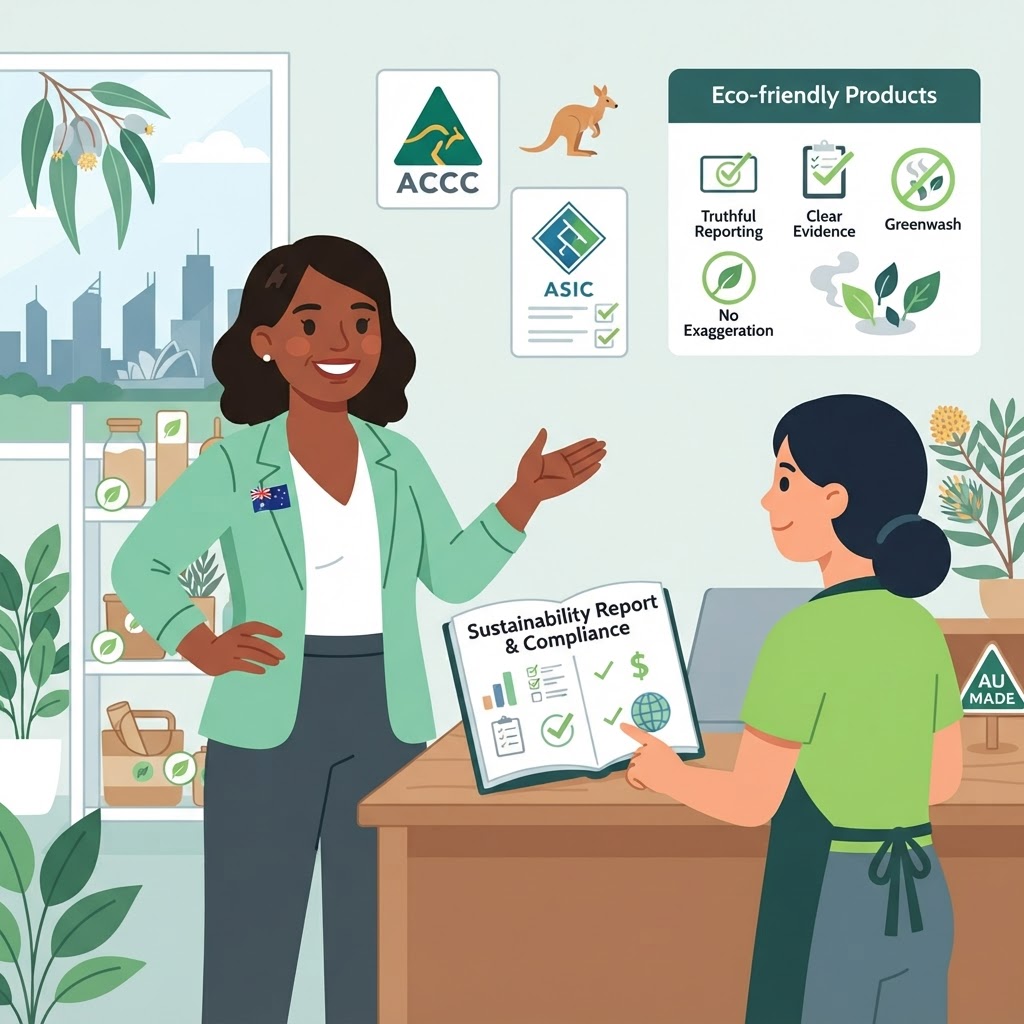
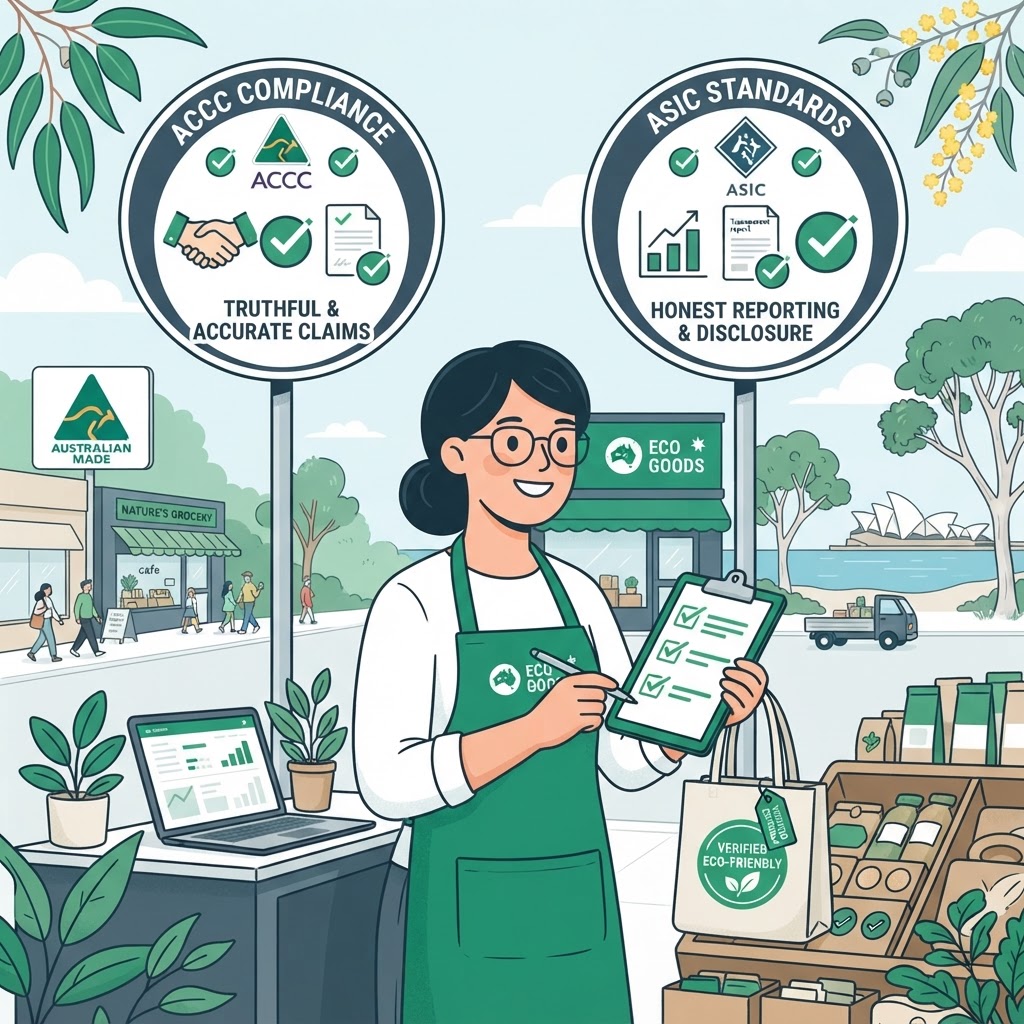
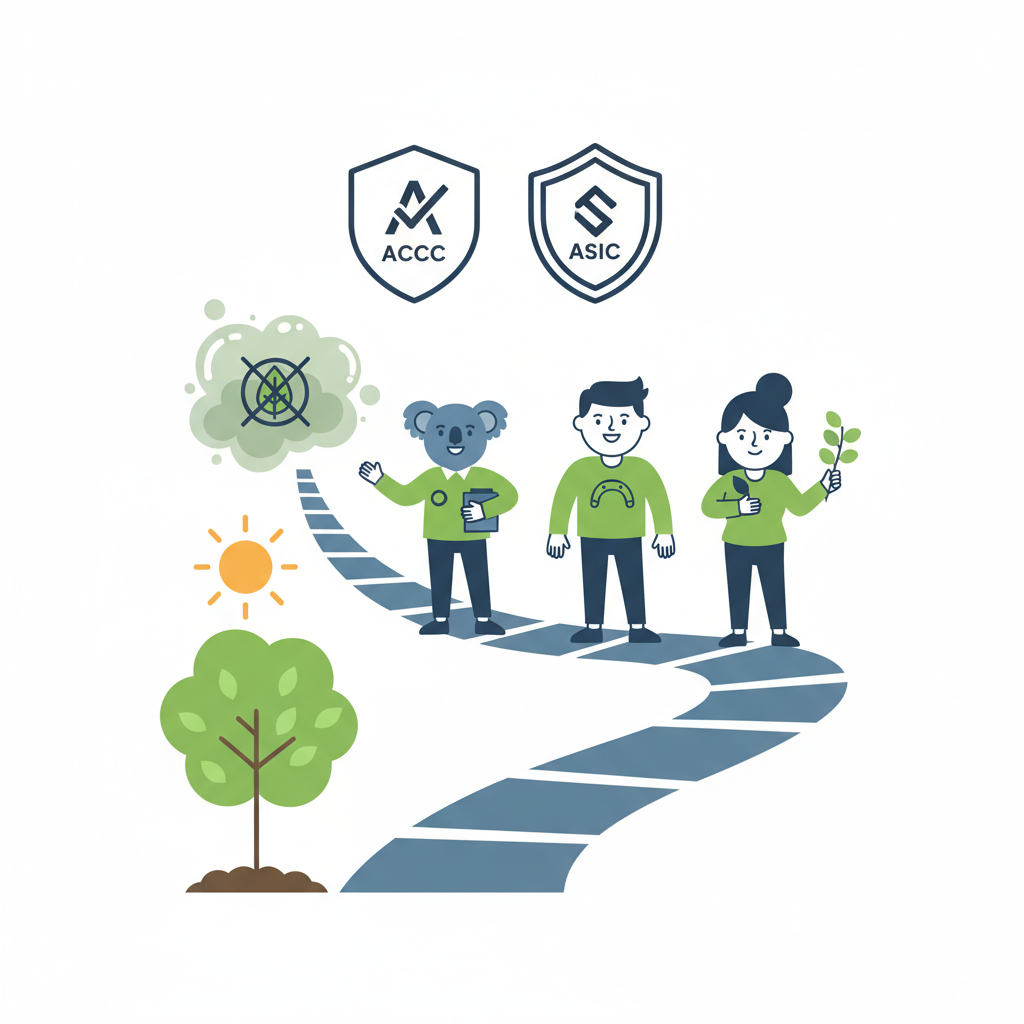
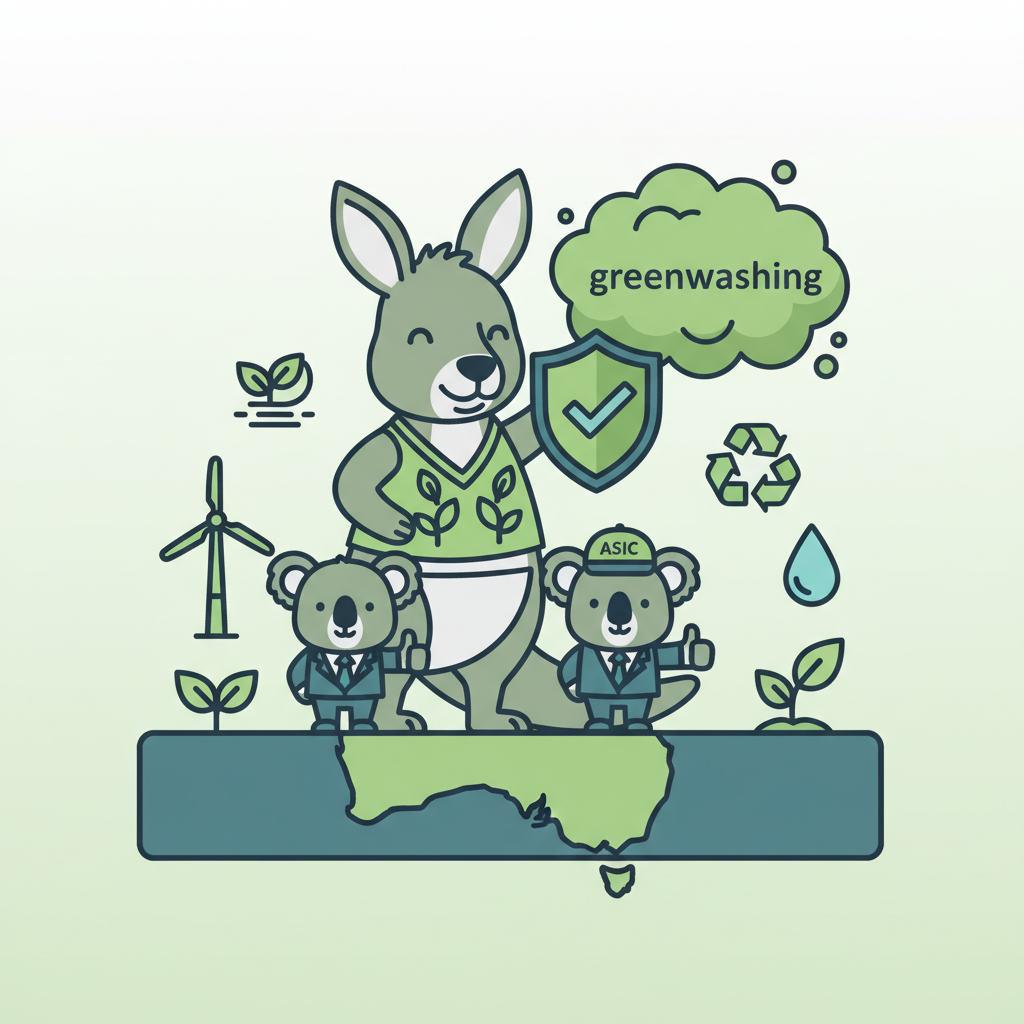
Regulatory bodies in Australia have made it clear that sustainability claims must be supported by verifiable evidence. ASIC’s INFO 271 guidance serves as a critical framework for companies, emphasising that environmental claims must be based on reasonable grounds and not be misleading. Similarly, the ACCC is actively monitoring the market for greenwashing, targeting businesses that use vague terminology like 'eco-friendly' or 'net-zero' without a clear transition plan. For SMEs, this means any claim made in a sustainability tender must be quantifiable, accurate, and substantiated by reliable data.
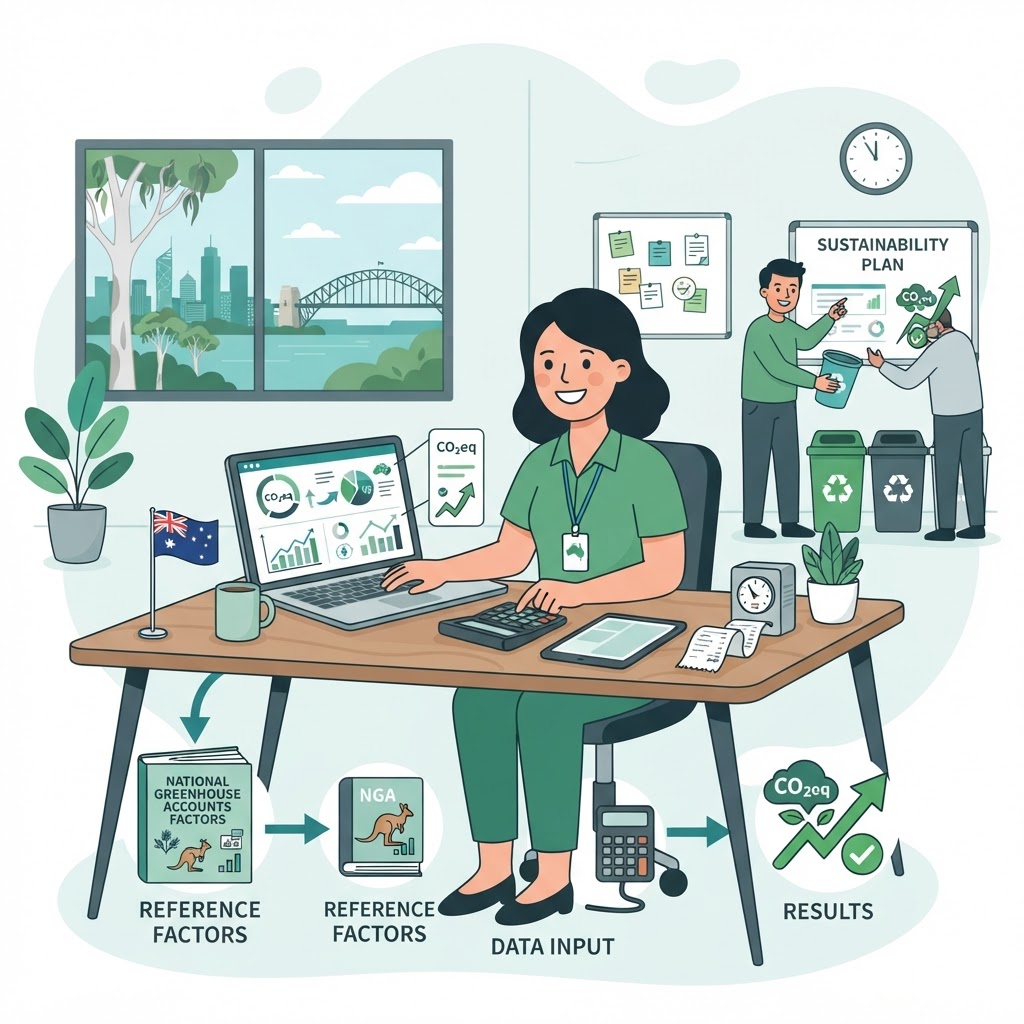
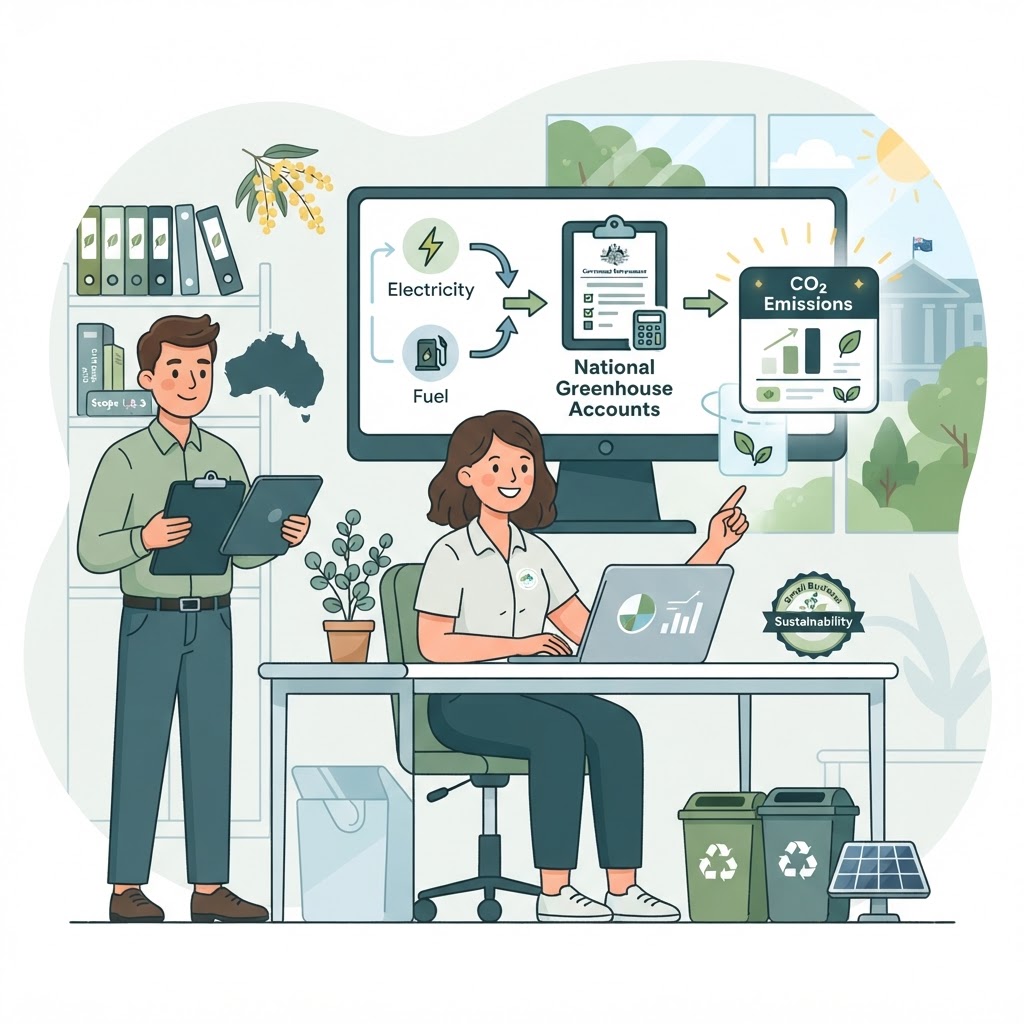
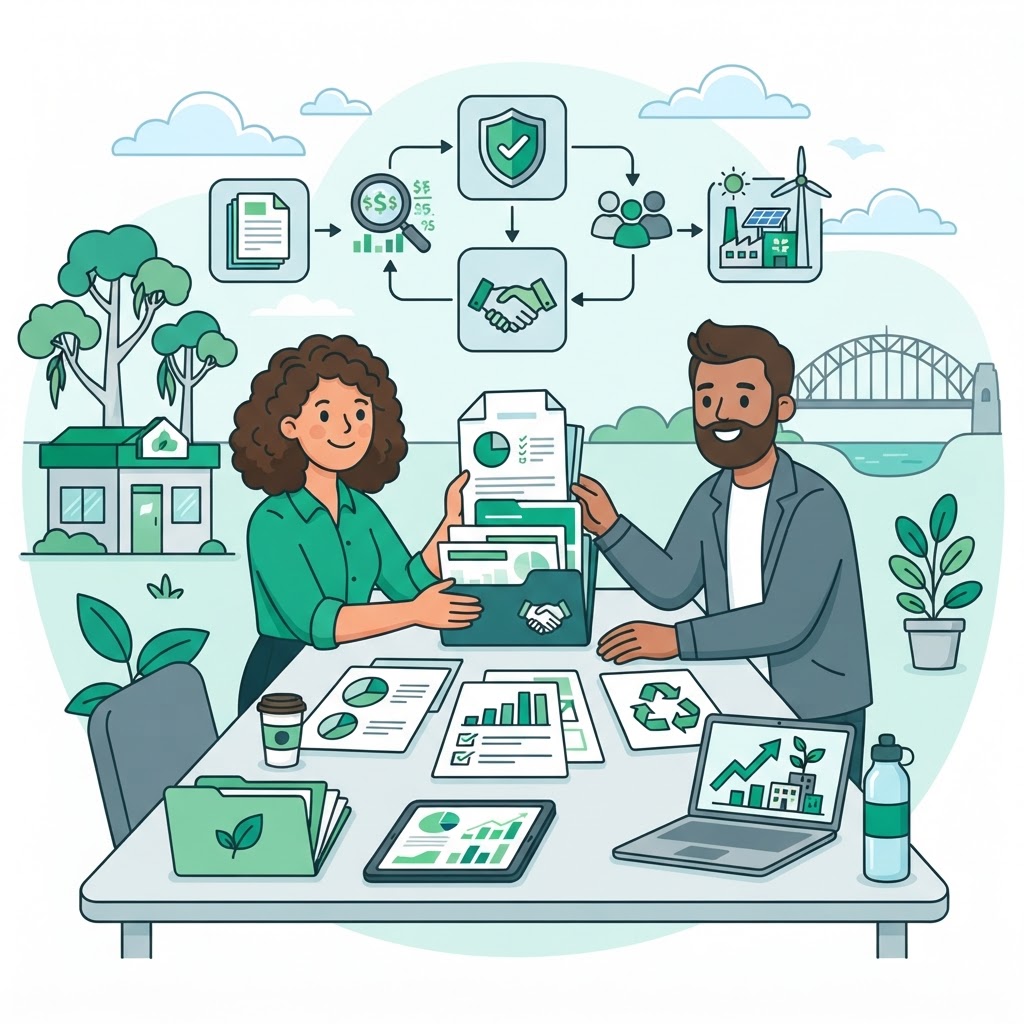
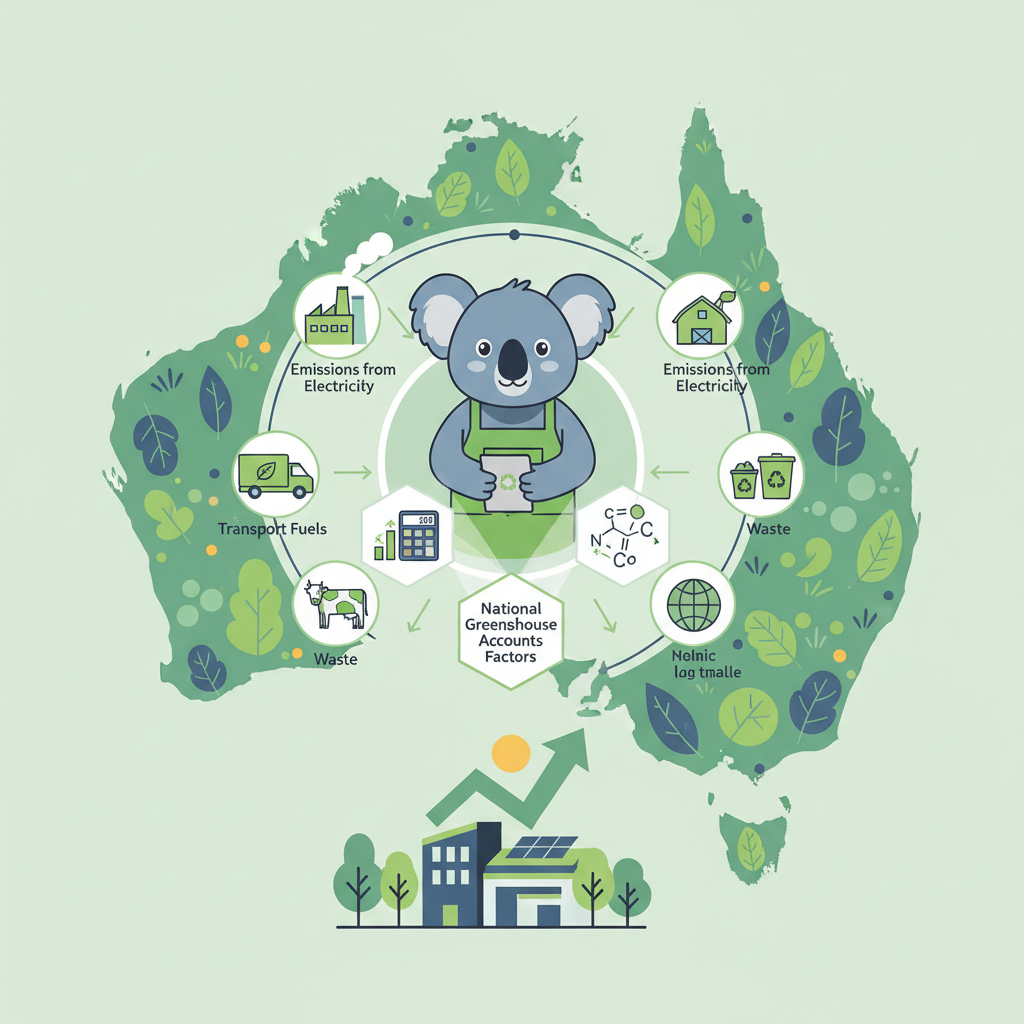
To avoid the pitfalls of greenwashing, SMEs must transition from estimation to precise carbon accounting. Relying on generalised industry averages is no longer sufficient for complex procurement processes. By utilizing NGA factors (National Greenhouse Accounts factors), businesses can align their emissions reporting with the gold standard required by Australian government agencies and private sector supply chains. Proper carbon accounting provides an audit trail that transforms a vague claim into a robust, defensible data point that procurement officers can trust.
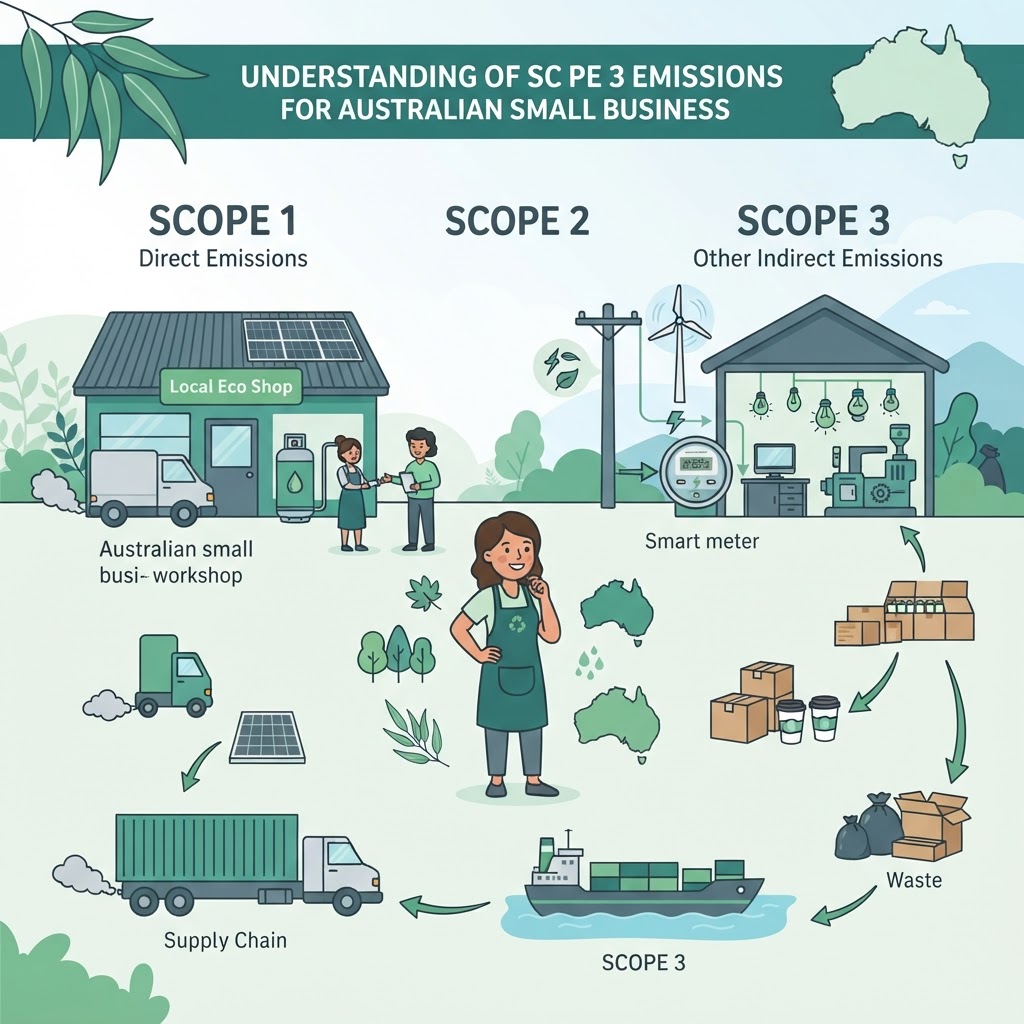
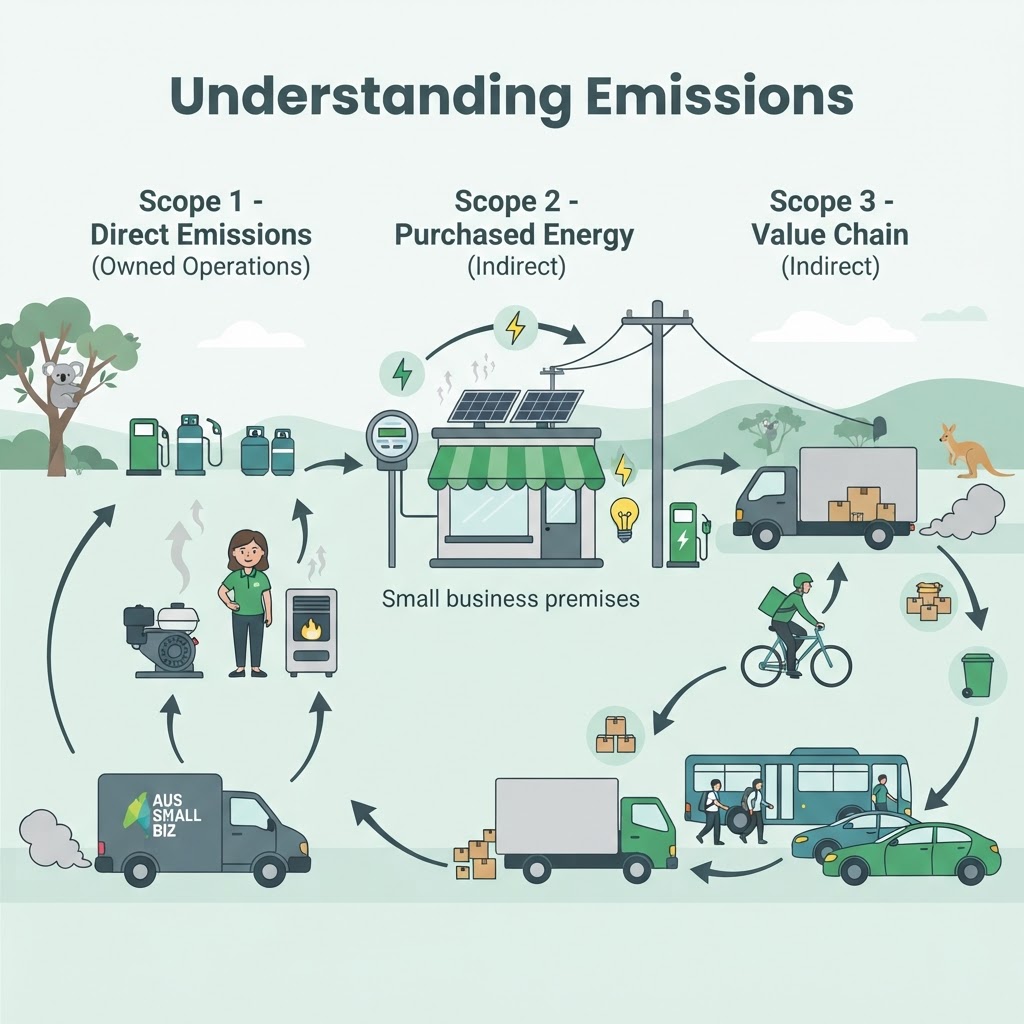
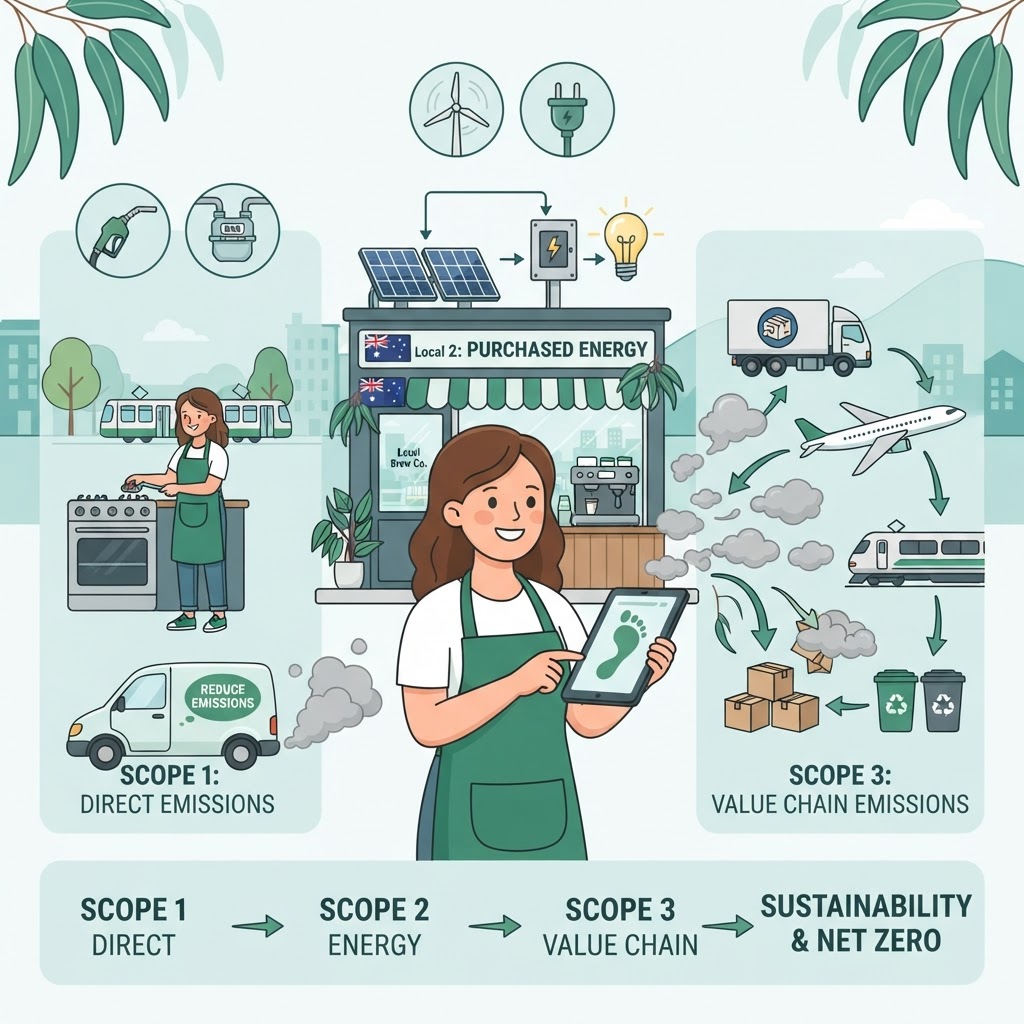
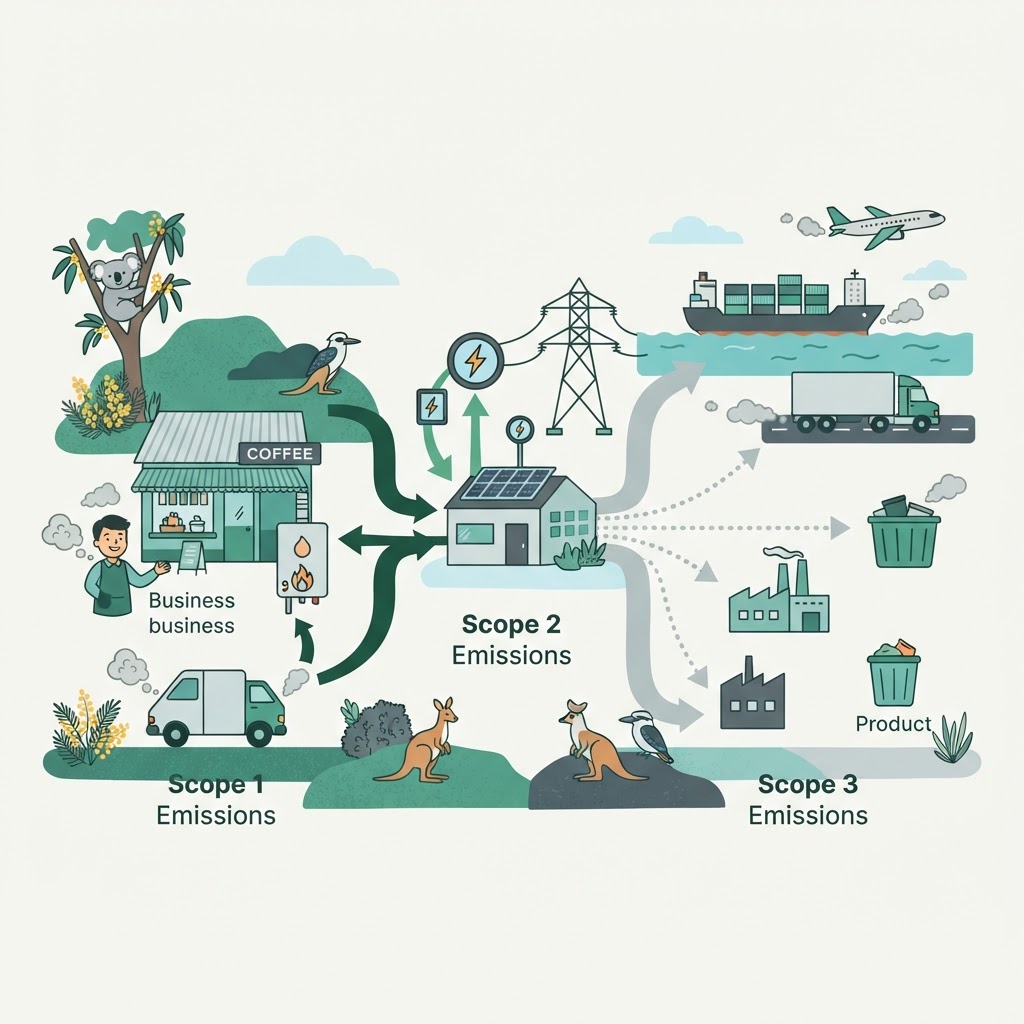
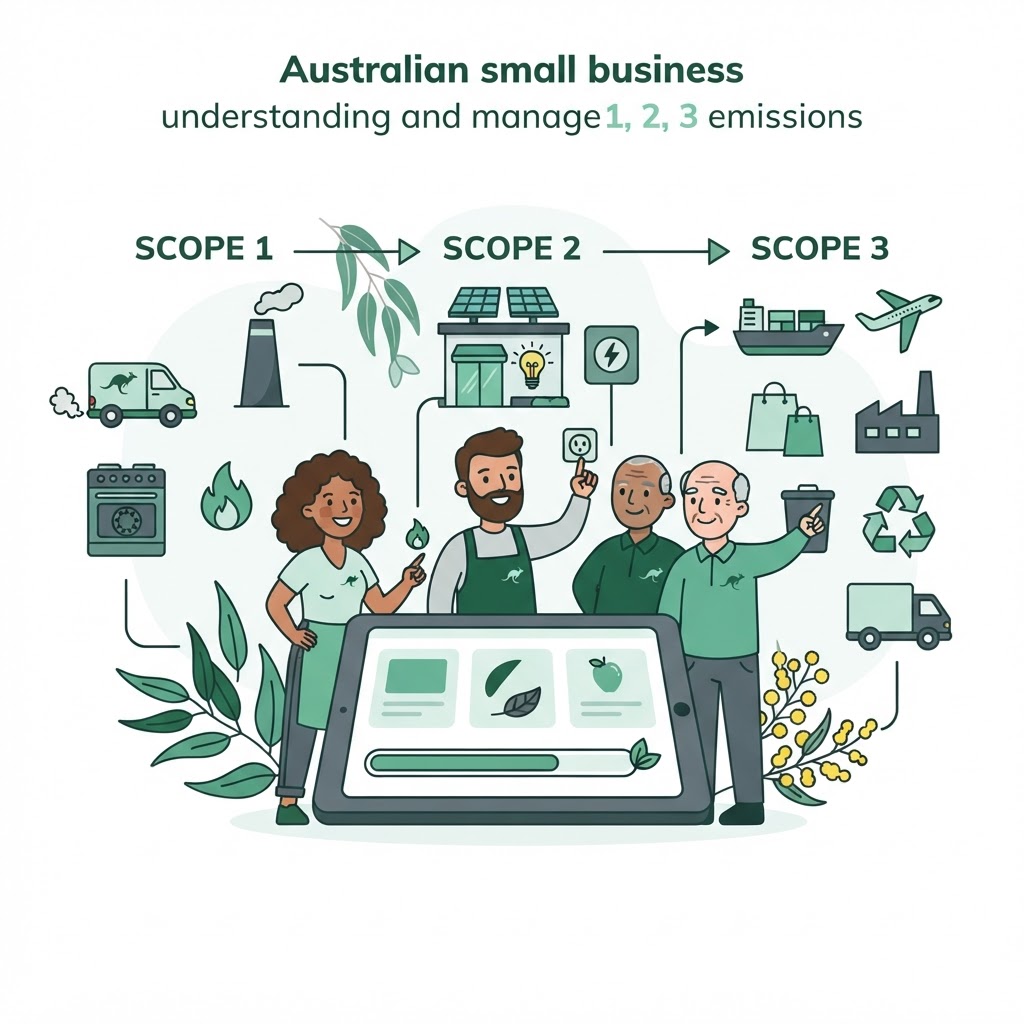
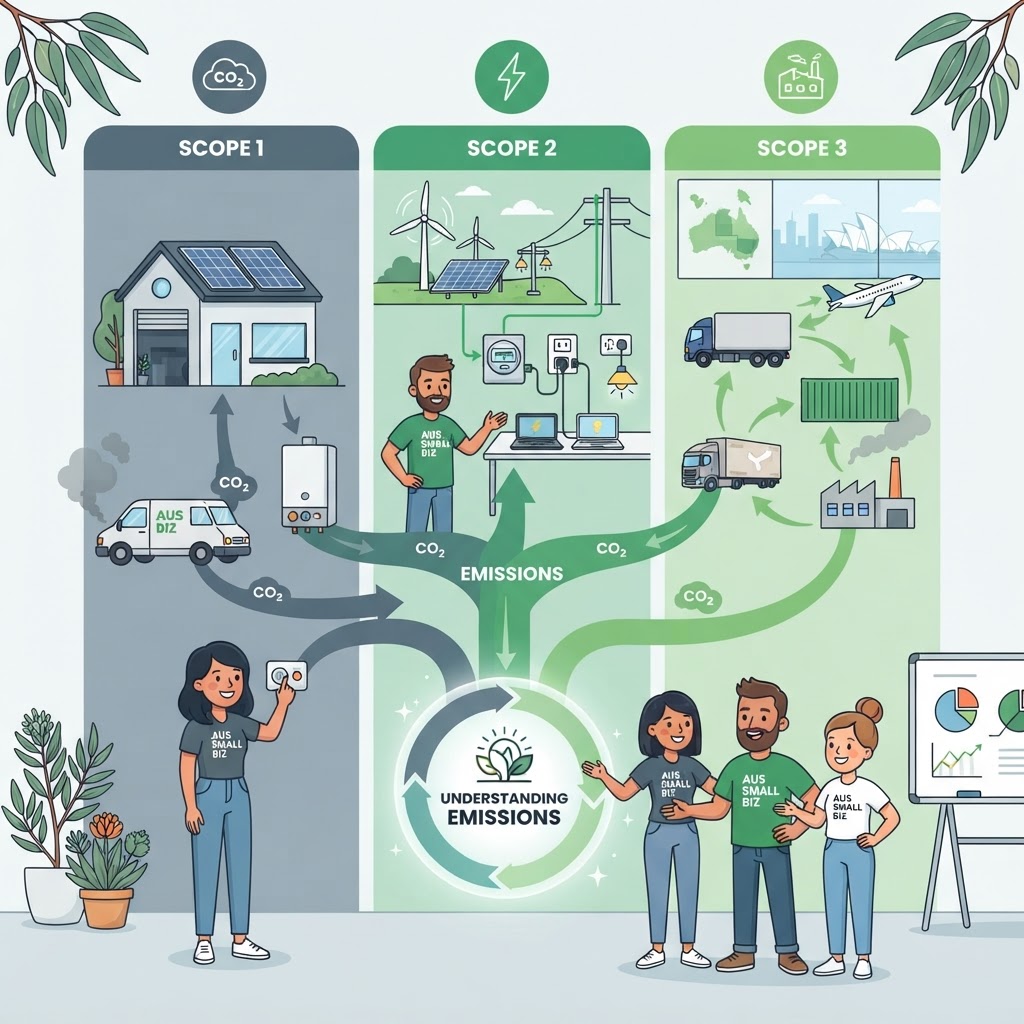
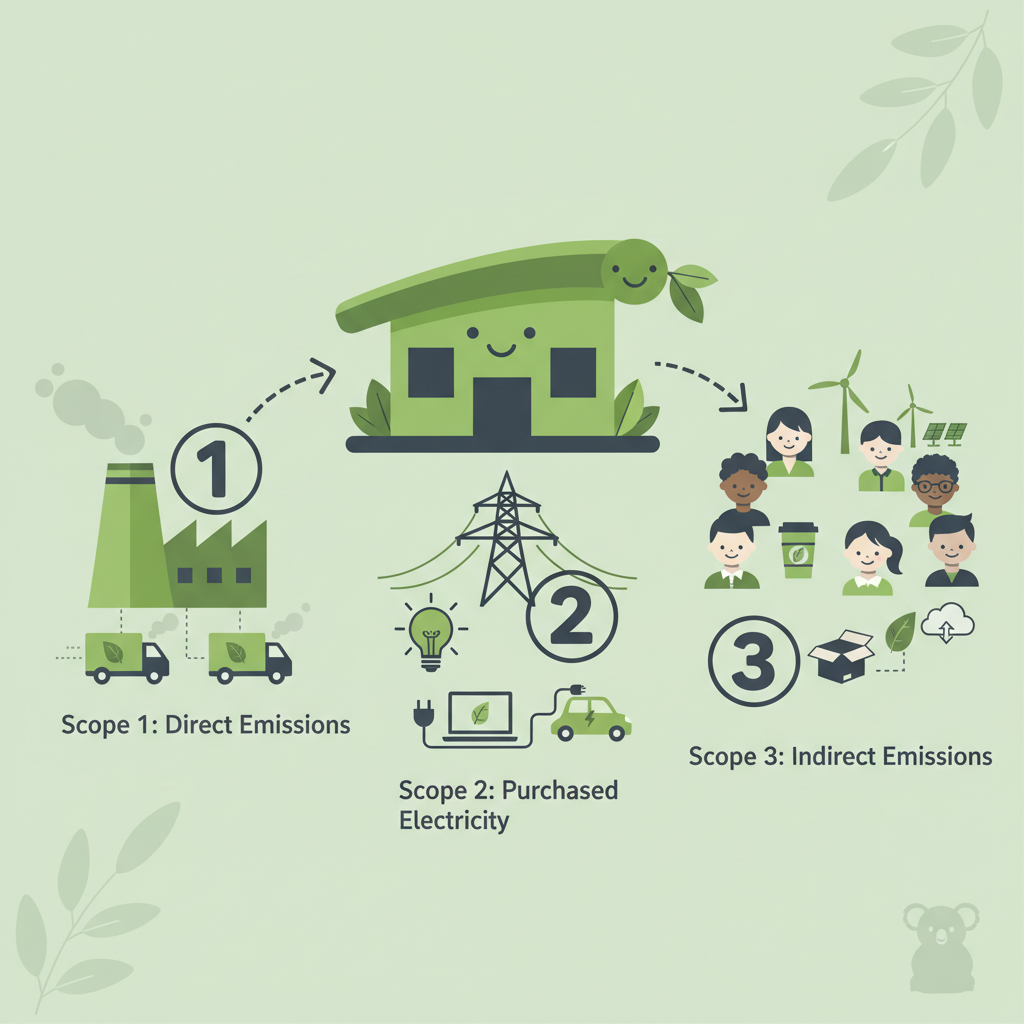
Transparency in sustainability reporting hinges on the comprehensive coverage of Scope 1, 2, and 3 emissions. While Scope 1 and 2 are often easier to measure, Scope 3—the indirect emissions within your value chain—is where many SMEs falter and inadvertently open themselves to greenwashing accusations. By mapping the full lifecycle of your carbon footprint, you demonstrate to buyers that you understand your true environmental impact. An evidence-backed approach using platforms like ScopeTrack allows SMEs to clearly document how their footprint is calculated, ensuring consistency with the standards expected under emerging frameworks like AASB S2.
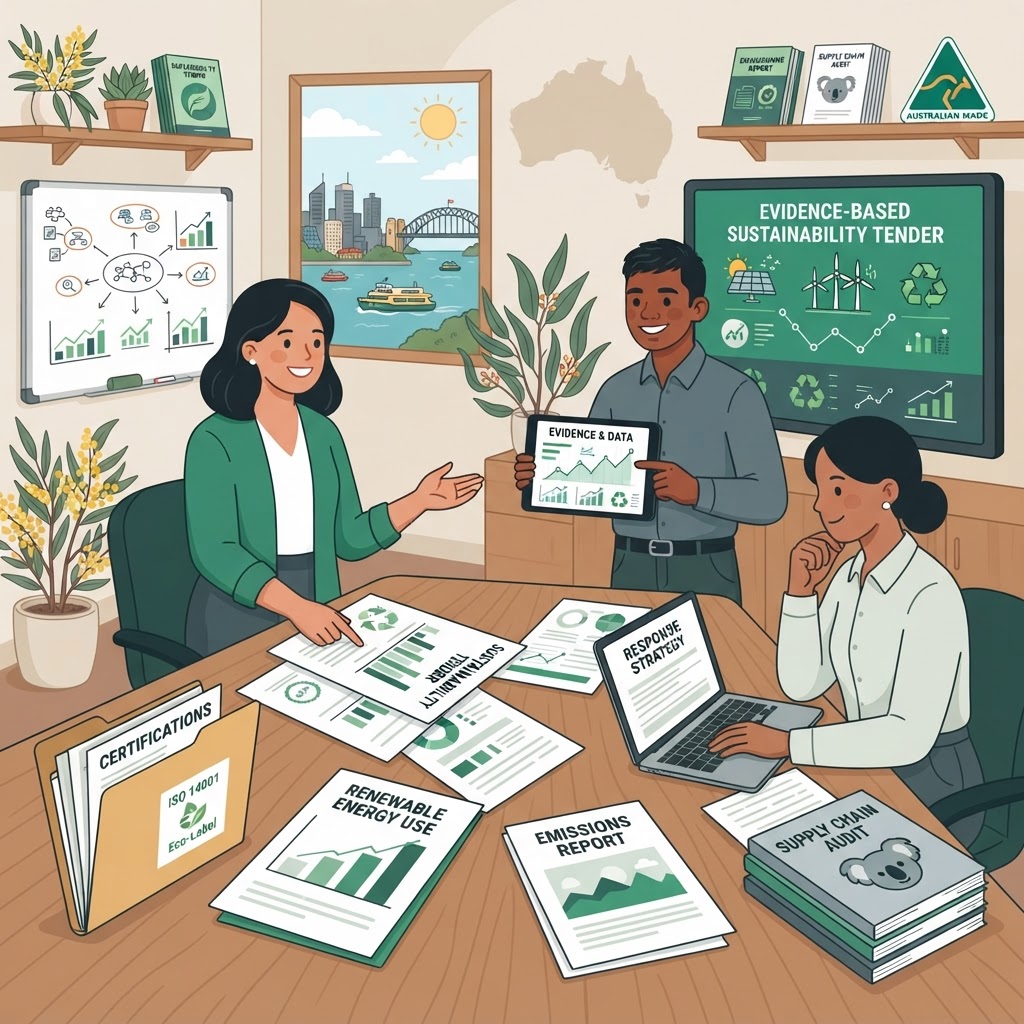
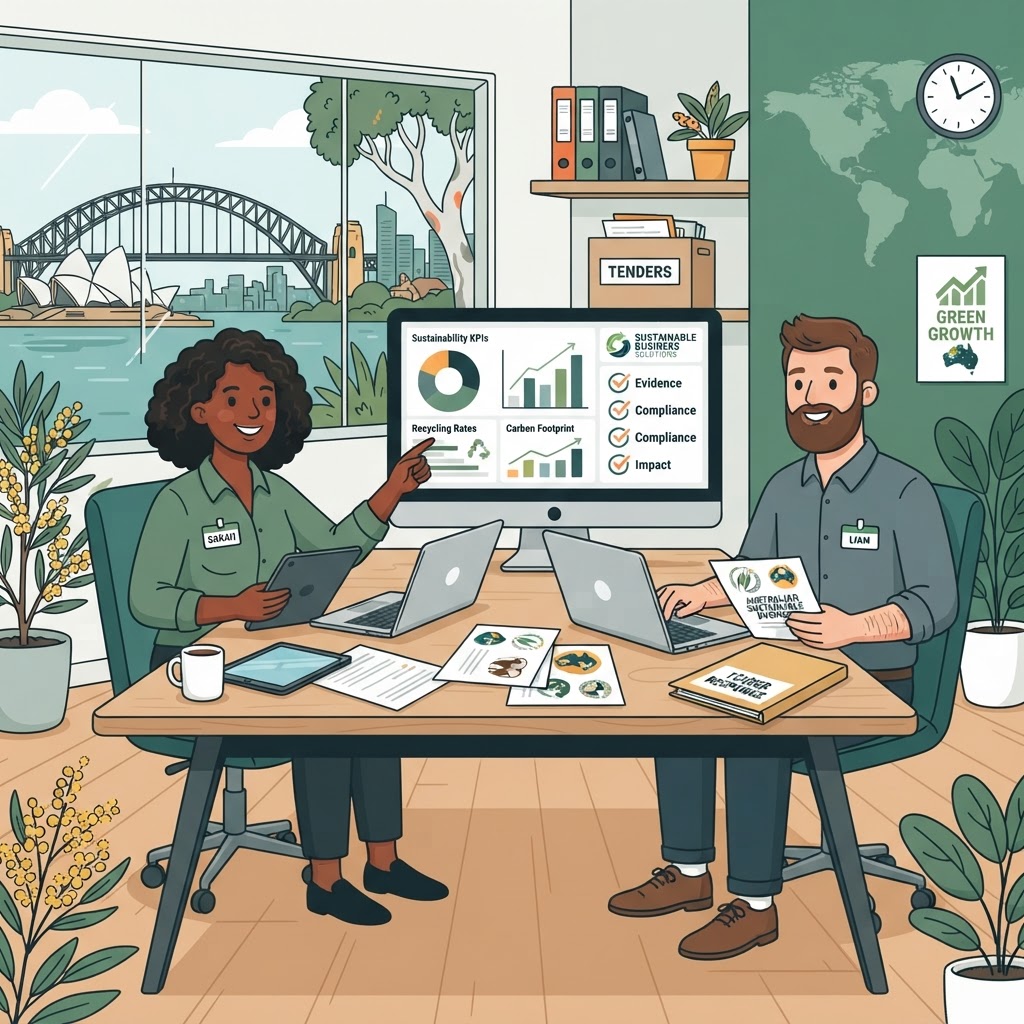
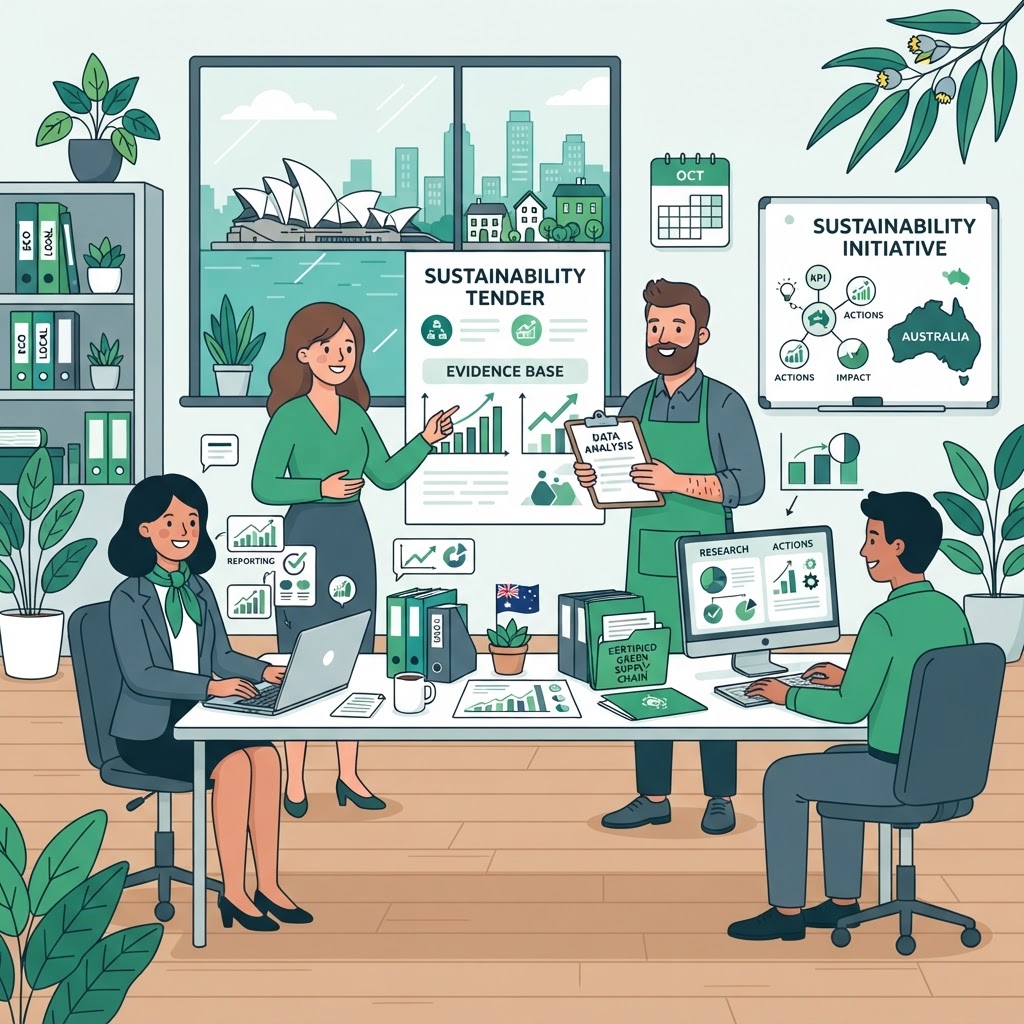
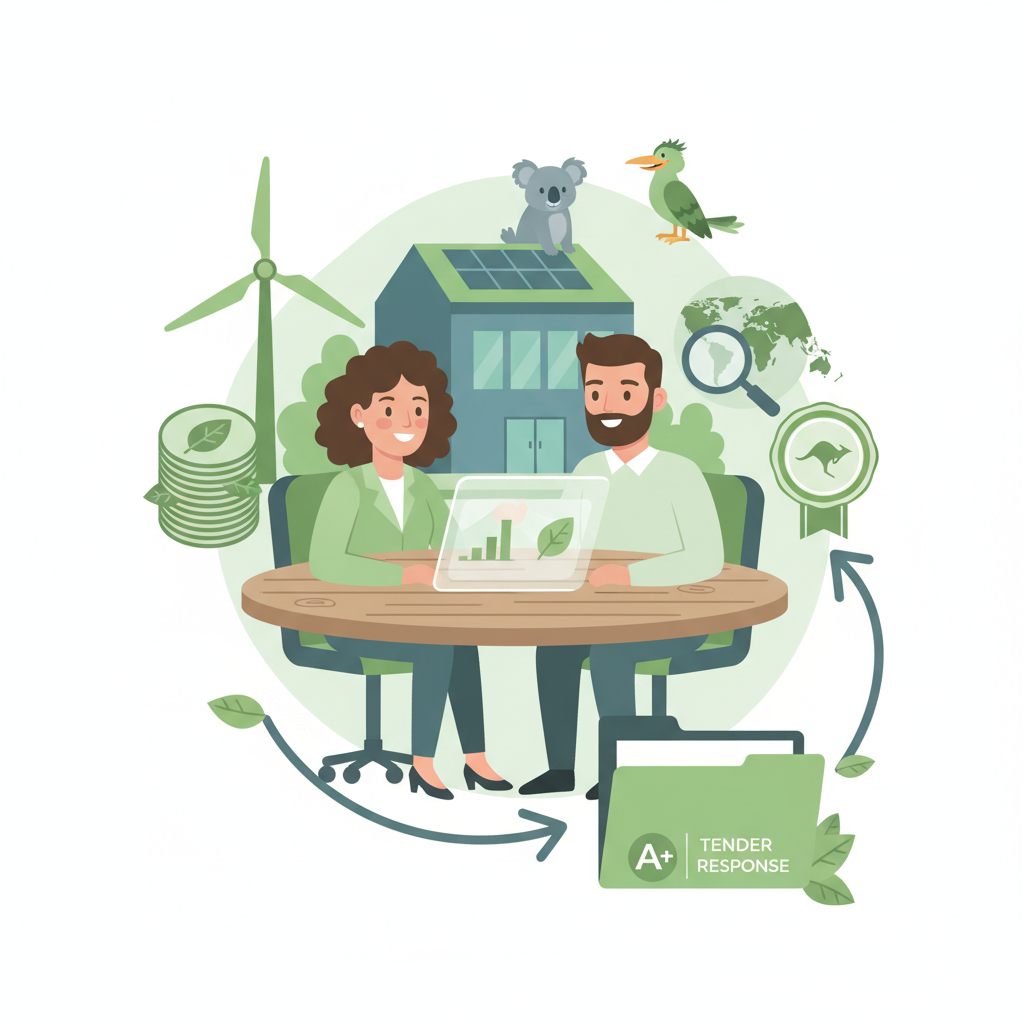
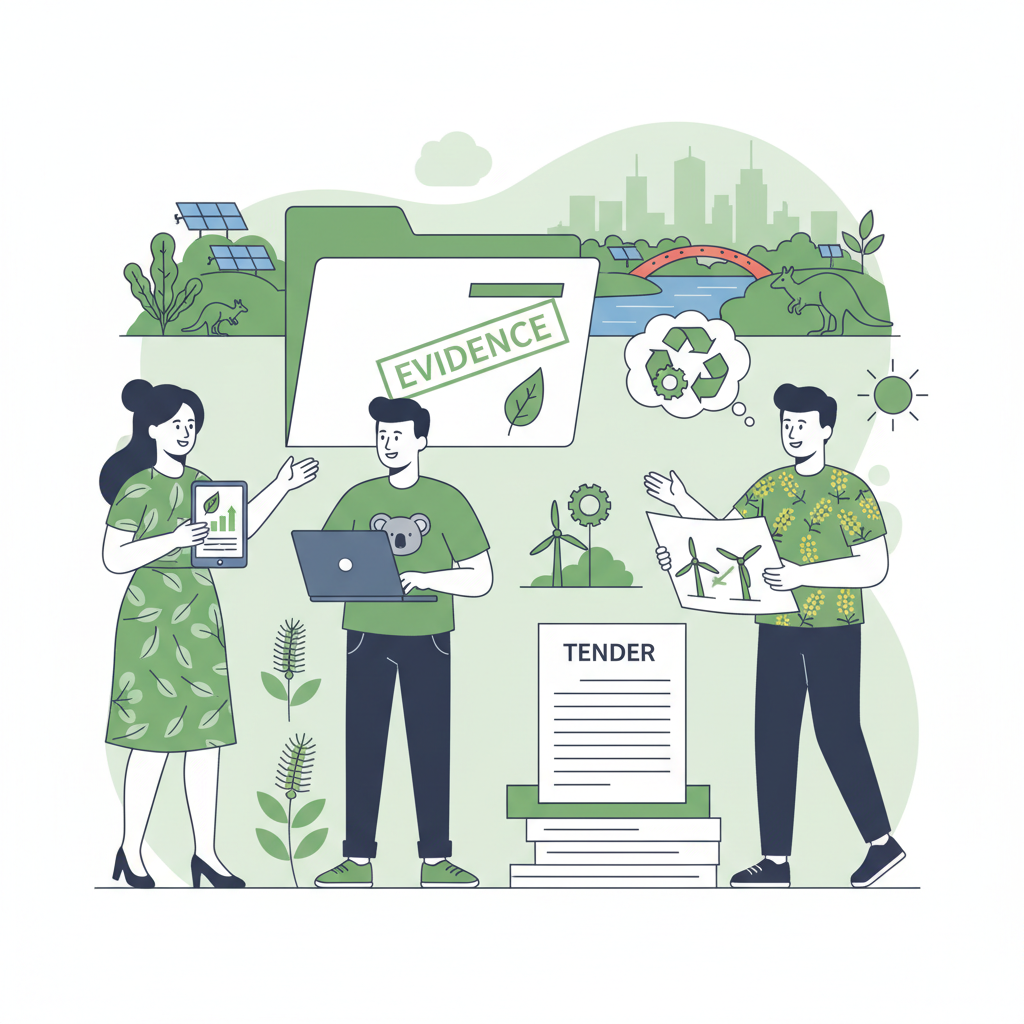
When crafting a sustainability tender response, the quality of your evidence is your strongest asset. Instead of using aspirational language, focus on concrete data points that highlight your emissions trajectory. This includes documenting your methodology, ensuring that your data sources are current, and explicitly stating the boundaries of your reporting. When your tender response is backed by granular data, you mitigate the risk of being flagged for misleading statements and gain a competitive edge by proving your operational maturity.
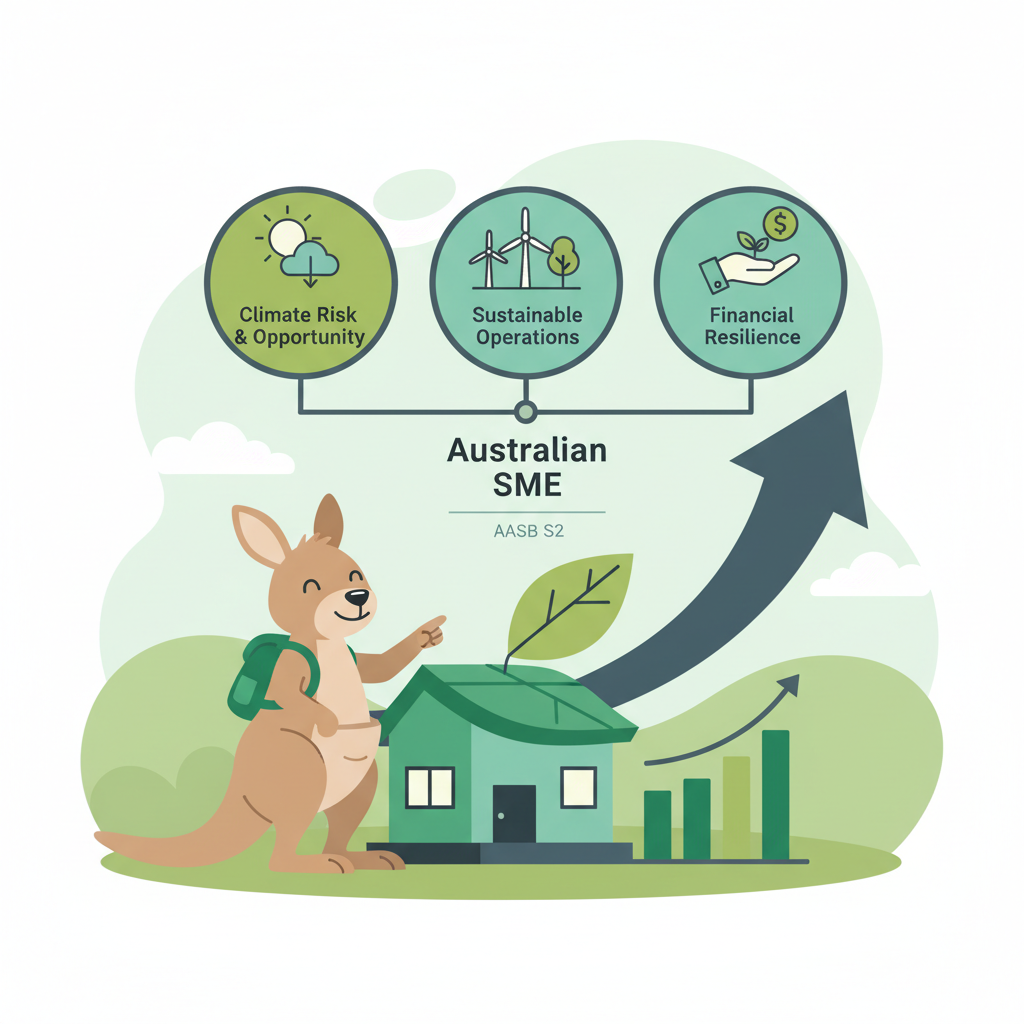
As the Australian regulatory environment evolves, the transition toward mandatory climate disclosures (like those aligned with AASB S2) is likely to cascade down the supply chain. SMEs that proactively adopt rigorous, data-driven reporting will find themselves better positioned to win contracts. By investing in scalable carbon accounting infrastructure today, you move away from the risk of greenwashing and toward a culture of transparency that procurement teams value. Start your journey by ensuring your data is granular, verified, and aligned with national reporting standards.
In the Australian procurement market, trust is a currency. By aligning your sustainability tender responses with the expectations of the ACCC and ASIC, you turn compliance into a commercial advantage. Avoid the risks of greenwashing by adopting systematic, evidence-based emissions reporting. Reach out to the ScopeTrack team today to discover how our platform can help your SME produce audit-ready sustainability data that wins contracts and builds long-term buyer trust.

What is the ACCC’s position on greenwashing for SMEs?
The ACCC actively monitors for misleading environmental claims and requires that any sustainability assertions be backed by clear, accurate evidence rather than vague or aspirational terminology.
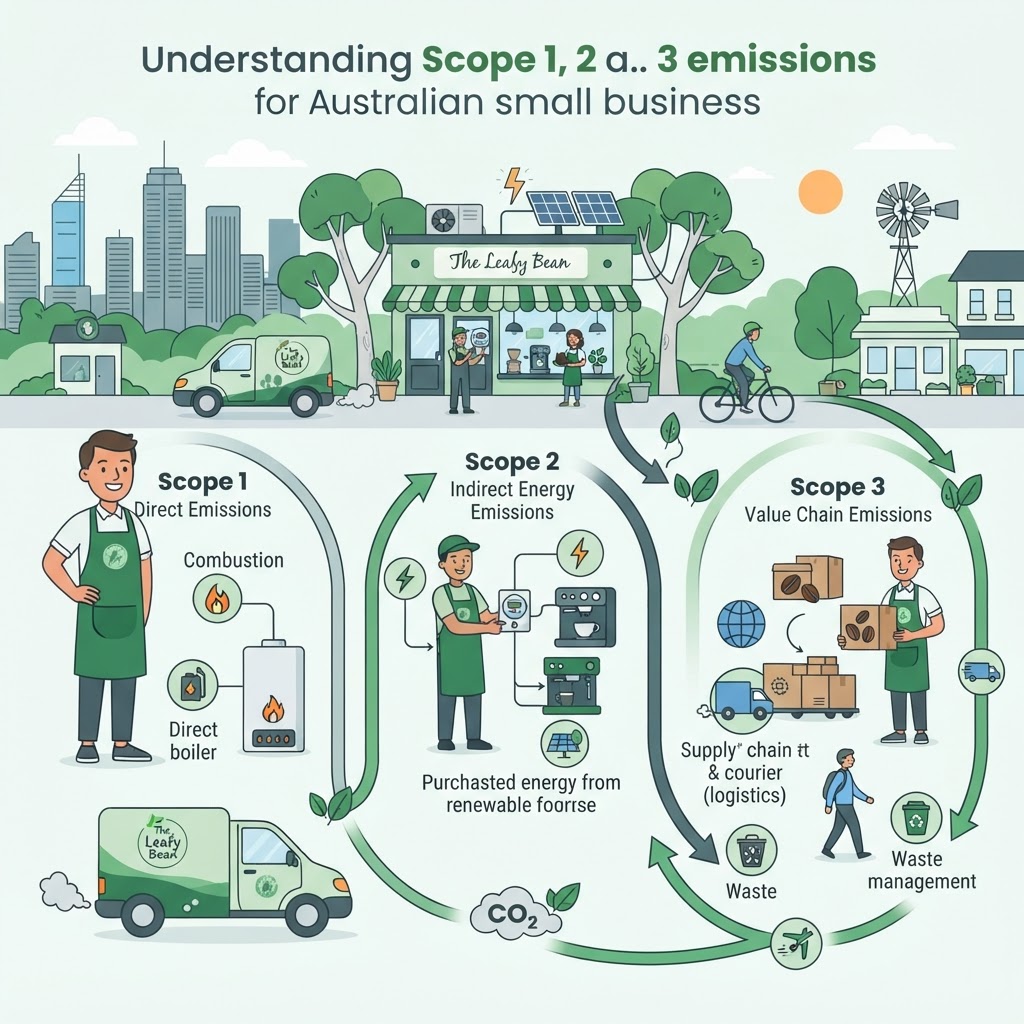
Why is it important for SMEs to distinguish between Scope 1, 2, and 3 emissions?
Distinguishing these scopes ensures a full, transparent picture of your carbon footprint, which is critical for meeting procurement standards and complying with the Australian-relevant AASB S2 reporting framework.
How can I ensure my sustainability data meets tender requirements?
SMEs should utilise verified NGA factors and documented carbon accounting methodologies to ensure their reported emissions are consistent, audit-ready, and aligned with national standards.