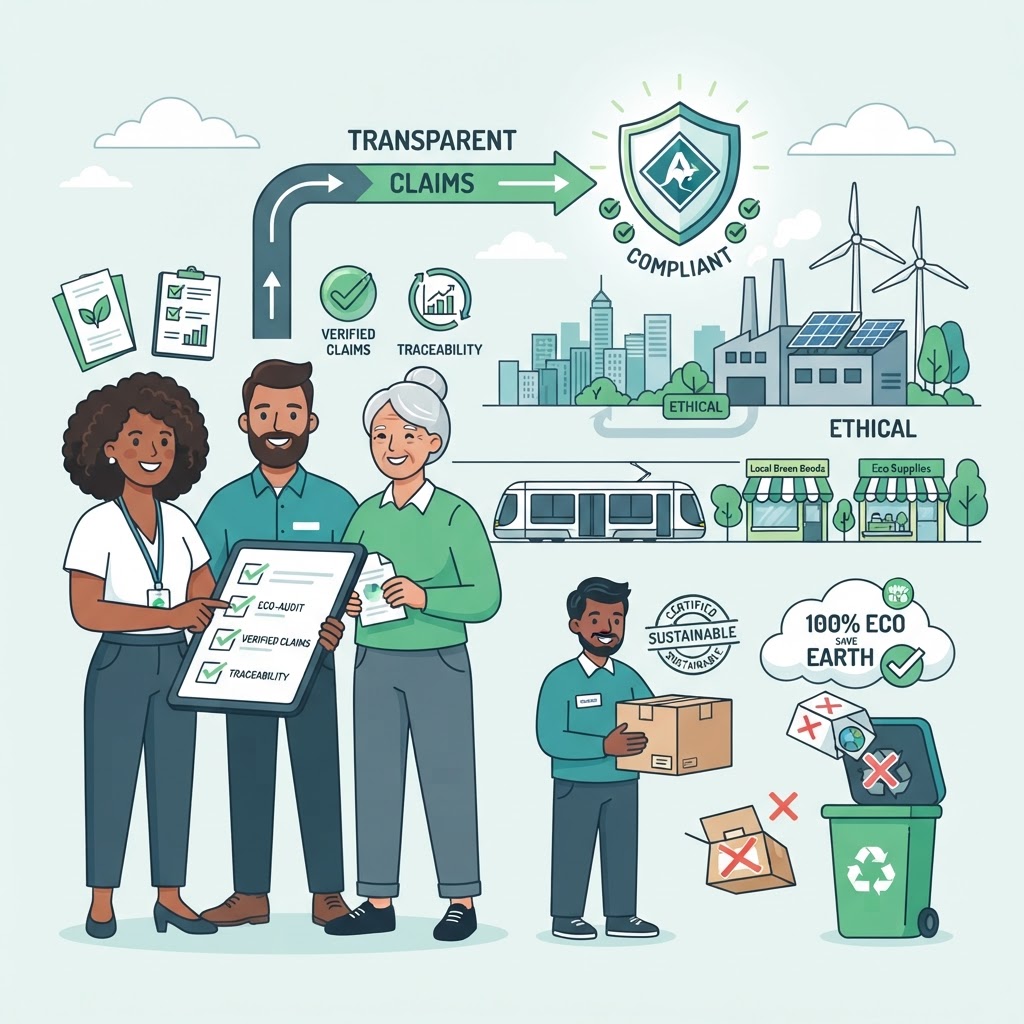
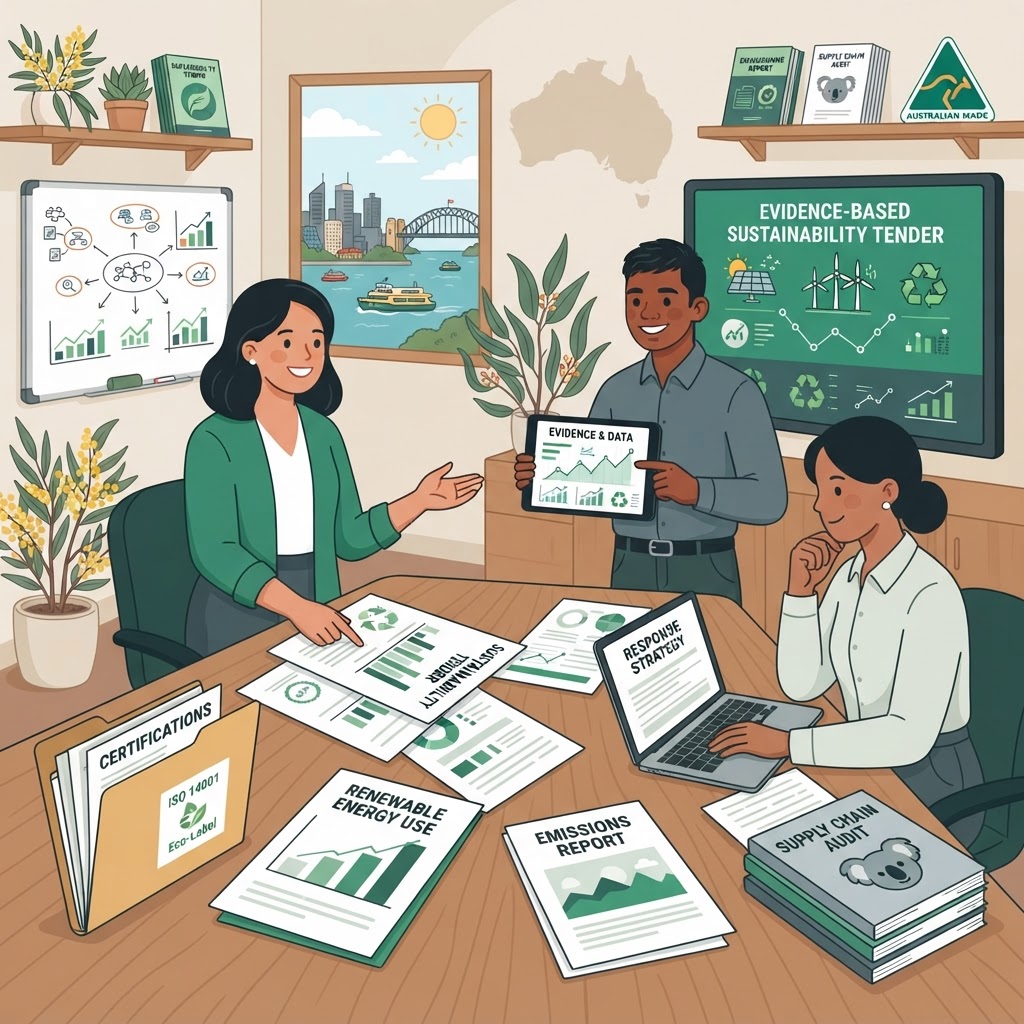
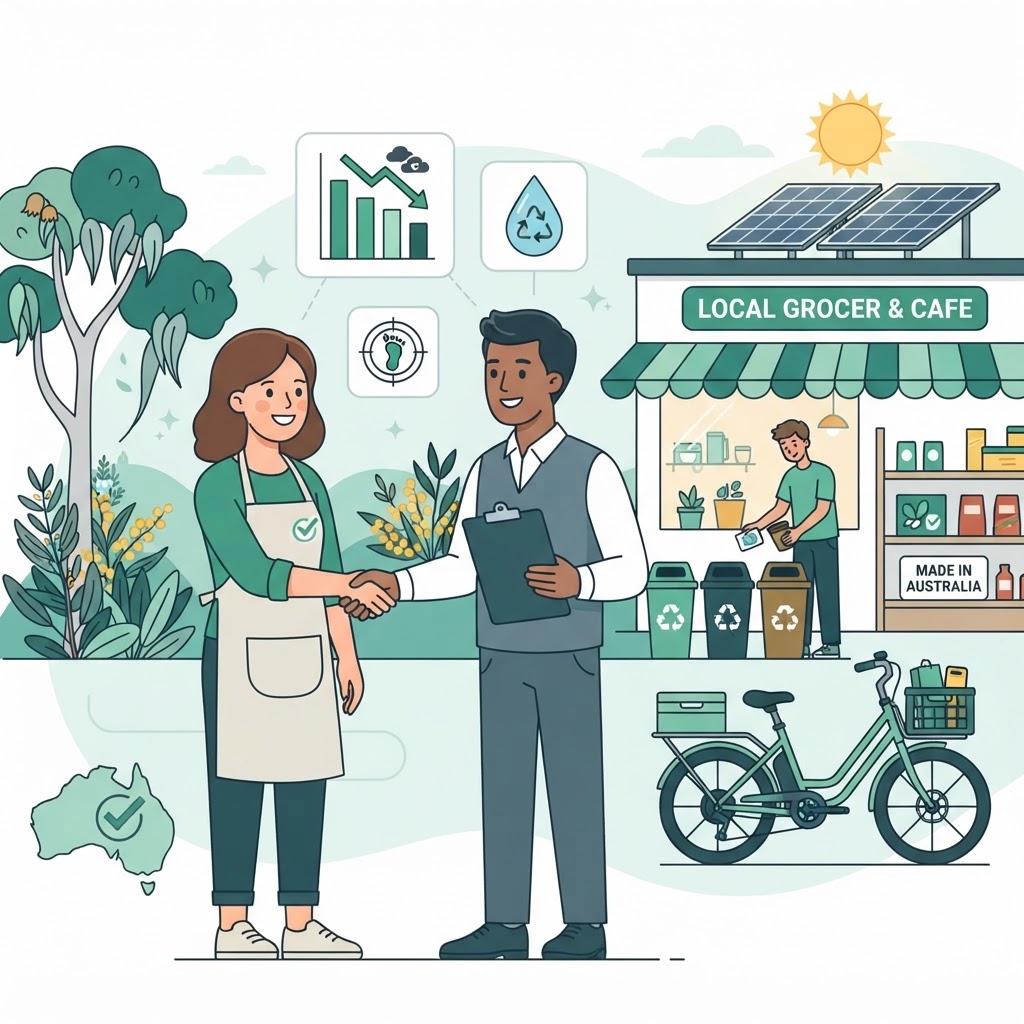
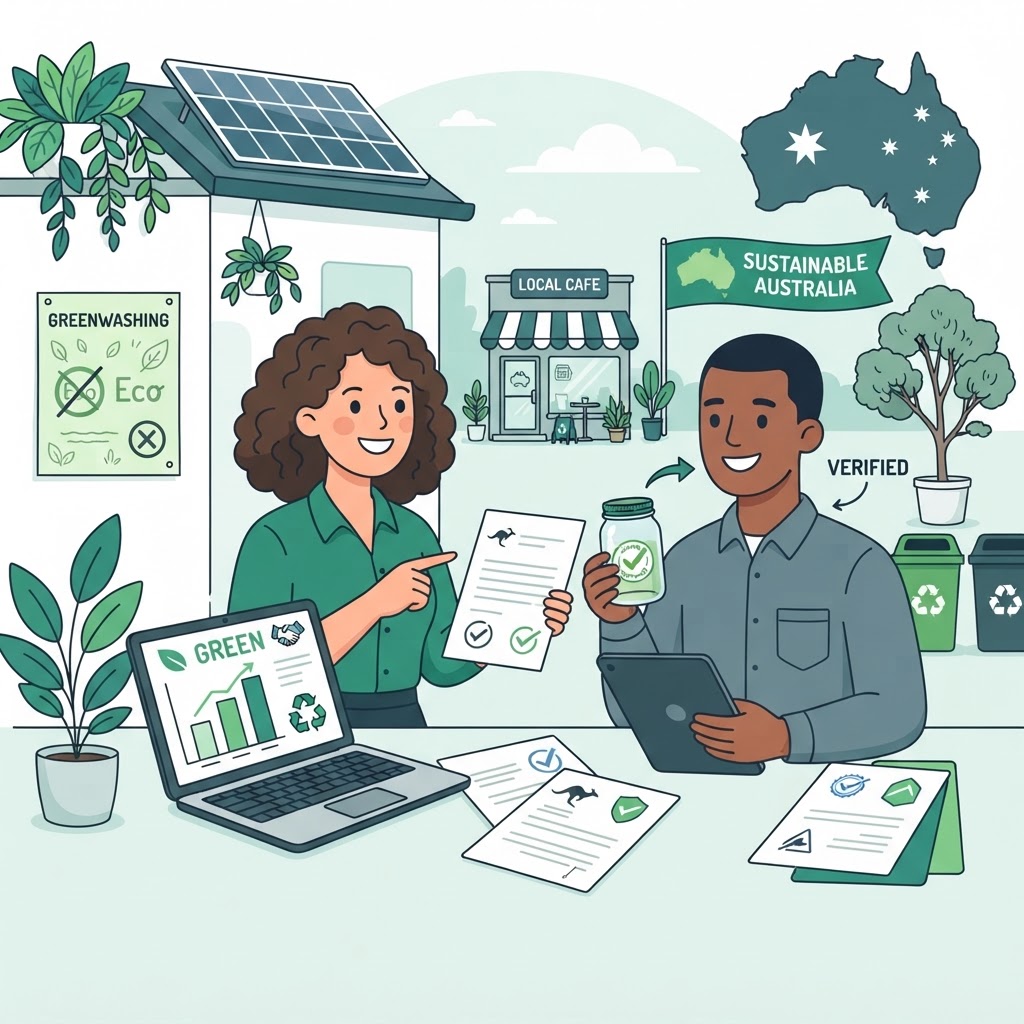
Beyond Greenwashing: Ensuring Regulatory Integrity in Your Carbon Reporting
Learn how Australian SMEs can navigate ACCC and ASIC guidelines to produce evidence-backed sustainability tender responses that stand up to regulatory scrutiny.
Read blogPractical PrimeGreen guidance for SMEs preparing stronger sustainability tender responses.

Learn how Australian SMEs can navigate ACCC and ASIC guidelines to produce evidence-backed sustainability tender responses that stand up to regulatory scrutiny.
Read blog
Learn how Australian SMEs can build trust with enterprise buyers by transforming raw data into verified, evidence-backed sustainability tender responses.
Read blog
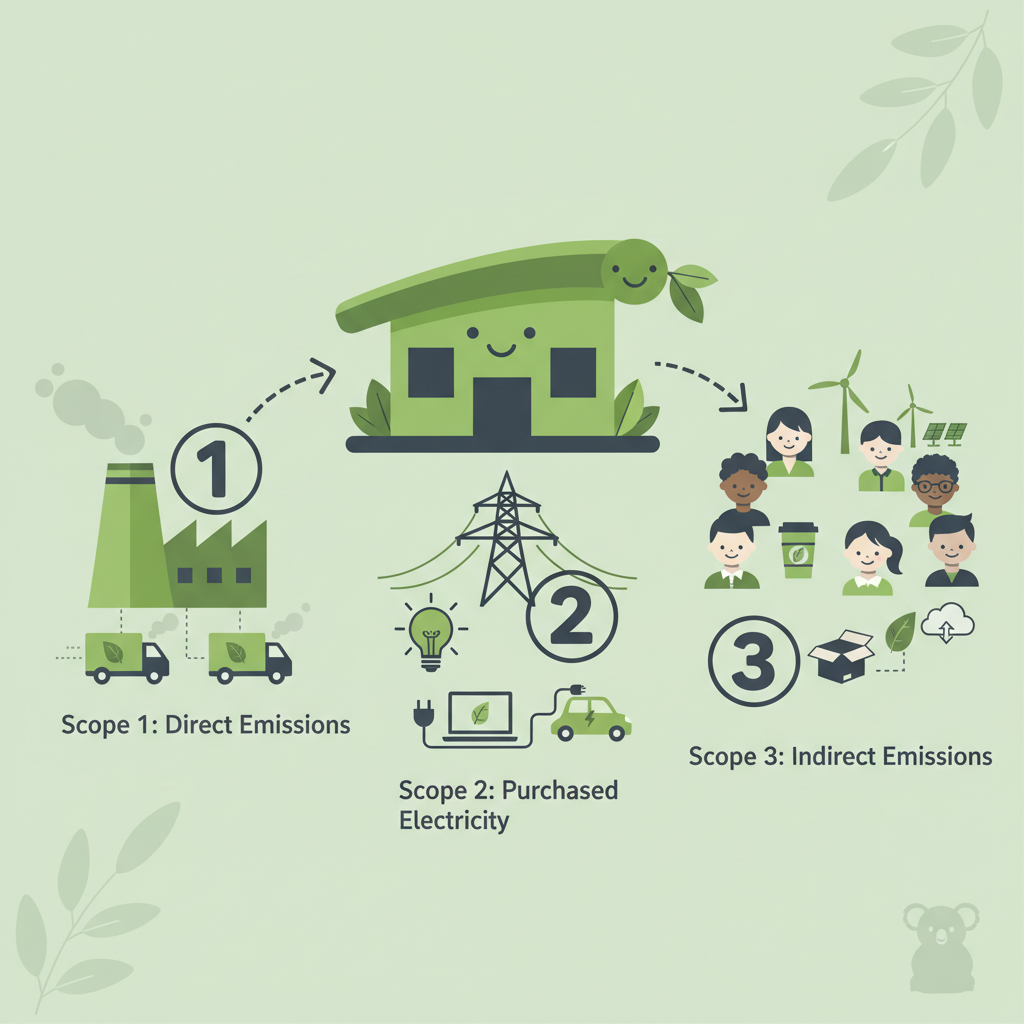
Demystify the complexities of Scope 1, 2, and 3 emissions to sharpen your sustainability tender responses and meet Australian procurement requirements.
Read blog
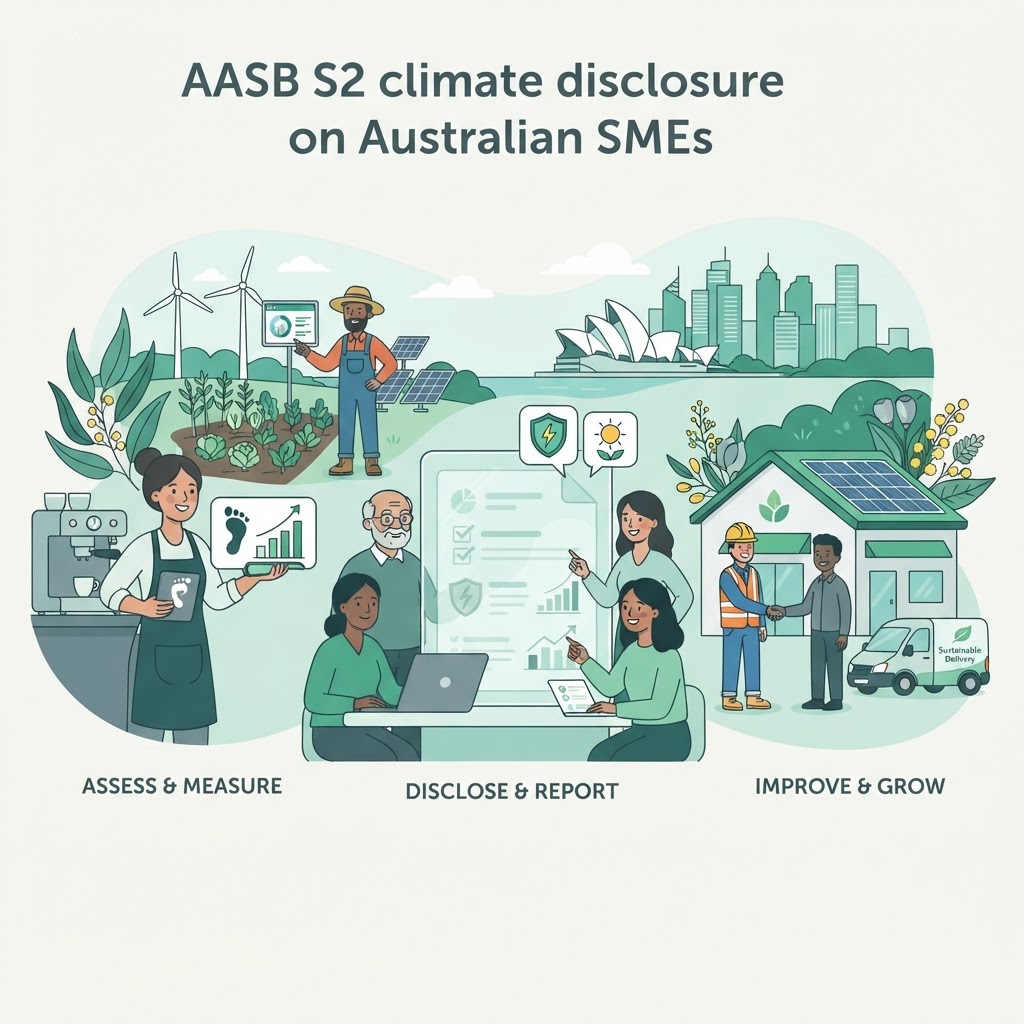
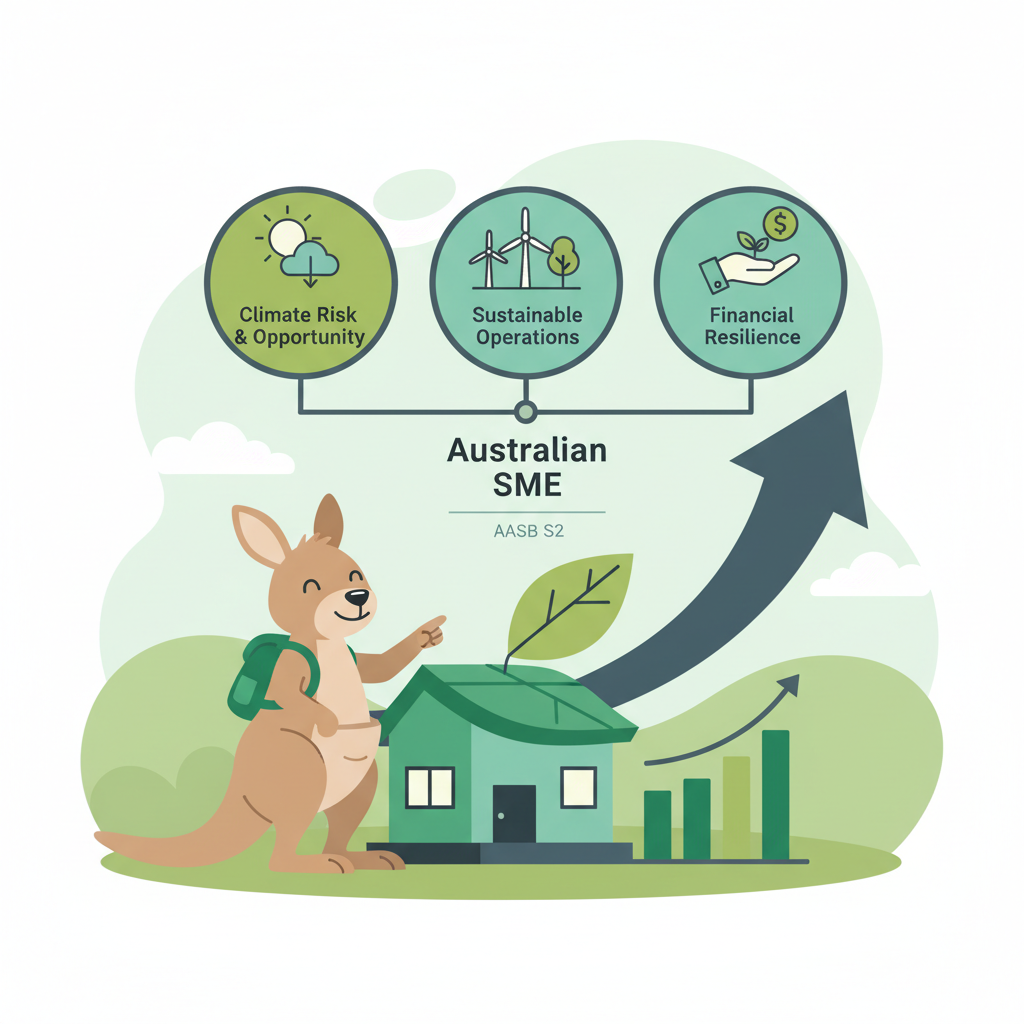
Discover how the AASB S2 climate reporting standards are filtering down to Australian SMEs and how to prepare your data for procurement success.
Read blog
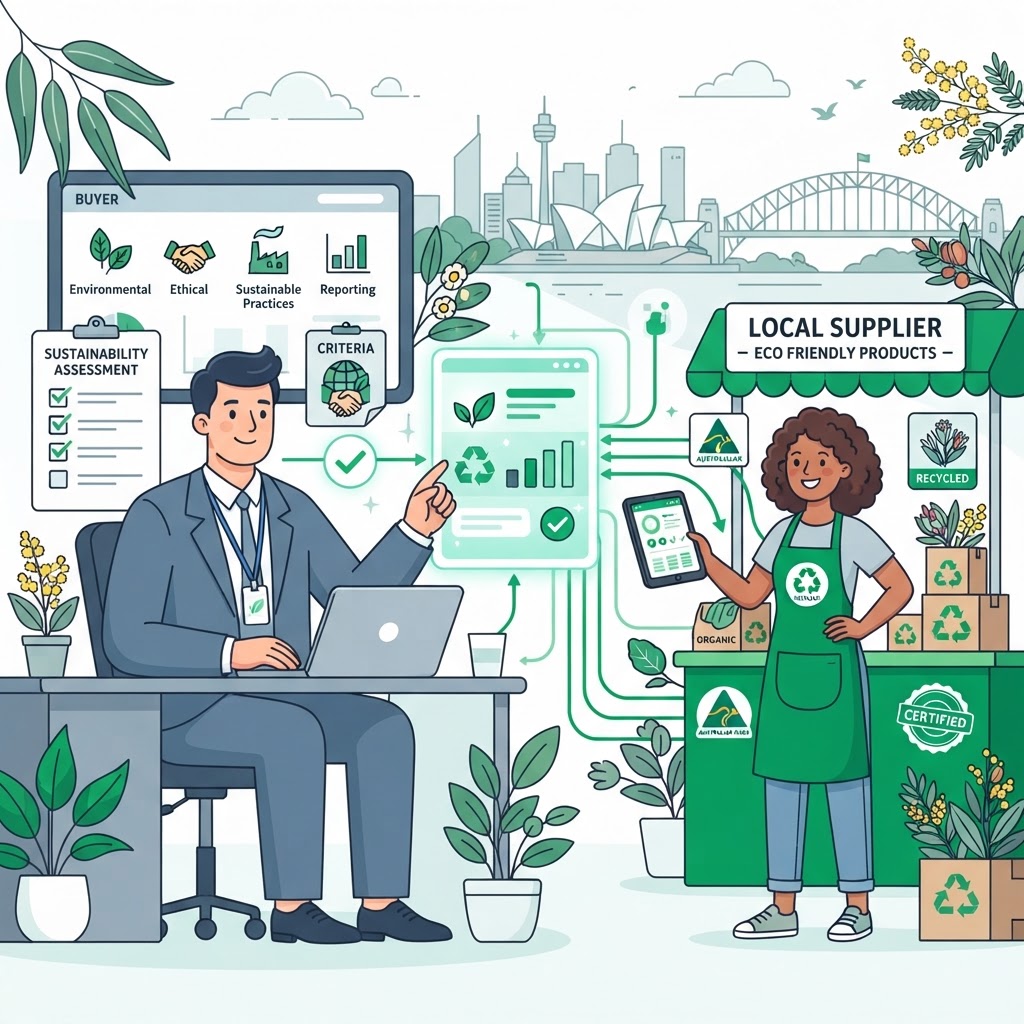
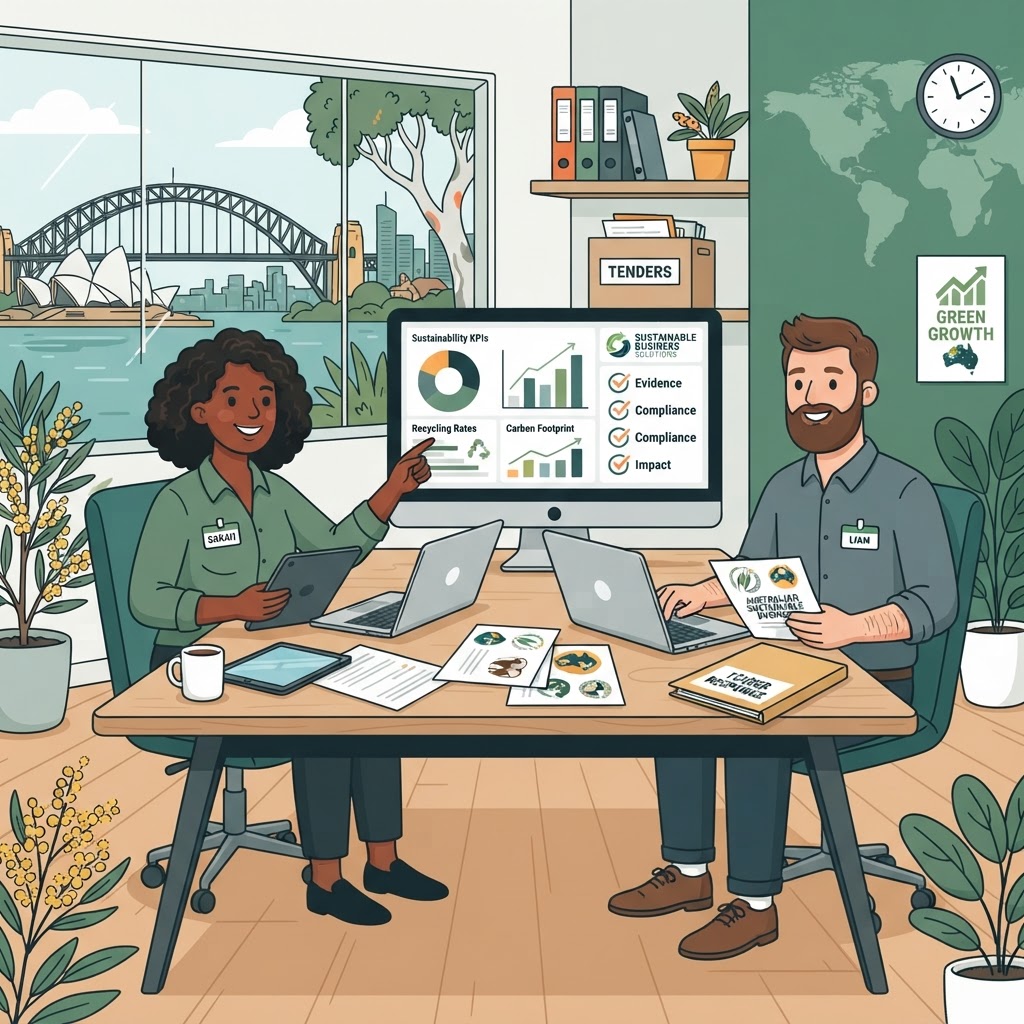
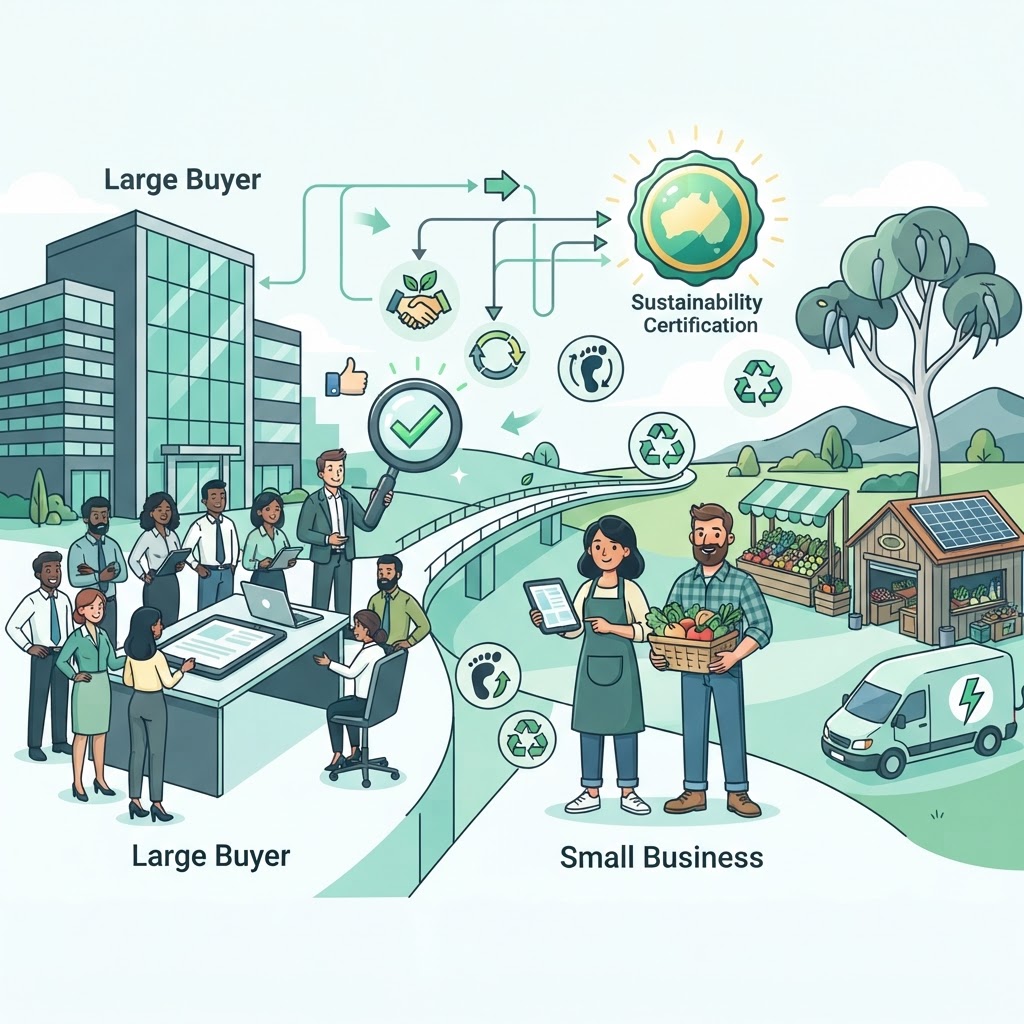
Discover how major Australian enterprise buyers evaluate supplier sustainability and what evidence you need to secure your next contract.
Read blog
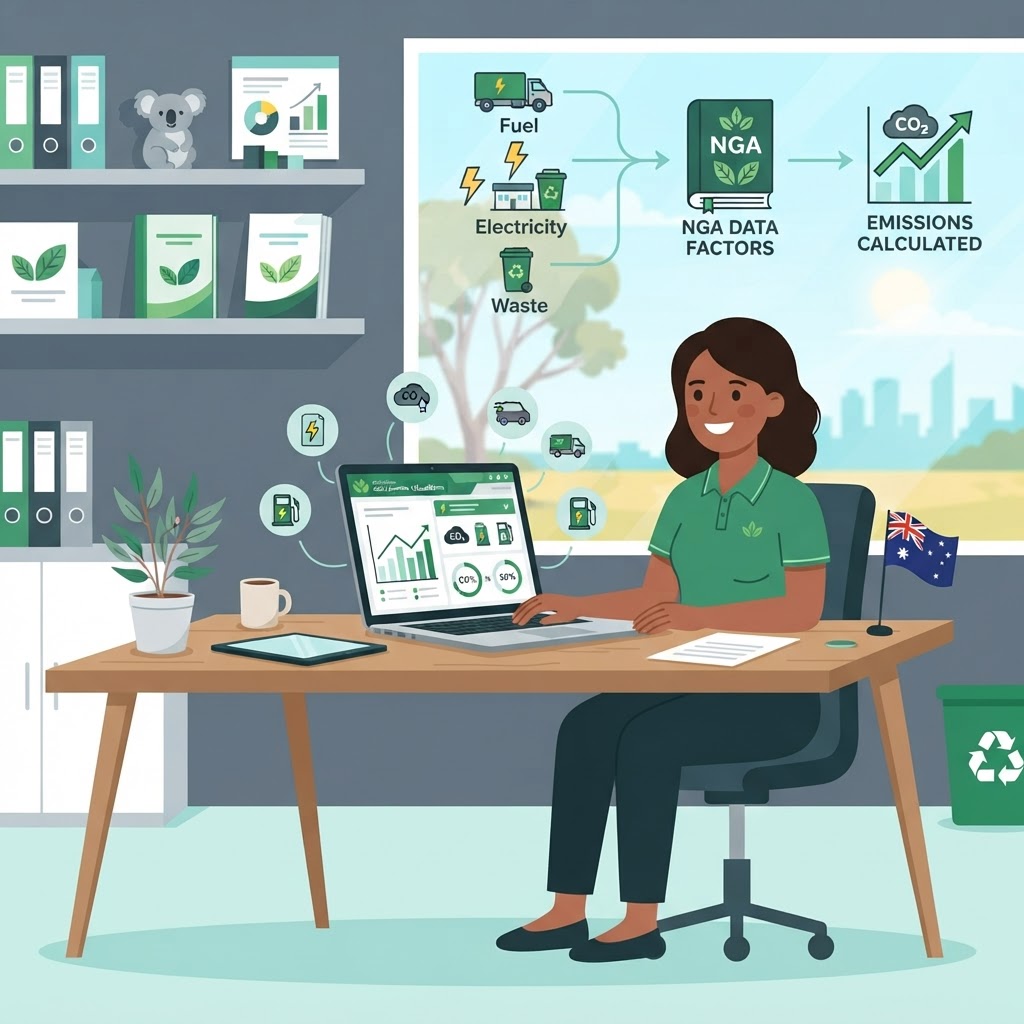
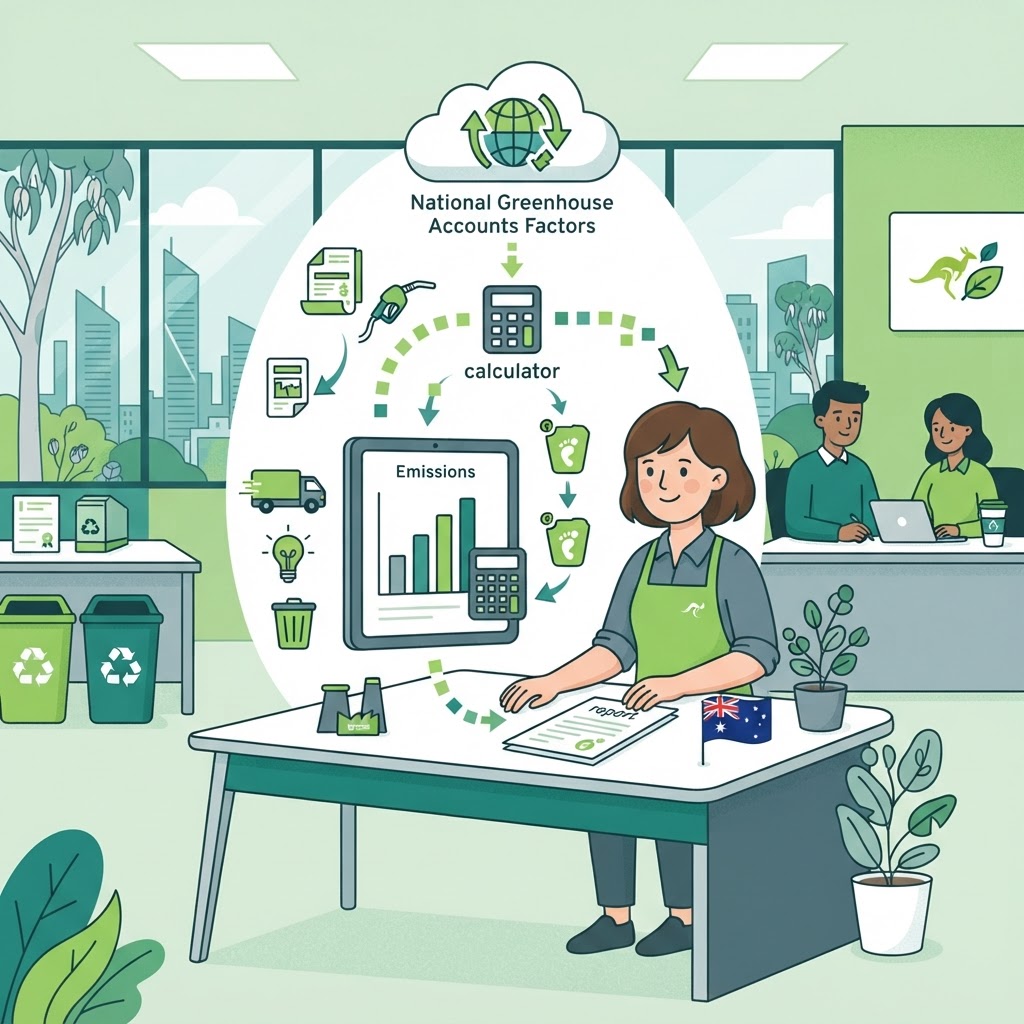
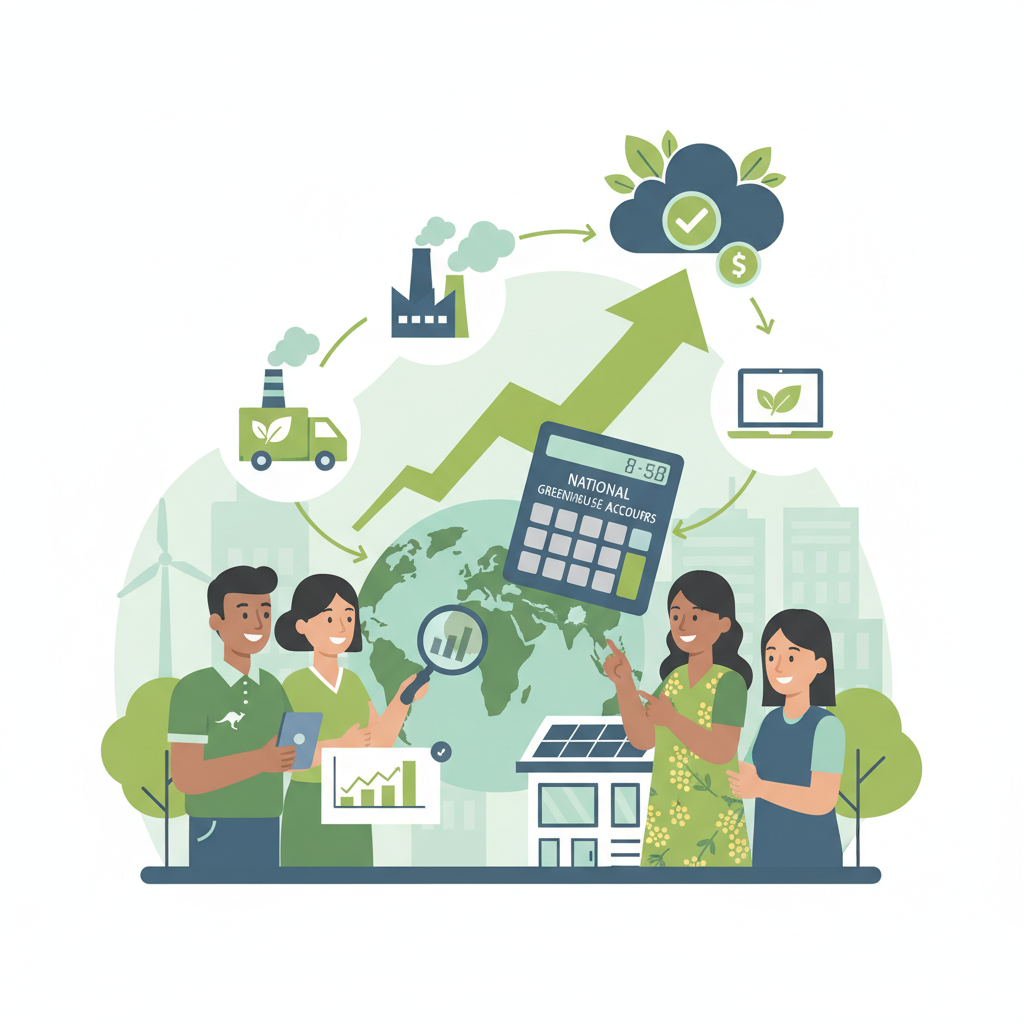
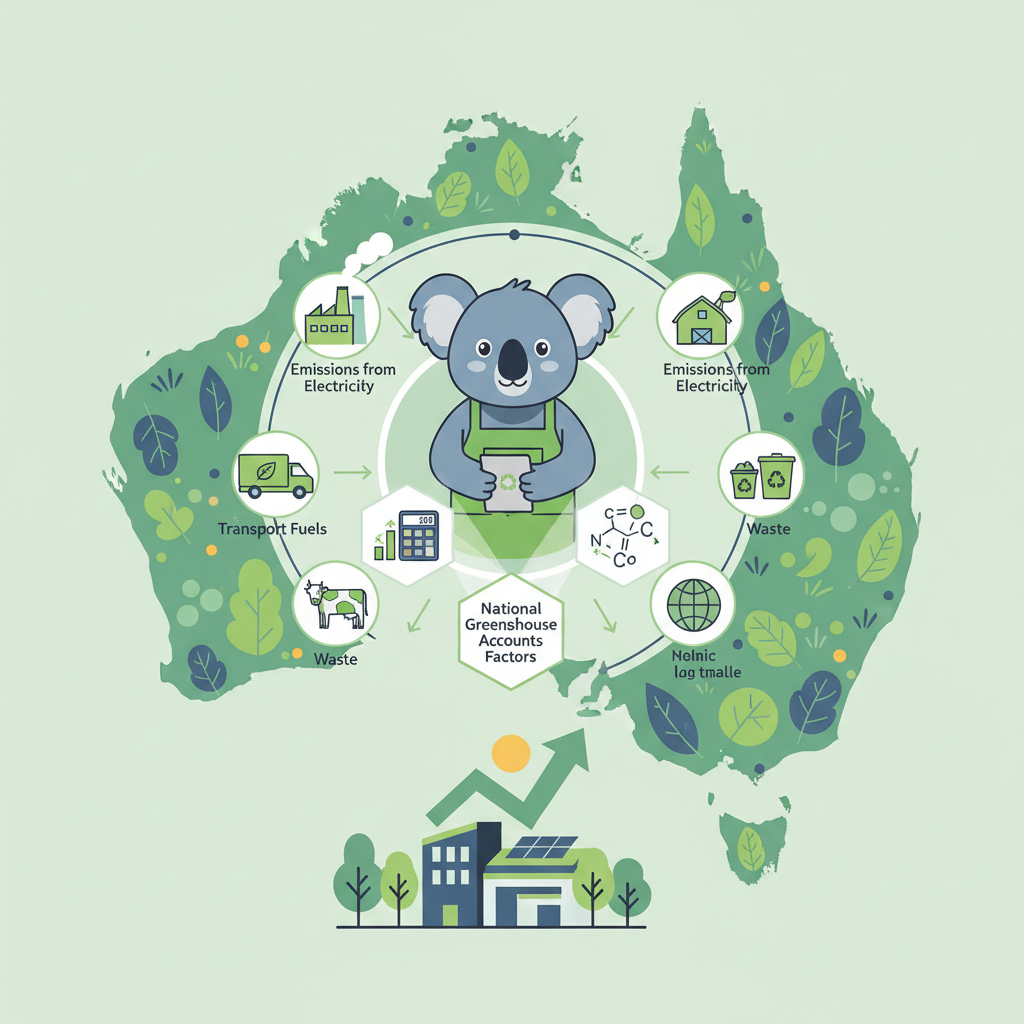
Learn how to use official National Greenhouse Accounts factors to build audit-ready emissions data for competitive Australian sustainability tenders.
Read blog
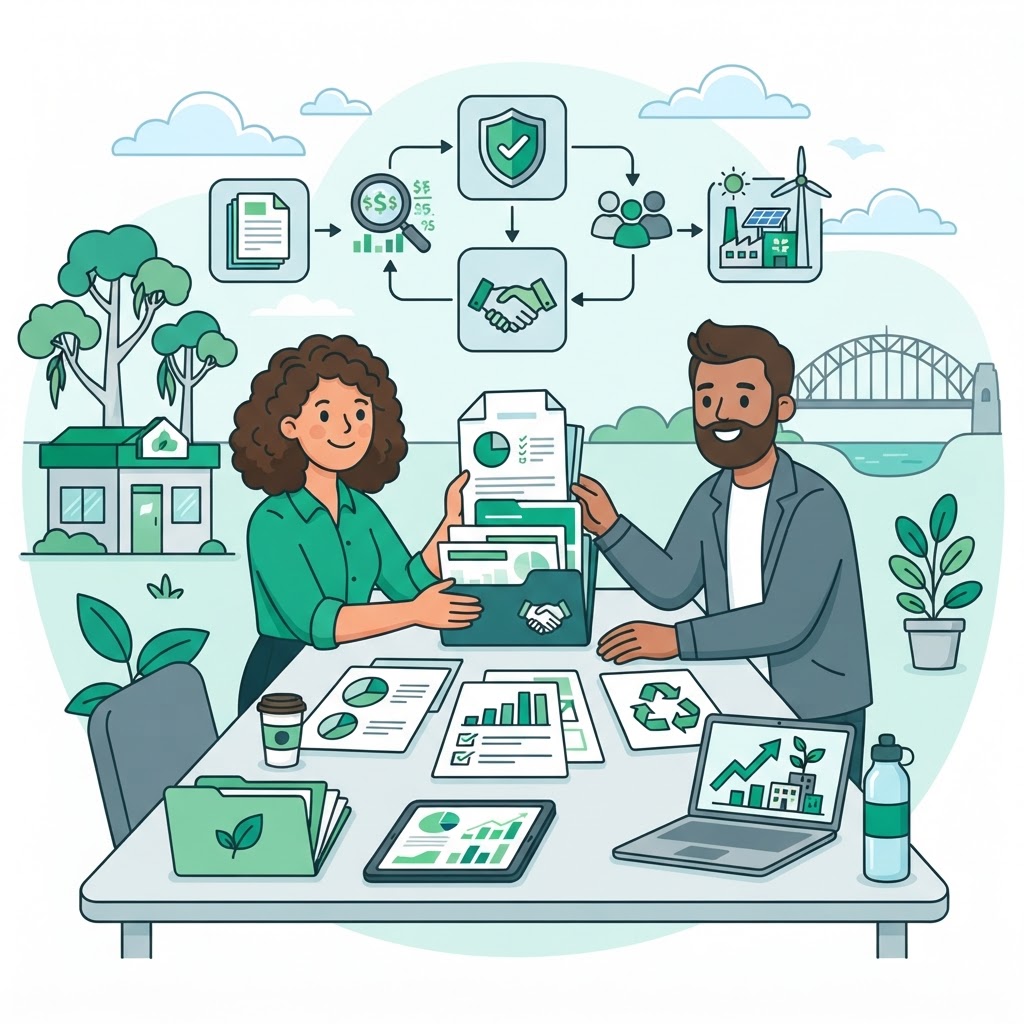
Streamline your next procurement bid by preparing the essential carbon documentation and data evidence required by enterprise buyers.
Read blog
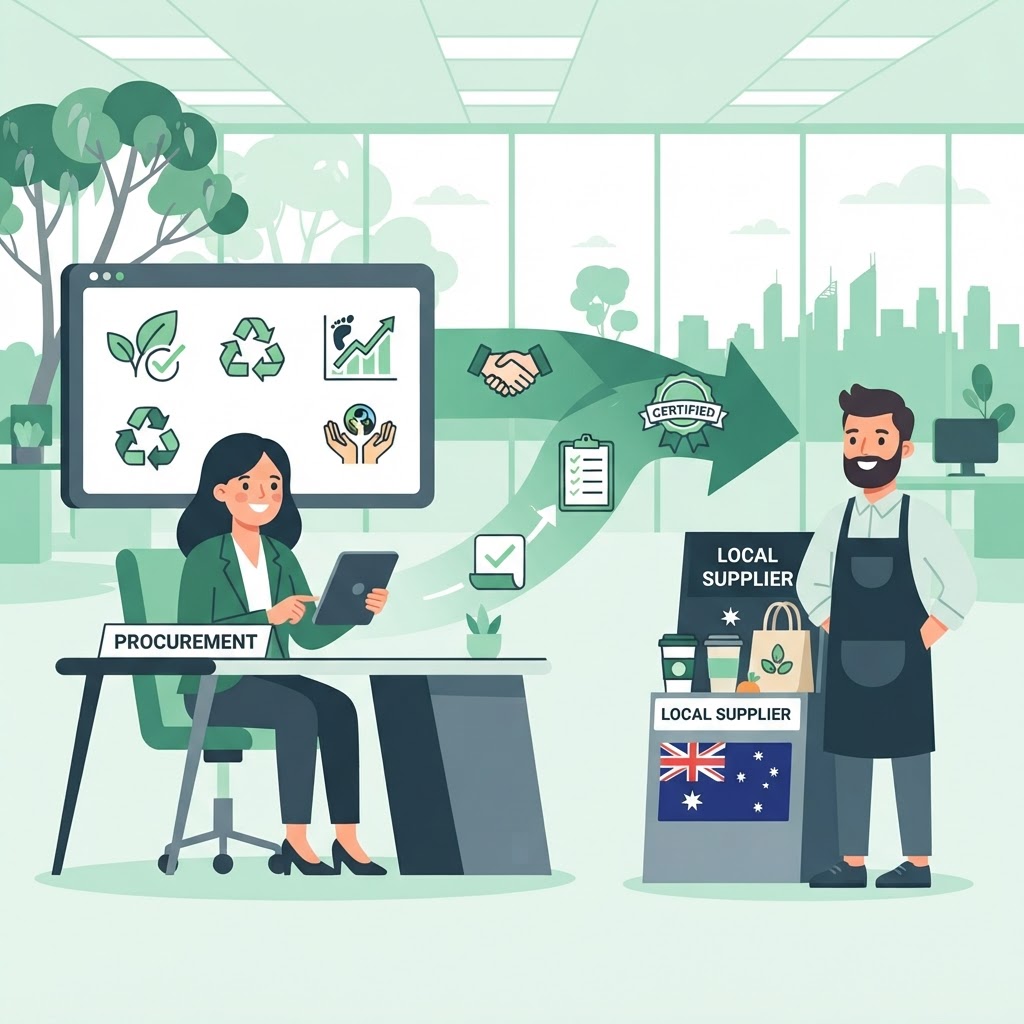
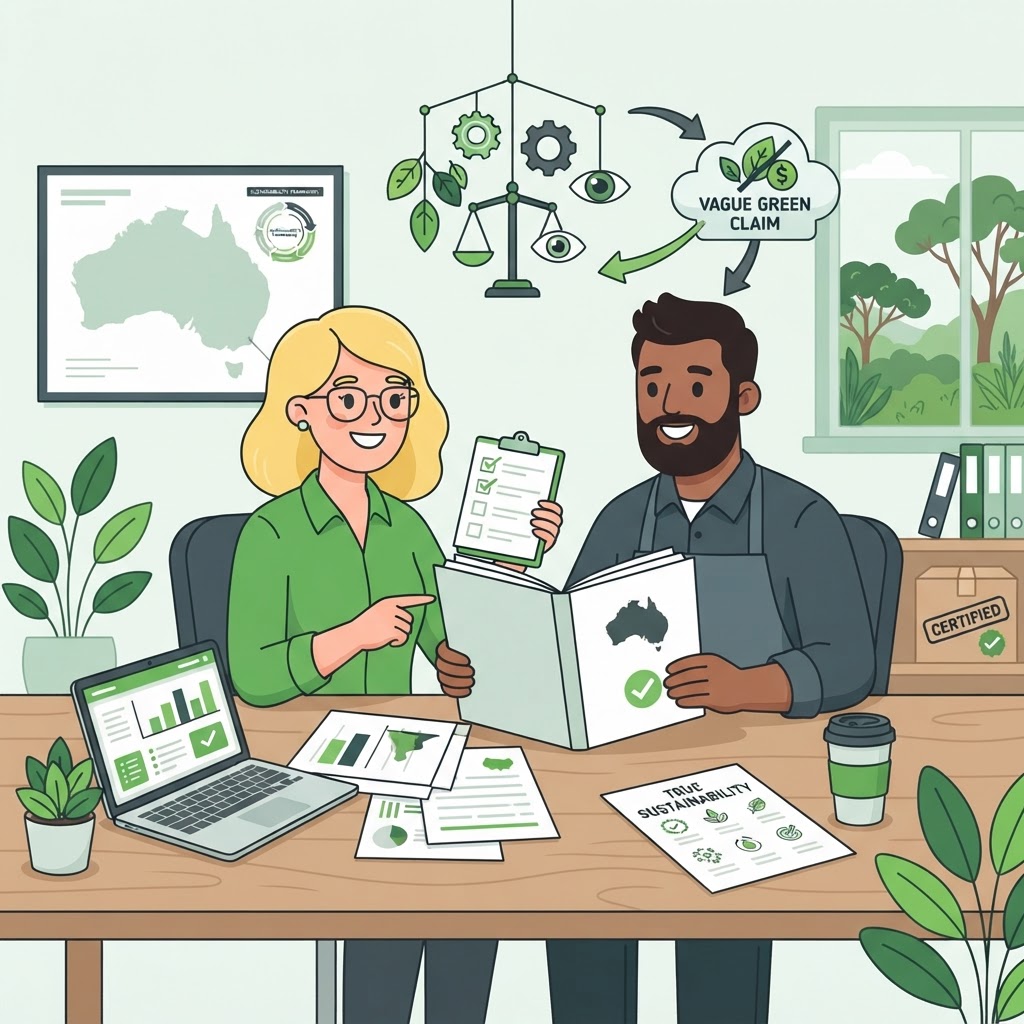
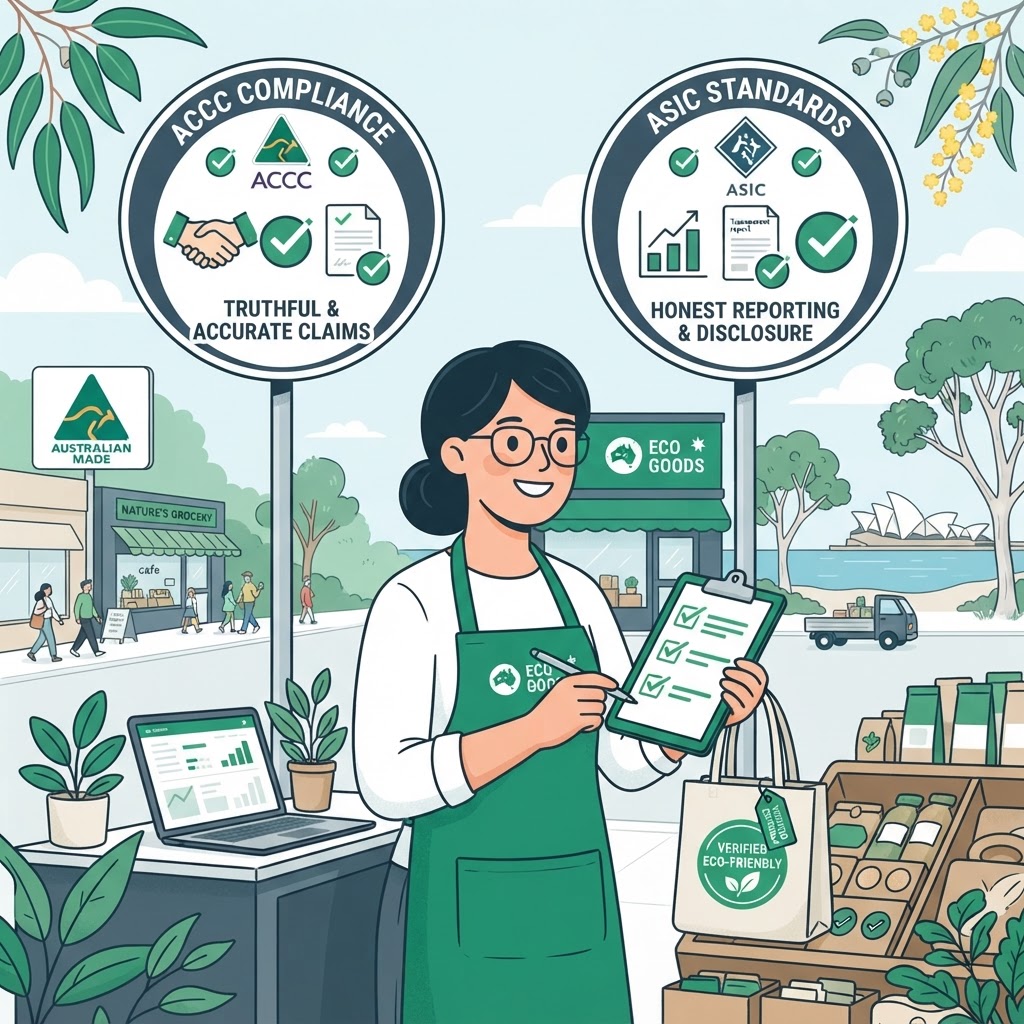
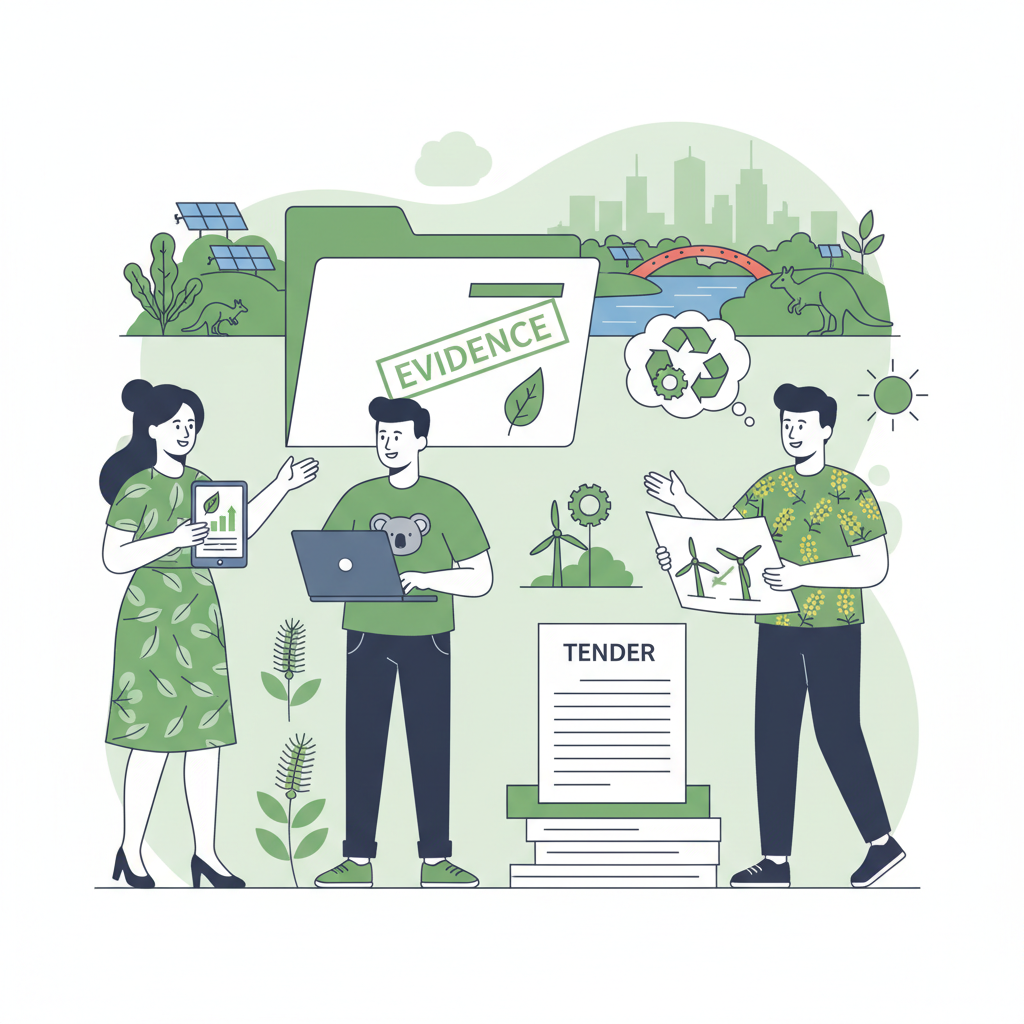
Learn how Australian SMEs can safeguard their reputation and win contracts by aligning sustainability reporting with ACCC and ASIC expectations.
Read blog
Discover how Australian SMEs can build a rigorous, evidence-backed foundation for sustainability tenders by mastering data integrity and reporting transparency.
Read blog
Navigating the complexities of Scope 1, 2, and 3 emissions is essential for Australian SMEs looking to win procurement contracts through credible sustainability reporting.
Read blog
Discover how the AASB S2 climate disclosure standards impact Australian SMEs and why precision in carbon accounting is now a prerequisite for winning government and enterprise contracts.
Read blog
Discover the rigorous validation methods major Australian buyers use to audit SME sustainability claims and how you can prepare to pass.
Read blog
Learn how Australian SMEs can leverage National Greenhouse Accounts factors to build audit-ready, evidence-based emissions reports for high-value tenders.
Read blog
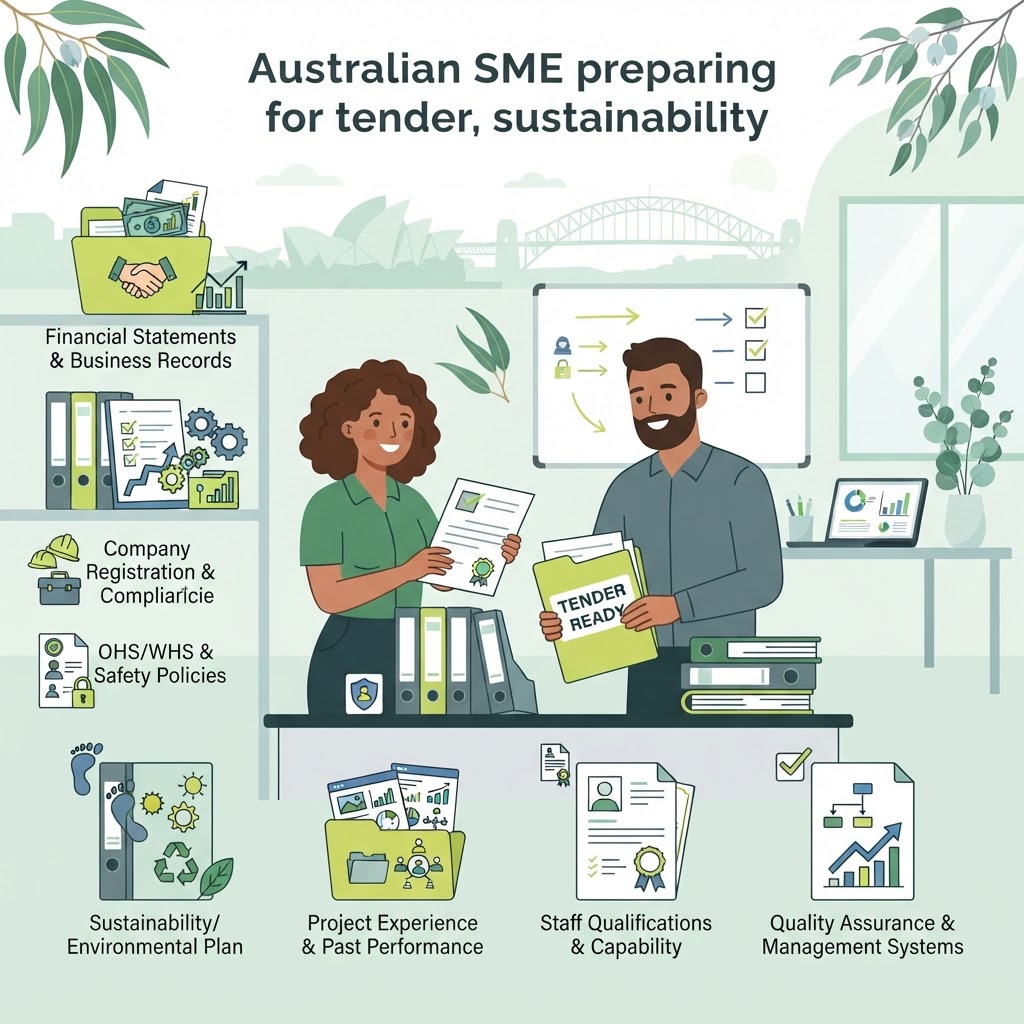
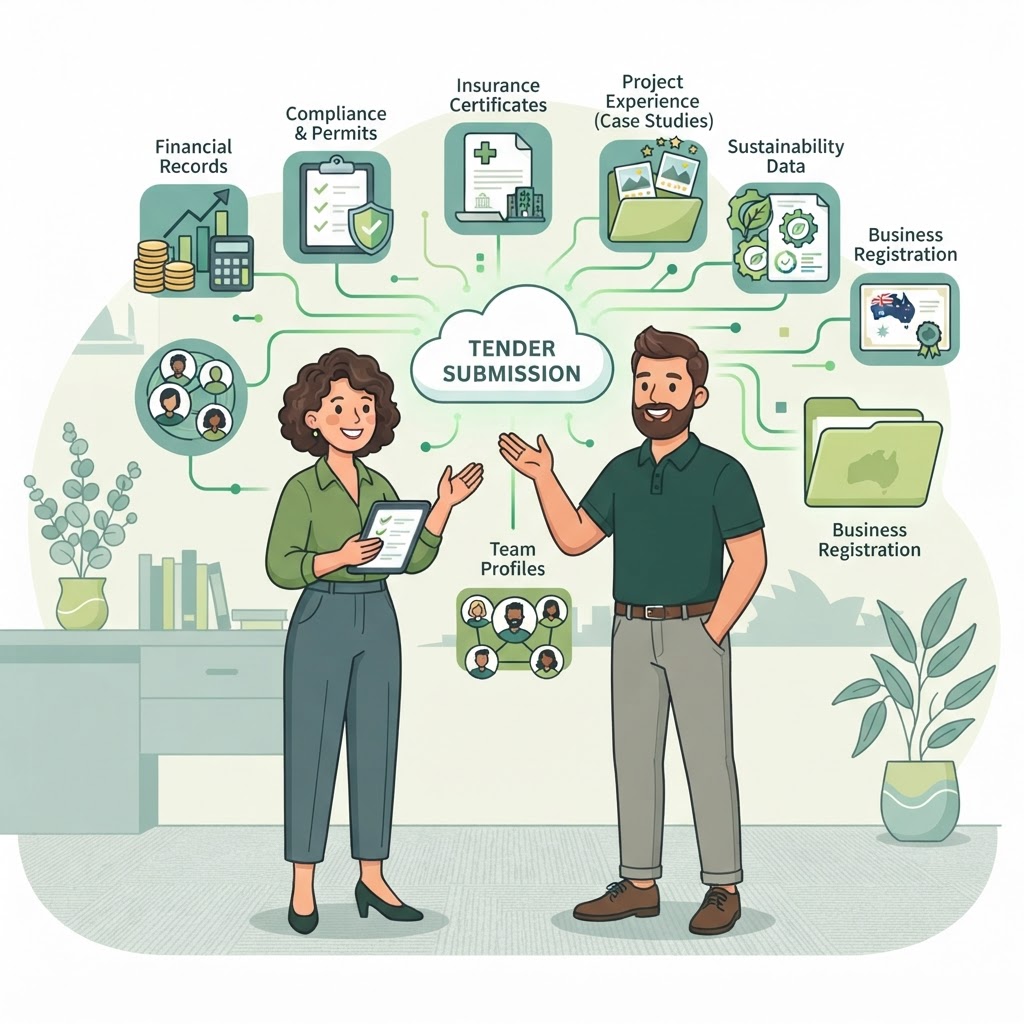
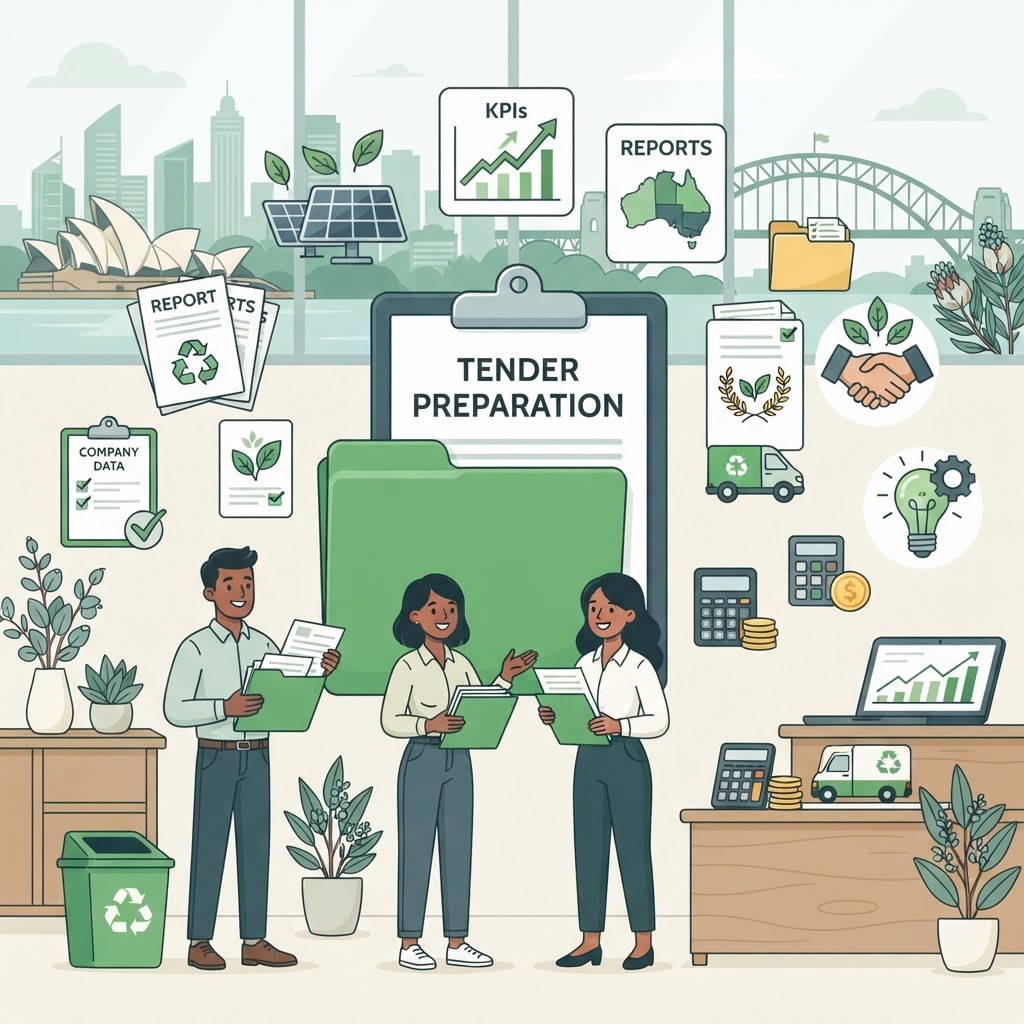
Preparing for a sustainability tender requires more than just good intentions; it demands an evidence-based repository of carbon data and operational documentation.
Read blog
Learn how Australian SMEs can safeguard their procurement bids against greenwashing accusations by aligning carbon accounting with ACCC and ASIC expectations.
Read blog
Learn how Australian SMEs can transform their emissions data into a competitive advantage to secure major government and enterprise contracts.
Read blog
Mastering the complexities of Scope 1, 2, and 3 emissions is no longer optional for Australian SMEs looking to secure major contracts in an increasingly sustainability-conscious market.
Read blog
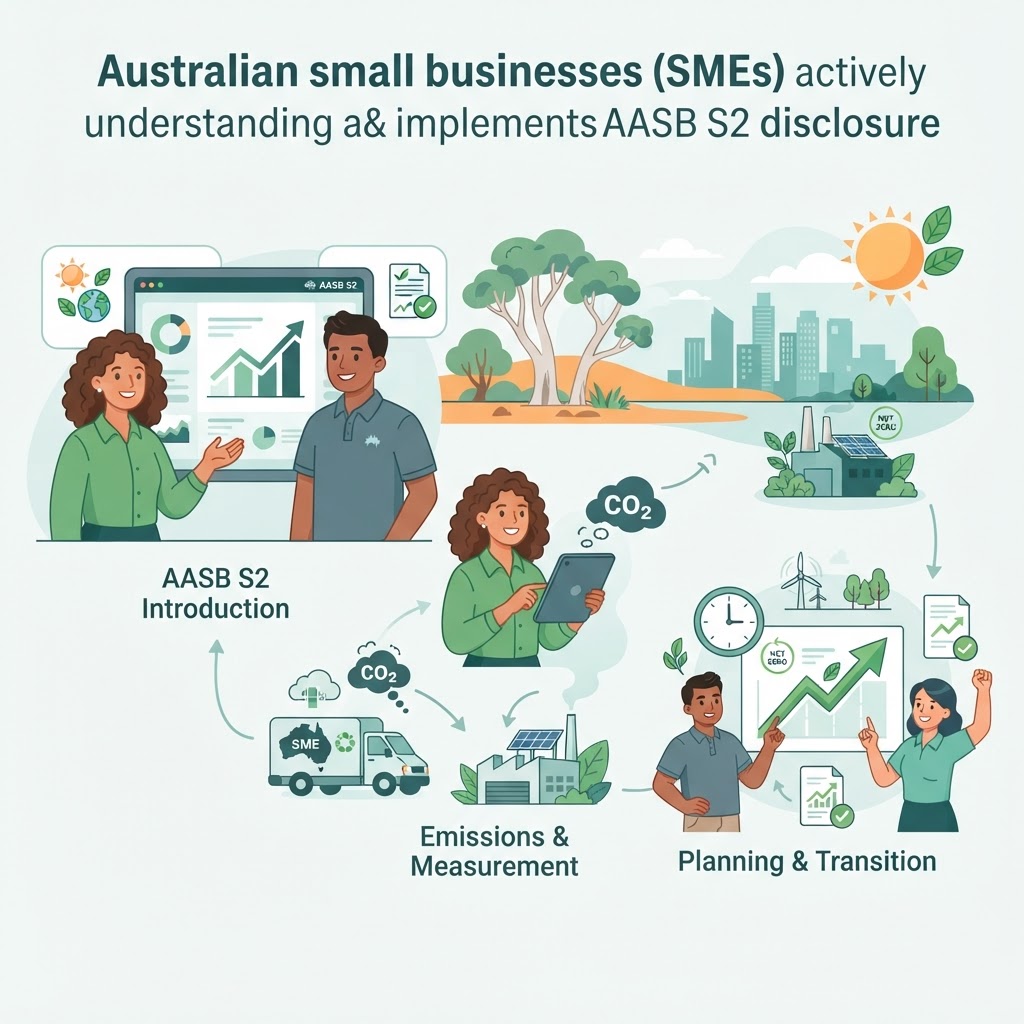
While AASB S2 primarily targets large entities, the ripple effect on Australian SMEs means that precise emissions reporting is now a non-negotiable requirement for winning major supply chain contracts.
Read blog
Discover the rigorous criteria Australian enterprise buyers use to assess SME sustainability credentials and how to ensure your carbon data stands up to scrutiny.
Read blog
Discover how Australian SMEs can use the latest National Greenhouse Accounts factors to build credible, evidence-backed sustainability tender responses.
Read blog
Streamline your next tender submission by gathering the essential carbon data and evidence-backed documentation Australian SMEs need to win.
Read blog
Learn how Australian SMEs can align with ACCC and ASIC expectations by building evidence-backed sustainability tender responses that avoid greenwashing pitfalls.
Read blog
Elevate your Australian SME's tender competitiveness by mastering the art of crafting evidence-backed sustainability responses, moving beyond claims to verifiable impact.
Read blog
Learn how to demystify carbon classifications to build accurate, defensible sustainability reports that help your SME win more procurement contracts.
Read blog
While AASB S2 targets large entities, Australian SMEs are feeling the ripple effects as major buyers now demand high-integrity climate data.
Read blog
Discover the precise criteria major Australian buyers use to vet SME sustainability claims and how to turn your carbon accounting data into a competitive tender advantage.
Read blog
Learn how Australian SMEs can leverage National Greenhouse Accounts factors to build ironclad, evidence-backed sustainability tender responses.
Read blog
Prepare your SME for competitive procurement by auditing your carbon data and documentation before the tender deadline hits.
Read blog
Learn how Australian SMEs can align their sustainability disclosures with ACCC and ASIC expectations to win government and corporate tenders.
Read blog
Learn how to transform your carbon data into a competitive advantage for Australian procurement tenders by focusing on transparency and verifiable evidence.
Read blog
Demystify the complexities of Scope 1, 2, and 3 emissions to build competitive, evidence-backed sustainability tender responses for Australian SMEs.
Read blog
Discover how the AASB S2 climate disclosure standard creates a ripple effect for Australian SMEs in the procurement supply chain.
Read blog
Discover how large Australian buyers evaluate SME sustainability claims and how you can prepare evidence-backed tender responses that stand up to scrutiny.
Read blog
Discover how Australian SMEs can leverage National Greenhouse Accounts factors to build audit-ready, evidence-based emissions reports for high-stakes tenders.
Read blog
Streamline your next tender submission by gathering the precise environmental data required to prove your sustainability claims.
Read blog
Learn how Australian SMEs can safeguard their reputation and win tenders by aligning their carbon accounting with ACCC and ASIC expectations.
Read blog
Learn how Australian SMEs can leverage precision carbon accounting to transform sustainability tender responses from generic claims into evidence-backed competitive advantages.
Read blog
Demystify the complexities of carbon accounting with our breakdown of Scope 1, 2, and 3 emissions tailored for Australian SMEs preparing for sustainability tenders.
Read blog
While AASB S2 primarily targets large entities, Australian SMEs in their supply chains are feeling the pressure to provide high-quality climate data to remain competitive in procurement.
Read blog
Discover how large Australian buyers evaluate SME sustainability claims and what data you need to win tenders in an era of strict climate scrutiny.
Read blog
National Greenhouse Accounts factors provide the regulated methodology Australian SMEs need to produce defensible, evidence-backed emissions data for sustainability tenders.
Read blog
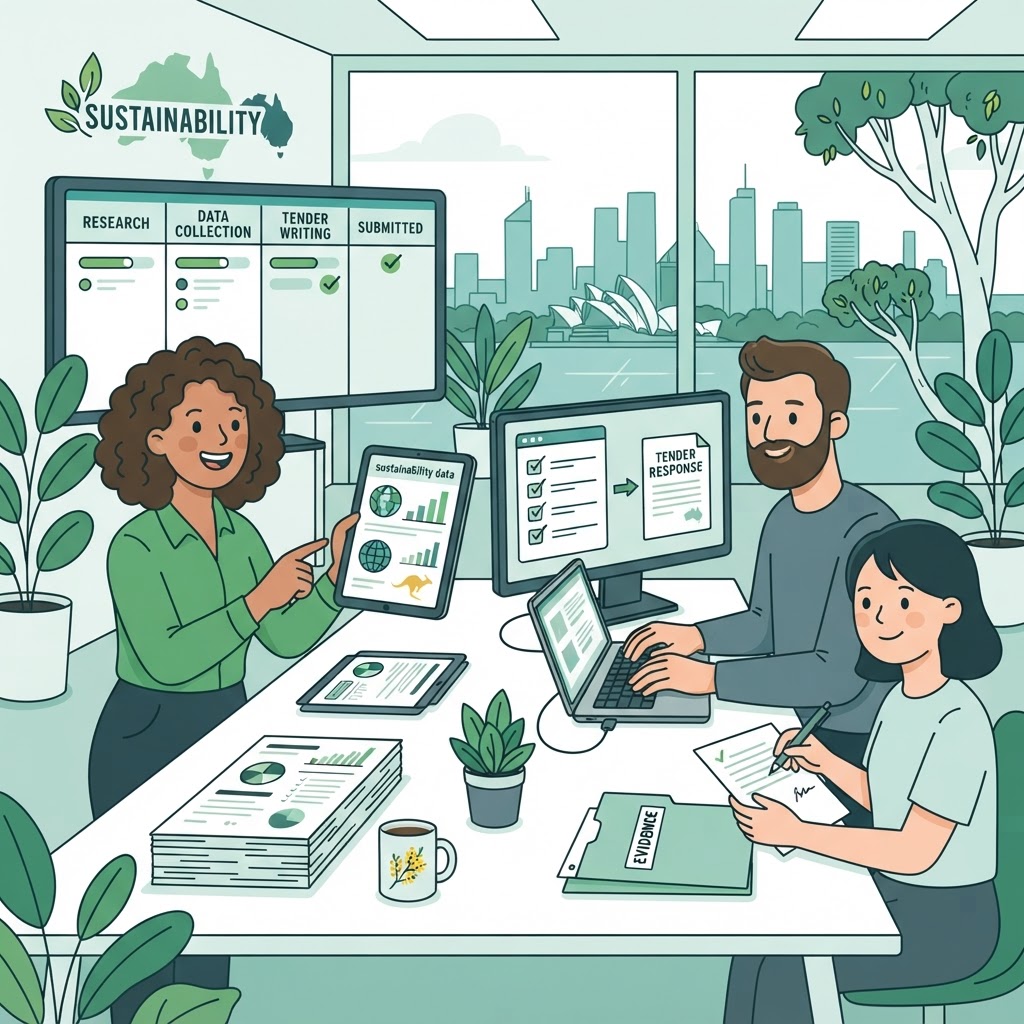
Australian SMEs can win more sustainability tenders by pre-assembling an evidence file of emissions data, methodology statements, and governance records.
Read blog
Discover strategies for Australian SMEs to avoid greenwashing and ensure compliance in sustainability initiatives.
Read blog
Empower your small business with evidence-backed sustainability tender responses that shine in competitive procurement processes.
Read blog
Learn how understanding Scope 1, 2, and 3 emissions can enhance sustainability responses for SMEs in Australia.
Read blog
Explore how AASB S2 affects Australian SMEs in carbon accounting and sustainability tenders.
Read blog
Understanding how large buyers assess sustainability credentials is vital for SMEs aiming for impactful tender responses.
Read blog
Learn how Australian SMEs can leverage National Greenhouse Accounts factors to enhance emissions reporting for sustainability tenders.
Read blog
A guide for Australian SMEs on the vital documents and data to collect before responding to sustainability tenders.
Read blog
Learn how Australian SMEs can meet ACCC and ASIC expectations while avoiding greenwashing in sustainability tenders.
Read blog
A guide for SMEs on crafting evidence-backed sustainability tender responses that meet Australian standards.
Read blog
A guide for Australian SMEs on how to navigate Scope 1, 2, and 3 emissions for effective sustainability reporting.
Read blog
Understanding AASB S2 is crucial for Australian SMEs to excel in sustainability tenders.
Read blog
Discover how large buyers assess sustainability credentials and what SMEs need to know for competitive advantage in procurement.
Read blog
Discover how Australian SMEs can accurately calculate emissions using National Greenhouse Accounts factors to enhance sustainability tender responses.
Read blog
Ensure your SME is prepared for sustainability tenders with this essential document checklist.
Read blog
Learn how Australian SMEs can avoid greenwashing and adhere to ACCC and ASIC guidelines in sustainability tenders.
Read blog
Learn how Australian SMEs can effectively prepare evidence-backed sustainability tender responses to enhance their procurement outcomes.
Read blog
Unlock the essentials of Scope 1, 2, and 3 emissions and their significance for SMEs in the sustainability tender landscape.
Read blog
Explore what AASB S2 climate disclosure means for SMEs navigating sustainability compliance in Australia.
Read blog
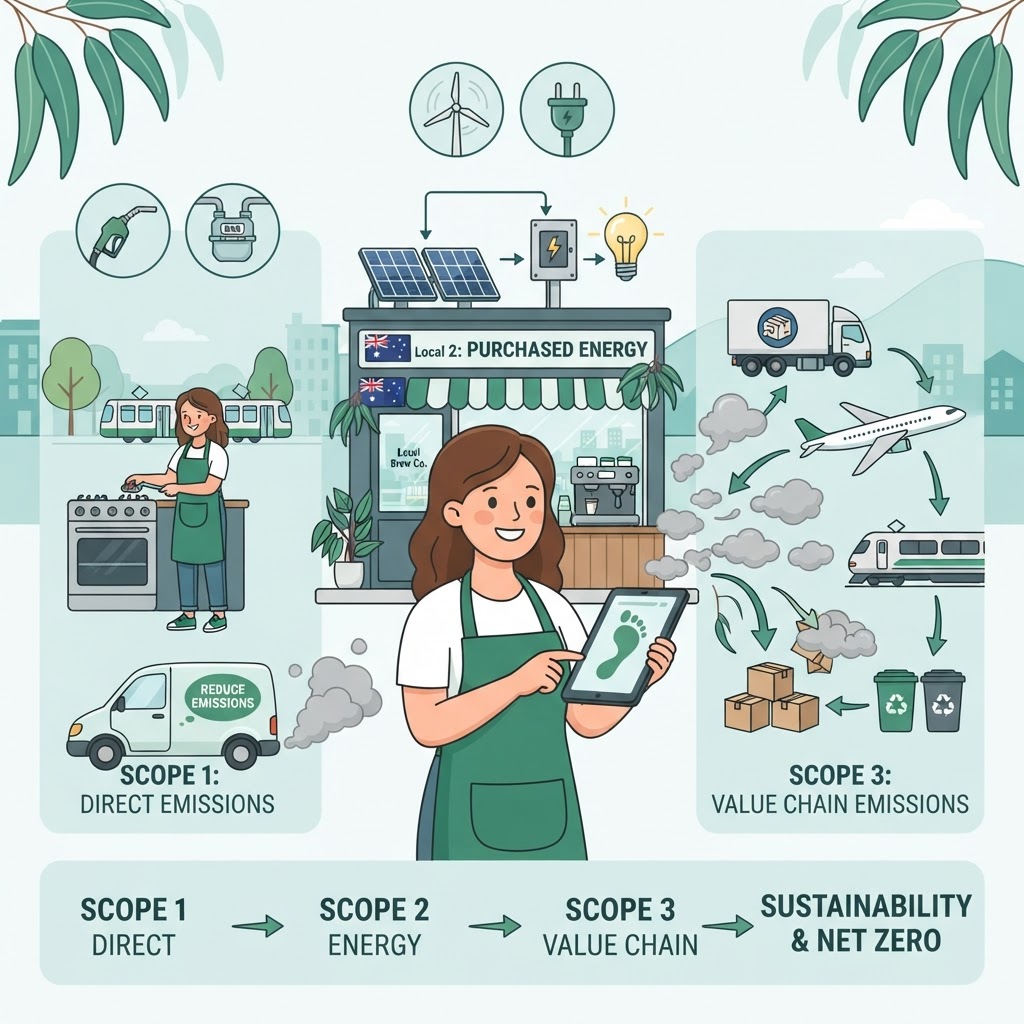
For many Australian SMEs, the transition toward net-zero is no longer optional but a competitive necessity driven by procurement requirements. As major buyers and government agencies increasingly demand evidence-backed sustainability data, understanding the three tiers of emissions—known as Scopes 1, 2, and 3—is the foundational step for any business looking to secure a sustainability tender. By accurately mapping your carbon footprint, you move from vague sustainability promises to defensible, data-driven reporting that aligns with both local and international expectations.
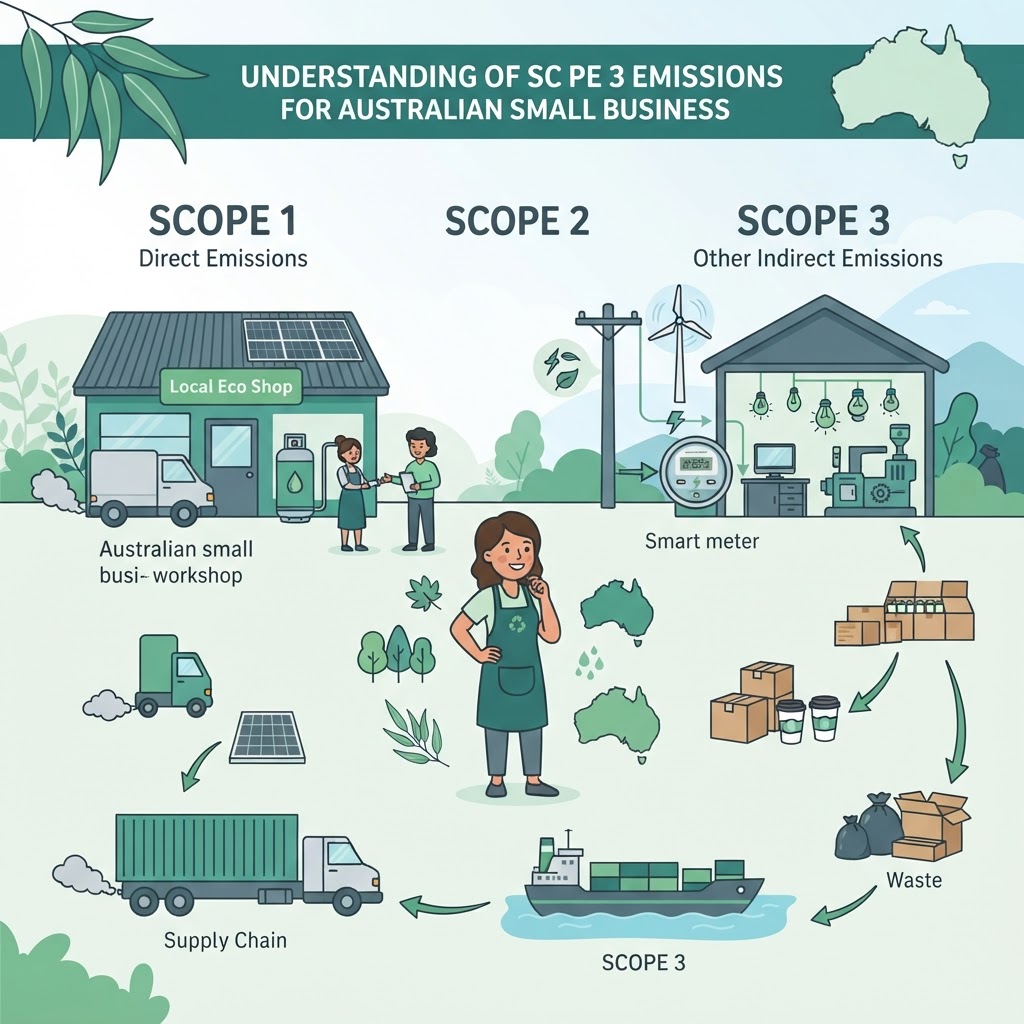
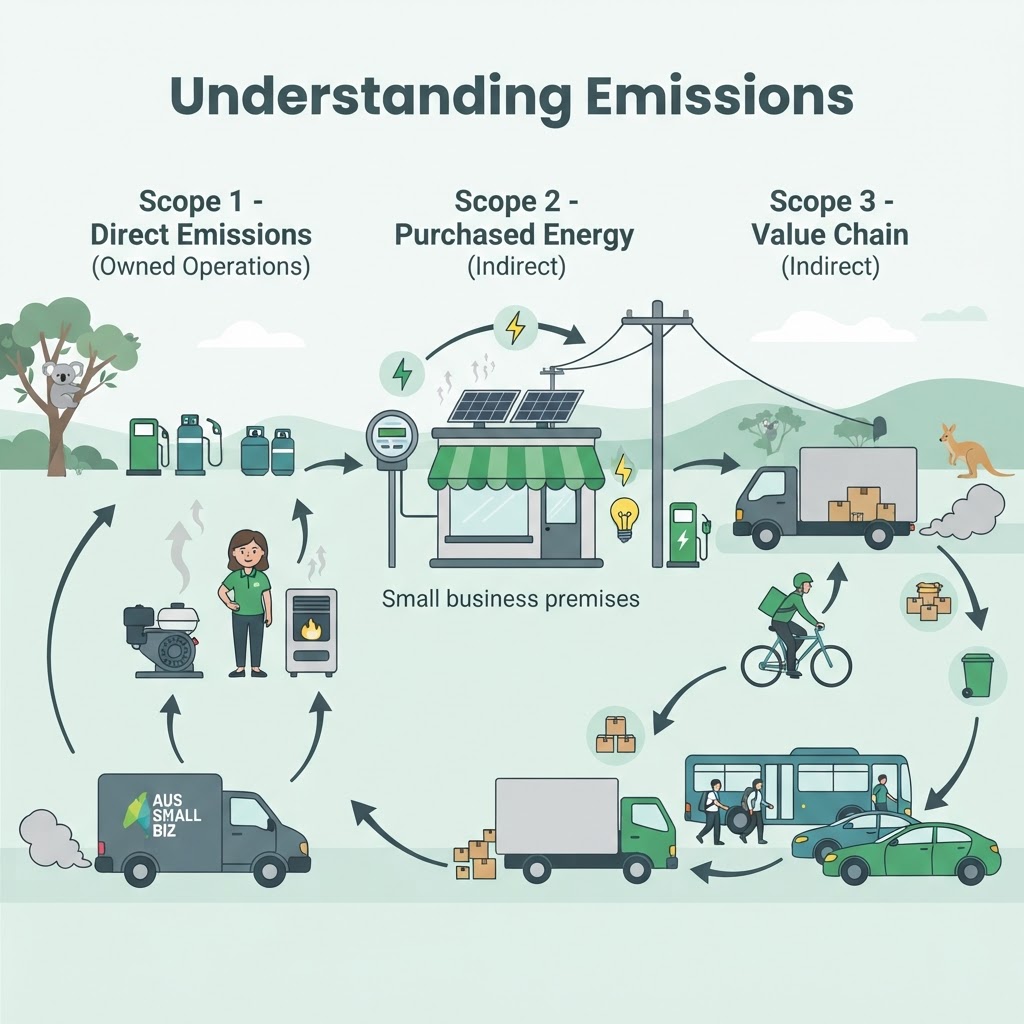
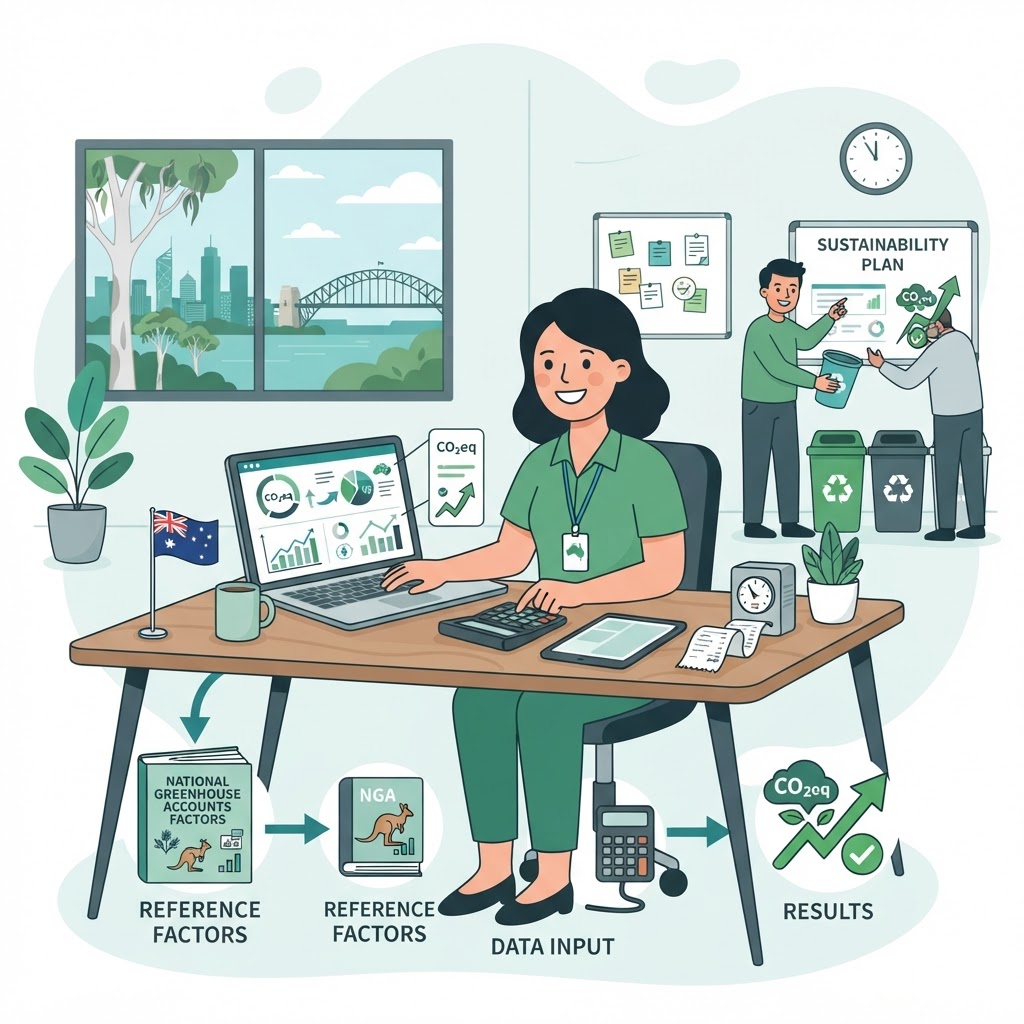
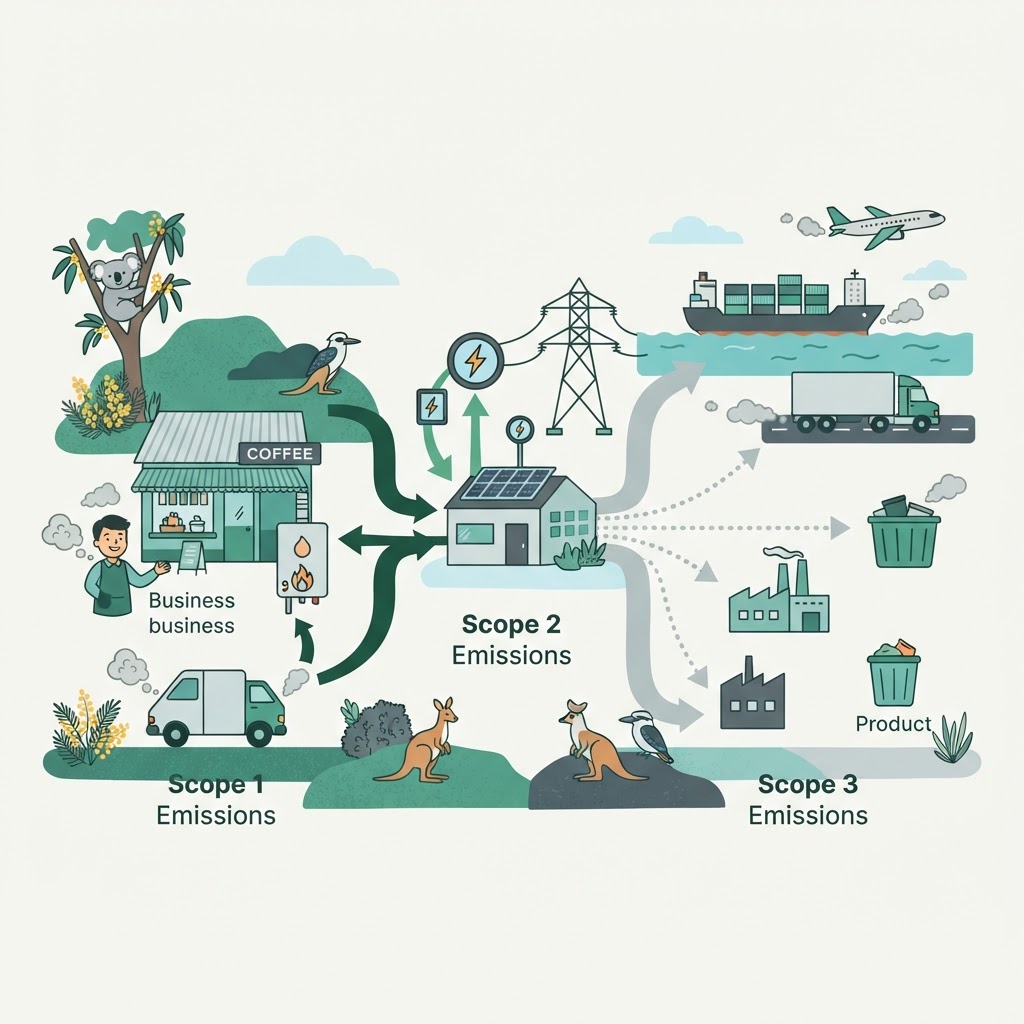
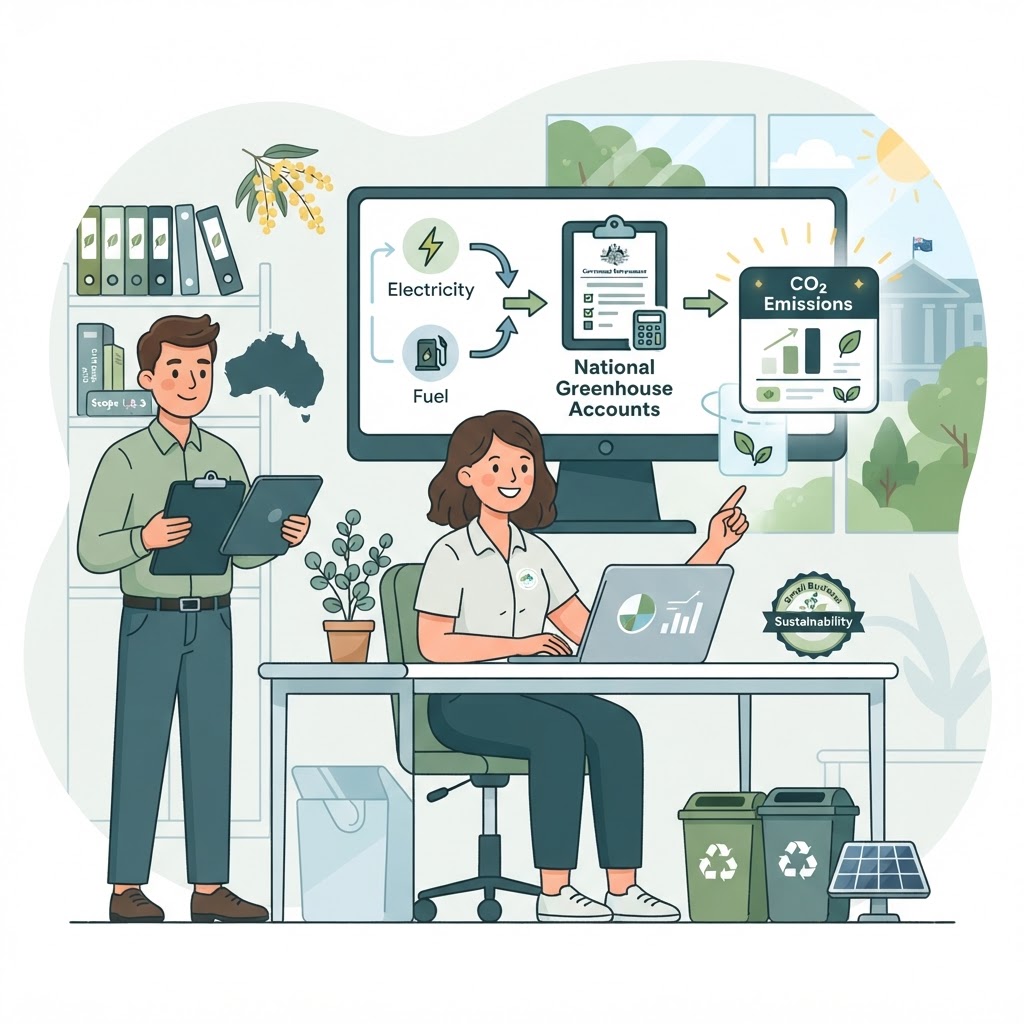
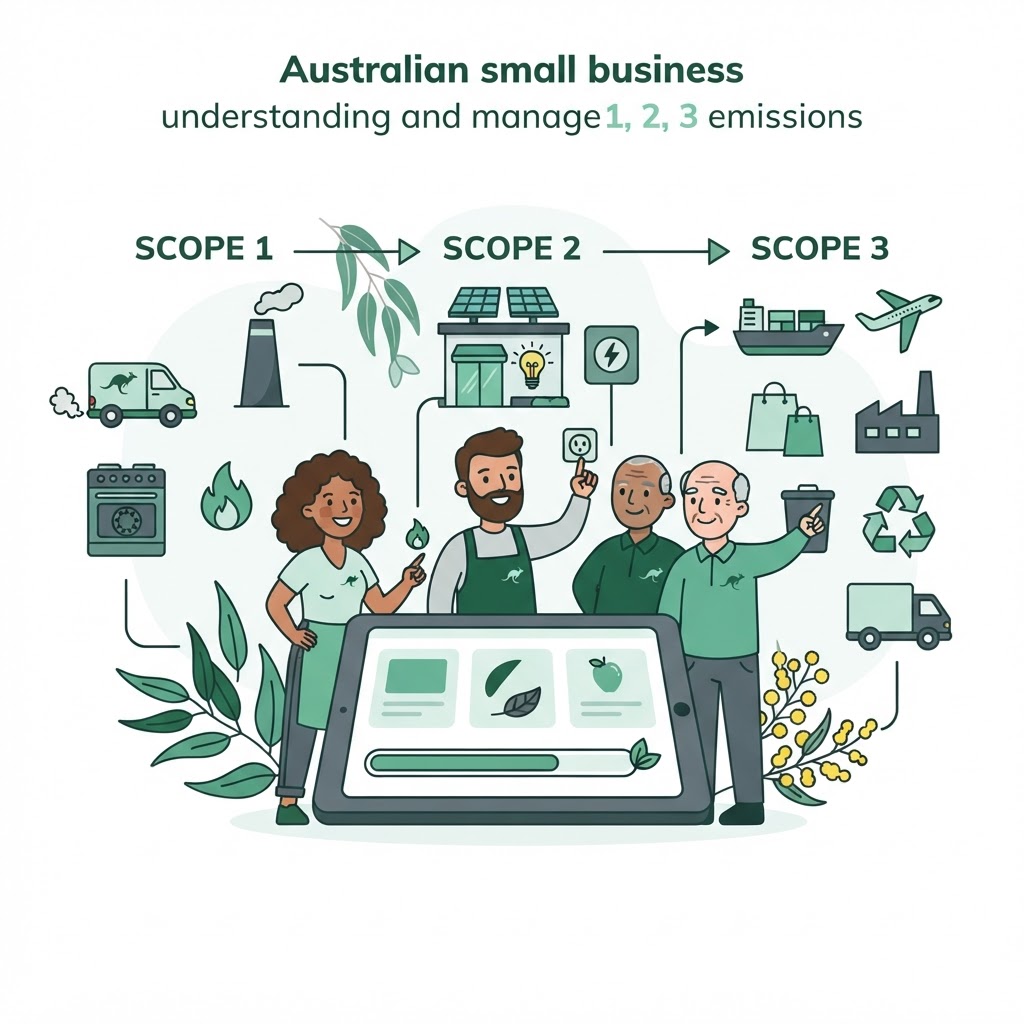
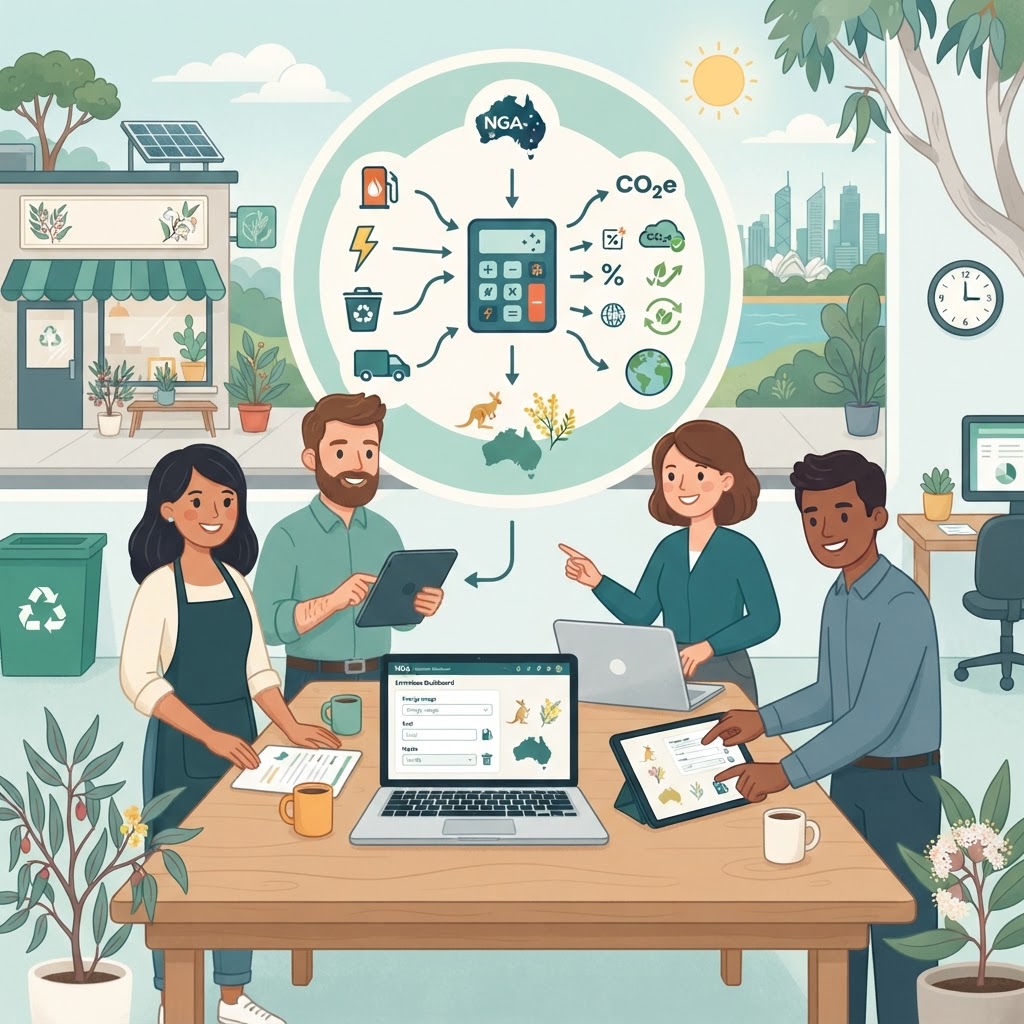
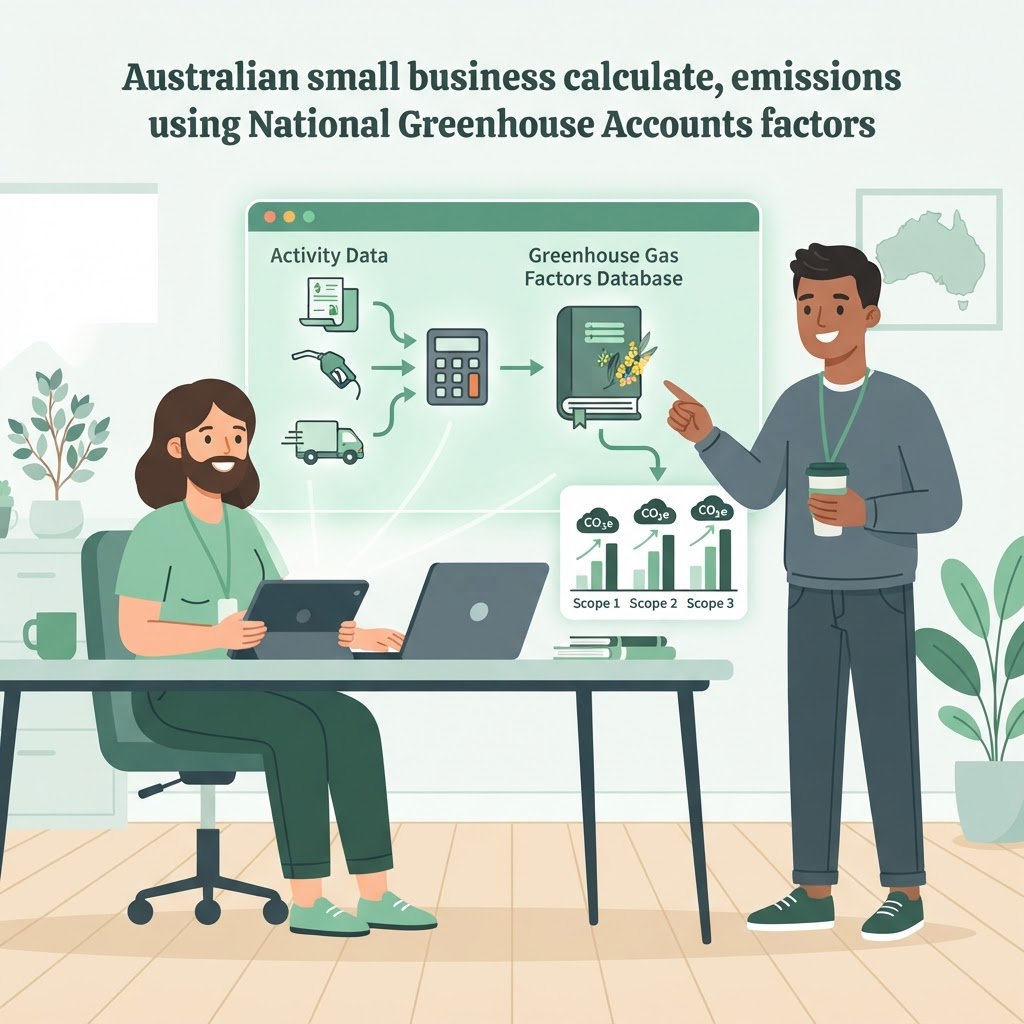
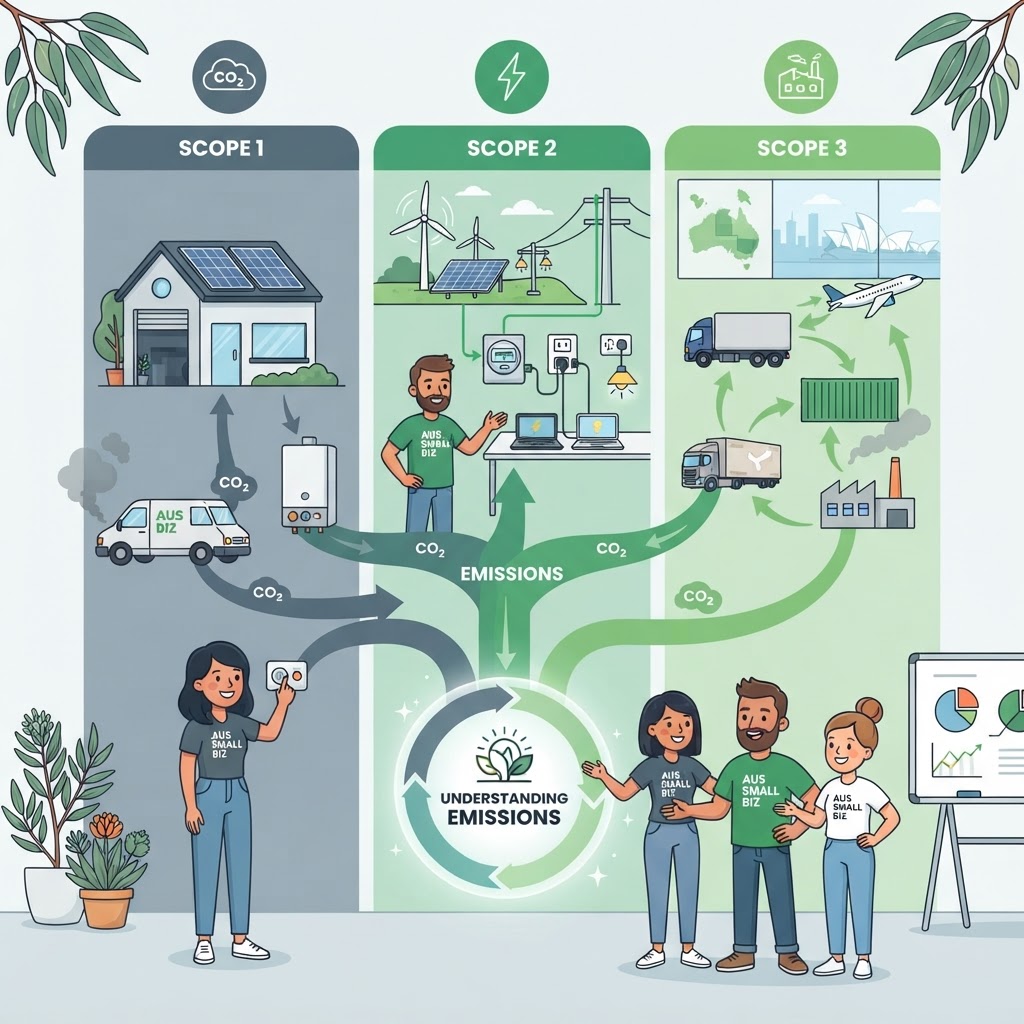
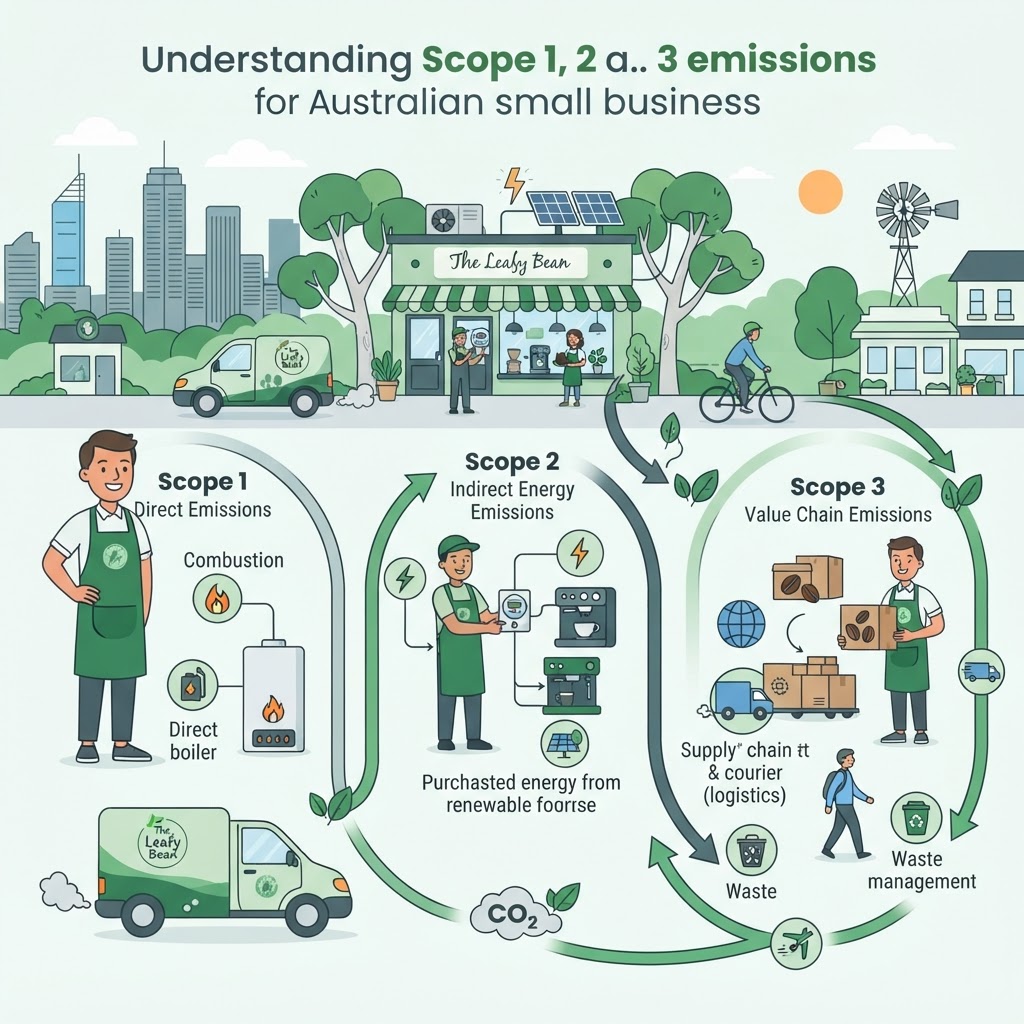
Scope 1 emissions cover the direct greenhouse gas emissions from sources that your business owns or controls. For an Australian SME, this typically involves fuel combustion in company-owned vehicles or gas usage for heating, cooling, and manufacturing processes on your premises. Because these emissions occur on-site or within your direct operations, they are often the most straightforward to measure. Using the latest National Greenhouse Accounts (NGA) factors is essential here, as these government-standardised metrics provide the precision needed for credible carbon accounting.
Scope 2 emissions are indirect emissions resulting from the generation of purchased electricity, heat, or cooling. While you don’t burn the fuel yourself, the consumption of grid-based electricity to run your office or machinery creates an environmental impact that you are responsible for reporting. For SMEs, calculating Scope 2 is a vital component of emissions reporting that highlights your reliance on the energy market. By shifting to renewable energy certificates or solar installations, businesses can significantly reduce this portion of their total carbon footprint.
Scope 3 represents the largest challenge for most organisations—and often the most significant portion of their footprint. These are indirect emissions that occur in your value chain, including both upstream and downstream activities. This includes everything from the carbon footprint of your purchased goods and services to staff travel, waste management, and the eventual disposal of the products you sell. While capturing Scope 3 data can be complex, it is increasingly requested by large-scale procurement teams who need to understand the holistic impact of their suppliers.
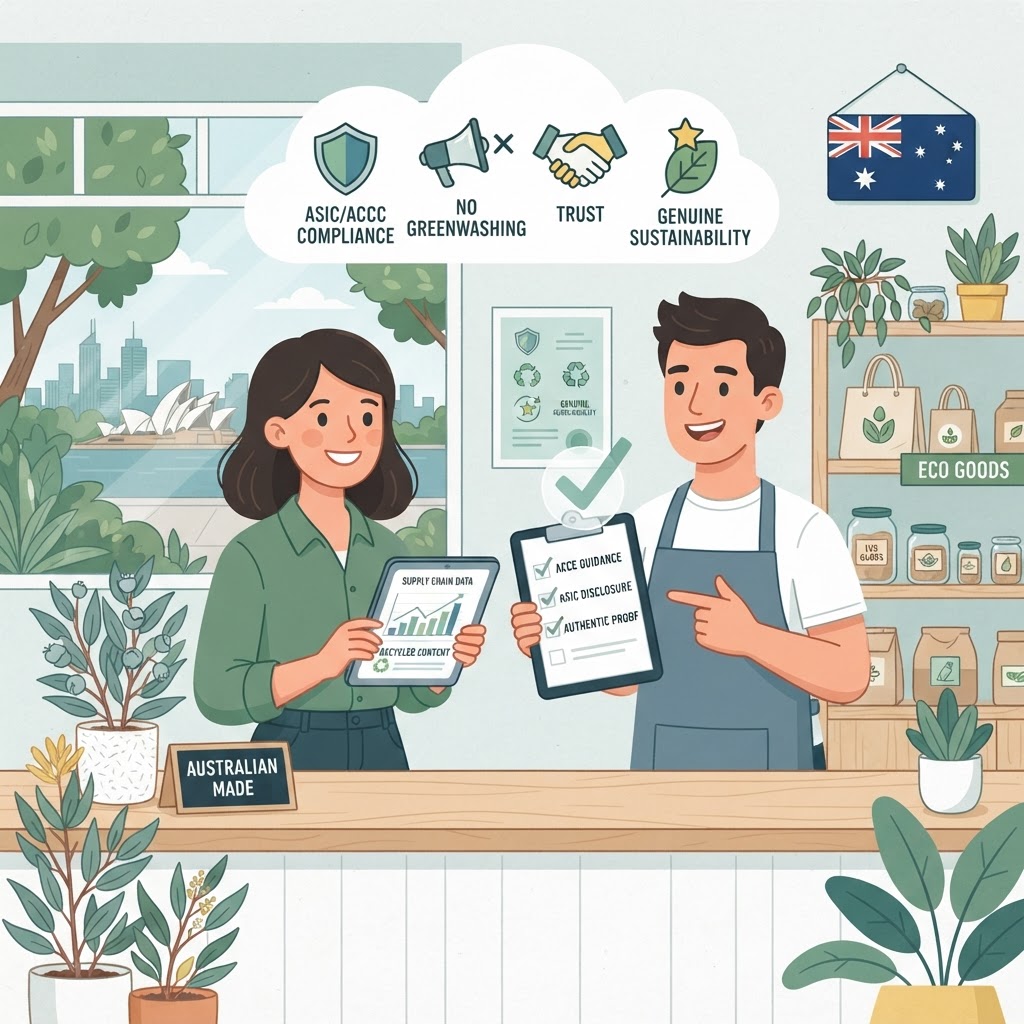
In the current Australian regulatory landscape, the ACCC is vigilant regarding greenwashing, and ASIC’s guidance in INFO 271 underscores the importance of having a reasonable basis for all sustainability claims. When you categorise your emissions, you must ensure that your data is verifiable. Relying on guesswork can expose your business to legal and reputational risks. Using a robust carbon accounting platform allows you to map your Scopes 1, 2, and 3 accurately, providing the evidence-backed documentation that protects you during audits and strengthens your position in competitive tender processes.
Accurate carbon reporting does more than just ensure compliance with emerging standards like the AASB S2 Climate Disclosure requirements; it provides a roadmap for operational efficiency. When you understand exactly where your emissions are concentrated, you can identify cost-saving opportunities, such as energy efficiency improvements or more sustainable logistics partners. As Australian SMEs look to scale, integrating carbon accounting into core business processes becomes a powerful tool to differentiate your brand, demonstrate transparency to buyers, and ensure your business remains a preferred partner in an increasingly green economy.
Accurate measurement is the first step toward meaningful climate action. Don’t let complex carbon classifications hinder your ability to win government and enterprise tenders. ScopeTrack empowers Australian SMEs to automate their emissions reporting and produce evidence-backed data that stands up to scrutiny. Visit our platform to see how we simplify Scope 1, 2, and 3 reporting so you can focus on winning the next bid.

Why is Scope 3 reporting becoming essential for Australian SMEs?
Scope 3 emissions often represent the largest share of a company's footprint, and major Australian buyers increasingly require this data to calculate their own total emissions impact.
How do I ensure my emissions reporting is compliant with Australian standards?
To ensure compliance, SMEs should use the National Greenhouse Accounts (NGA) factors and align their disclosure processes with the rigorous expectations set out in ASIC INFO 271 to avoid greenwashing.
What is the primary difference between Scope 1 and Scope 2?
Scope 1 emissions are direct emissions from sources you own or control, such as company vehicles, while Scope 2 refers to indirect emissions from the generation of purchased electricity or heating.