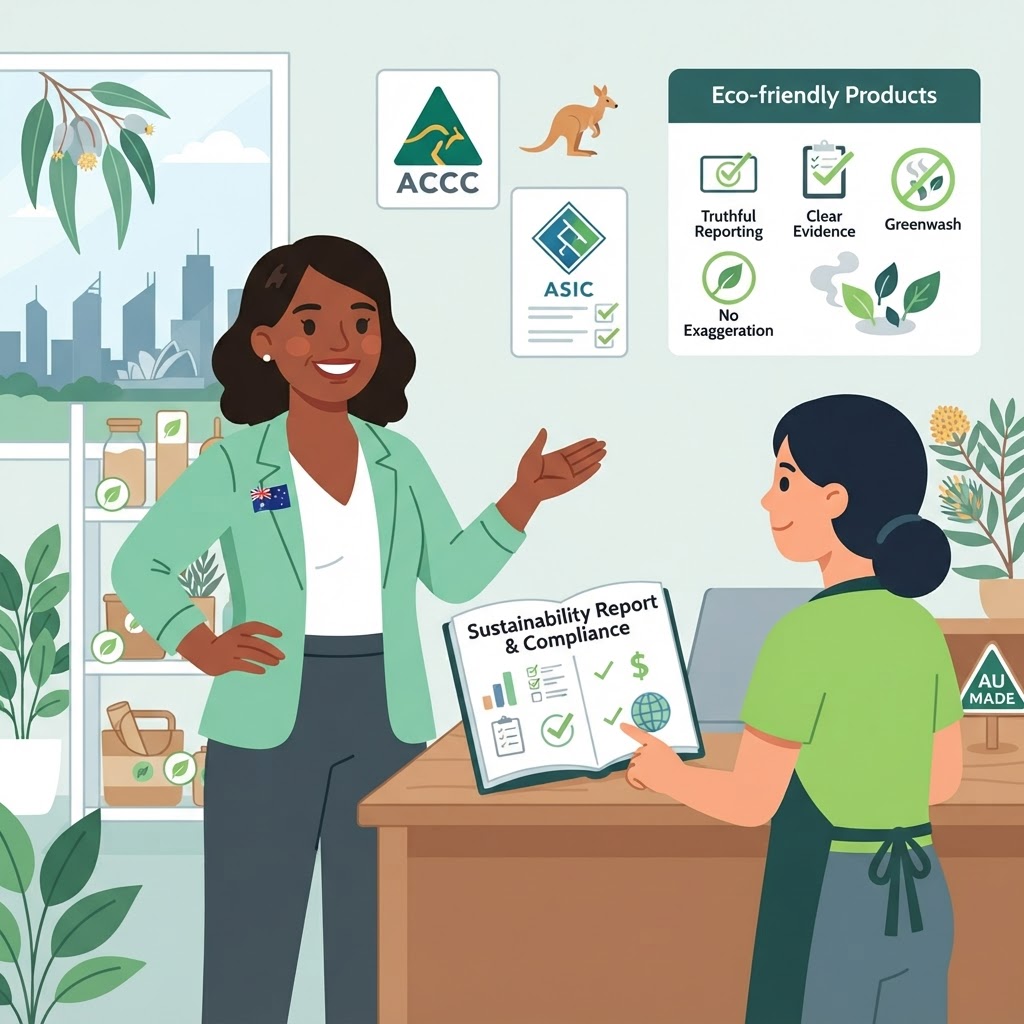
Beyond Greenwashing: Ensuring Regulatory Integrity in Your Carbon Reporting
Learn how Australian SMEs can navigate ACCC and ASIC guidelines to produce evidence-backed sustainability tender responses that stand up to regulatory scrutiny.
Read blogPractical PrimeGreen guidance for SMEs preparing stronger sustainability tender responses.

Learn how Australian SMEs can navigate ACCC and ASIC guidelines to produce evidence-backed sustainability tender responses that stand up to regulatory scrutiny.
Read blog
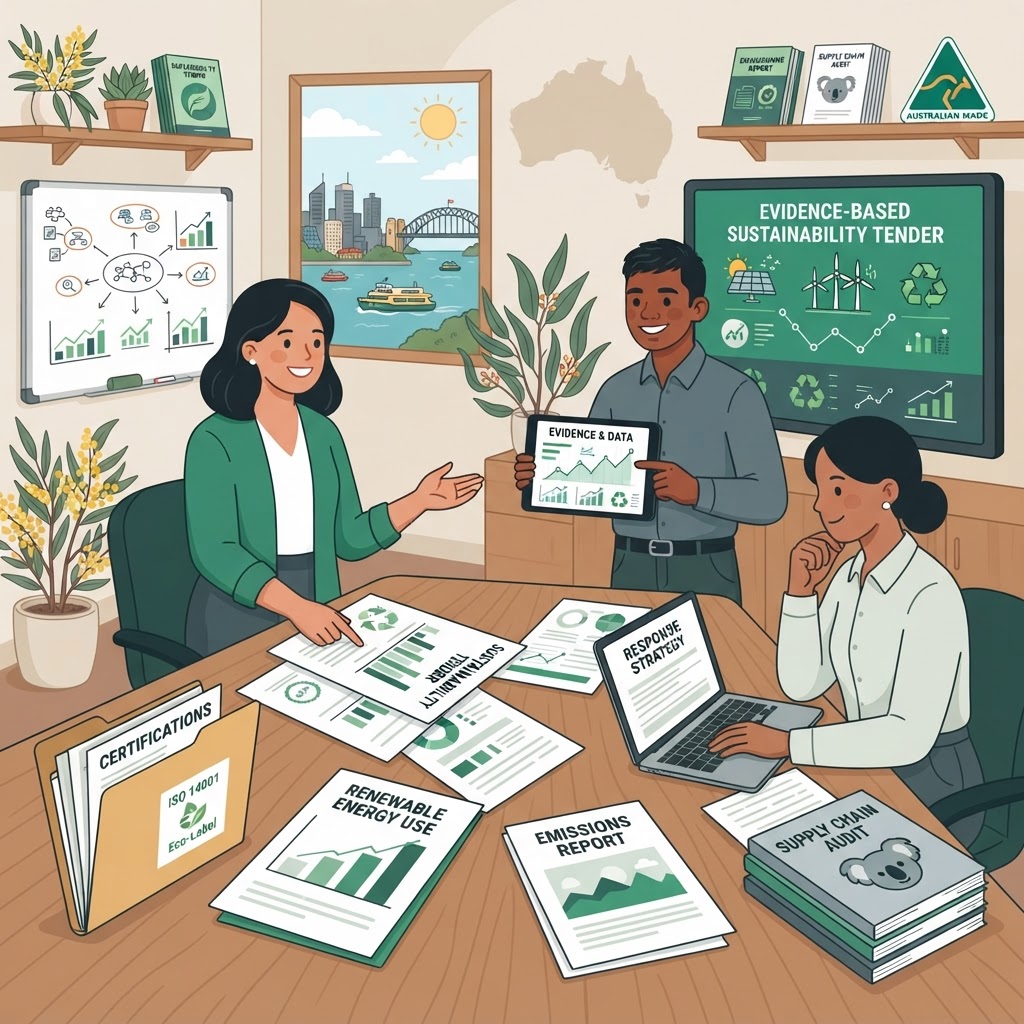
Learn how Australian SMEs can build trust with enterprise buyers by transforming raw data into verified, evidence-backed sustainability tender responses.
Read blog
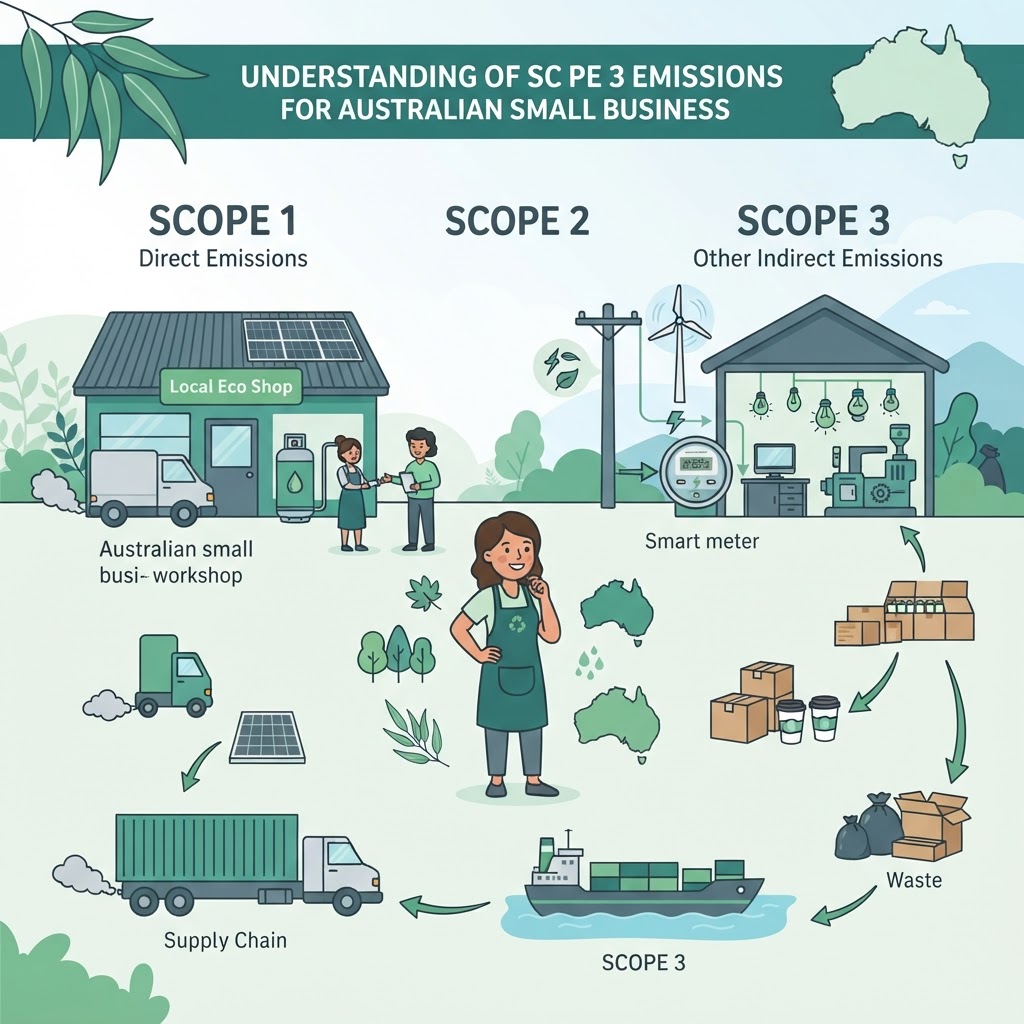
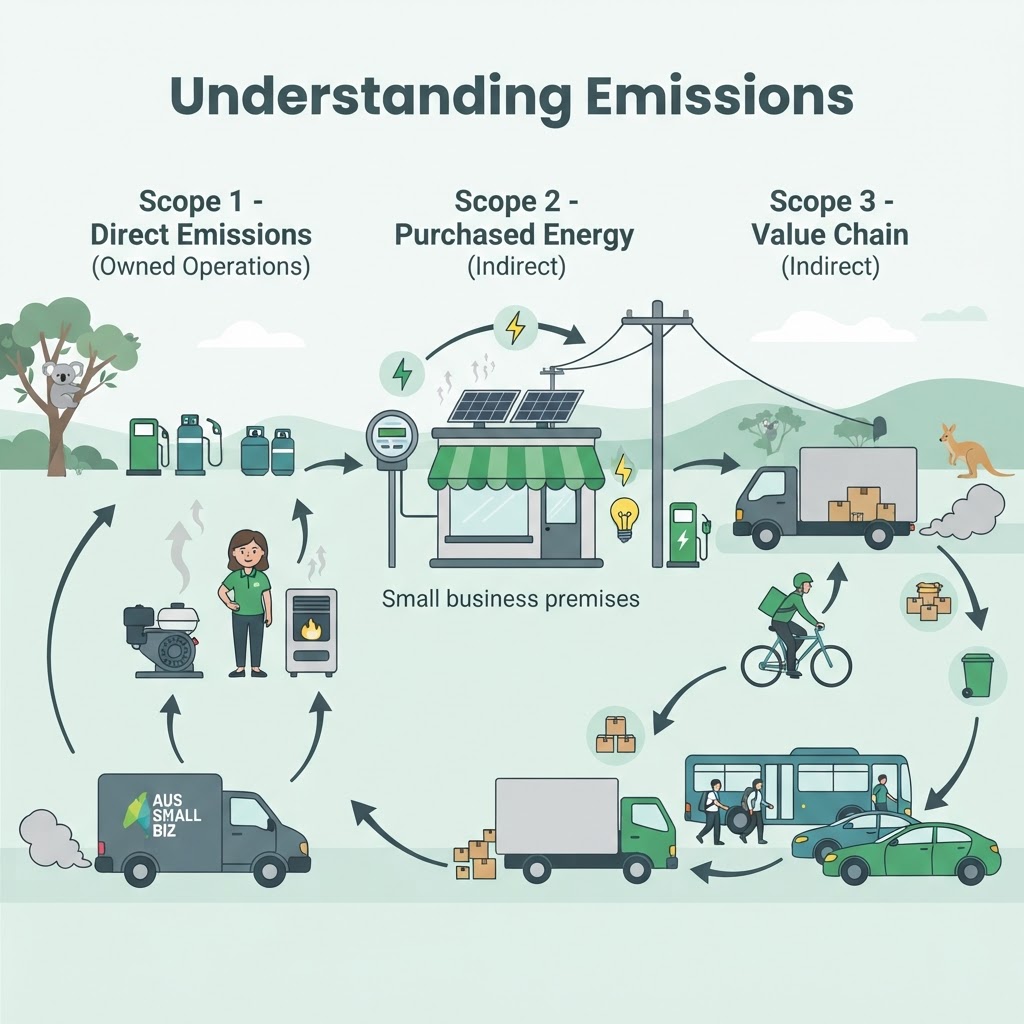
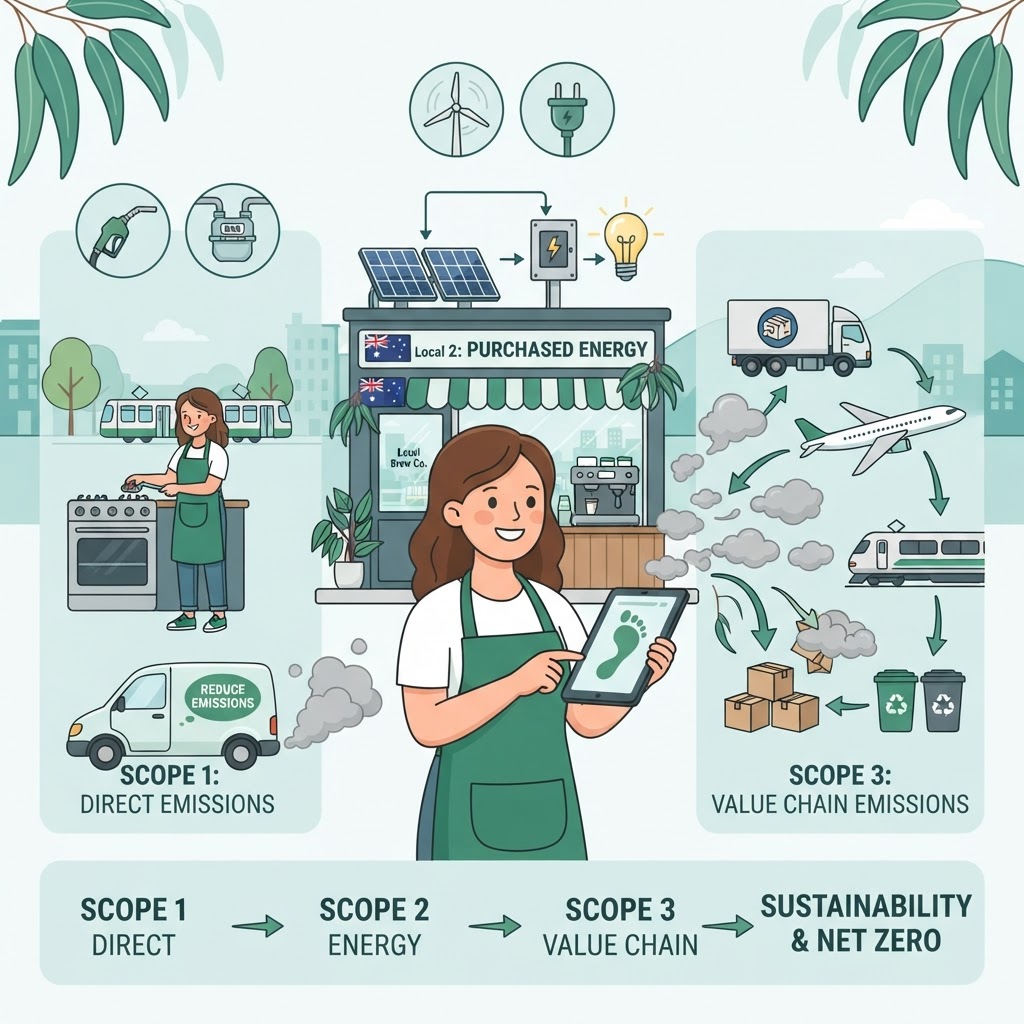
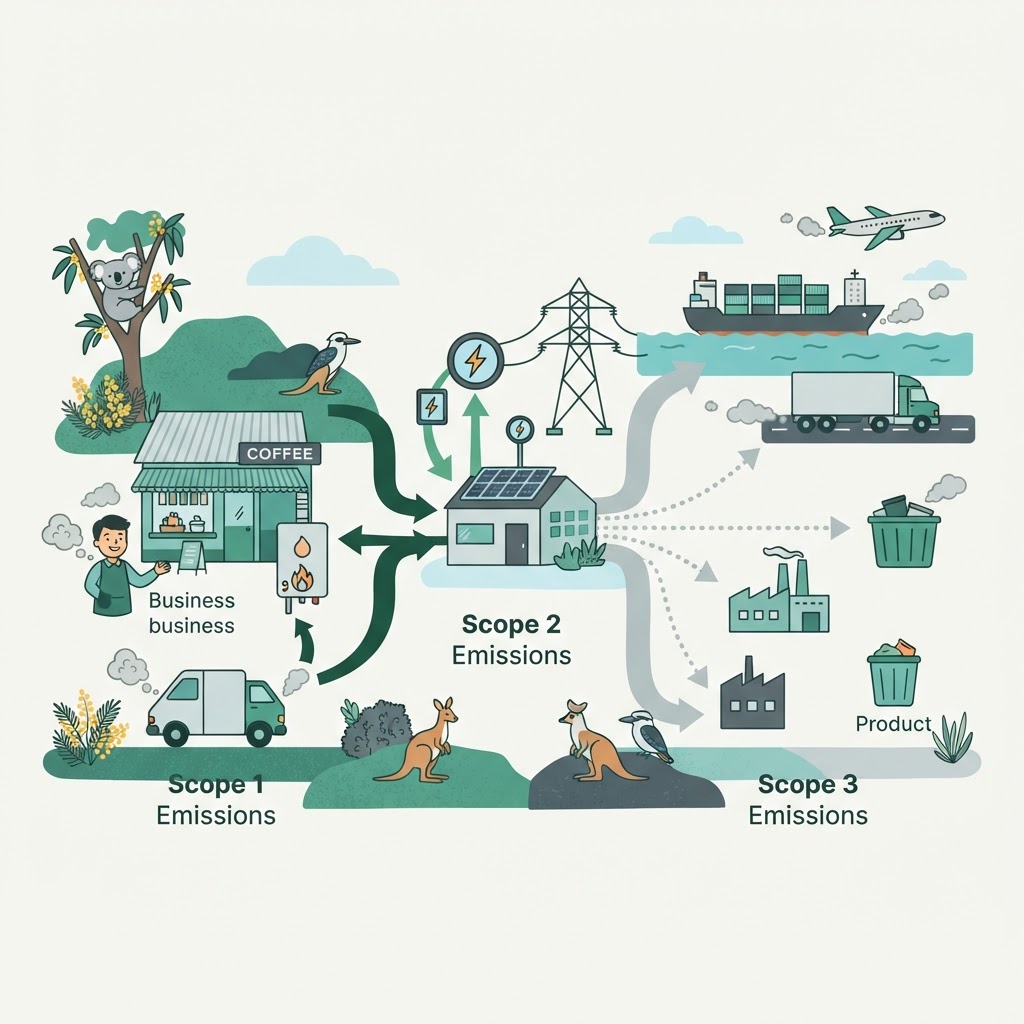
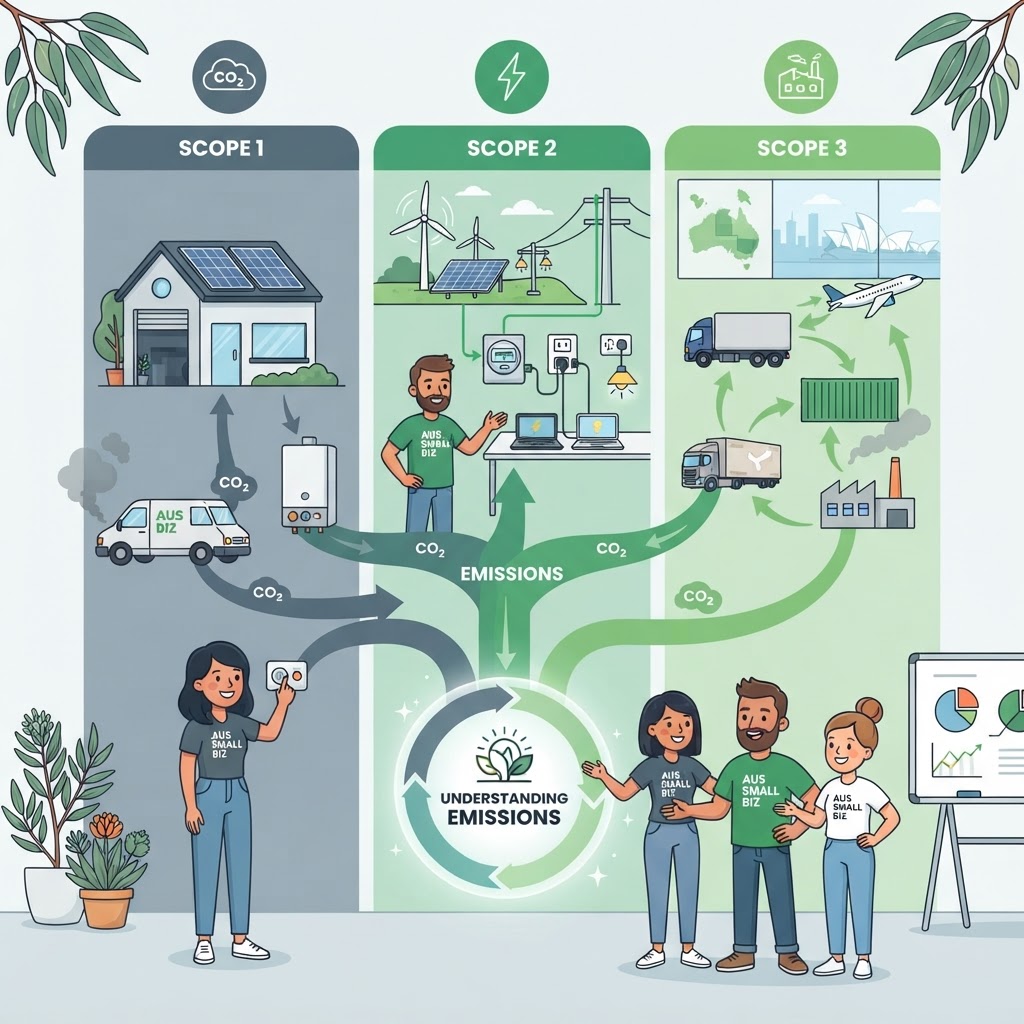
Demystify the complexities of Scope 1, 2, and 3 emissions to sharpen your sustainability tender responses and meet Australian procurement requirements.
Read blog
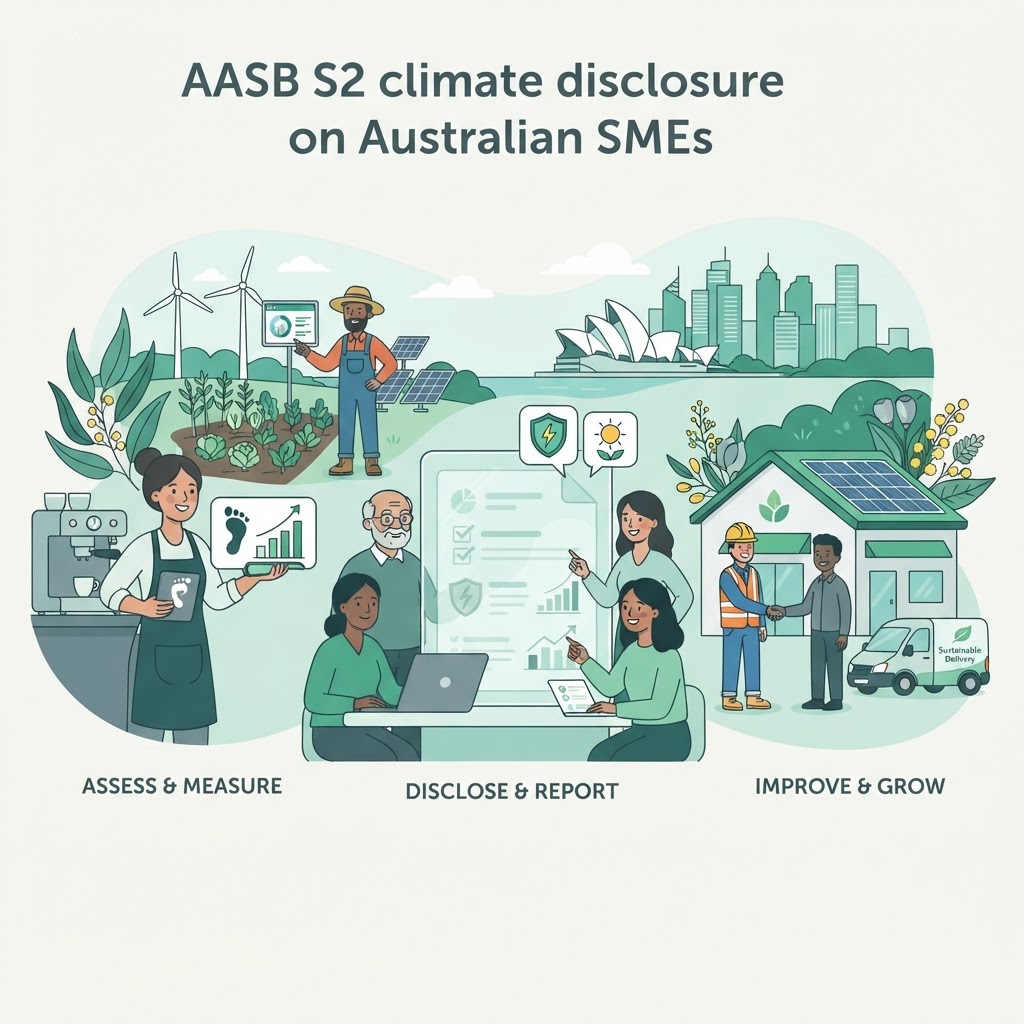
Discover how the AASB S2 climate reporting standards are filtering down to Australian SMEs and how to prepare your data for procurement success.
Read blog
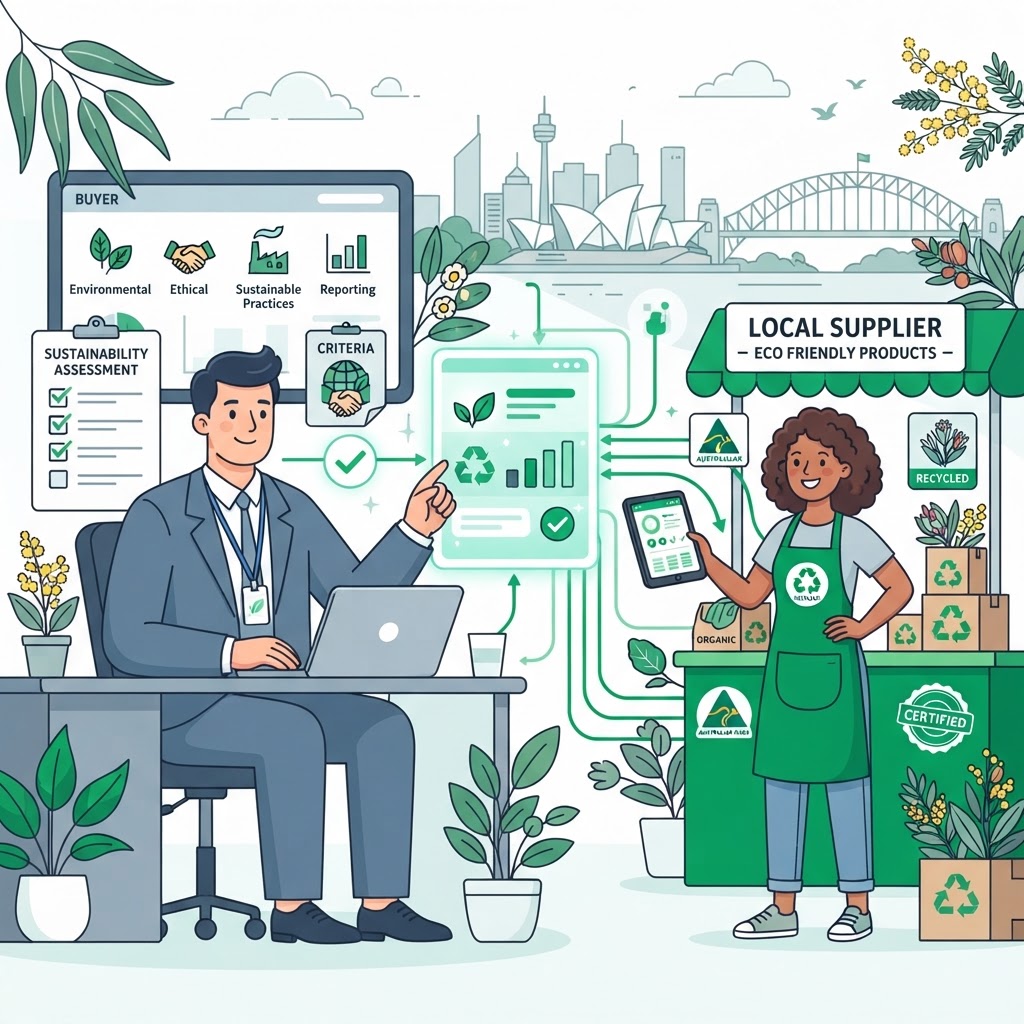
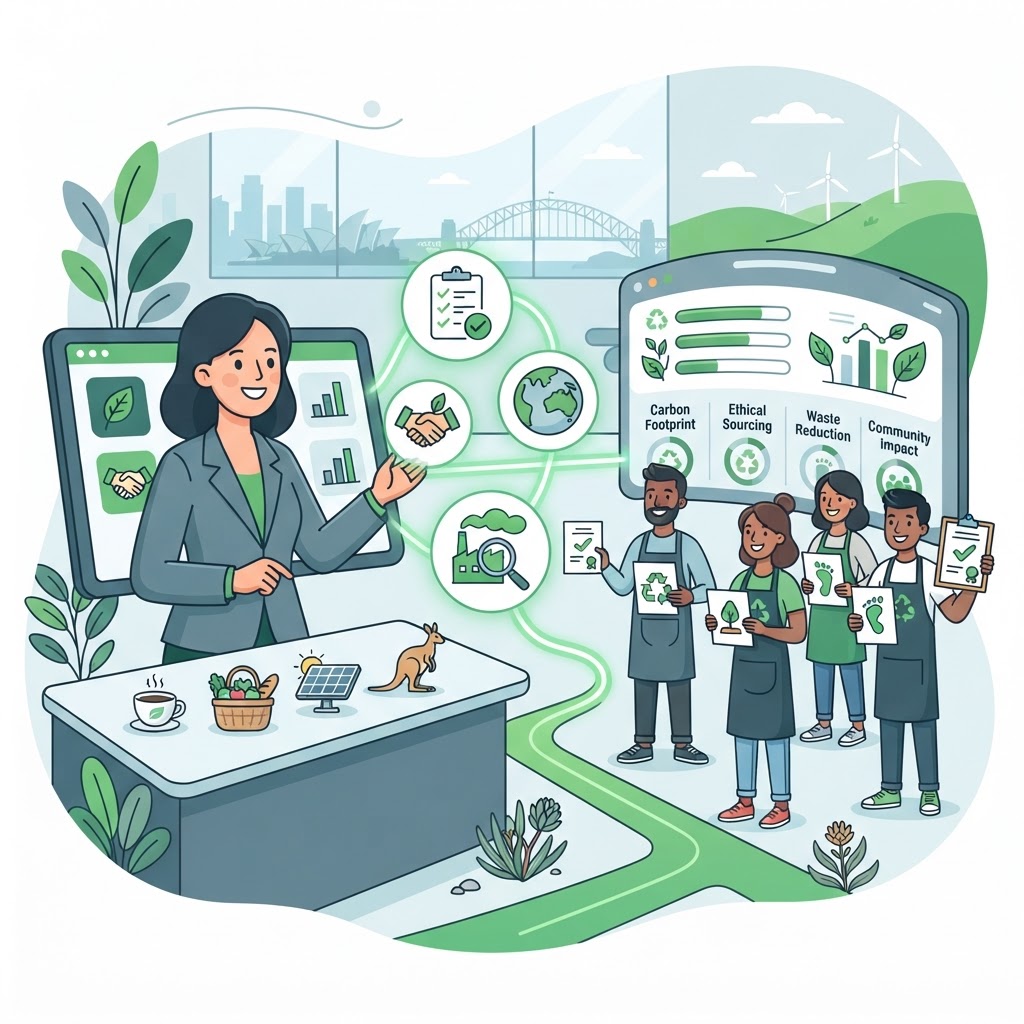
Discover how major Australian enterprise buyers evaluate supplier sustainability and what evidence you need to secure your next contract.
Read blog
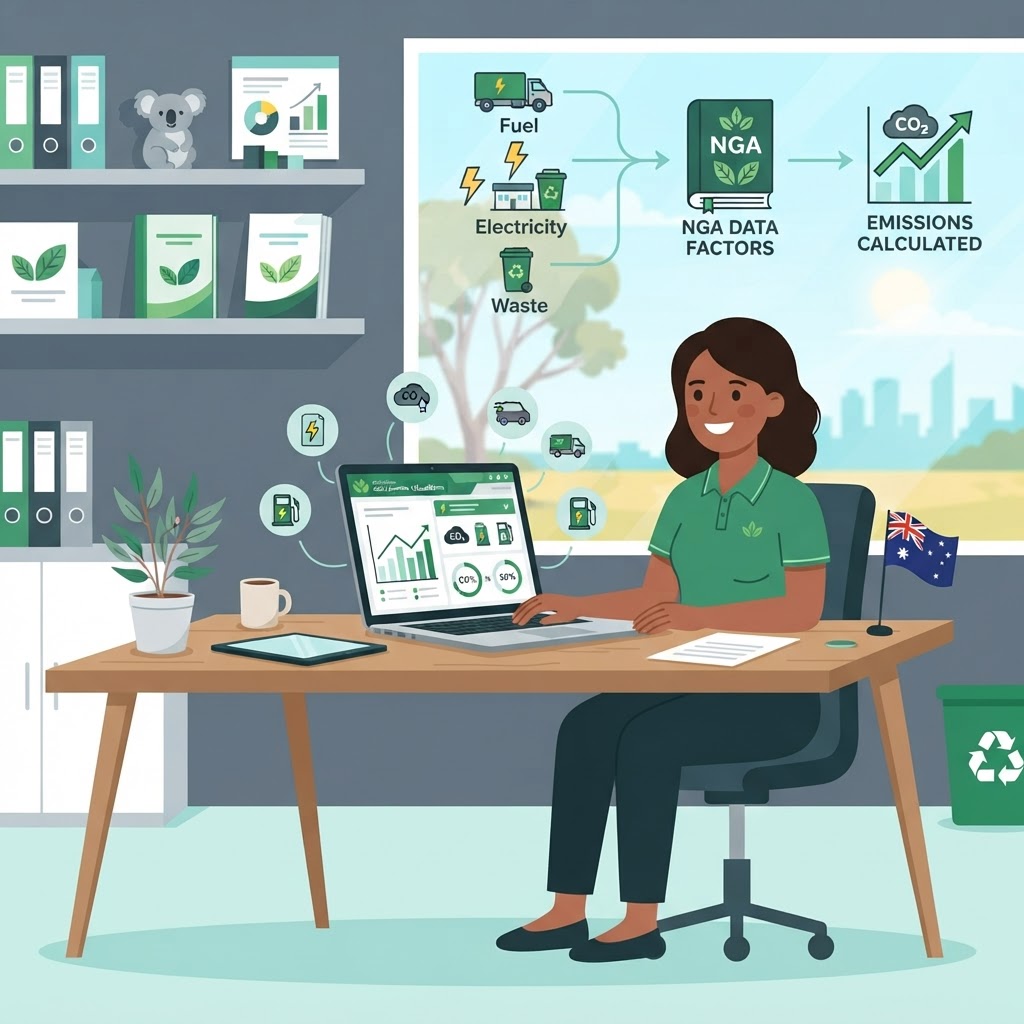
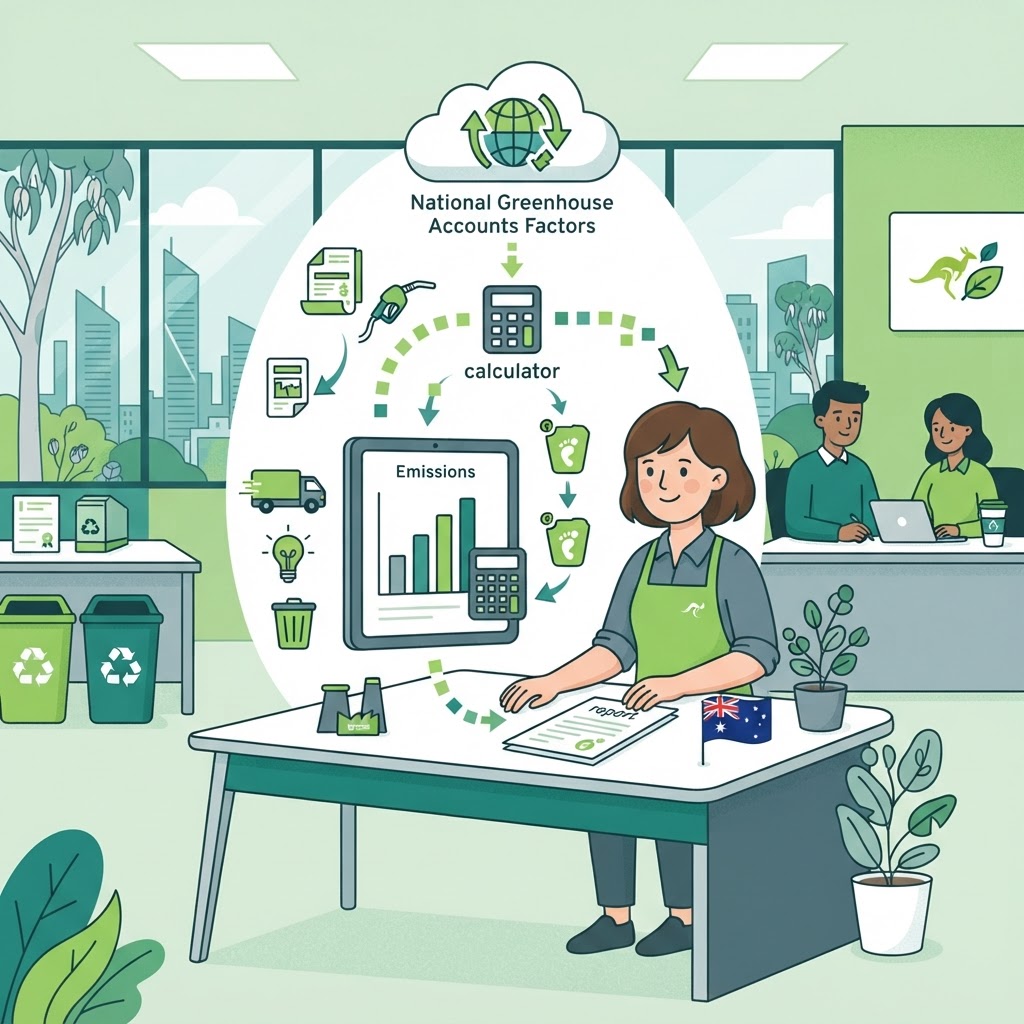
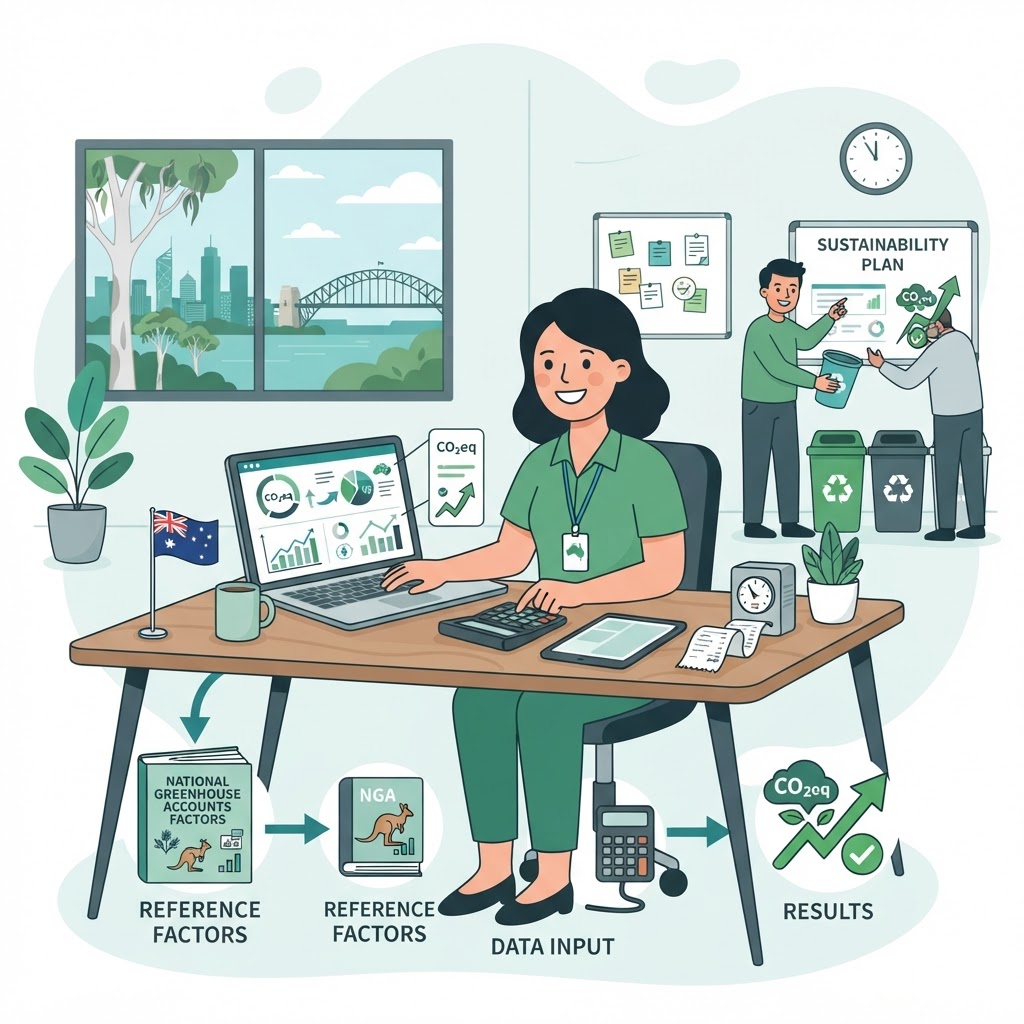
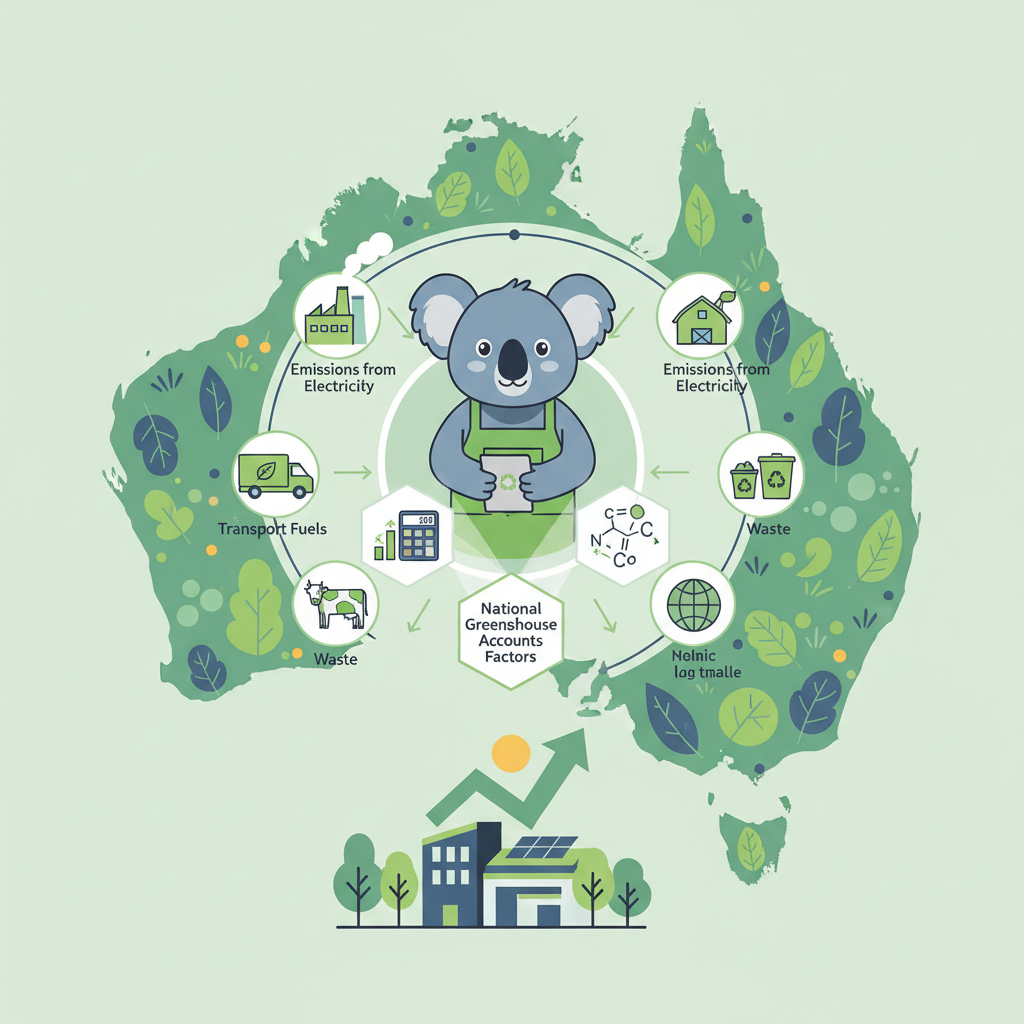
Learn how to use official National Greenhouse Accounts factors to build audit-ready emissions data for competitive Australian sustainability tenders.
Read blog
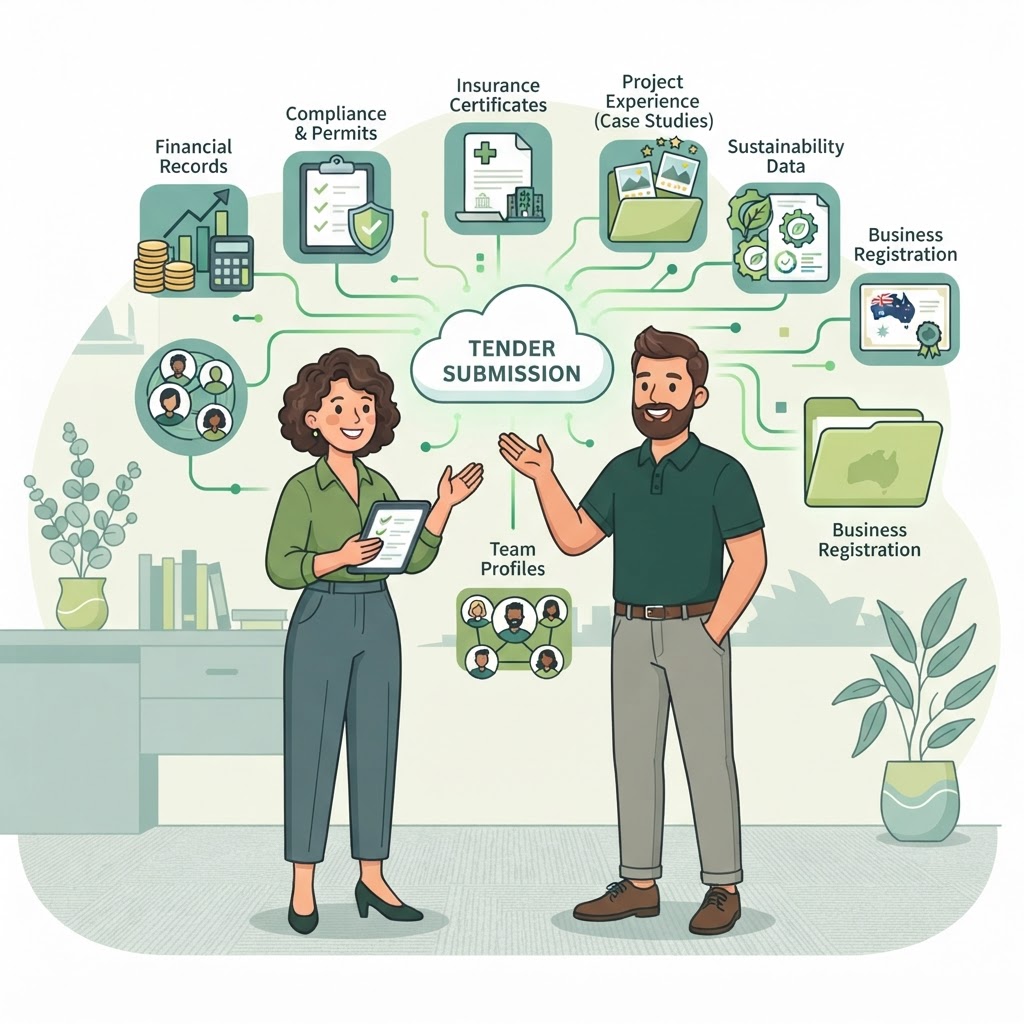
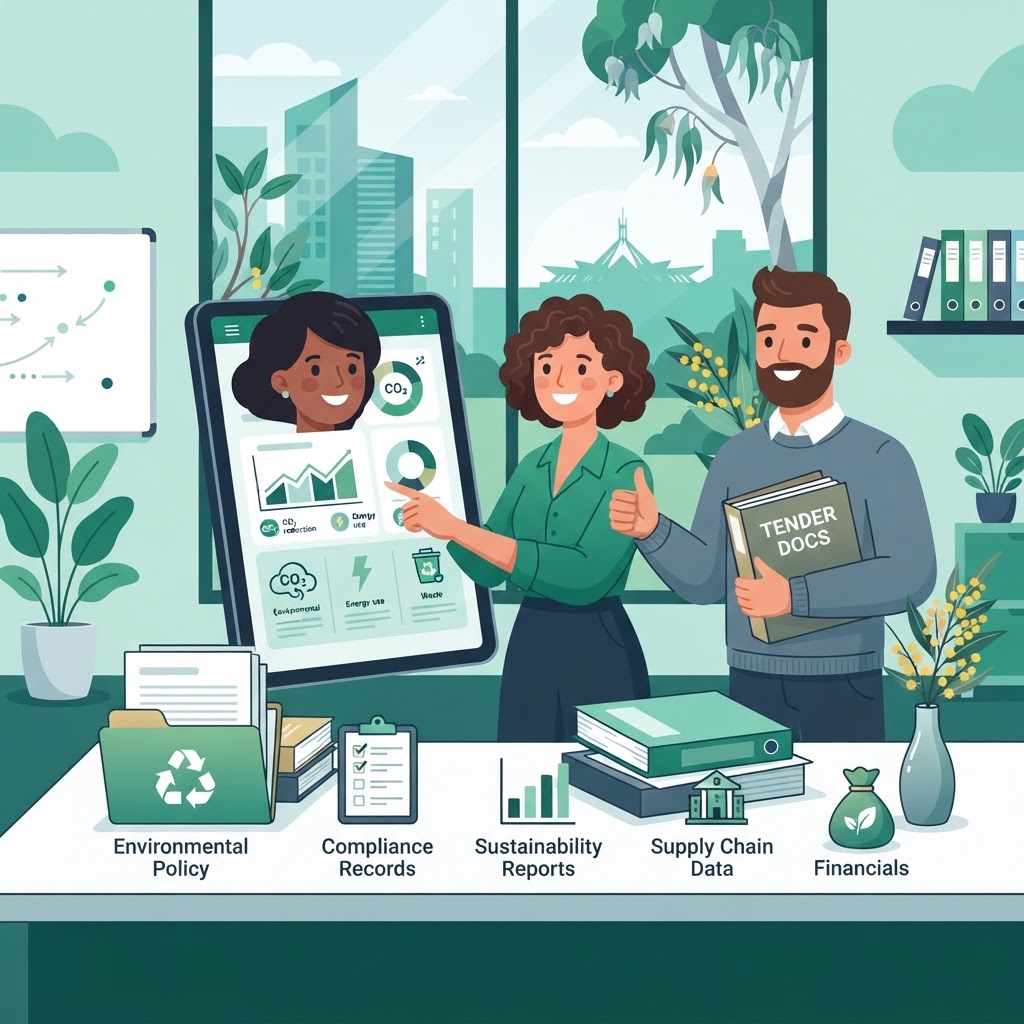
Streamline your next procurement bid by preparing the essential carbon documentation and data evidence required by enterprise buyers.
Read blog
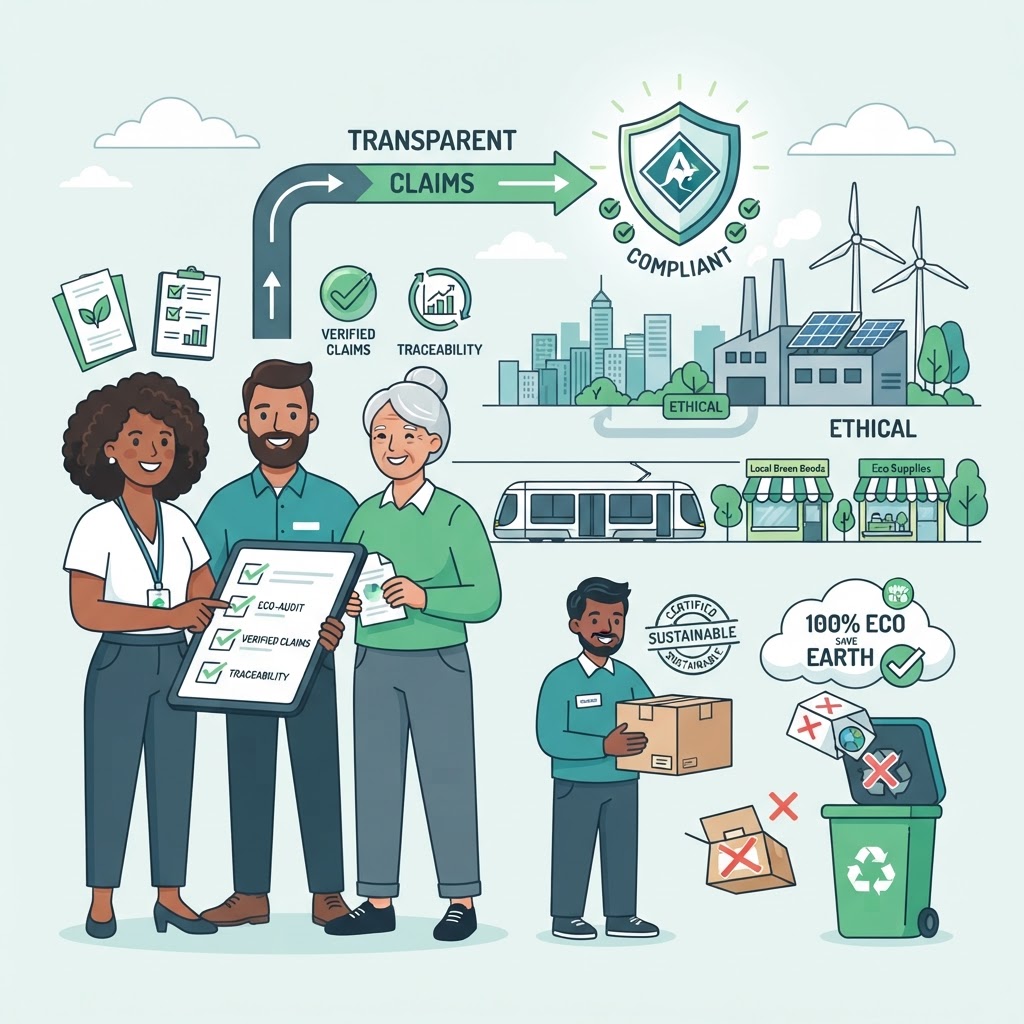
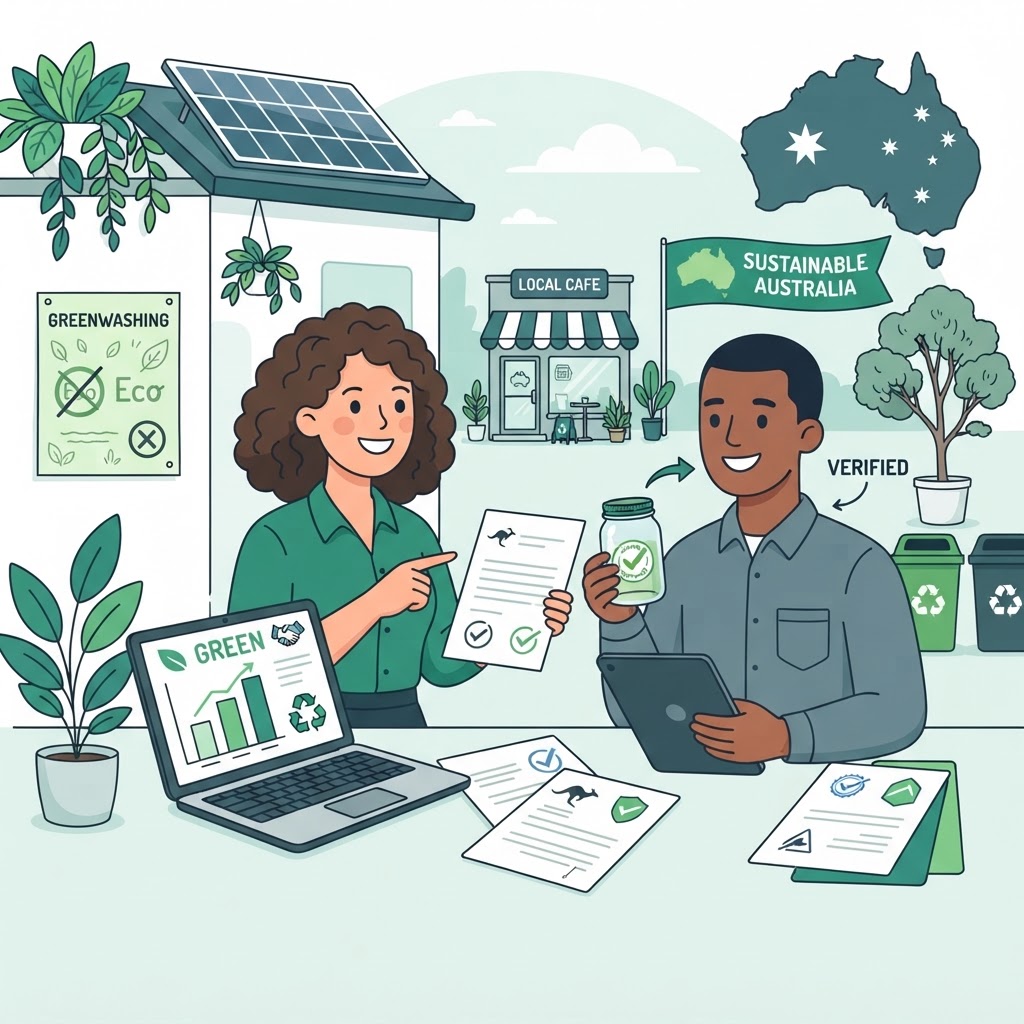
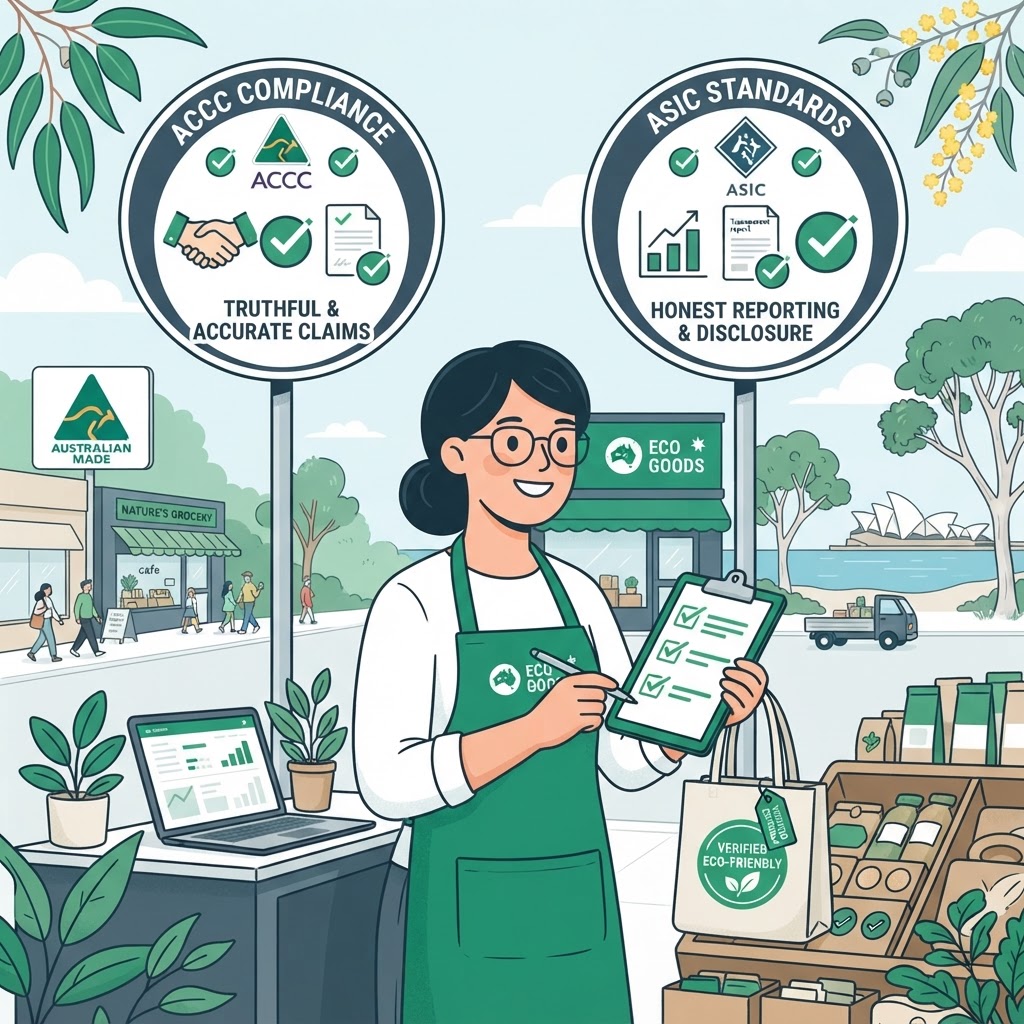
Learn how Australian SMEs can safeguard their reputation and win contracts by aligning sustainability reporting with ACCC and ASIC expectations.
Read blog
Discover how Australian SMEs can build a rigorous, evidence-backed foundation for sustainability tenders by mastering data integrity and reporting transparency.
Read blog
Navigating the complexities of Scope 1, 2, and 3 emissions is essential for Australian SMEs looking to win procurement contracts through credible sustainability reporting.
Read blog
Discover how the AASB S2 climate disclosure standards impact Australian SMEs and why precision in carbon accounting is now a prerequisite for winning government and enterprise contracts.
Read blog
Discover the rigorous validation methods major Australian buyers use to audit SME sustainability claims and how you can prepare to pass.
Read blog
Learn how Australian SMEs can leverage National Greenhouse Accounts factors to build audit-ready, evidence-based emissions reports for high-value tenders.
Read blog
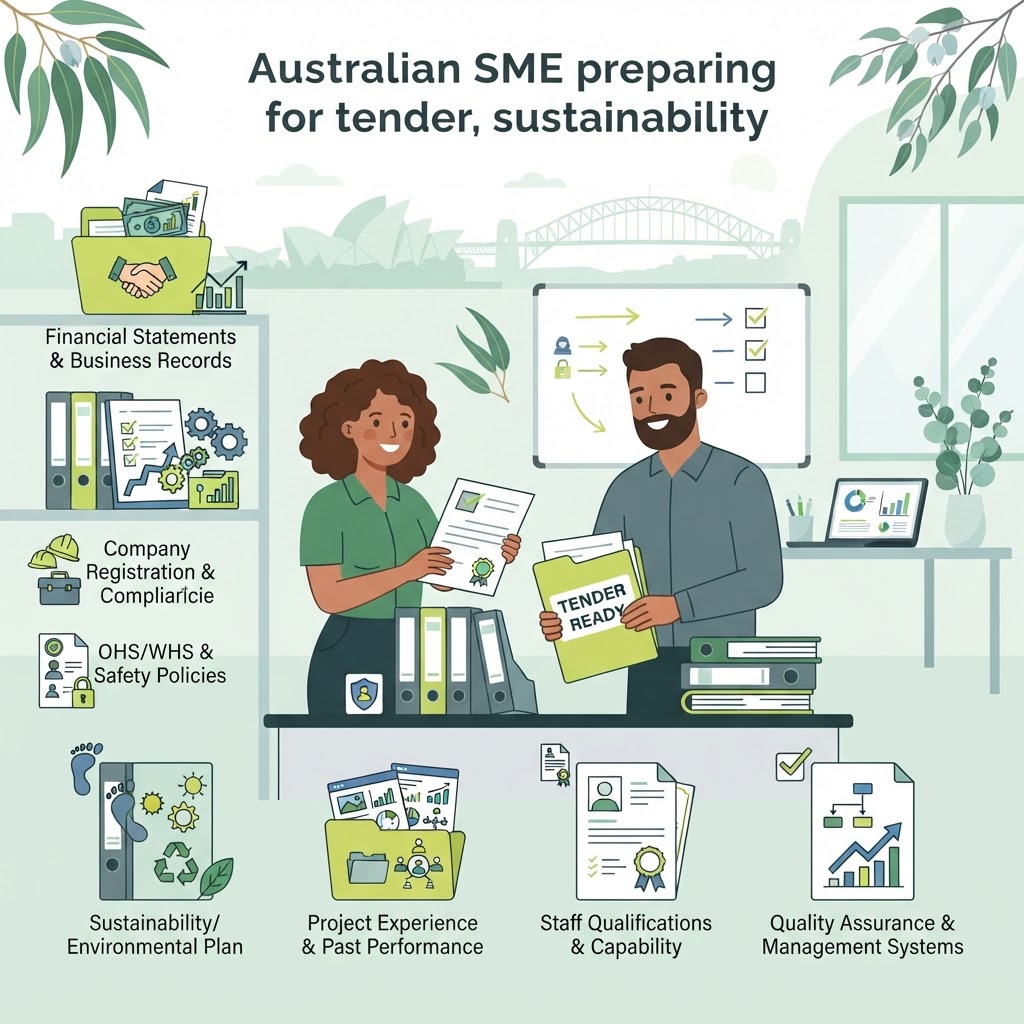
Preparing for a sustainability tender requires more than just good intentions; it demands an evidence-based repository of carbon data and operational documentation.
Read blog
Learn how Australian SMEs can safeguard their procurement bids against greenwashing accusations by aligning carbon accounting with ACCC and ASIC expectations.
Read blog
Learn how Australian SMEs can transform their emissions data into a competitive advantage to secure major government and enterprise contracts.
Read blog
Mastering the complexities of Scope 1, 2, and 3 emissions is no longer optional for Australian SMEs looking to secure major contracts in an increasingly sustainability-conscious market.
Read blog
While AASB S2 primarily targets large entities, the ripple effect on Australian SMEs means that precise emissions reporting is now a non-negotiable requirement for winning major supply chain contracts.
Read blog
Discover the rigorous criteria Australian enterprise buyers use to assess SME sustainability credentials and how to ensure your carbon data stands up to scrutiny.
Read blog
Discover how Australian SMEs can use the latest National Greenhouse Accounts factors to build credible, evidence-backed sustainability tender responses.
Read blog
Streamline your next tender submission by gathering the essential carbon data and evidence-backed documentation Australian SMEs need to win.
Read blog
Learn how Australian SMEs can align with ACCC and ASIC expectations by building evidence-backed sustainability tender responses that avoid greenwashing pitfalls.
Read blog
Elevate your Australian SME's tender competitiveness by mastering the art of crafting evidence-backed sustainability responses, moving beyond claims to verifiable impact.
Read blog
Learn how to demystify carbon classifications to build accurate, defensible sustainability reports that help your SME win more procurement contracts.
Read blog
While AASB S2 targets large entities, Australian SMEs are feeling the ripple effects as major buyers now demand high-integrity climate data.
Read blog
Discover the precise criteria major Australian buyers use to vet SME sustainability claims and how to turn your carbon accounting data into a competitive tender advantage.
Read blog
Learn how Australian SMEs can leverage National Greenhouse Accounts factors to build ironclad, evidence-backed sustainability tender responses.
Read blog
Prepare your SME for competitive procurement by auditing your carbon data and documentation before the tender deadline hits.
Read blog
Learn how Australian SMEs can align their sustainability disclosures with ACCC and ASIC expectations to win government and corporate tenders.
Read blog
Learn how to transform your carbon data into a competitive advantage for Australian procurement tenders by focusing on transparency and verifiable evidence.
Read blog
Demystify the complexities of Scope 1, 2, and 3 emissions to build competitive, evidence-backed sustainability tender responses for Australian SMEs.
Read blog
Discover how the AASB S2 climate disclosure standard creates a ripple effect for Australian SMEs in the procurement supply chain.
Read blog
Discover how large Australian buyers evaluate SME sustainability claims and how you can prepare evidence-backed tender responses that stand up to scrutiny.
Read blog
Discover how Australian SMEs can leverage National Greenhouse Accounts factors to build audit-ready, evidence-based emissions reports for high-stakes tenders.
Read blog
Streamline your next tender submission by gathering the precise environmental data required to prove your sustainability claims.
Read blog
Learn how Australian SMEs can safeguard their reputation and win tenders by aligning their carbon accounting with ACCC and ASIC expectations.
Read blog
Learn how Australian SMEs can leverage precision carbon accounting to transform sustainability tender responses from generic claims into evidence-backed competitive advantages.
Read blog
Demystify the complexities of carbon accounting with our breakdown of Scope 1, 2, and 3 emissions tailored for Australian SMEs preparing for sustainability tenders.
Read blog
While AASB S2 primarily targets large entities, Australian SMEs in their supply chains are feeling the pressure to provide high-quality climate data to remain competitive in procurement.
Read blog
Discover how large Australian buyers evaluate SME sustainability claims and what data you need to win tenders in an era of strict climate scrutiny.
Read blog
National Greenhouse Accounts factors provide the regulated methodology Australian SMEs need to produce defensible, evidence-backed emissions data for sustainability tenders.
Read blog
Australian SMEs can win more sustainability tenders by pre-assembling an evidence file of emissions data, methodology statements, and governance records.
Read blog
Discover strategies for Australian SMEs to avoid greenwashing and ensure compliance in sustainability initiatives.
Read blog
Empower your small business with evidence-backed sustainability tender responses that shine in competitive procurement processes.
Read blog
Learn how understanding Scope 1, 2, and 3 emissions can enhance sustainability responses for SMEs in Australia.
Read blog
Explore how AASB S2 affects Australian SMEs in carbon accounting and sustainability tenders.
Read blog
Understanding how large buyers assess sustainability credentials is vital for SMEs aiming for impactful tender responses.
Read blog
Learn how Australian SMEs can leverage National Greenhouse Accounts factors to enhance emissions reporting for sustainability tenders.
Read blog
A guide for Australian SMEs on the vital documents and data to collect before responding to sustainability tenders.
Read blog
Learn how Australian SMEs can meet ACCC and ASIC expectations while avoiding greenwashing in sustainability tenders.
Read blog
A guide for SMEs on crafting evidence-backed sustainability tender responses that meet Australian standards.
Read blog
A guide for Australian SMEs on how to navigate Scope 1, 2, and 3 emissions for effective sustainability reporting.
Read blog
Understanding AASB S2 is crucial for Australian SMEs to excel in sustainability tenders.
Read blog
Discover how large buyers assess sustainability credentials and what SMEs need to know for competitive advantage in procurement.
Read blog
Discover how Australian SMEs can accurately calculate emissions using National Greenhouse Accounts factors to enhance sustainability tender responses.
Read blog
Ensure your SME is prepared for sustainability tenders with this essential document checklist.
Read blog
Learn how Australian SMEs can avoid greenwashing and adhere to ACCC and ASIC guidelines in sustainability tenders.
Read blog
Learn how Australian SMEs can effectively prepare evidence-backed sustainability tender responses to enhance their procurement outcomes.
Read blog
Unlock the essentials of Scope 1, 2, and 3 emissions and their significance for SMEs in the sustainability tender landscape.
Read blog
Explore what AASB S2 climate disclosure means for SMEs navigating sustainability compliance in Australia.
Read blog
When Australian SMEs respond to sustainability tenders, buyers increasingly expect emissions figures grounded in recognised, auditable methodology—not estimates plucked from a spreadsheet. The National Greenhouse Accounts (NGA) factors, published by the Australian Government, are the foundational dataset that makes evidence-backed carbon accounting possible at the SME level. For procurement teams comparing suppliers, NGA-aligned calculations signal credibility and reduce the risk of greenwashing claims down the line.
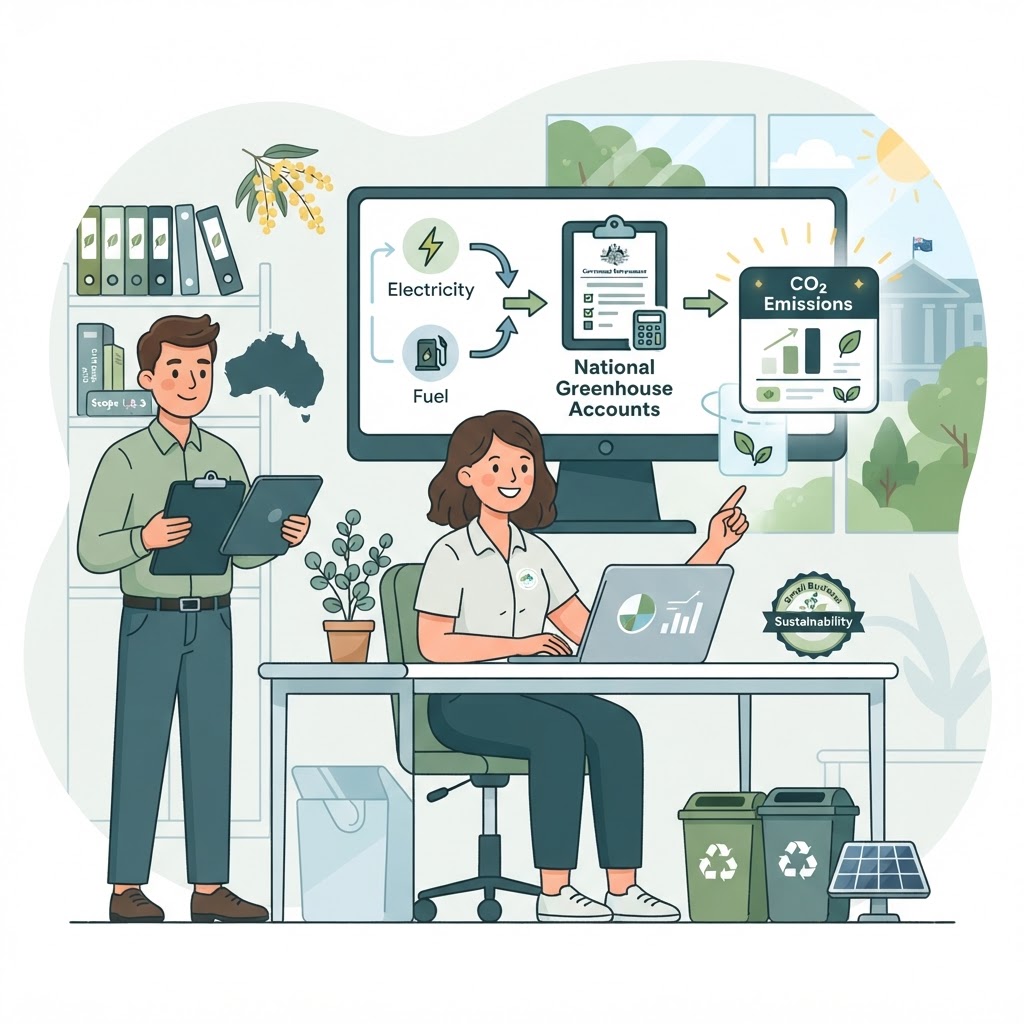
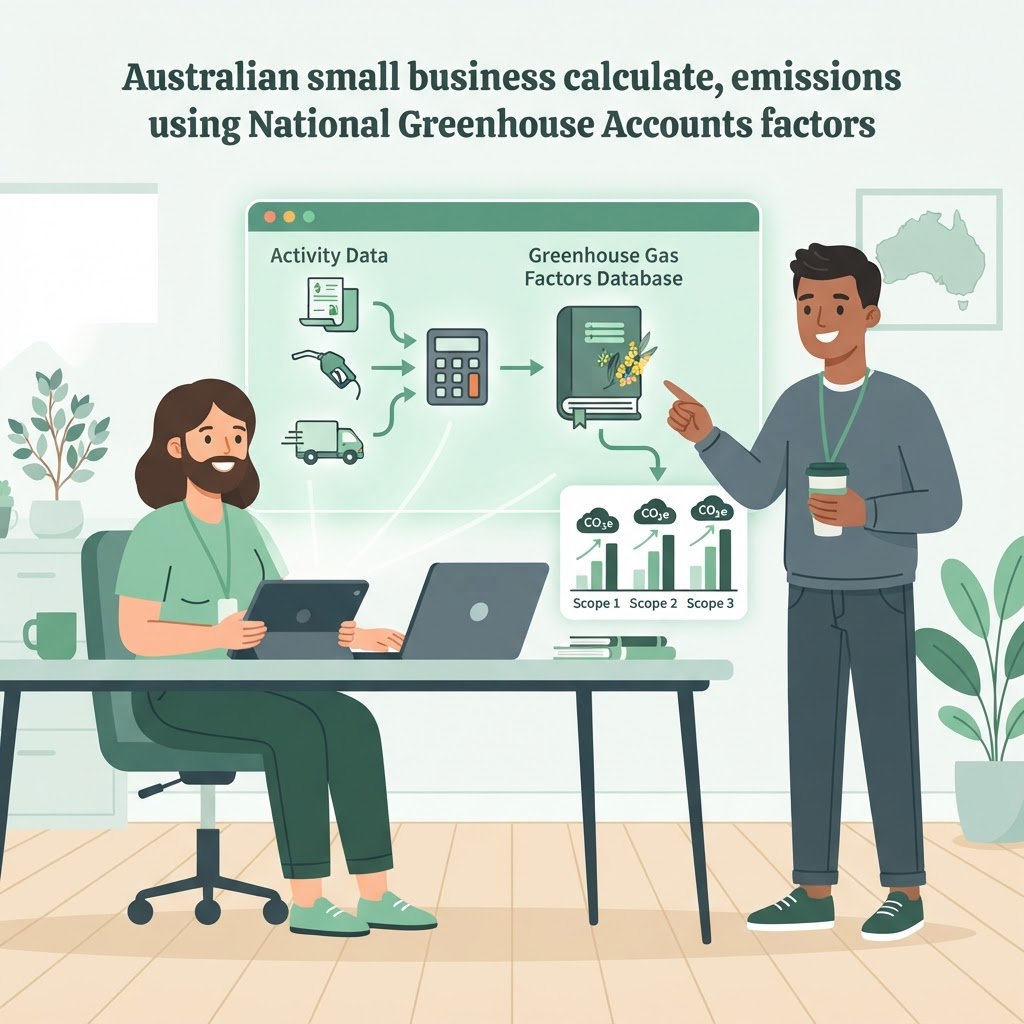
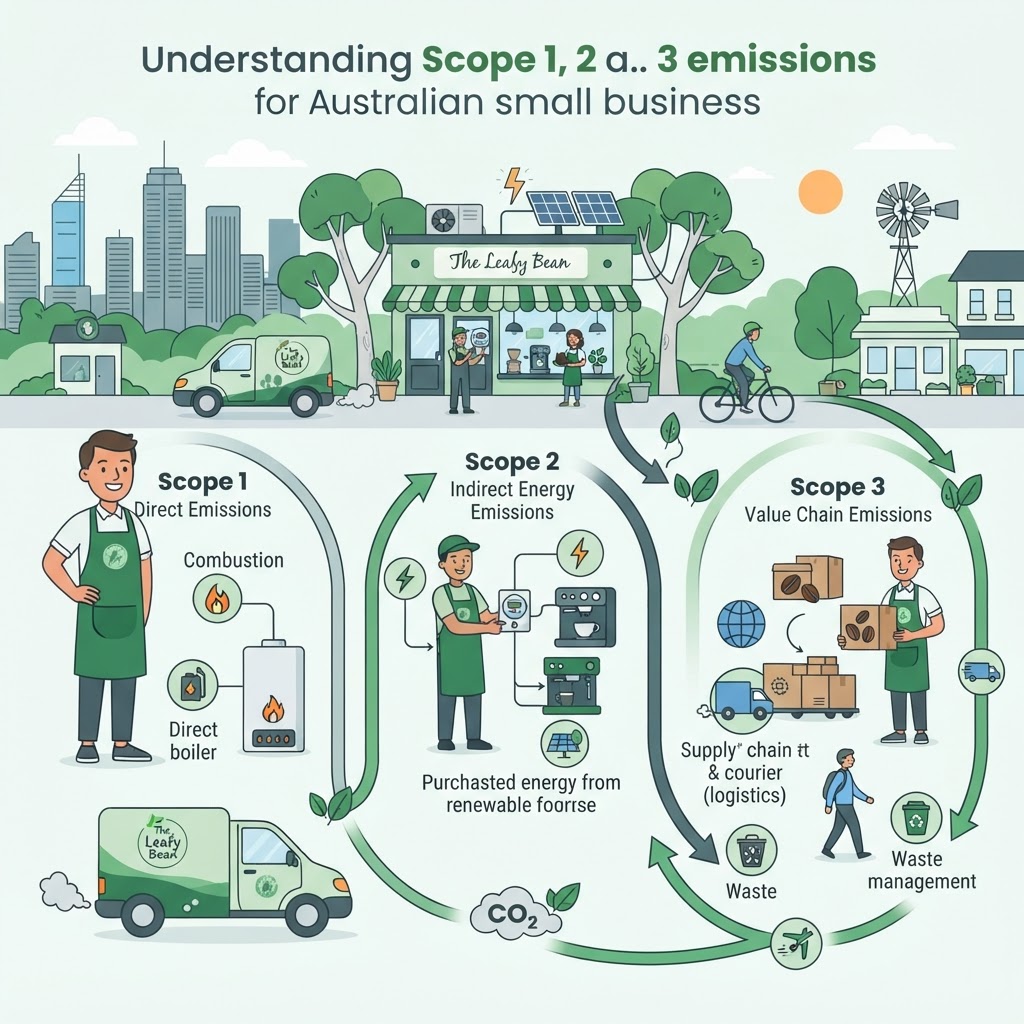
The National Greenhouse Accounts factors are a set of emission conversion coefficients published annually by the Australian Department of Climate Change, Energy, the Environment and Water. They translate activity data—such as litres of diesel consumed, kilowatt-hours of grid electricity purchased, or tonnes of waste sent to landfill—into tonnes of carbon dioxide equivalent (CO2-e). The factors are structured across Scope 1 (direct emissions), Scope 2 (purchased electricity), and Scope 3 (indirect value chain emissions) boundaries, giving SMEs a consistent framework for emissions reporting.
Crucially, the NGA factors underpin the methodology recognised under the National Greenhouse and Energy Reporting Act 2007 (NGER Act). This means emissions figures derived using NGA factors carry regulatory weight, which is increasingly relevant as procurement teams align their supplier assessments with frameworks like AASB S2 climate disclosure requirements. For Australian SMEs preparing sustainability tender responses, using NGA factors is the clearest way to demonstrate that reported emissions are methodologically defensible rather than aspirational.
A sustainability tender response is only as strong as the evidence behind it. Procurement officers—particularly in government and large corporate supply chains—are now trained to look for methodology statements, not just headline numbers. When an SME can state that its Scope 1, 2, and 3 emissions were calculated using the current NGA factors workbook, it signals that the figures are reproducible and comparable across suppliers. This directly counters greenwashing concerns flagged by both the ACCC and ASIC INFO 271 guidance on sustainability-related claims.
ScopeTrack embeds NGA factors into its carbon accounting workflow so that Australian SMEs can generate emissions figures tied directly to the published factor sets. Rather than manually cross-referencing spreadsheets, SMEs can input activity data and receive auditable outputs that reference the specific NGA factor, its publication year, and the relevant Scope category. This evidentiary trail is exactly what procurement teams need when shortlisting suppliers against sustainability criteria.
The first step is to collect activity data across each operational boundary: fuel combustion and refrigerant top-ups for Scope 1; grid electricity and steam purchases for Scope 2; and categories such as purchased goods, business travel, waste, and upstream transport for Scope 3. Each activity is then multiplied by the corresponding NGA factor to yield CO2-e. For example, stationary diesel combustion uses the Scope 1 energy content factor multiplied by the emission factor for diesel, while grid electricity in each state uses a location-based Scope 2 factor reflecting the regional generation mix.
It is important to use the NGA factors workbook corresponding to the reporting period, as factors are updated annually to reflect changes in grid intensity, fuel composition, and methodology refinements. Mixing factor years undermines comparability and can invite scrutiny from procurement auditors. ScopeTrack handles factor versioning automatically, ensuring that an SME's 2024–25 sustainability tender response draws on the correct published factors and can withstand downstream review.
Evidence-backed emissions reporting built on NGA factors has value that extends well beyond winning a single procurement contract. As AASB S2 climate-related disclosure requirements filter through supply chains, larger reporting entities will increasingly request standardised emissions data from their SME suppliers. SMEs that have already adopted NGA-aligned carbon accounting are positioned to respond quickly, rather than scrambling to retrofit methodology when a key customer issues a disclosure request.
The ACCC's focus on greenwashing, alongside ASIC INFO 271 expectations around substantiation of environmental claims, also makes NGA alignment a risk-management decision. SMEs that can point to a recognised Australian Government methodology are less exposed to allegations of misleading sustainability claims, whether made directly to customers or relayed through a buyer's own reporting.
Carbon accounting should not be a barrier to winning sustainability tenders—it should be the evidence that sets an SME apart. ScopeTrack gives Australian SMEs a streamlined path to NGA-aligned emissions reporting, producing the methodology-backed outputs that procurement teams and auditors expect. If your business is preparing for a sustainability tender, or simply wants to get ahead of supply chain disclosure expectations, ScopeTrack can help you translate activity data into credible, comparable, and defensible emissions figures. Book a demo today and put the National Greenhouse Accounts factors to work in your next tender response.

What are National Greenhouse Accounts factors used for in emissions reporting?
National Greenhouse Accounts (NGA) factors convert activity data such as fuel use, electricity consumption, and waste into tonnes of CO2-e emissions. They are the recognised Australian Government methodology underpinning NGER reporting and are widely used by SMEs to produce evidence-backed emissions figures for sustainability tenders.
Do Australian SMEs need to use NGA factors for sustainability tender responses?
While not always mandatory, using NGA factors gives SMEs methodologically defensible emissions data that procurement teams can compare across suppliers. It also aligns with the growing expectations driven by AASB S2 climate disclosure requirements flowing through corporate supply chains.
How often are NGA factors updated, and why does it matter?
NGA factors are published annually and reflect changes in grid electricity intensity, fuel composition, and methodology. Using the correct factor year is essential for comparability and auditability, as mixing factor versions can undermine the credibility of an emissions report.
Can using NGA factors help SMEs avoid greenwashing claims?
Yes. Emissions figures grounded in a recognised Australian Government methodology are easier to substantiate, which directly addresses the greenwashing concerns raised by the ACCC and reinforced in ASIC INFO 271 guidance on sustainability-related claims.